Join us to explore the ancient culture and thrilling climbing of Pisang Peak.
Enquire NowTrip Duration 19 Days starting from Kathmandu and ending at Kathmandu
Trip Grade Tough
Group Size 1-20 pax
Max Height 6091m.
Best Season March - May, September - November
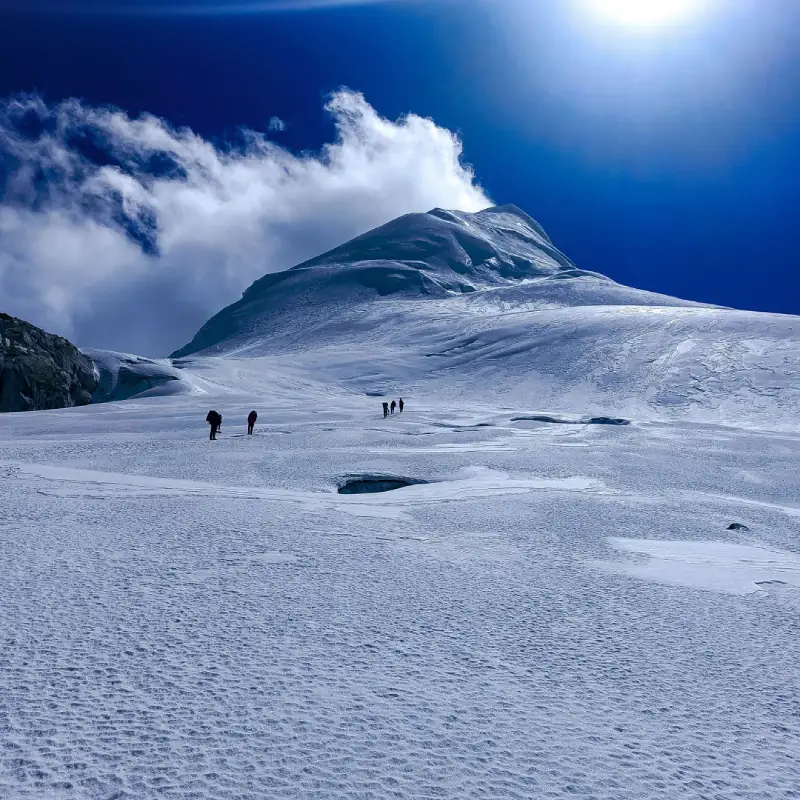
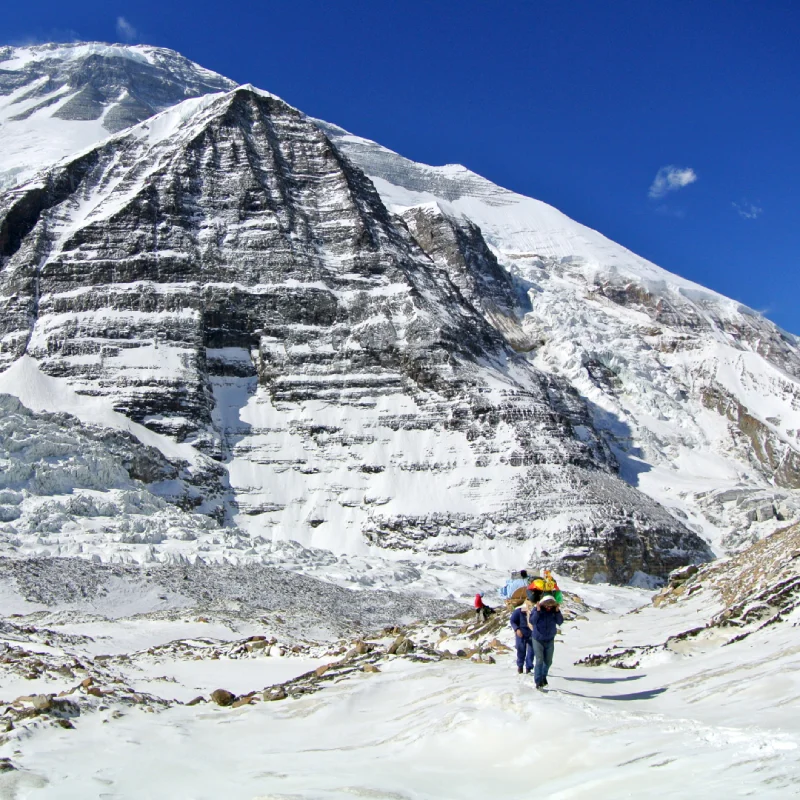
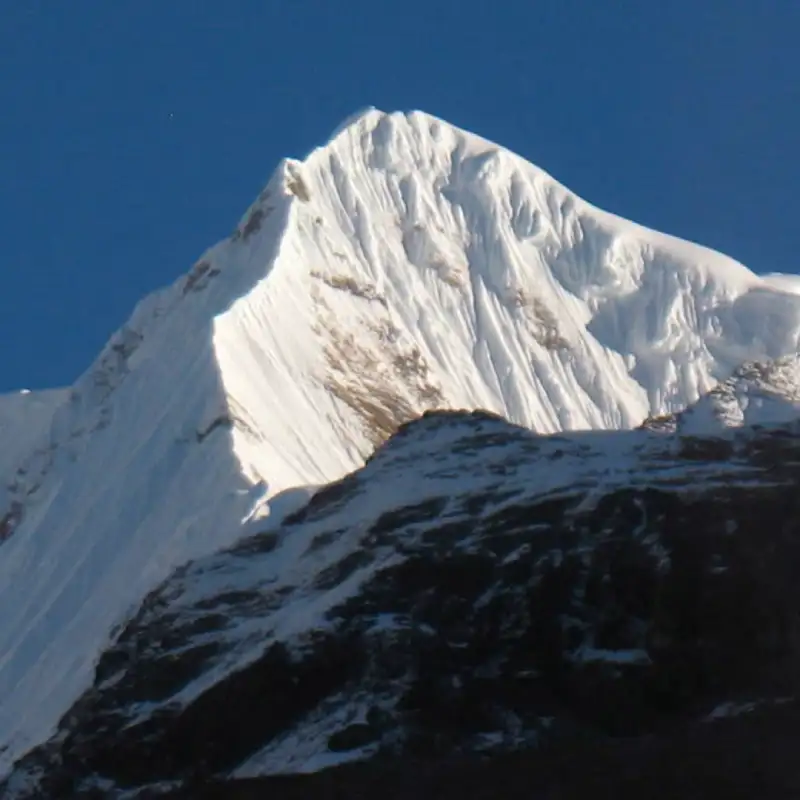
Pisang Peak is a popular trekking peak located in the Annapurna region of Nepal. With an elevation of 6,091 meters (19,984 feet), Pisang Peak is known for its great views of the Annapurna range and its technical climbing sections. The first successful ascent of Pisang peak was done by a German expedition team in 1955.
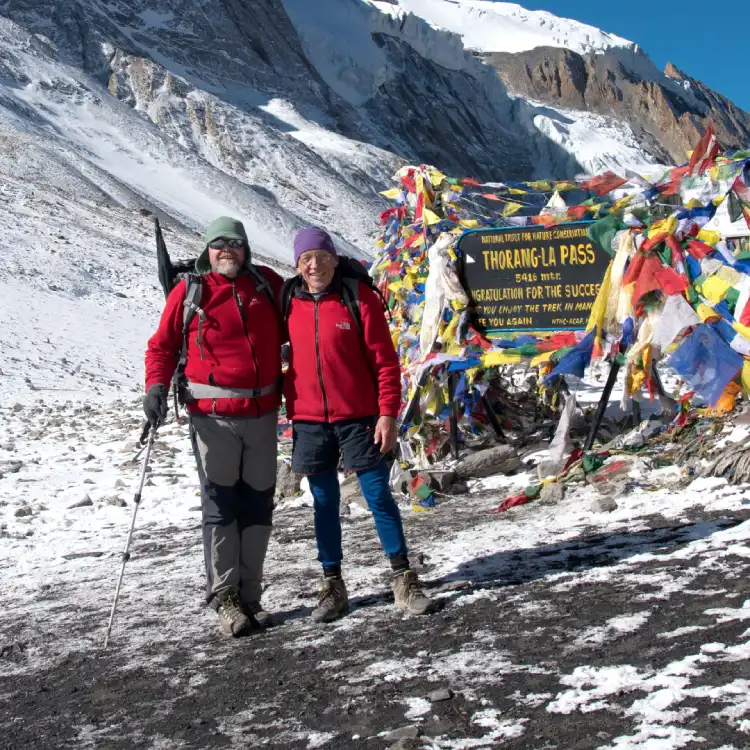
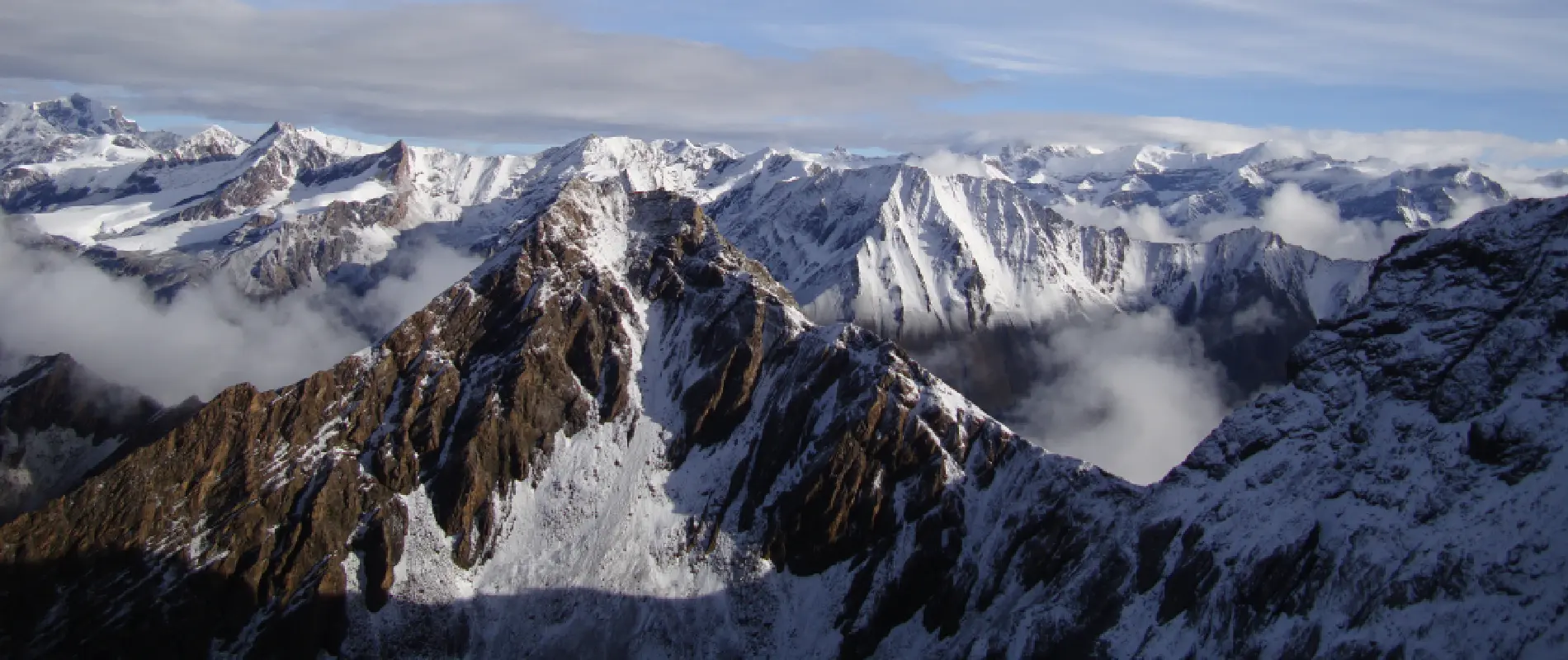
The journey to Pisang Peak begins with a drive to Besisahar, followed by a trek through the charming villages of Chame, Pisang, and Manang. Trekkers can also experience the Tibetan-influenced buddhism, ancient monasteries, mani walls, and famous apple farmlands. The trek itself is considered as one of the most beautiful trekking trails in the world, offering views of the Himalayan giants, including Annapurna II, III, and IV, and Gangapurna.
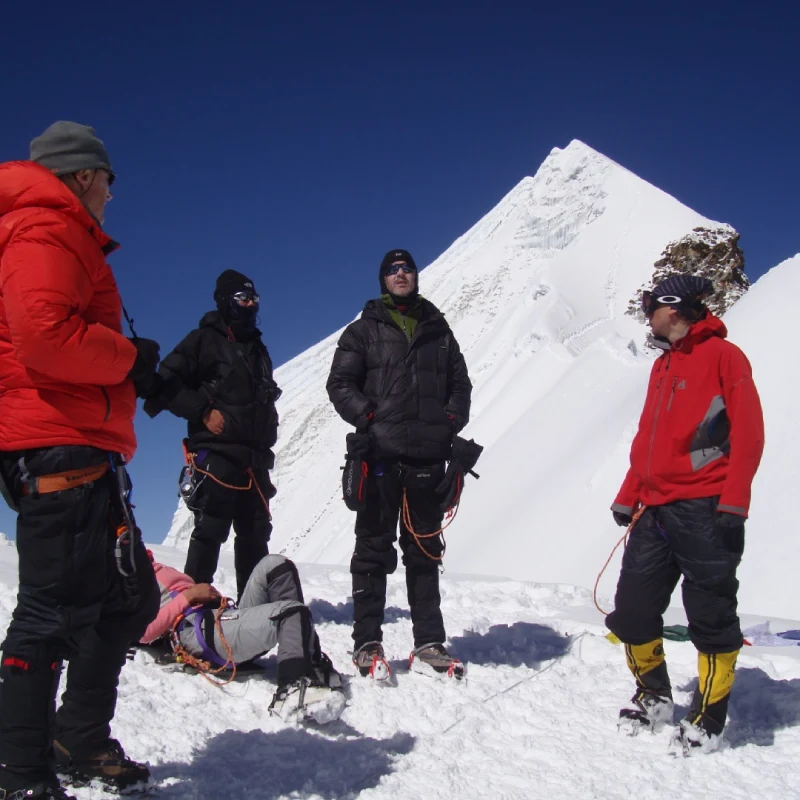
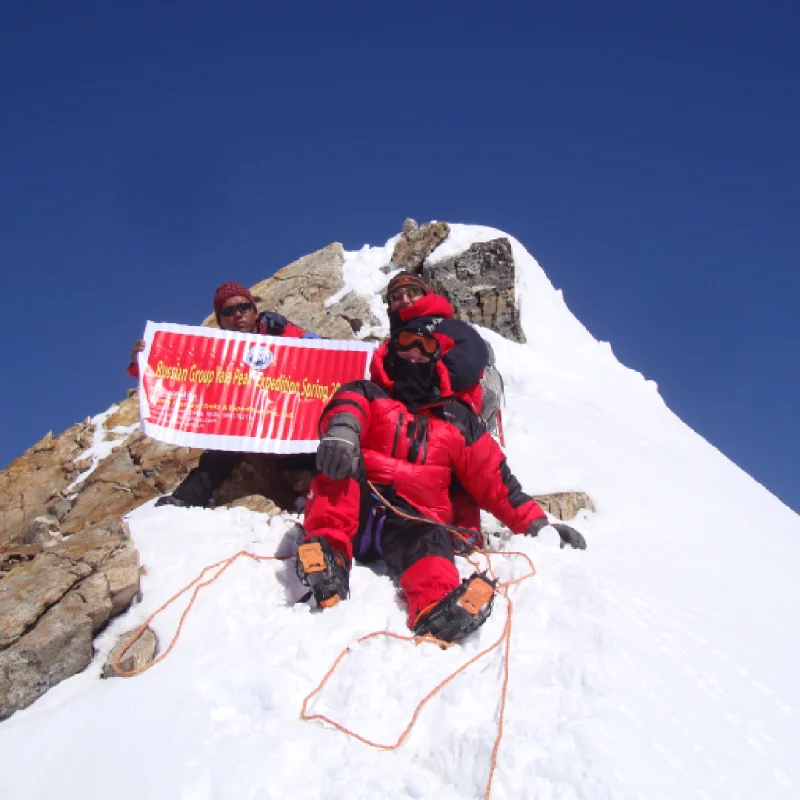
The climb to the summit of Pisang Peak is technically challenging, involving steep rock, glacier, and ice sections. The ascent requires ropes, crampons, and ice axes, making it suitable for climbers with previous mountaineering experience. From the summit, climbers are rewarded with panoramic views of the surrounding peaks, including the majestic Annapurna range and the stunning Manaslu.
Pisang Peak is an excellent choice for those looking to test their technical climbing skills on a challenging but achievable peak. Compared to other peaks in the Everest region, Pisang Peak is less crowded, technically challenging, and offers the option to complete the Annapurna Circuit Trail afterward.
Included MealsNot Included
Included MealsBreakfast
Included MealsBreakfast, Lunch and Dinner
Included MealsBreakfast, Lunch and Dinner
Included MealsBreakfast, Lunch and Dinner
Included MealsBreakfast, Lunch and Dinner
Included MealsBreakfast, Lunch and Dinner
Included MealsBreakfast, Lunch and Dinner
Included MealsBreakfast, Lunch and Dinner
Included MealsBreakfast, Lunch and Dinner
Included MealsBreakfast, Lunch and Dinner
Included MealsBreakfast, Lunch and Dinner
Included MealsBreakfast, Lunch and Dinner
Included MealsBreakfast, Lunch and Dinner
Included MealsBreakfast, Lunch and Dinner
Included MealsBreakfast, Lunch and Dinner
Included MealsBreakfast, Lunch and Dinner
Included MealsBreakfast and Farewell Dinner
Included MealsBreakfast
Pisang Peak Climbing is rated as a moderate to challenging high-altitude mountaineering objective, positioned a step above introductory trekking peaks in terms of technical demand while remaining accessible to well-prepared climbers without a professional alpinist background. The standard route involves sustained glacier travel, fixed rope ascending on steeper ice sections, and an exposed summit ridge at 6,091 metres that requires genuine technical composure — making the Pisang Peak Expedition a more engaging and demanding climbing experience than the purely walk-up glacier objectives commonly encountered in the Nepal peak climb category.
The Pisang Peak Expedition demands a high baseline of cardiovascular endurance and muscular stamina built through a minimum of four to six months of structured pre-expedition training, incorporating progressively loaded hiking on steep terrain, sustained running, cycling, and strength conditioning targeting the lower body, core, and upper body muscle groups most heavily engaged during glacier climbing and fixed rope ascending at altitude. Trekkers who arrive at the trailhead without adequate physical preparation will find that the combination of consecutive high-altitude trekking days along the Annapurna Circuit approach and the technical demands of the Pisang Peak Climbing summit push creates a cumulative physical challenge that is significantly more demanding than any single element of the programme considered in isolation.
Participants in a Pisang Peak Expedition must be competent and confident in the use of crampons on both moderate snow slopes and steeper ice terrain, proficient with ice axe self-arrest technique, and experienced in ascending and descending fixed ropes using mechanical ascenders and belay devices under high-altitude conditions. Prior exposure to glacier travel — including the ability to move efficiently as part of a roped team, identify and avoid crevasse hazards, and maintain stable footwork on variable snow and ice surfaces — is considered essential technical preparation for safe participation in Pisang Peak Climbing, and climbers without this background are strongly advised to complete a certified mountaineering skills course before attempting the peak.
The standard Pisang Peak Expedition approach follows the classic Annapurna Circuit trekking route from Besisahar through Chame, Lower Pisang, and Upper Pisang — a well-structured altitude progression that provides approximately eight to ten days of gradual acclimatization before the climbing programme begins at Base Camp. Trekkers should strictly observe the established guideline of ascending no more than 400 to 500 metres in sleeping altitude per day above 3,000 metres, incorporate rest days at Chame and Upper Pisang as recommended by their guiding team, and treat any symptoms of Acute Mountain Sickness as an immediate signal to halt ascent and rest — a discipline that is as important to Pisang Peak Climbing success as any technical or physical preparation undertaken before departure.
The essential technical equipment list for Pisang Peak Climbing includes insulated double mountaineering boots with step-in crampon compatibility, a full steel crampon set, ice axe, sit harness, mechanical ascender, belay and rappel device, locking carabiners, climbing helmet, and a high-quality down jacket rated for temperatures below minus 15 degrees Celsius on the upper mountain. Beyond the core technical gear, Pisang Peak Expedition participants should carry a comprehensive personal kit including a sleeping bag rated for extreme cold, moisture-wicking and insulating base layers, waterproof outer shell clothing, insulated gloves with liner gloves, UV-protective glacier glasses, high-factor sunscreen, and a personal first aid kit containing altitude sickness medication — all essential items for safe and comfortable high-altitude trekking Nepal and summit operations.
Pisang Peak Climbing requires a Peak Climbing Permit issued by the Government of Nepal's Department of Tourism — currently categorized as a Group B trekking peak with permit fees set at USD 250 per person during the spring and autumn peak seasons. In addition to the climbing permit, all Pisang Peak Expedition participants must obtain an Annapurna Conservation Area Permit and a standard TIMS card, both of which are processed in Kathmandu or Pokhara before the trek begins and must be carried throughout the approach and climbing phases as they are subject to checkpoint verification along the Annapurna Circuit route.
A licensed guide is legally required for all Pisang Peak Climbing expeditions under the current regulations of the Government of Nepal and the Nepal Mountaineering Association, and all summit attempts must be conducted under the supervision of a certified climbing guide registered with the relevant national authority. Beyond the regulatory requirement, the practical value of an experienced local guide on the Pisang Peak Expedition is substantial — encompassing technical rope management on the upper mountain, real-time weather and route assessment, acclimatization monitoring throughout the approach trek, and emergency response coordination in a remote environment where the nearest medical facility is many hours of walking from Base Camp.
The two optimal seasons for Pisang Peak Climbing are the pre-monsoon spring window from late March through May and the post-monsoon autumn window from late September through November, both offering the most stable atmospheric conditions, manageable temperatures on the upper glacier, and reliable visibility across the surrounding Himalaya mountaineering landscape of the Annapurna and Manaslu ranges. The autumn season — particularly the October to mid-November window — is generally favoured by experienced Pisang Peak Expedition operators for its consistently drier weather, exceptional mountain clarity, and the cultural richness of the Annapurna region festival calendar, which adds meaningful depth to the trekking approach experience for participants with an interest in local Gurung and Tibetan-influenced highland culture.
The Pisang Peak Expedition approach follows the classic Annapurna Circuit through some of the most culturally distinctive highland communities in Nepal, passing through the ancient villages of Lower Pisang and Upper Pisang — settlements defined by traditional Tibetan-influenced stone architecture, active Buddhist gompas, and a community life shaped by centuries of highland agricultural and pastoral tradition. The Nyesyang valley communities of the upper Manang district, through which the Pisang Peak Climbing approach passes, maintain some of the most intact Tibetan Buddhist cultural traditions in the entire Annapurna region, and the ancient monastery at Upper Pisang — sitting directly below the peak's imposing north face — provides a powerful cultural and spiritual introduction to the mountain environment that awaits above.
The primary safety precautions for Pisang Peak Climbing centre on rigorous acclimatization management, strict weather monitoring, and disciplined turnaround time enforcement on the summit day — three practices that experienced Himalaya mountaineering guides consistently identify as the most important determinants of safe outcomes on technical high-altitude peaks in the Nepal peak climb category. Additional safety measures essential to the Pisang Peak Expedition include maintaining full rope team discipline on all glaciated terrain above Base Camp, carrying emergency descent equipment at all times on the upper mountain, ensuring all team members are comprehensively briefed on altitude illness recognition and response protocols before departure from Kathmandu, and confirming that comprehensive helicopter evacuation insurance is in place before the expedition begins.
The standard logistics for the Pisang Peak Expedition begin with either a drive or flight from Kathmandu to Besisahar or Chame — the respective road-head options for the Annapurna Circuit approach — before the trek progresses northward through the Marsyangdi valley via Chame, Lower Pisang, and Upper Pisang to Base Camp at approximately 4,980 metres. The approach typically takes seven to nine trekking days depending on the chosen starting point and acclimatization schedule, with the entire Pisang Peak Climbing programme including the approach, climbing period, and return descent running between 16 and 20 days from Kathmandu departure to final return — a duration that reflects the physiological demands of proper altitude conditioning and the logistical realities of operating in the remote upper Manang district.
The most consistently effective strategies for a successful Pisang Peak Climbing summit attempt include completing a thorough acclimatization rotation to Camp I before the summit push, departing from High Camp in the pre-dawn hours — typically between 2:00 AM and 4:00 AM — to ensure the technical upper sections are completed in cold, stable morning conditions before afternoon winds and temperature changes develop on the exposed summit ridge. Experienced Pisang Peak Expedition guides also emphasize the critical importance of maintaining consistent hydration and caloric intake throughout the summit day, moving at a deliberately conservative pace on the lower glacier sections to preserve energy reserves for the technically demanding headwall and summit ridge, and establishing and rigorously honouring a pre-agreed turnaround time that prioritizes safe descent over summit achievement under all circumstances.
The Pisang Peak Climbing route passes entirely within the Annapurna Conservation Area — one of Nepal's most ecologically significant and heavily visited protected landscapes — where responsible waste management, minimal ecological disturbance, and support for locally owned trekking services are not merely encouraged but represent an ethical obligation for all participants in commercial Himalaya mountaineering programmes. All Pisang Peak Expedition operators should implement structured waste management protocols at Base Camp and High Camp, including the complete pack-out of all non-biodegradable waste, the use of designated sanitation facilities, avoidance of single-use plastics throughout the approach and climbing phases, and the exclusive use of kerosene or gas fuel sources rather than firewood at all campsites above the treeline.
Altitude-related illness represents the most significant medical risk on the Pisang Peak Expedition, with the summit altitude of 6,091 metres placing all climbers in a zone of substantial hypoxia where the physiological effects of reduced atmospheric oxygen meaningfully impair physical performance, cognitive function, and the body's capacity to recognize and respond to its own deteriorating condition — a phenomenon that makes external monitoring by an experienced guide particularly valuable on Pisang Peak Climbing. All participants should carry personal altitude medication including Diamox as both a prophylactic and therapeutic agent, maintain a pulse oximeter for regular oxygen saturation monitoring above Base Camp, be thoroughly briefed on the full clinical spectrum of altitude illness before departing Kathmandu, and operate under a clearly established and pre-agreed descent protocol that mandates immediate downward movement without hesitation or negotiation if any team member develops symptoms consistent with High Altitude Pulmonary Oedema or High Altitude Cerebral Oedema at any point during the high-altitude trekking Nepal approach or the technical climbing phase above.
Trip Duration 19 Days starting from Kathmandu and ending at Kathmandu
Trip Grade Tough
Best Season March - May, September - November
Or
Pharchamo Peak, standing at 6,279 meters (20,600 feet), is a challengi
Dhampus Peak, with an elevation of 6,012 meters (19,724 feet), is a po
The Upper Dolpo Trek is one of the most beautiful and isolated adventu
The Makalu Base Camp trek is one of the underrated trekking routes tha
The Everest Three Passes Trek is a challenging high-altitude adventure
Dhaulagiri Round trek is one of the least-travelled and beautiful trek
Island Peak, also known as Imja Tse, stands at 6,165 meters (20,226 fe
Mera Peak is Nepal’s highest trekking peak. It is located in the Mah
Lobuche East peak is one of the popular and challenging trekking peak
The combination of the magical Nar Phu Valley and the classic high-alt
Makalu Base Camp Trek is truly an unforgettable adventure, covering so
Yala Peak is perhaps the most accessible genuine mountaineering experi
Singu Chuli, also known as Fluted Peak, is one of the most technically
The Ama Dablam Expedition occupies a unique and revered position in th
One of Nepal’s most notable high-altitude climbs, the Himlung Himal