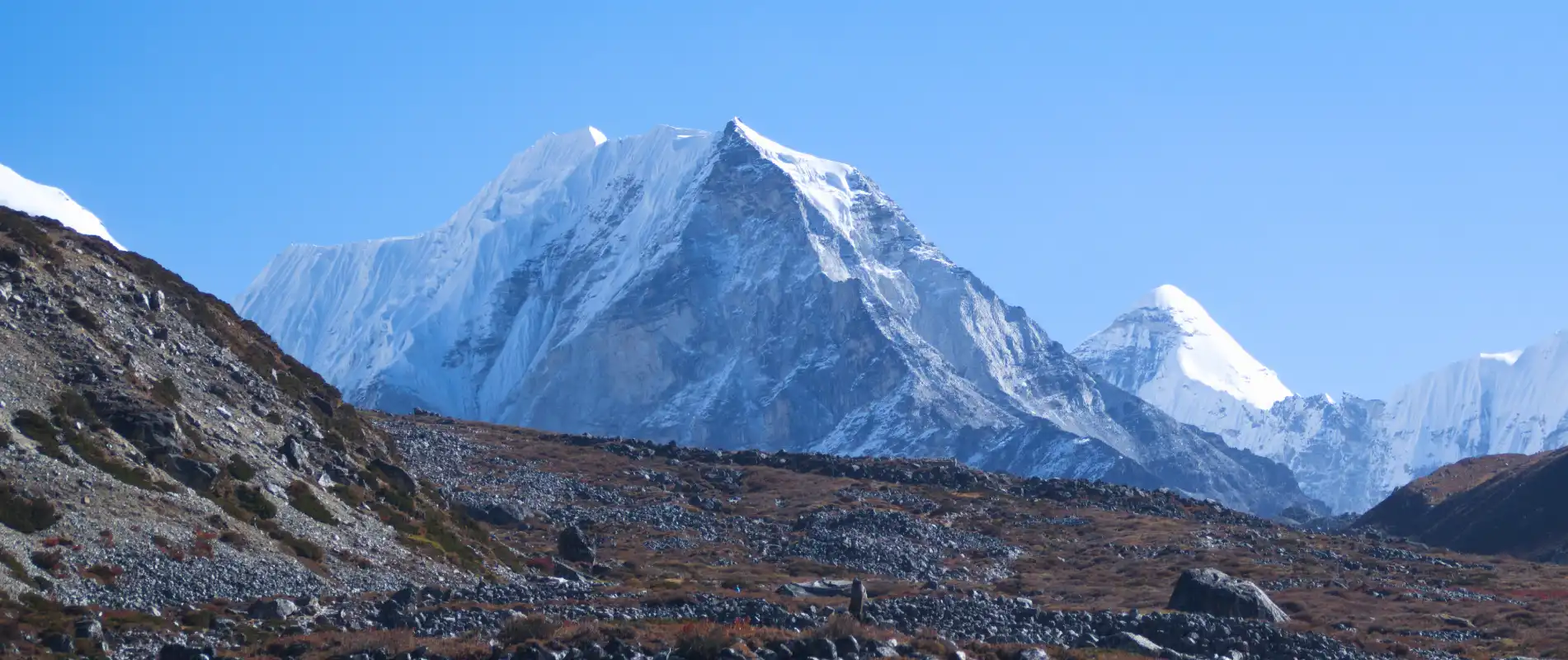
A true climber’s choice located deep in the Himalayas, offering the breathtaking views and memories that last for a lifetime.
Enquire NowTrip Duration 18 Days starting from Kathmandu and ending at Kathmandu
Trip Grade Tough
Group Size 1-20 pax
Max Height 6165m.
Best Season March - May, September - November
Island Peak, also known as Imja Tse, stands at 6,165 meters (20,226 feet) in the Everest region of Nepal. It is one of the most popular and favorite peaks for climbers with some mountaineering skills, offering a rewarding challenge without being too technical. The name Island Peak originates from its unique look of like an island surrounded by icy peaks when seen from Dingboche.
The journey to Island Peak normally begins with a flight to Lukla, followed by a trek through the beautiful villages of Phakding, Namche Bazaar, and Dingboche. The trek follows the famous Everest Base Camp trail before splitting off at Chhukung. The trail passes through lush forests, glacial moraines, and high-altitude deserts, providing a diverse landscape that keeps trekkers engaged throughout the journey.
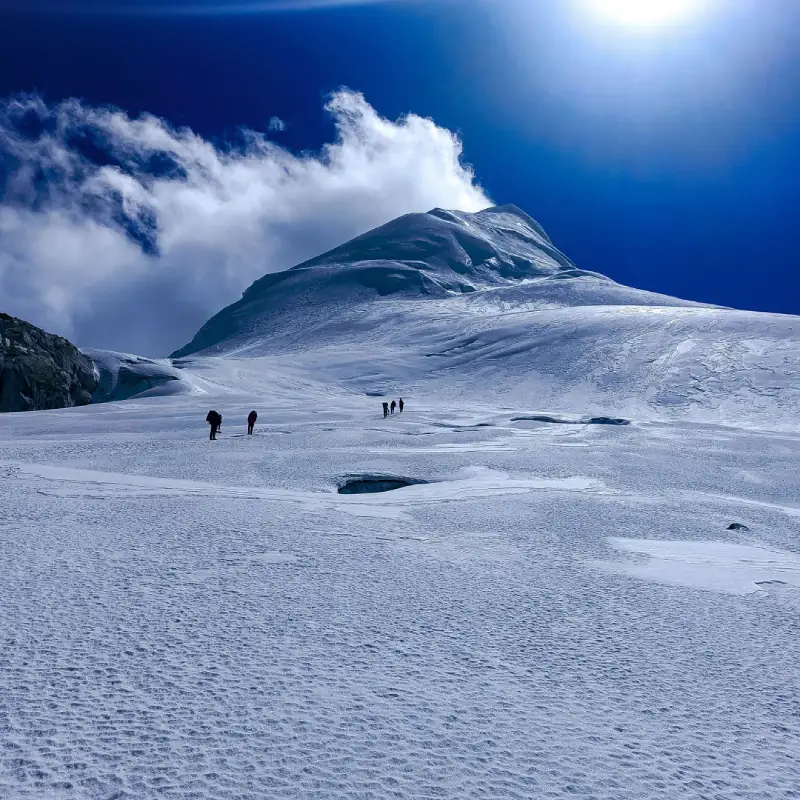
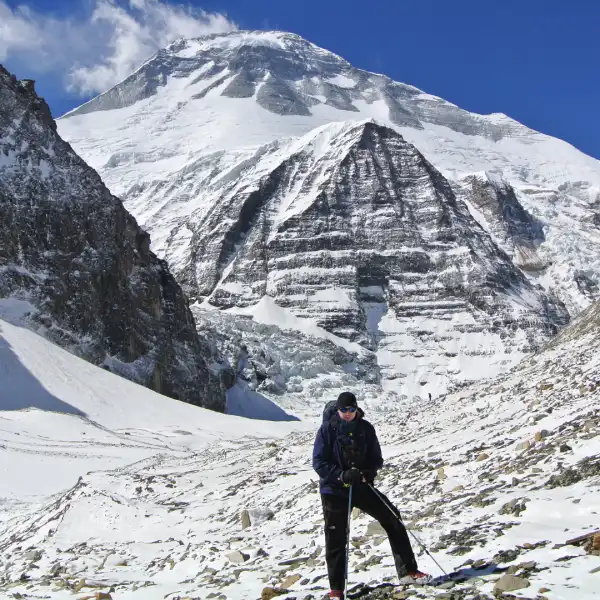
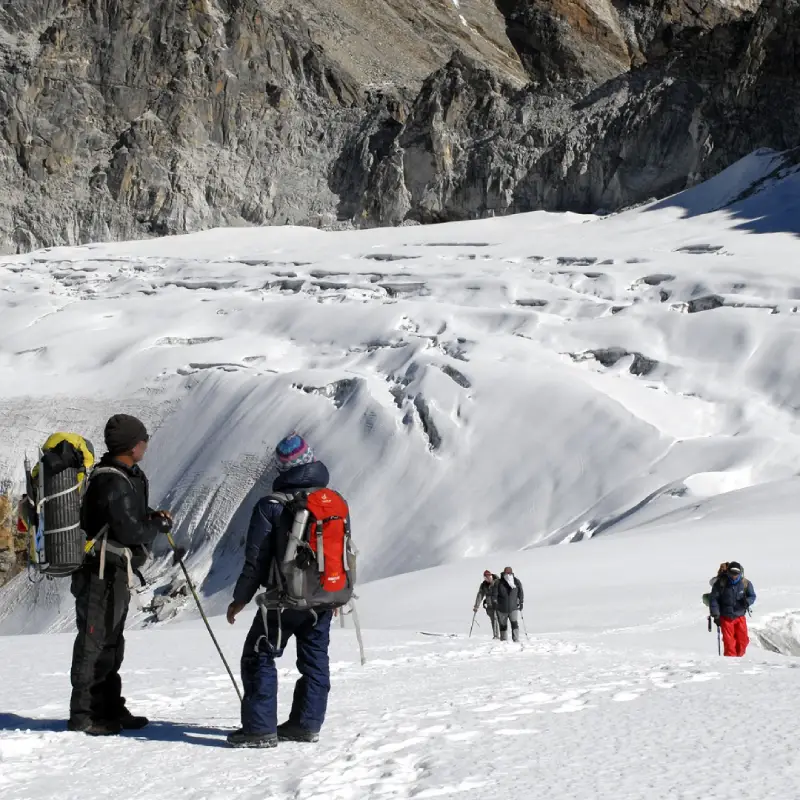
The climb to the summit of Island Peak is technically straightforward but physically demanding. The ascent involves crossing the Imja Glacier and navigating a steep, icy slope to reach the summit ridge. From the summit of the Island Peak, you’ll see a panoramic view of the Himalayas such as Nuptse (7,861 m), Lhotse (8,516 m), Lhotse Shar (8,400 m), Makalu (8,463 m), Baruntse (7,129 m), and Amadablam (6,814 m).
Most climbers pair Island Peak with the Everest Base Camp Trek, extending their journey to 20 days. March to May and September to November are the best times to plan this trek as these months bring stable weather and clear skies.
For first-time mountaineers planning to step beyond trekking and gain the Himalayan climbing experience, Island Peak offers the perfect balance of challenge and accessibility, making it the most popular trekking peak in Nepal.
Included Meals
Included MealsBreakfast, Lunch and Dinner
Included MealsBreakfast, Lunch and Dinner
Included MealsBreakfast, Lunch and Dinner
Included MealsBreakfast, Lunch and Dinner
Included MealsBreakfast, Lunch and Dinner
Included MealsBreakfast, Lunch and Dinner
Included MealsBreakfast, Lunch and Dinner
Included MealsBreakfast, Lunch and Dinner
Included MealsBreakfast, Lunch and Dinner
Included MealsBreakfast, Lunch and Dinner
Included MealsBreakfast, Lunch and Dinner
Included MealsBreakfast, Lunch and Dinner
Included MealsBreakfast, Lunch and Dinner
Included MealsBreakfast, Lunch and Dinner
Included MealsBreakfast, Lunch and Dinner
Included MealsBreakfast, and Farewell Dinner
Included MealsBreakfast
The Lukla flight may have an impact on your entire plan. Due to increased air traffic in Kathmandu during peak seasons, the service will operate from Manthali Airport, Ramechhap district. However, flights are operated from Kathmandu in the nonpeak seasons. Flights can be delayed because of the bad weather, crowded traffic, unmanaged runway, and topographical challenges. Hence, it is recommended to arrange an additional 1-2 days to avoid the stress of flight delays when trekking in the Everest region. Also, we offer helicopter flight service directly from Kathmandu to Lukla for an additional fee of USD 500 per person (on a five-person sharing basis), thus avoiding the long drive to Manthali airport during peak seasons.
Island Peak Climbing is rated as a moderate to challenging high-altitude mountaineering objective, requiring basic technical climbing skills, strong physical endurance, and a solid foundation of prior trekking experience at altitude. The summit push involves glacier travel, fixed rope ascending, and a demanding headwall section below the summit ridge at 6,189 metres — technical elements that distinguish the Island Peak Expedition from standard trekking peaks and demand genuine preparation from all participants.
The Island Peak Expedition demands a high baseline level of cardiovascular fitness built through sustained endurance training over a minimum of three to six months prior to departure, including regular loaded hiking, running, stair climbing, and strength conditioning focused on the legs and core. Trekkers who arrive physically underprepared will find the combination of high altitude, consecutive trekking days, and the technical summit push on Island Peak Climbing significantly more demanding than anticipated, making structured pre-expedition fitness preparation a non-negotiable component of responsible planning.
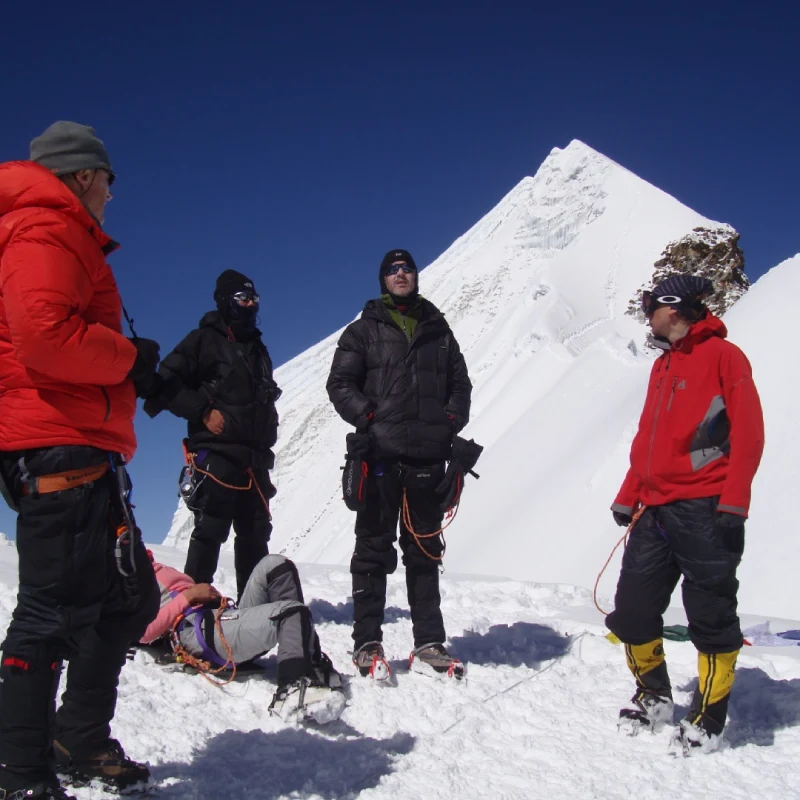
Participants in an Island Peak Expedition should be proficient in the use of crampons, ice axe, and harness, and comfortable ascending and descending fixed ropes using mechanical ascenders and descending devices in a high-altitude environment. While Island Peak Climbing does not require prior rock climbing or advanced alpine experience, a basic understanding of glacier travel, rope team movement, and self-arrest technique is essential for safe navigation of the upper mountain terrain above Camp I.
Proper acclimatization is the single most critical preparation factor for a successful Island Peak Expedition, and the standard approach route through Namche Bazaar, Tengboche, Dingboche, and Chhukung provides a well-structured altitude progression that conditions the body for the physiological demands of the 6,189-metre summit. Trekkers should strictly follow the principle of ascending gradually and incorporating scheduled rest days — particularly in Namche Bazaar and Dingboche — and should never attempt the Island Peak summit push without at least seven to ten days of gradual acclimatization above 3,400 metres.
The essential technical equipment list for Island Peak Climbing includes double or insulated mountaineering boots compatible with step-in crampons, a full steel crampon set, ice axe, sit harness, mechanical ascender, belay and rappel device, locking carabiners, helmet, and a down jacket rated for temperatures below minus 15 degrees Celsius. In addition to technical gear, a well-insulated sleeping bag, trekking poles, UV-protective glacier glasses, and high-factor sunscreen are essential items for all participants in the Island Peak Expedition Nepal, given the extreme ultraviolet exposure at high altitude.
Island Peak Climbing in Nepal requires a Peak Climbing Permit issued by the Government of Nepal's Department of Tourism, the cost of which varies by season and is currently set at USD 250 per person for the spring and autumn seasons. In addition to the climbing permit, all participants must obtain a Sagarmatha National Park entry permit and a Khumbu Pasang Lhamu Rural Municipality permit — both of which are processed either in Kathmandu or at the park entry checkpoints along the Khumbu trekking route.
A licensed guide is legally required for all Island Peak Climbing expeditions under current Government of Nepal regulations, and all participants must be accompanied by a certified climbing guide registered with the Nepal Mountaineering Association throughout the summit push and high-altitude sections of the route. Beyond the legal requirement, the practical value of an experienced local guide on the Island Peak Expedition is considerable — providing technical rope management, route navigation on the glacier, weather assessment, and emergency support in a remote environment where independent decision-making errors can have serious consequences.
The two optimal seasons for Island Peak Climbing are the pre-monsoon spring season from late March through May and the post-monsoon autumn season from late September through November, both of which offer the most stable weather windows, manageable temperatures, and reliable trail conditions on the approach and summit route. Autumn is generally considered the most popular season for the Island Peak Expedition due to the exceptional mountain visibility, crisp air quality, and settled weather patterns that characterize the Khumbu region between October and mid-November.
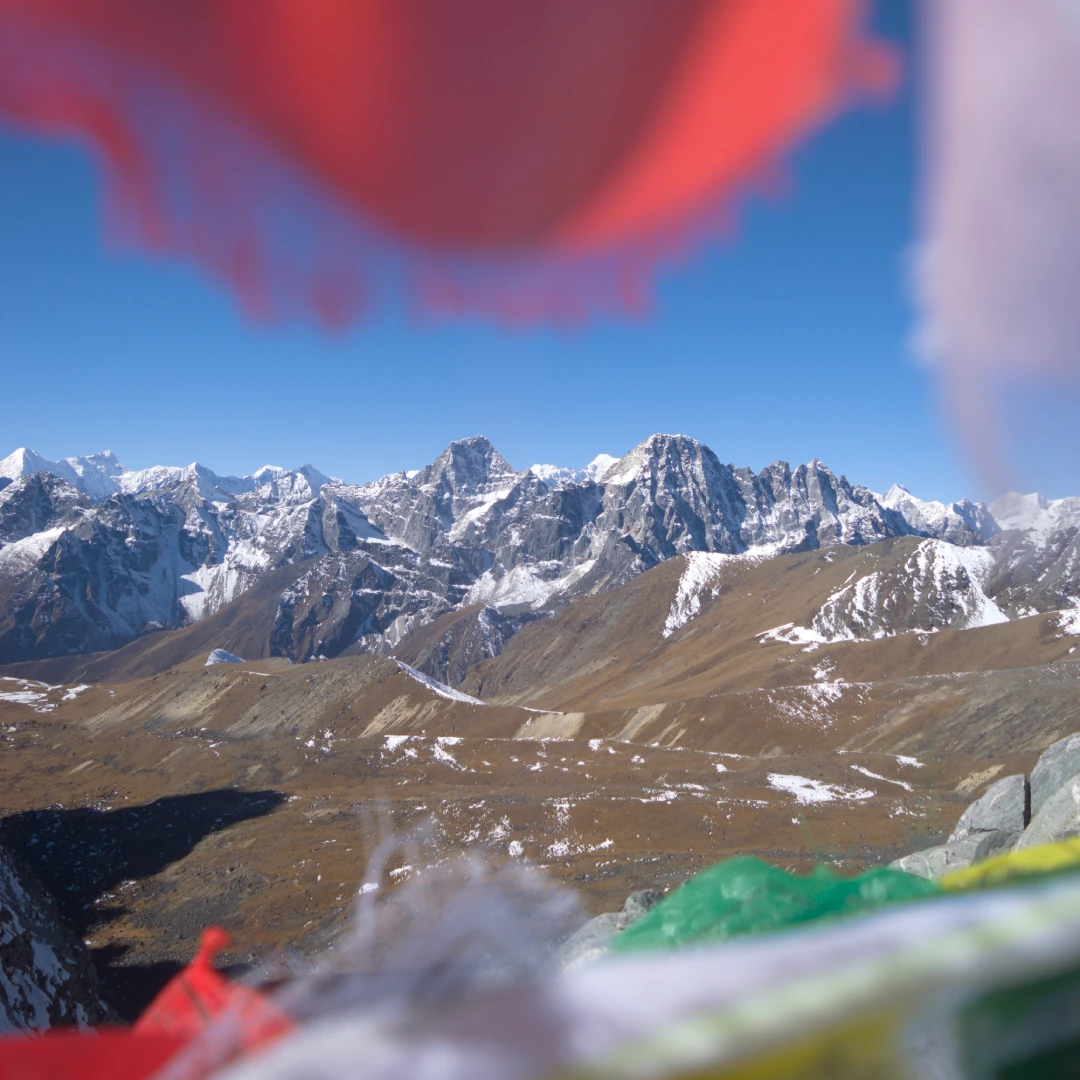
The Island Peak Expedition approach passes through the heart of the Khumbu Sherpa homeland — a culturally extraordinary region defined by ancient Tibetan Buddhist traditions, historic monastery sites, and a community whose relationship with the high Himalayas is unlike anything found elsewhere in the world. Key cultural highlights encountered along the high-altitude trekking Nepal route include the celebrated Tengboche Monastery at 3,860 metres, the traditional Sherpa villages of Namche Bazaar and Pangboche, and the pervasive presence of mani walls, chortens, and prayer flags that mark the spiritual landscape of the Khumbu valley throughout the approach trek.
The most reliable indicators of a successful Island Peak Climbing summit attempt are thorough pre-expedition fitness preparation, strict adherence to the acclimatization schedule during the approach trek, an early summit departure — typically between midnight and 2:00 AM from high camp — to ensure the headwall and summit ridge are completed before afternoon winds develop, and the discipline to turn around and descend if personal conditions or team safety are compromised at any point on the upper mountain. Experienced Island Peak Expedition guides consistently emphasize that summit success is determined far more by patience, pacing, and sound decision-making than by raw physical strength or technical ability alone
Acute Mountain Sickness is a genuine and potentially serious risk on the Island Peak Expedition, with the summit altitude of 6,189 metres placing all participants well within the physiological danger zone for altitude-related illness — particularly during the summit night when exertion levels are highest and the body is operating at its most fatigued. All participants in Island Peak Climbing should carry personal altitude sickness medication including Diamox, be thoroughly briefed on the symptoms of Acute Mountain Sickness, High Altitude Pulmonary Oedema, and High Altitude Cerebral Oedema, and understand clearly that the only effective treatment for serious altitude illness during high-altitude trekking Nepal is immediate descent — regardless of summit proximity.
Island Peak Climbing occupies a distinctive position in the Nepal peak climb spectrum — technically more demanding than popular trekking objectives such as Kala Patthar or Gokyo Ri, but more accessible than the serious high-altitude mountaineering demands of peaks like Ama Dablam or Lobuche East, making it one of the most widely recommended entry points into genuine Himalaya mountaineering for experienced trekkers seeking to transition from trail-based adventures to technical summit objectives. Compared to Mera Peak — the other primary six-thousander trekking climb in the Khumbu region — Island Peak offers a significantly more technical and physically demanding experience, with the fixed rope headwall and exposed summit ridge providing a level of climbing engagement that Mera's walk-up glacier route does not replicate.
Trip Duration 18 Days starting from Kathmandu and ending at Kathmandu
Trip Grade Tough
Best Season March - May, September - November
Or
Pharchamo Peak, standing at 6,279 meters (20,600 feet), is a challengi
Dhampus Peak, with an elevation of 6,012 meters (19,724 feet), is a po
The Upper Dolpo Trek is one of the most beautiful and isolated adventu
The Makalu Base Camp trek is one of the underrated trekking routes tha
The Everest Three Passes Trek is a challenging high-altitude adventure
Dhaulagiri Round trek is one of the least-travelled and beautiful trek
Mera Peak is Nepal’s highest trekking peak. It is located in the Mah
Lobuche East peak is one of the popular and challenging trekking peak
The combination of the magical Nar Phu Valley and the classic high-alt
Makalu Base Camp Trek is truly an unforgettable adventure, covering so
Yala Peak is perhaps the most accessible genuine mountaineering experi
Singu Chuli, also known as Fluted Peak, is one of the most technically
The Ama Dablam Expedition occupies a unique and revered position in th
One of Nepal’s most notable high-altitude climbs, the Himlung Himal