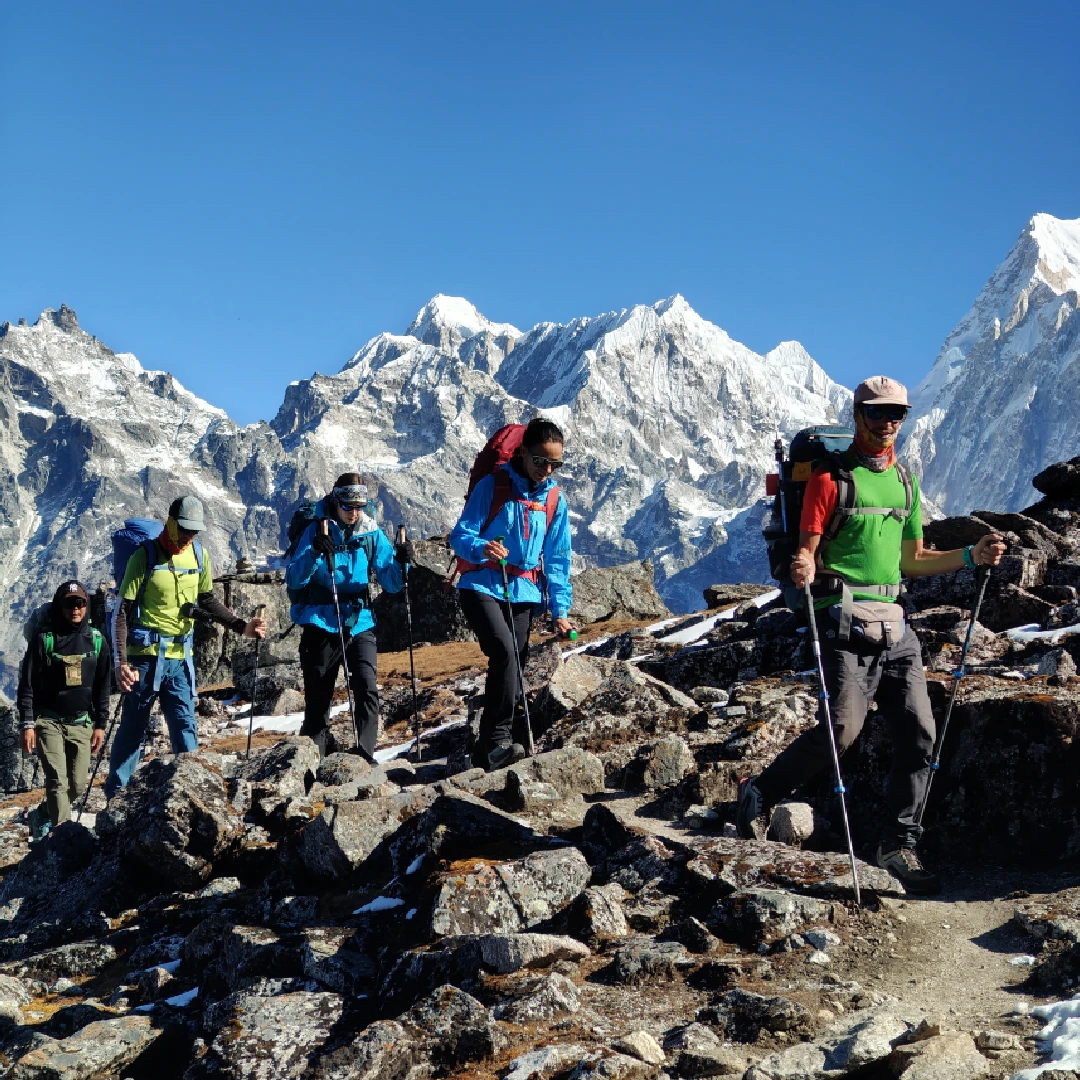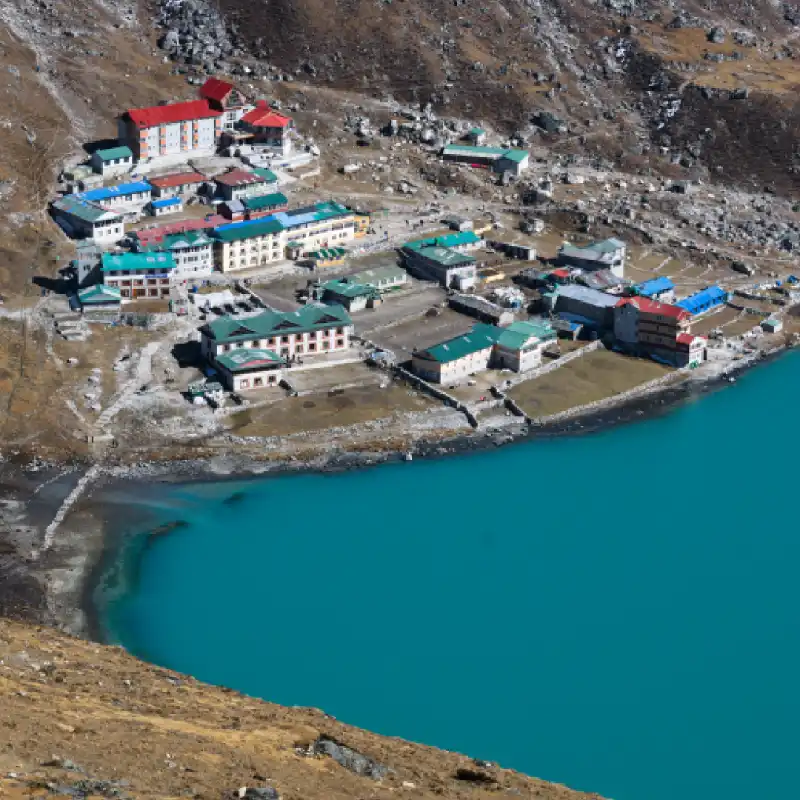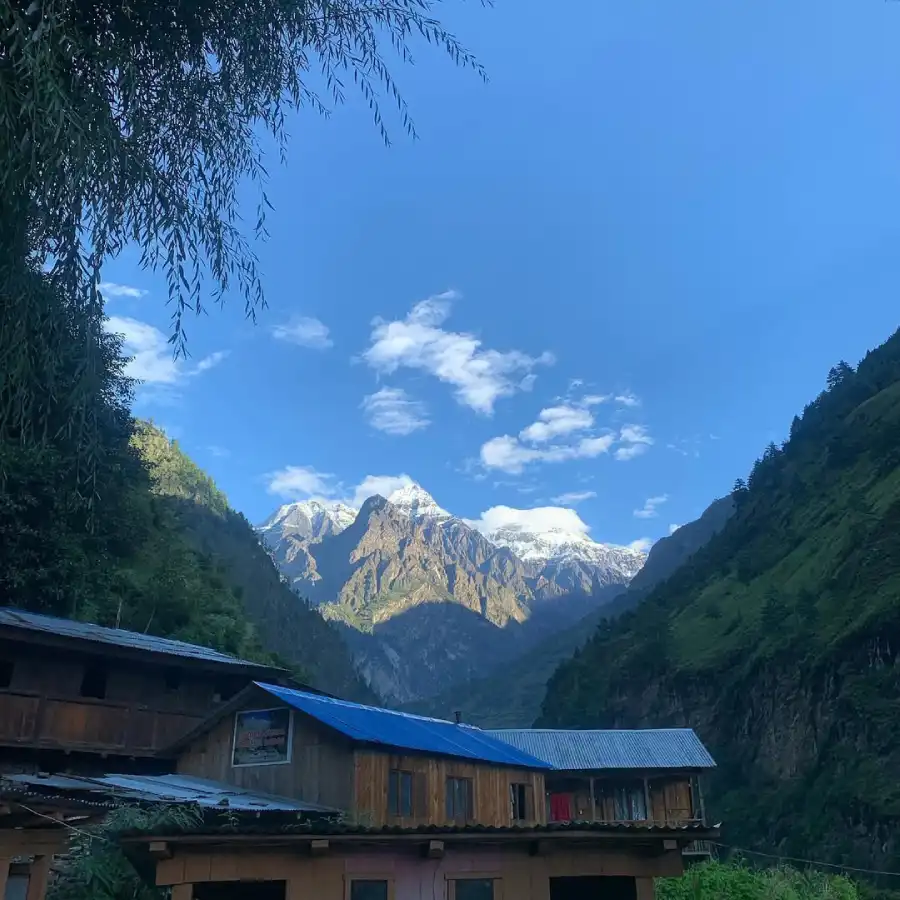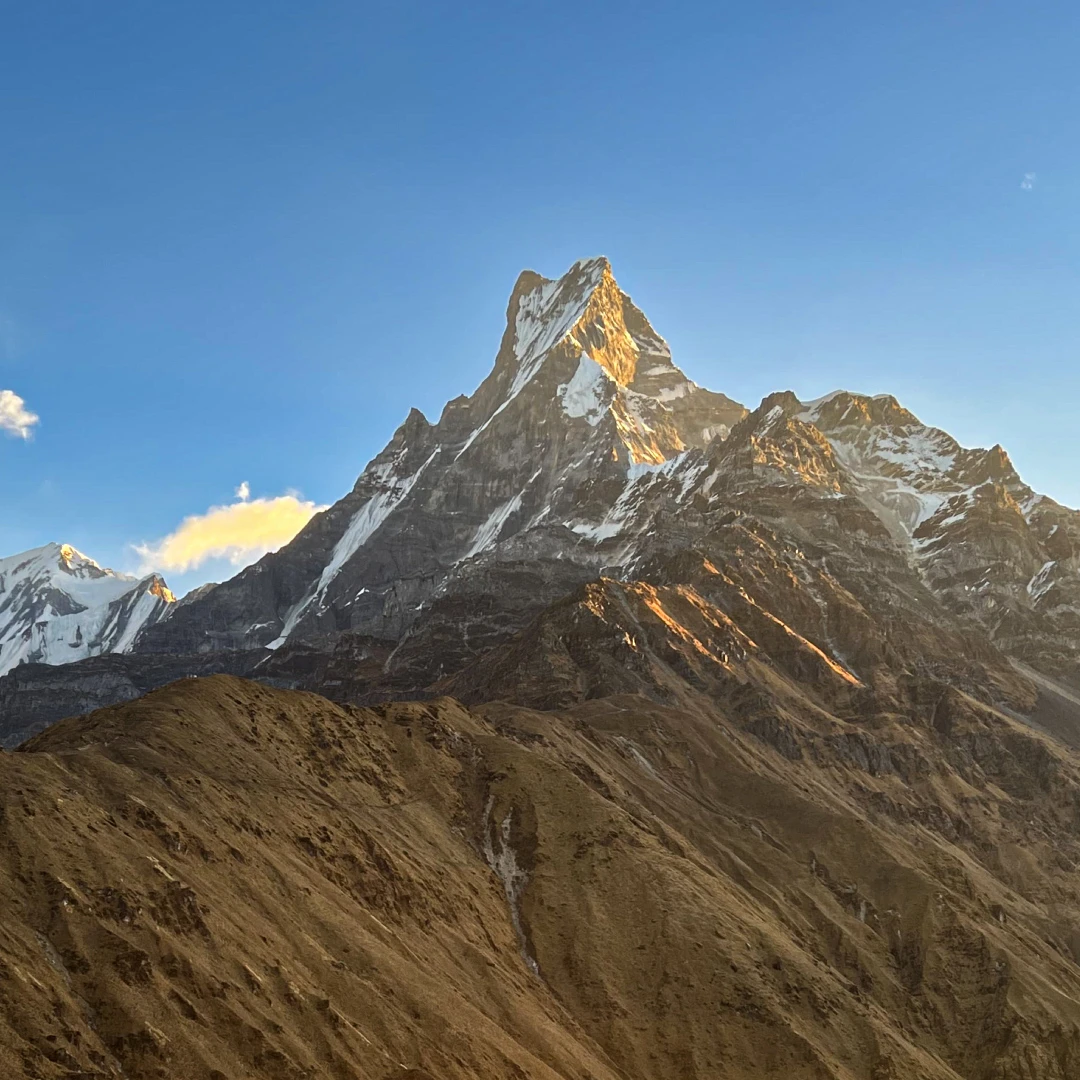
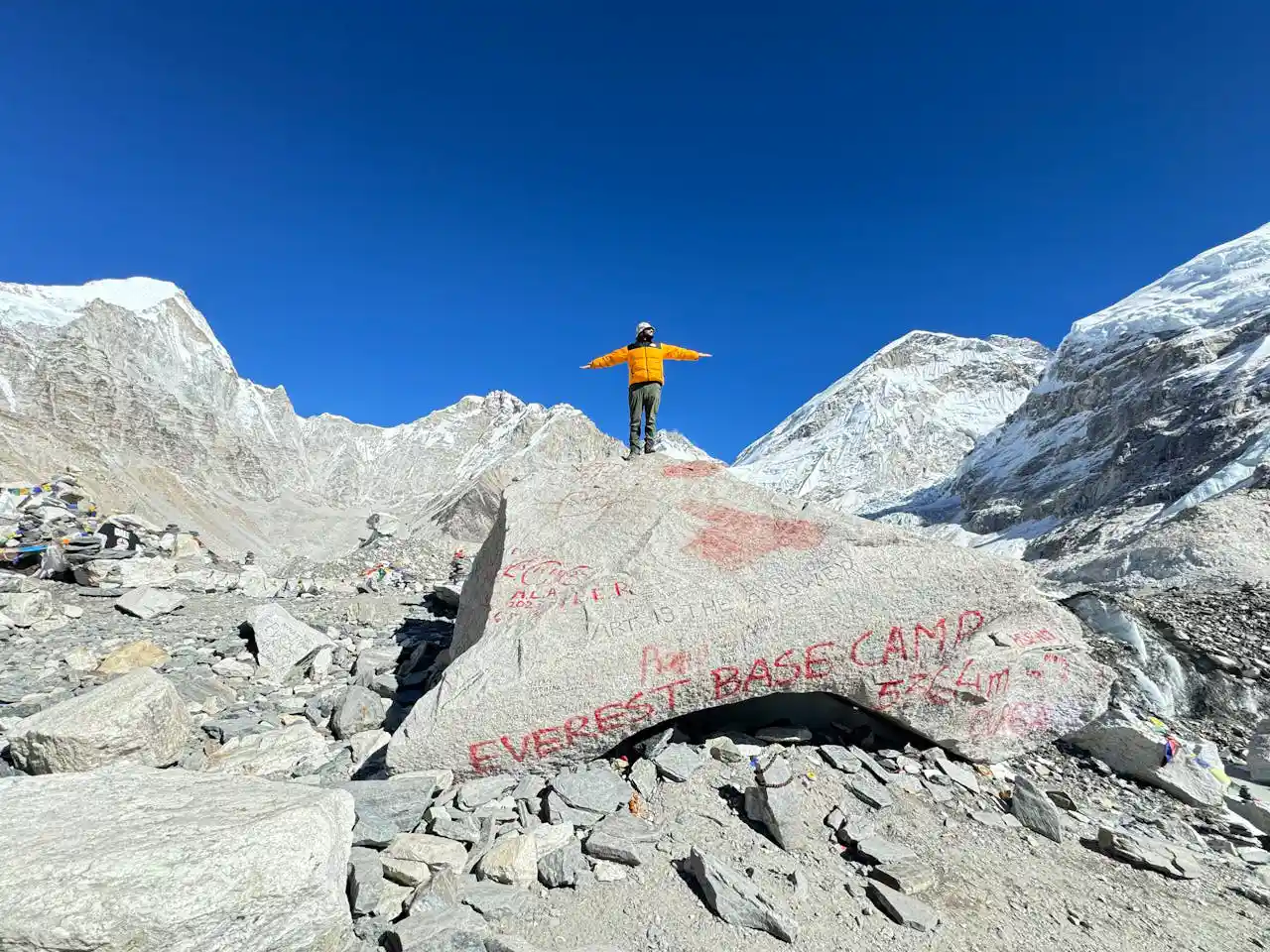
Stand at the iconic base camp of the world’s highest mountain, Mount Everest at 5,364m.
Enquire NowTrip Duration 15 Days starting from Kathmandu and ending at Kathmandu
Trip Grade Challenging
Group Size 1-20 pax
Max Height 5555m.
Best Season March - May, September - November
The Everest Base Camp Trek is one of the most iconic trekking trails, much talked about throughout the world. Situated in the Khumbu region of Nepal, the trek will take you to the very base of the world’s highest peak, Mount Everest (8,848 m / 29,029 ft).
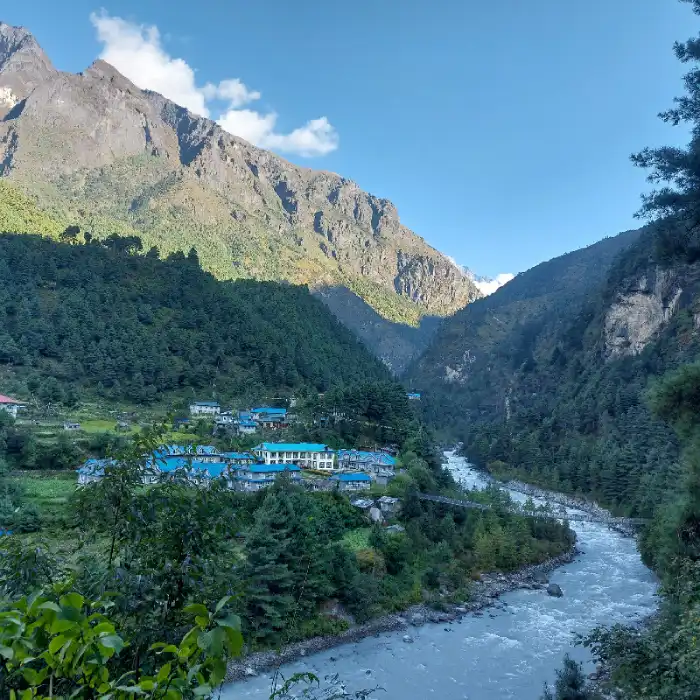
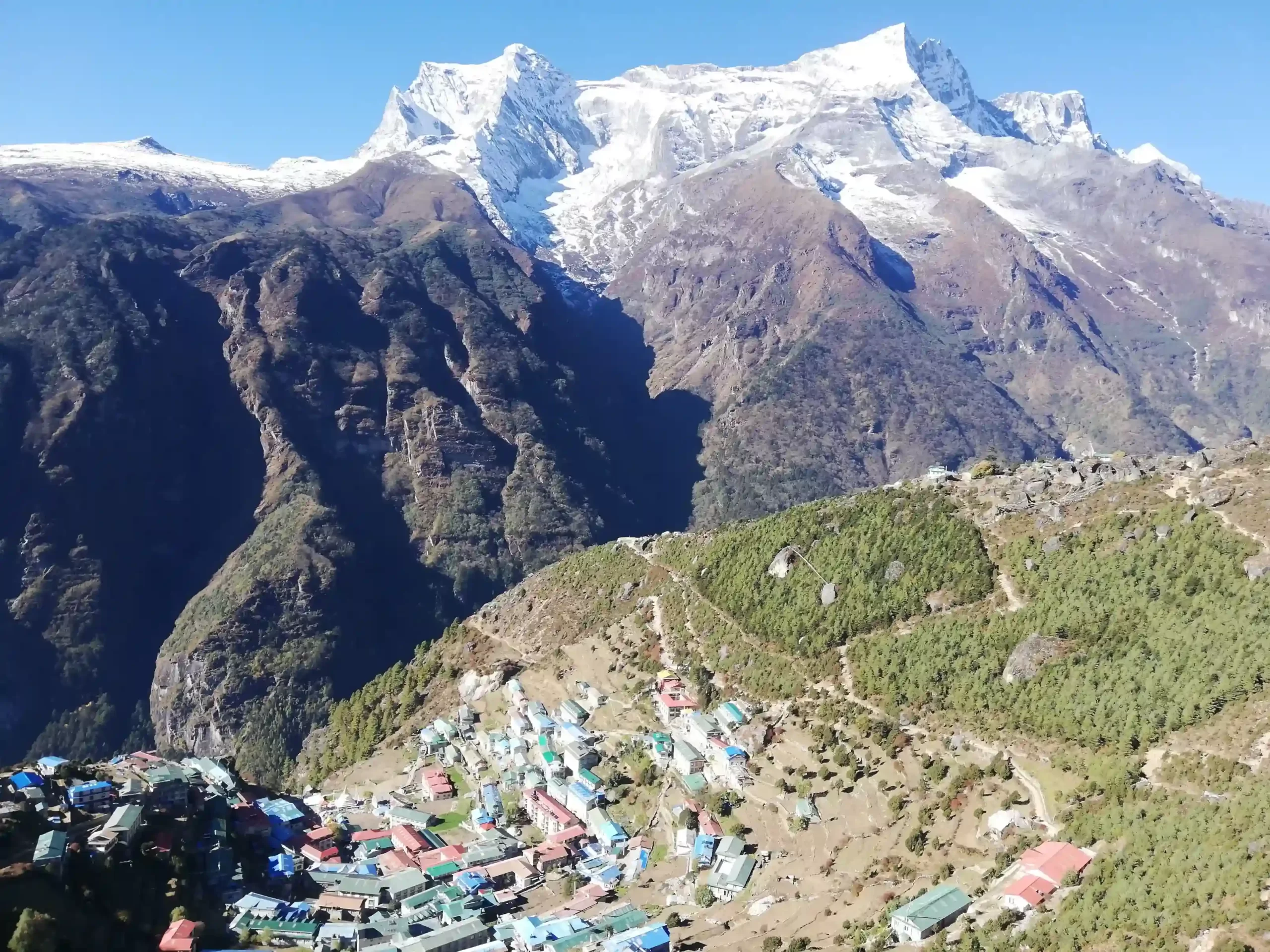
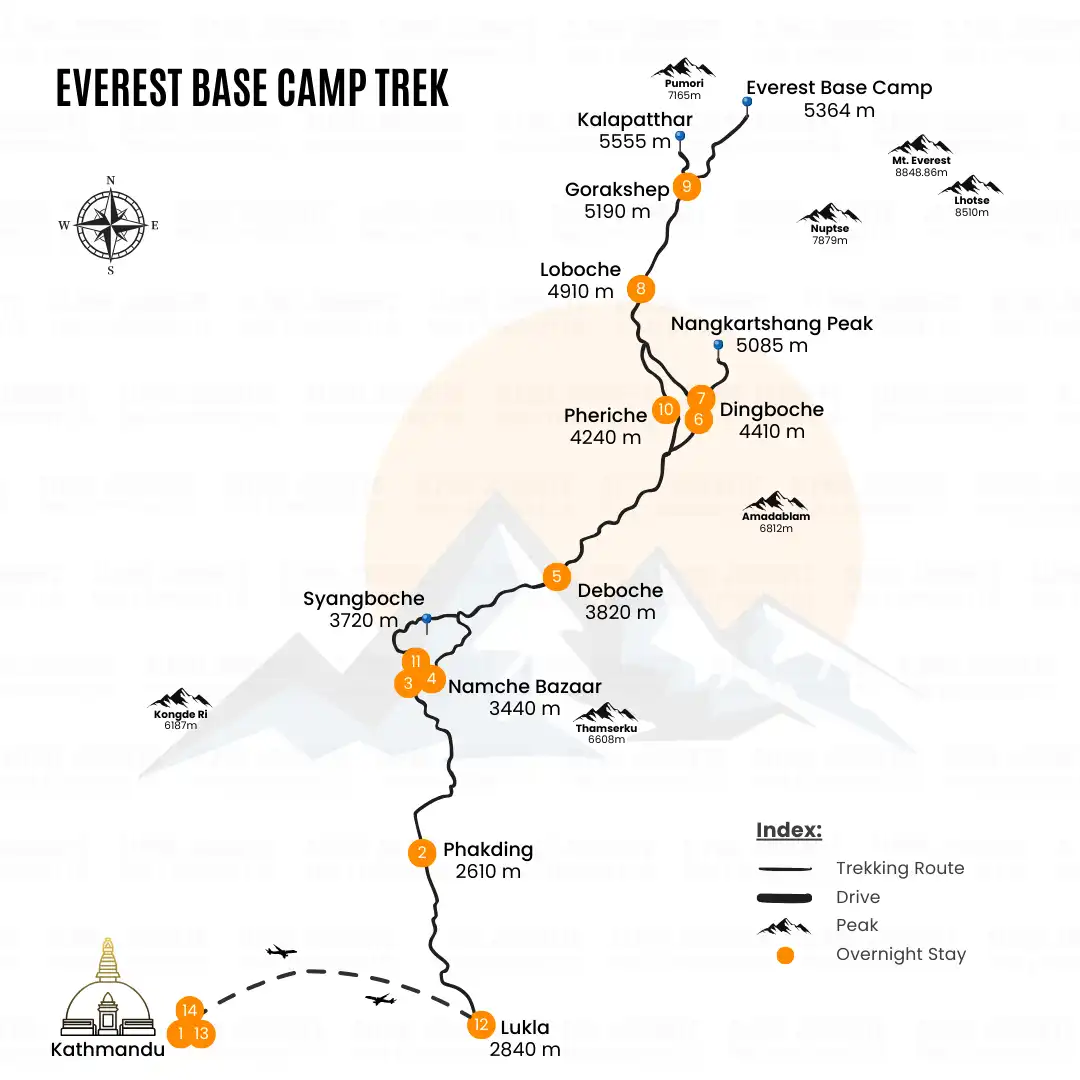
The trek begins from Lukla, where you descend to Phakding, following the Dudh Koshi River. The first day of trekking will be easy, allowing you to acclimatise to the altitude while enjoying the scenery. The next day, you will be gradually ascending to reach Namche Bazaar, the gateway of the Everest region. Namche Bazaar is a Sherpa town well known for its vibrant markets and hospitable local people, located at an altitude of 3440 meters.
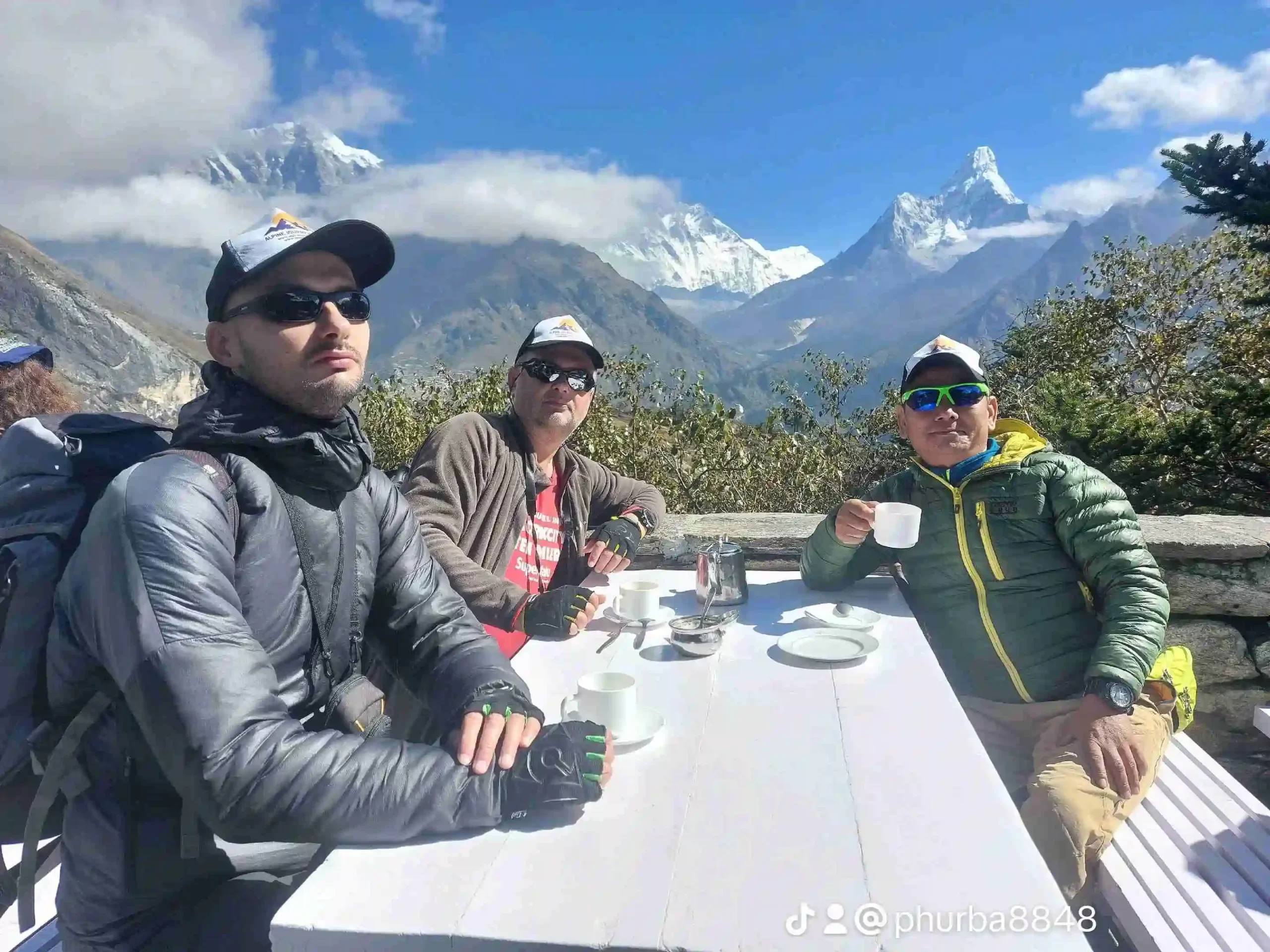
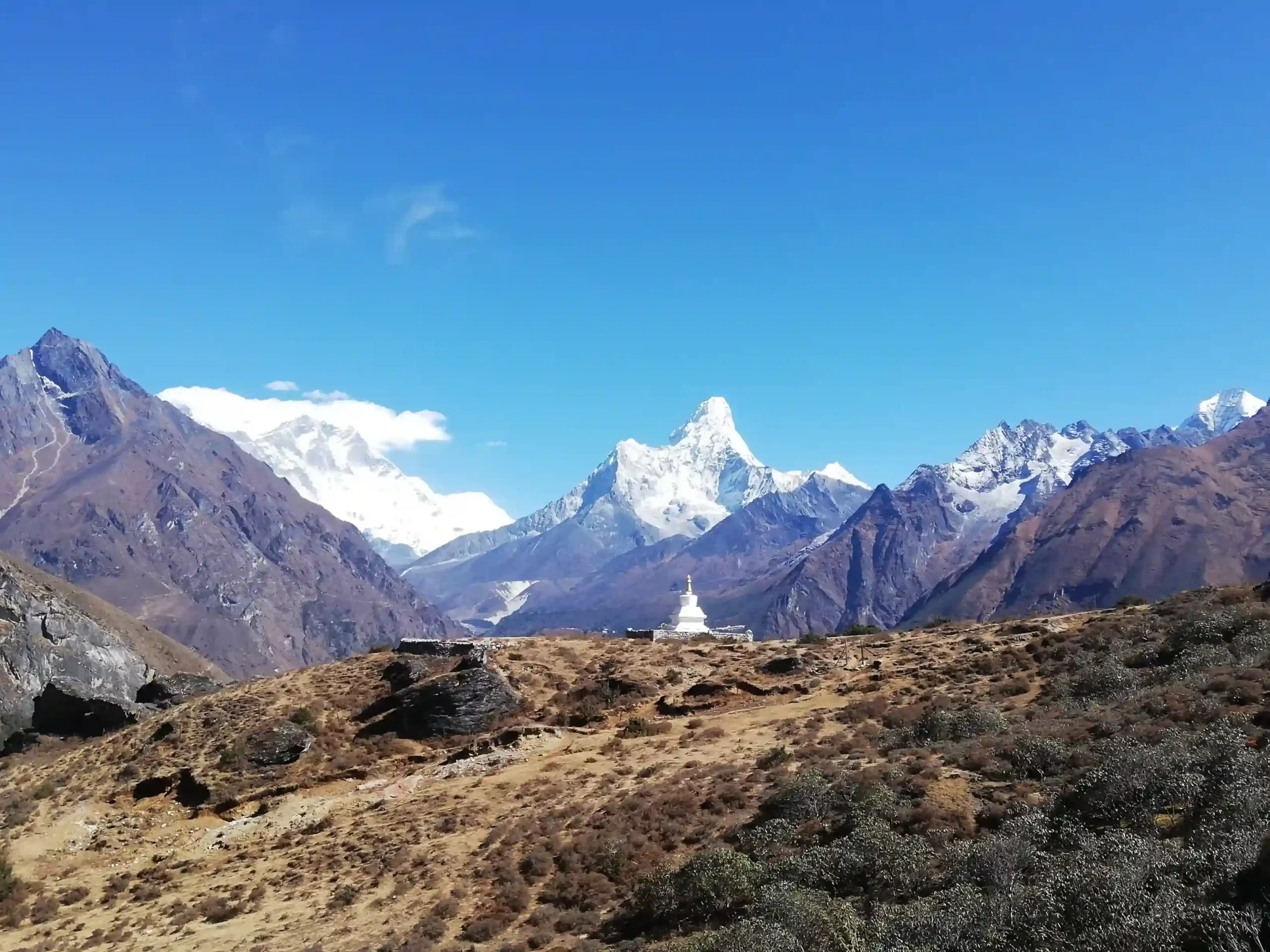
Here, you will be taking a rest or acclimatisation day, where you will be doing a day hike to Everest View Hotel to see the first glimpse of Everest, Lhotse, and Ama Dablam. Along the way, there are also other different places to visit, like Khumjung Monastery to see the famous yeti head scalp, Sagarmatha Next, Sherpa Museum, etc. You can discuss with your guide on the trip which places you want to visit, depending on your walking pace and time.
Likewise, from Namche Bazaar, you trek to Deboche by visiting the famous Tengboche Monastery along the way. It is the largest monastery in the Khumbu region, offering magnificent views of Mount Everest, Lhotse, and Ama Dablam. Continuing from Deboche, you will arrive at Dingboche. Here, we will have another rest day to adapt to the drastic altitude changes. On this day, you will be hiking to Nangkartshang Peak (5,121 m)
From Dingboche, the trail goes up to small settlements at Lobuche and finally reaches Gorak Shep, the last village before Everest Base Camp. It stands at 5,164 meters and offers an exceptional view over the Khumbu Glacier and neighbouring peaks.
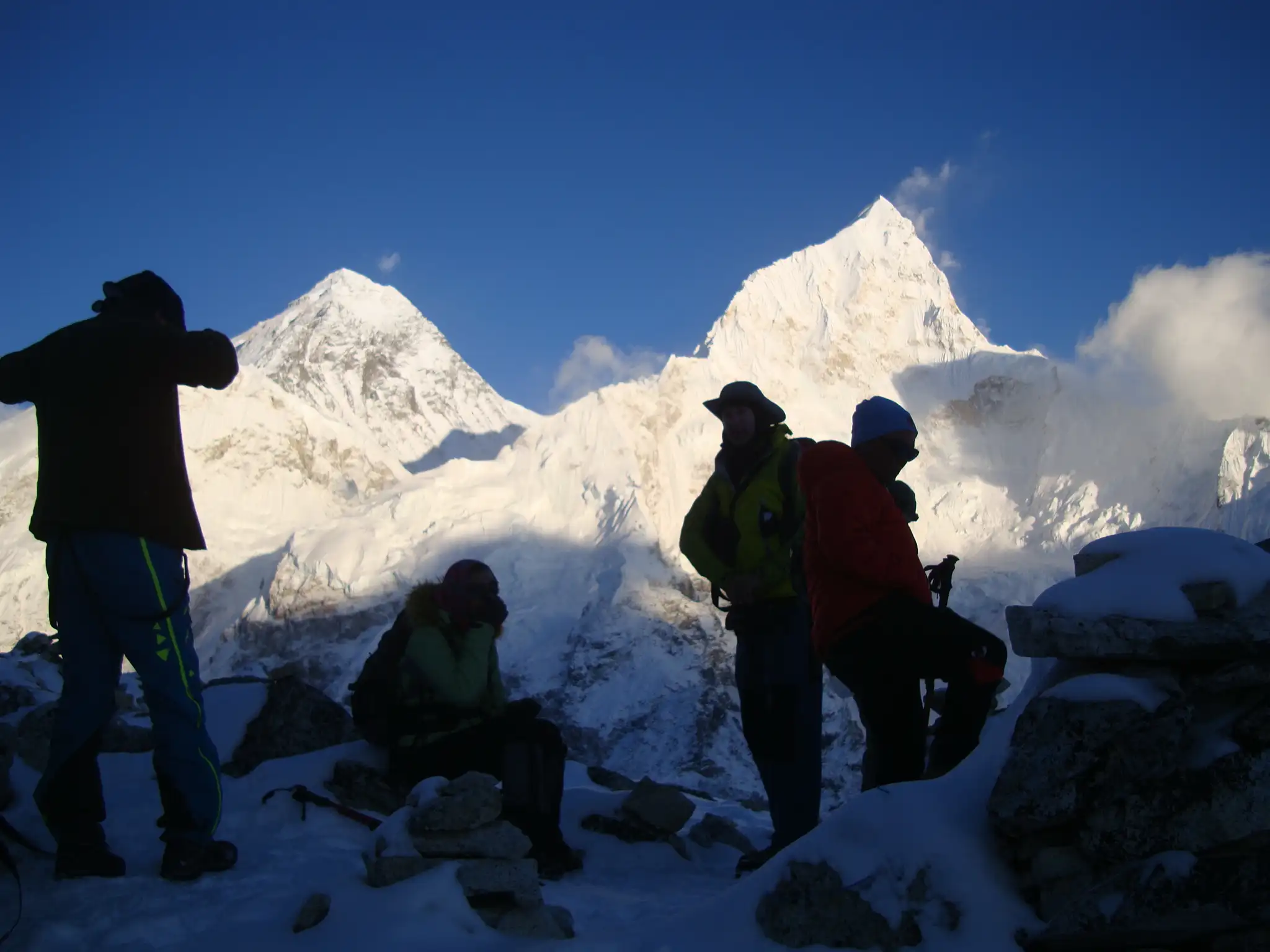
After a short rest at the lodge in Gorakshep, you will be hiking to Everest Base Camp, 5,364 meters, and then return back to Gorakshep. The next morning, you will be hiking up to Kala Patthar to watch a sunrise in the himalayas. Kala Patthar is an iconic viewpoint at 5,555 meters that provides some of the finest views of Mount Everest and the surrounding Himalayan range.
On the same day, you will descend to Pheriche, a scenic Sherpa village at an altitude of 4,240 m. Having left Pheriche, the trail then descends back down to Namche Bazaar, ultimately completing our trek by reaching Lukla, where the trek itself begins.
The Everest Base Camp Trek concludes with a thrilling 20-minute flight from Lukla back to Ramechhap. Here, one of our private tourist vehicles will be ready to return you to Kathmandu in a scenic 4-5 hour drive.
The Everest Base Camp Trek is a challenging but rewarding adventure that requires proper preparation and acclimatisation. The trek offers a unique opportunity to experience the cultural heritage and lifestyle of the local Sherpa people in the Himalayas and witness the breathtaking beauty of the world’s highest mountain.
Alpine Journeys Treks has been continuously organising trekking in the Everest region, with the best service in the industry. You can confidently book a trek with us with your ideas and plans. Our every trek itinerary is fully customisable as per your needs and interests.
Included Meals
Included MealsBreakfast, Lunch and Dinner
Included MealsBreakfast, Lunch and Dinner
Included MealsBreakfast, Lunch and Dinner
Included MealsBreakfast, Lunch and Dinner
Included MealsBreakfast, Lunch and Dinner
Included MealsBreakfast, Lunch and Dinner
Included MealsBreakfast, Lunch and Dinner
Included MealsBreakfast, Lunch and Dinner
Included MealsBreakfast, Lunch and Dinner
Included MealsBreakfast, Lunch and Dinner
Included MealsBreakfast, Lunch and Dinner
Included Meals
Included MealsBreakfast and Farewell Dinner
Included MealsBreakfast
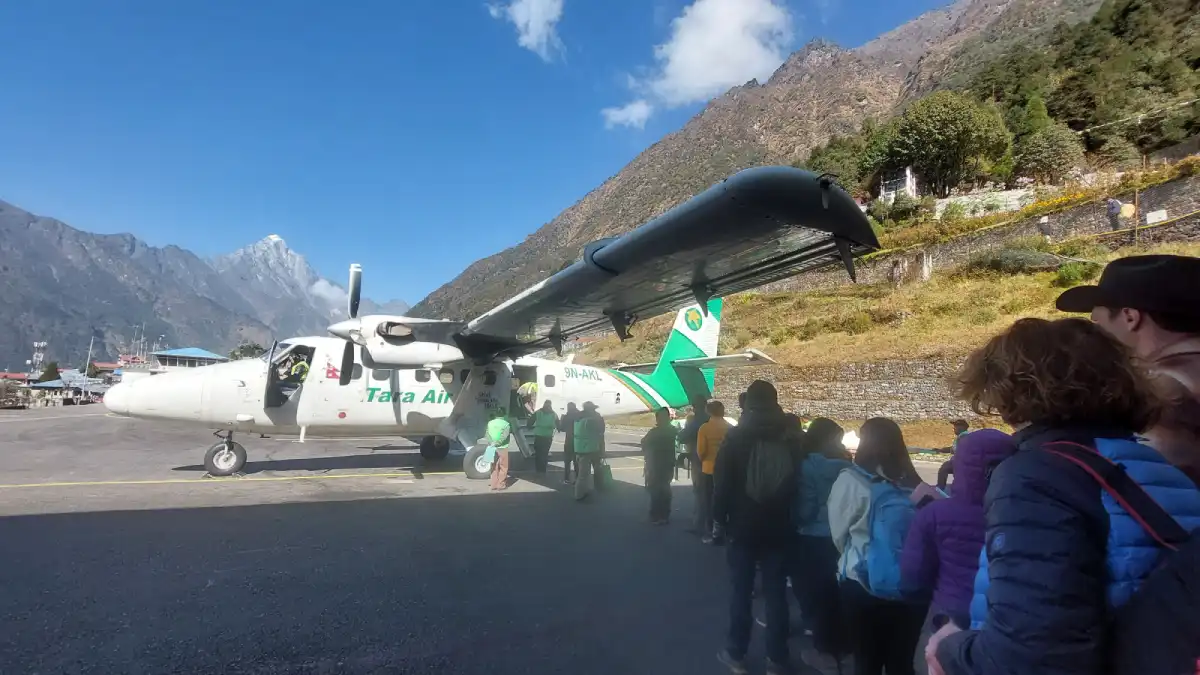
The Lukla flight may have an impact on your entire trekking plan. Due to increased air traffic in Kathmandu during peak seasons, the service will operate from Manthali Airport, Ramechhap district. However, flights are operated from Kathmandu in the nonpeak seasons. Flights can be delayed because of the bad weather, crowded traffic, unmanaged runways, and topographical challenges. Hence, it is recommended to arrange an additional 1-2 days to avoid the stress of flight delays when trekking in the Everest region. Also, we offer helicopter flight service directly from Kathmandu to Lukla for an additional fee of USD 500 per person (on a five-person sharing basis), thus avoiding the long drive to Manthali airport during peak seasons.
Yes. Every trekker entering the Everest region requires two mandatory permits: the Sagarmatha National Park Entry Permit costing NPR 3,000 (approximately USD 23) per person and the Khumbu Pasang Lhamu Rural Municipality Entry Permit costing NPR 2,000 (approximately USD 15) per person. A TIMS card (Trekkers' Information Management System) was previously required but has been replaced by the rural municipality permit for the Everest region. All permits can be arranged in Kathmandu or at checkpoints en route.
The Everest Base Camp Trek is rated moderate to challenging. While it does not require technical mountaineering skills, the combination of high altitude (reaching 5,364m at base camp), long daily walking hours of 5–7 hours, consecutive days of trekking, and cumulative physical demands make it a serious undertaking. A good level of cardiovascular fitness, mental resilience, and respect for altitude are essential for a safe and enjoyable experience.
The classic Everest Base Camp Trek reaches its highest point at Kala Patthar (5,644m) — a rocky summit above Gorak Shep offering the most celebrated panoramic view of Mount Everest (8,848m) available to non-climbers. Everest Base Camp itself sits at 5,364m. Most itineraries include both destinations on the same day or on consecutive days for the complete Everest experience.
Prior trekking experience is highly recommended but not strictly essential for reasonably fit individuals. Completing shorter high-altitude treks such as the Ghorepani Poon Hill Trek (3,210m) or Langtang Valley Trek (3,870m) beforehand is excellent preparation. Regular cardiovascular exercise — running, cycling, swimming, or hiking — in the months leading up to your trek significantly improves your chances of successfully reaching Everest Base Camp.
The two best seasons are March–May (spring) and September–November (autumn). Spring is the most popular season, with rhododendron blooms in the lower valleys, warming temperatures, and the excitement of Everest climbing season visible from base camp. Autumn offers exceptionally stable weather, crystal-clear mountain views, and slightly less crowded trails than spring. Both seasons provide ideal conditions for reaching Everest Base Camp safely.
The classic Everest Base Camp Trek begins and ends at Lukla (2,860m), accessible via a 35-minute mountain flight from Kathmandu. The flight to Lukla lands at Tenzing-Hillary Airport — famously considered one of the world's most thrilling and challenging airport landings. From Lukla, the trail follows the Dudh Koshi River valley northward through Phakding, Namche Bazaar, Tengboche, Dingboche, Lobuche, and Gorak Shep to Everest Base Camp.
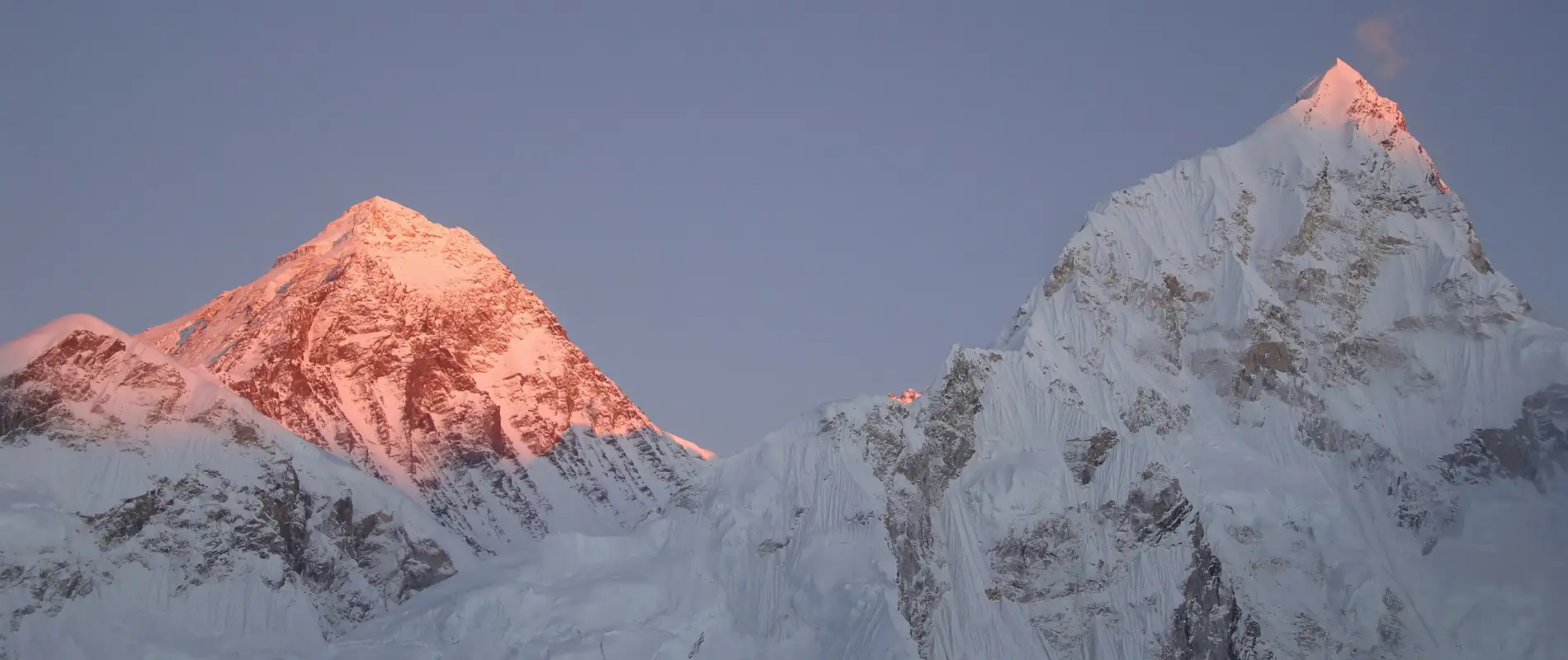
Kala Patthar (5,644m) is a rocky peak above Gorak Shep that offers the finest and most iconic view of Mount Everest available to non-climbers anywhere in the world. From Everest Base Camp itself, Everest's summit is partially obscured by the Khumbu Icefall and surrounding ridges. From Kala Patthar, the full southwest face of Everest is dramatically visible, along with Lhotse, Nuptse, Changtse, and the entire Khumbu glacier panorama. Most trekkers summit Kala Patthar at sunrise for the golden light on Everest's peak — an experience described by virtually every trekker as the single greatest moment of the entire journey.
While not legally required, comprehensive travel insurance is absolutely essential for the Everest Base Camp Trek. Your policy must cover high-altitude trekking above 6,000m (to cover Kala Patthar at 5,644m with adequate buffer), emergency helicopter evacuation, and full medical expenses. Helicopter evacuations from the Khumbu region due to altitude sickness, injury, or illness are extremely common and can cost USD 3,000–USD 8,000 or more. Never trek to Everest Base Camp without confirmed insurance coverage.
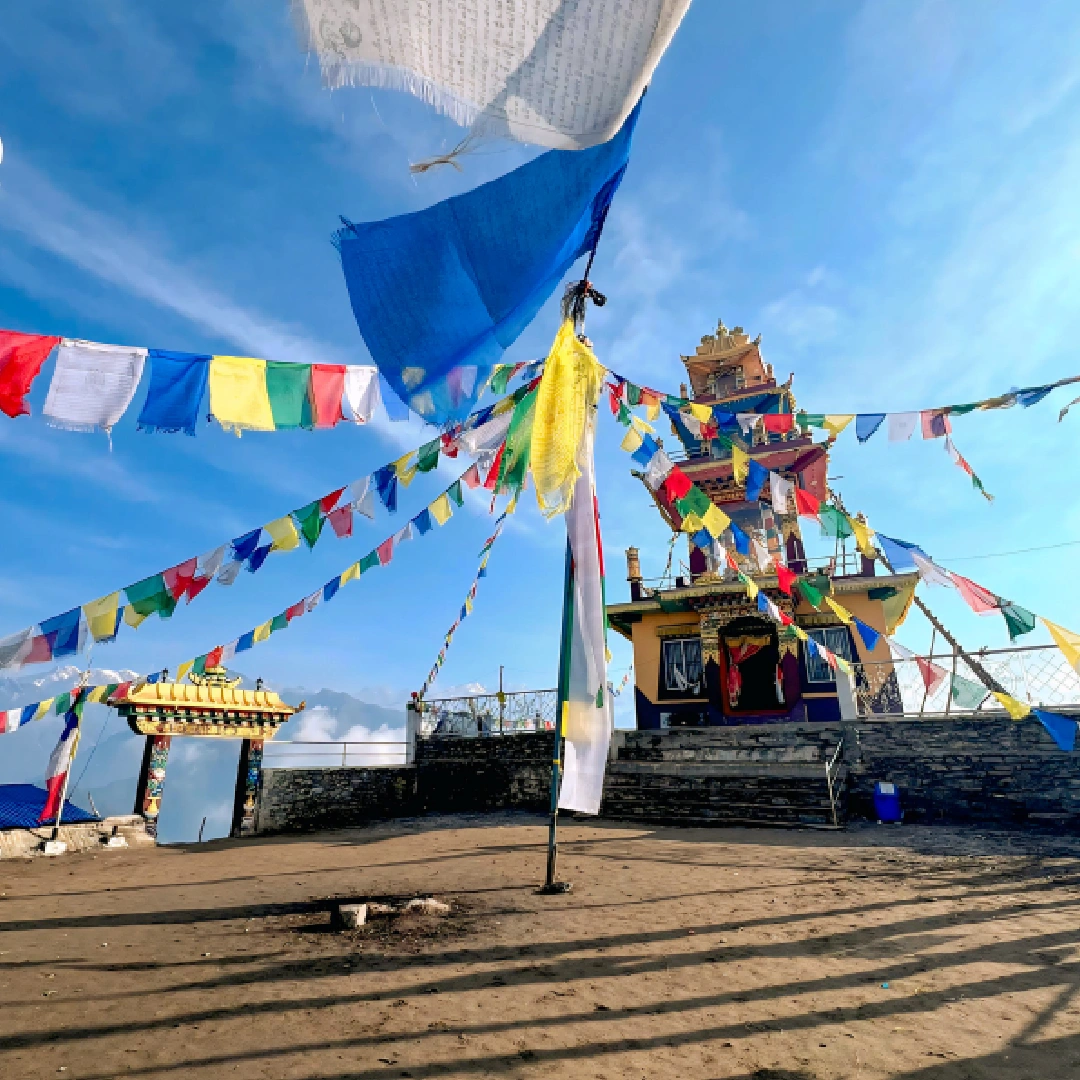
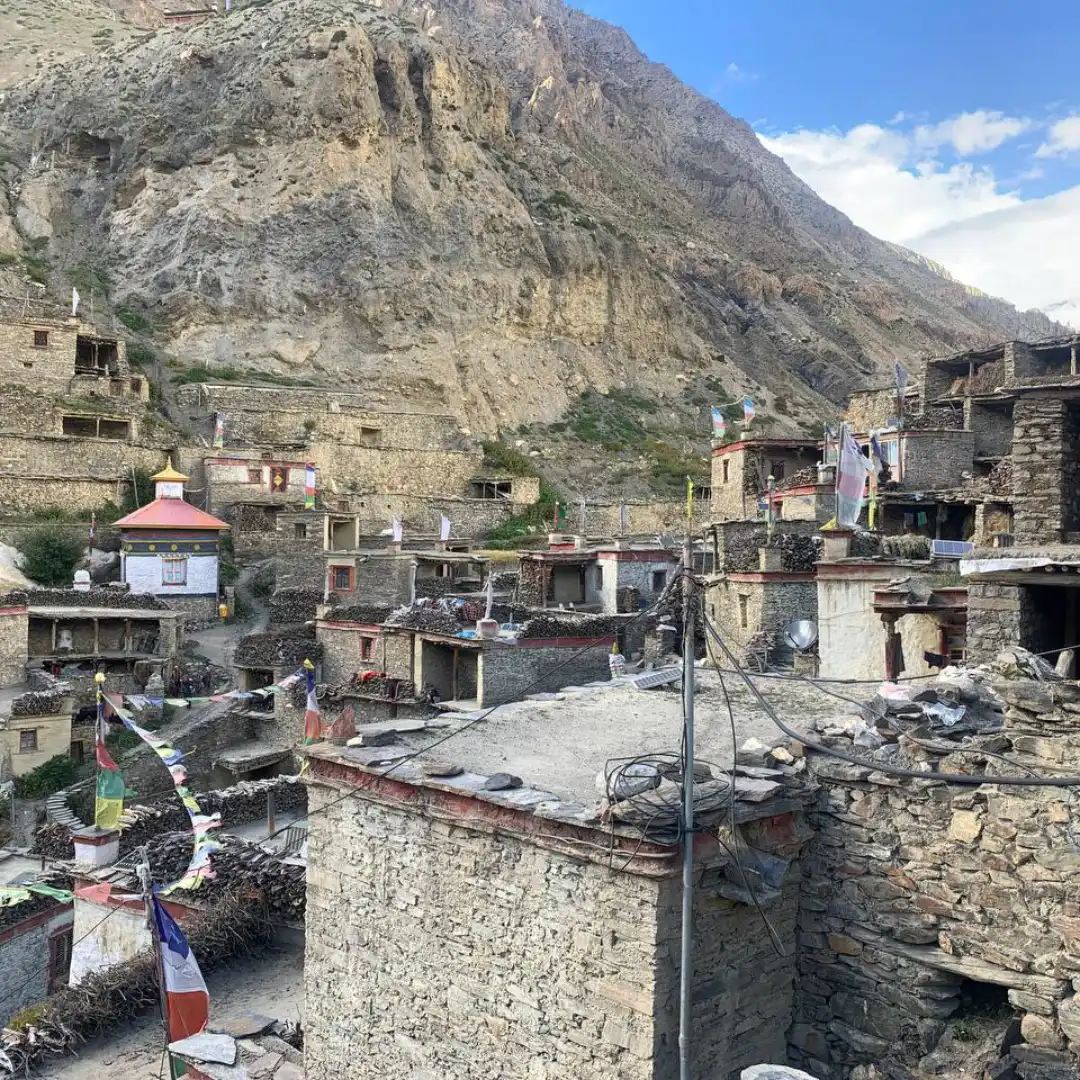
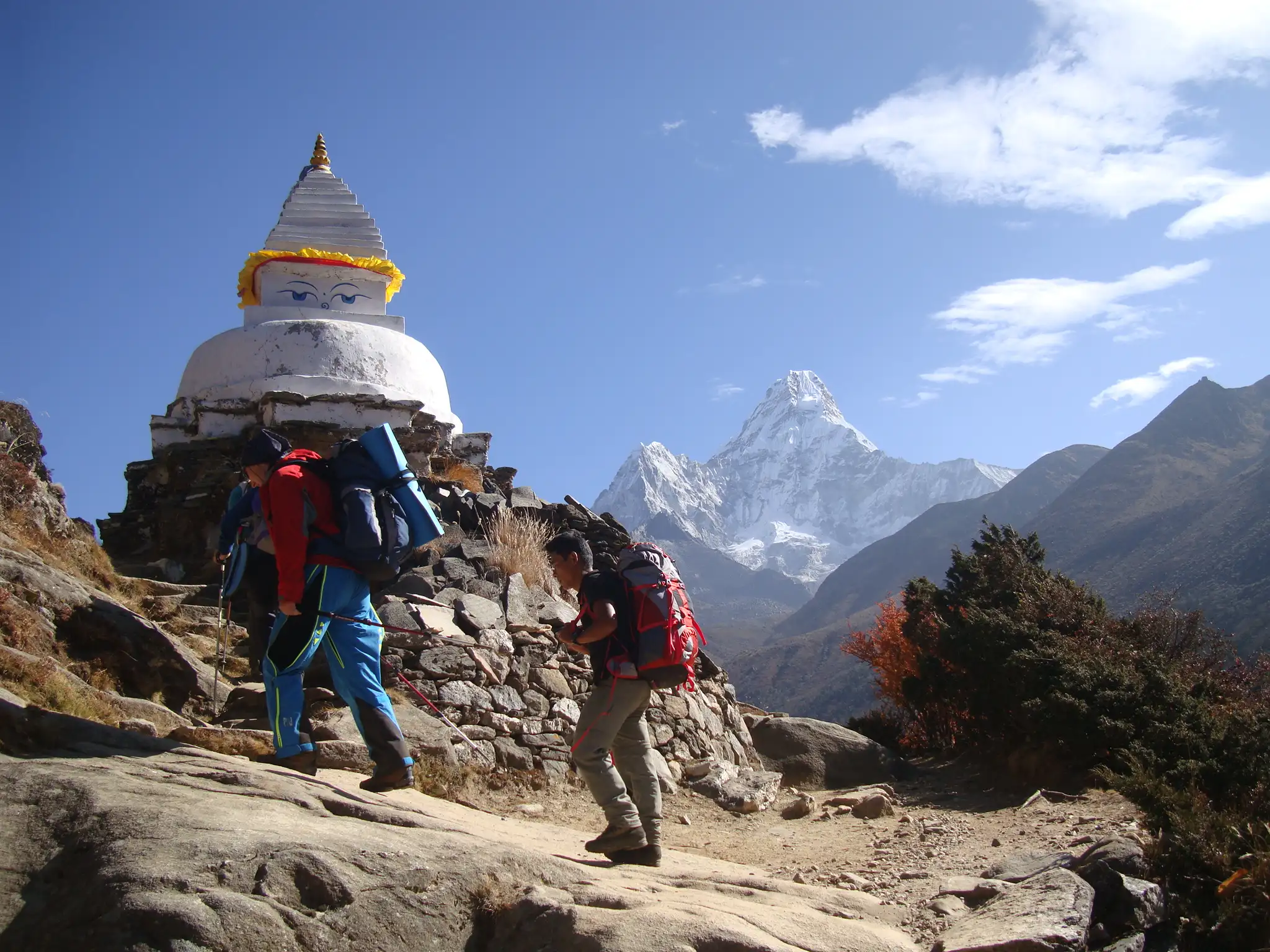
The Everest Base Camp Trek is as much a profound cultural journey through Sherpa Buddhist civilization as it is a physical adventure. The Khumbu region is the ancestral homeland of the Sherpa people — renowned worldwide for their extraordinary high-altitude skills, warmth, and deep Tibetan Buddhist faith. Along the trail, you pass through villages adorned with mani walls, prayer flags, chortens, and ancient gompas. Visiting Tengboche, Pangboche, and Khumjung monasteries, observing daily puja ceremonies, and sharing meals with Sherpa families offer genuinely moving cultural encounters that many trekkers describe as the most meaningful aspect of the entire journey
Trip Duration 15 Days starting from Kathmandu and ending at Kathmandu
Trip Grade Challenging
Best Season March - May, September - November
Or
The combination of the magical Nar Phu Valley and the classic high-alt
Far up and away in the remote west of Nepal, the Api Base Camp Trek un
Makalu Base Camp Trek is truly an unforgettable adventure, covering so
The Jiri to Everest Base Camp Trek follows the classic route taken by
The Ama Yangri Trek is one of the popular short treks located in the H
Manaslu Circuit Trek is one of the most beautiful trekking experiences
Winding through the Langtang area near the Tibetan frontier, the Taman
The Langtang Valley Trek is an amazing journey into the heart of the L
Kanchenjunga Base Camp trek is known as the hidden gem among the trekk
The Everest Base Camp with Gokyo Lake trek is an extraordinary adventu
The Nar Phu Valley Trek is a hidden gem situated in the Annapurna regi
The Mardi Himal Trek is a perfect trek that offers a wonderful balance
While the classic Annapurna Circuit continues to be one of the world’s
Ghorepani Poon Hill Trekking is most popular who have limited time for