Trip Duration Days starting from and ending at
Trip Grade Moderate
Group Size 2-16 pax
Best Season
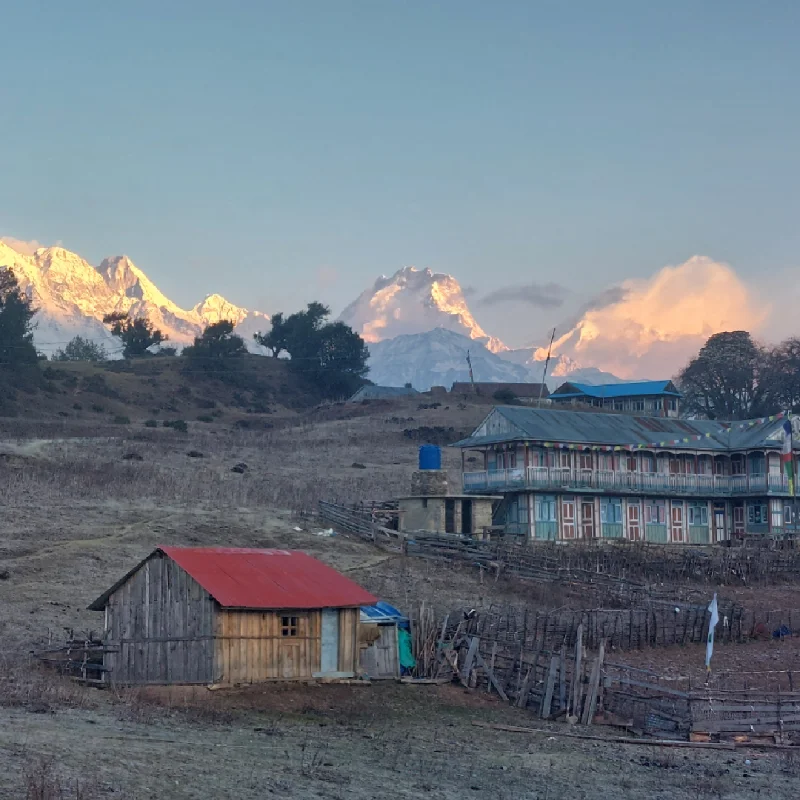
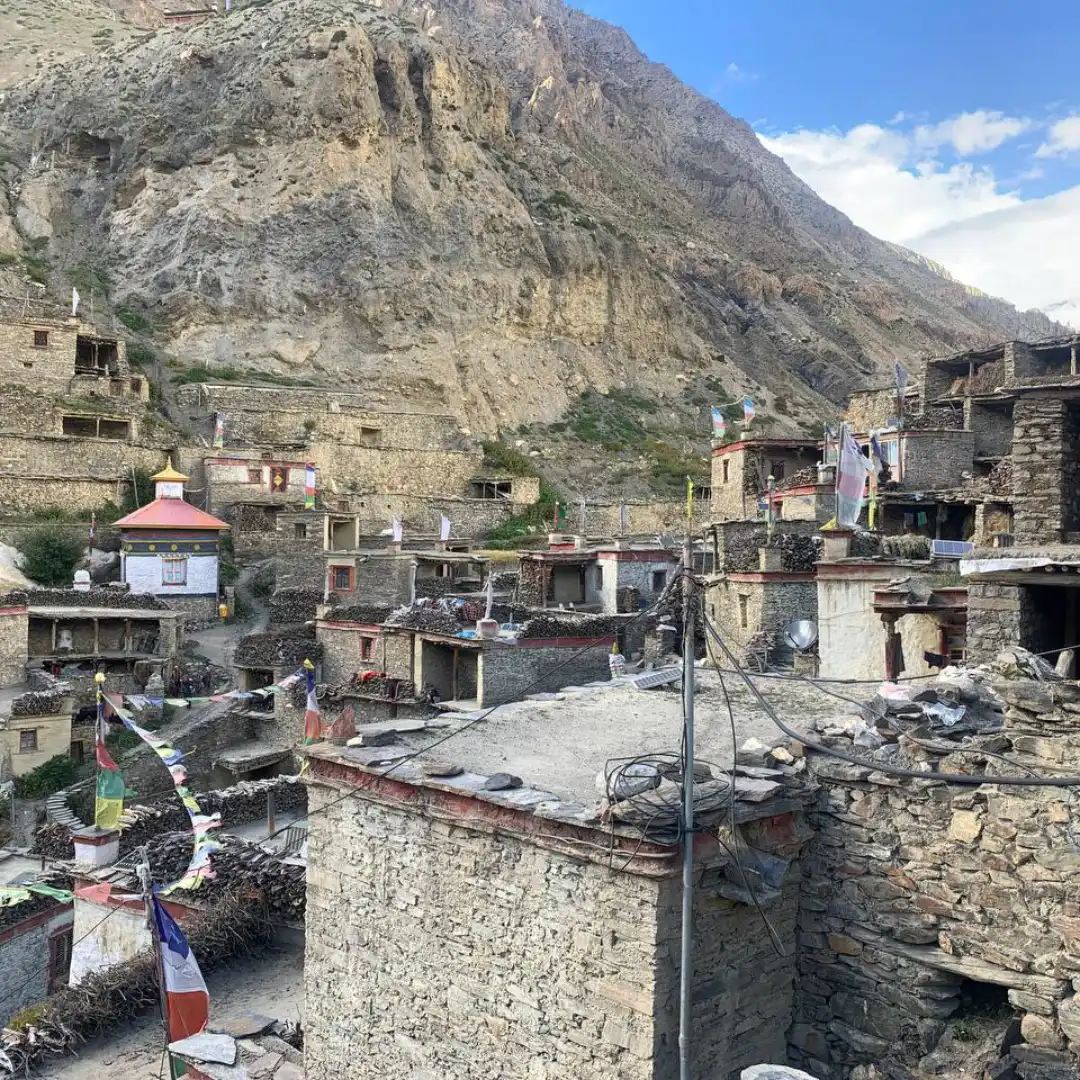
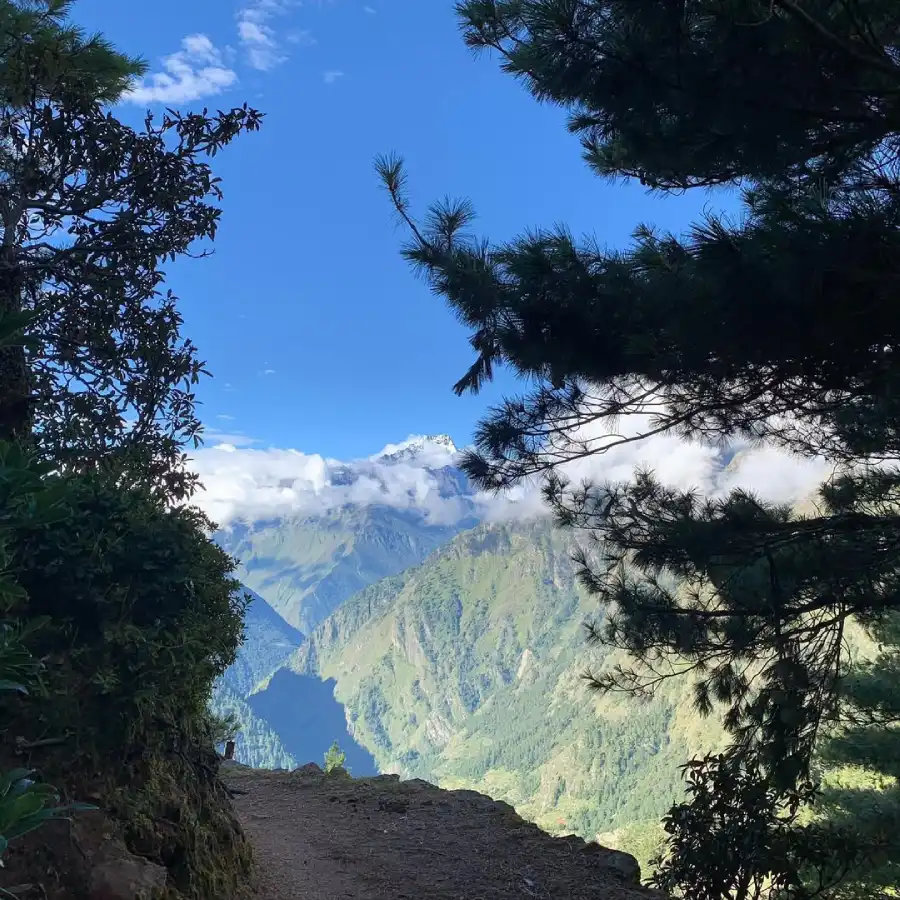
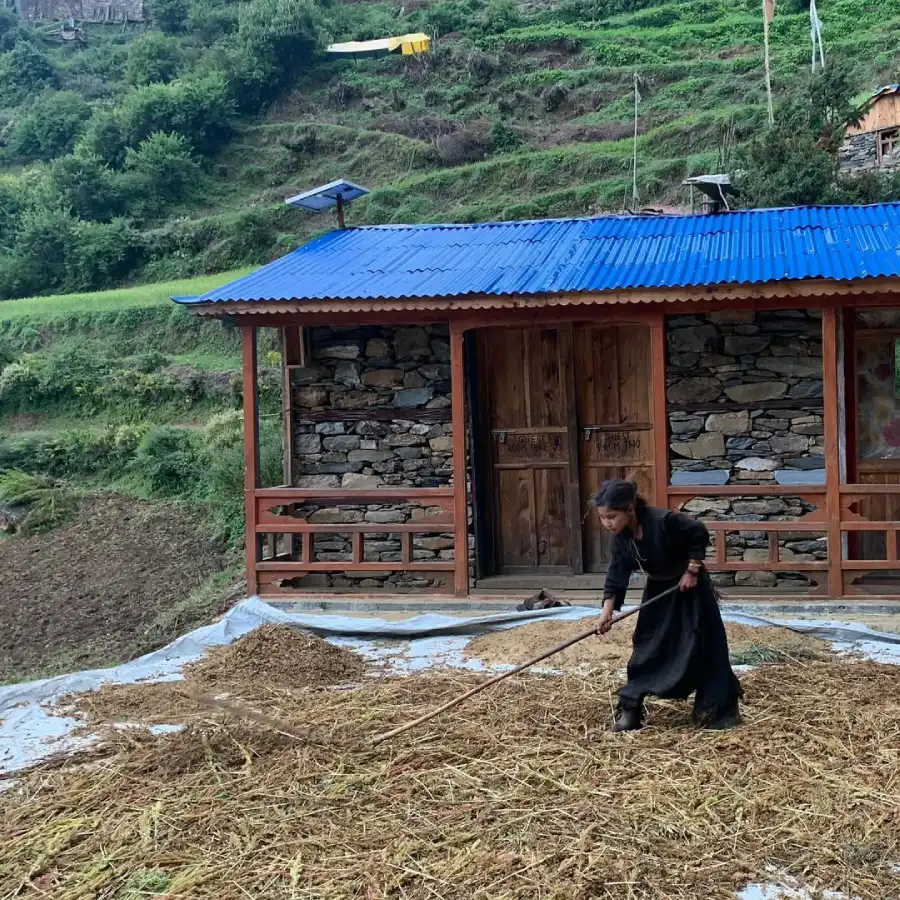
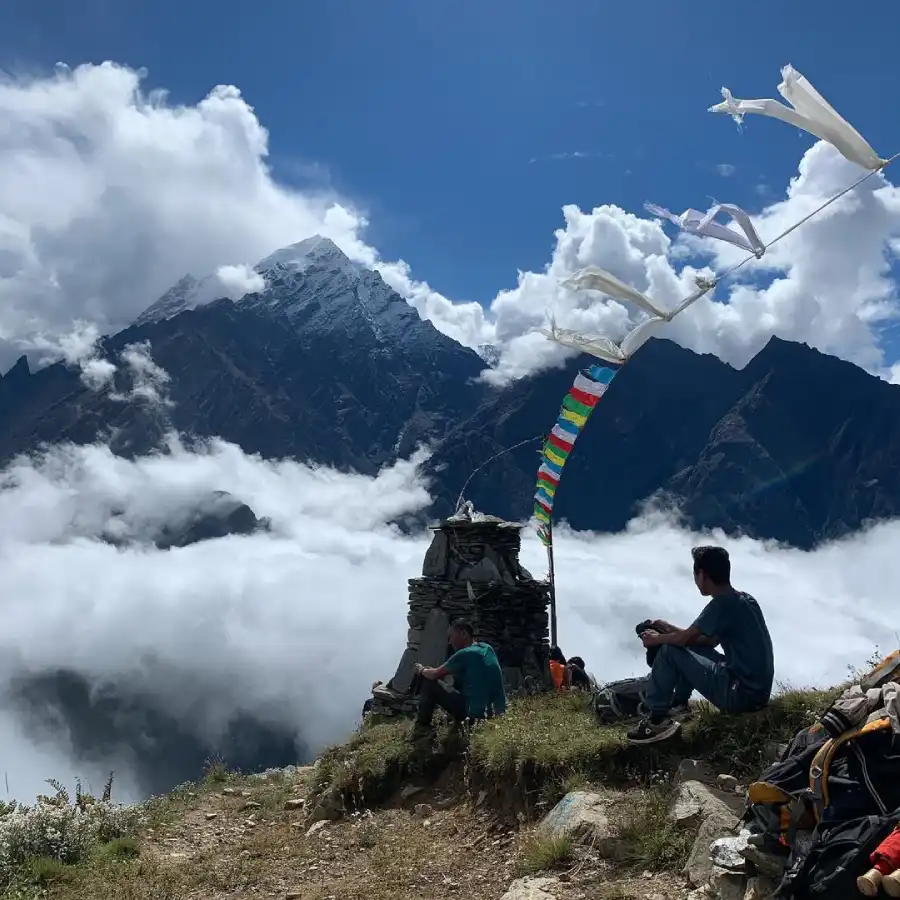
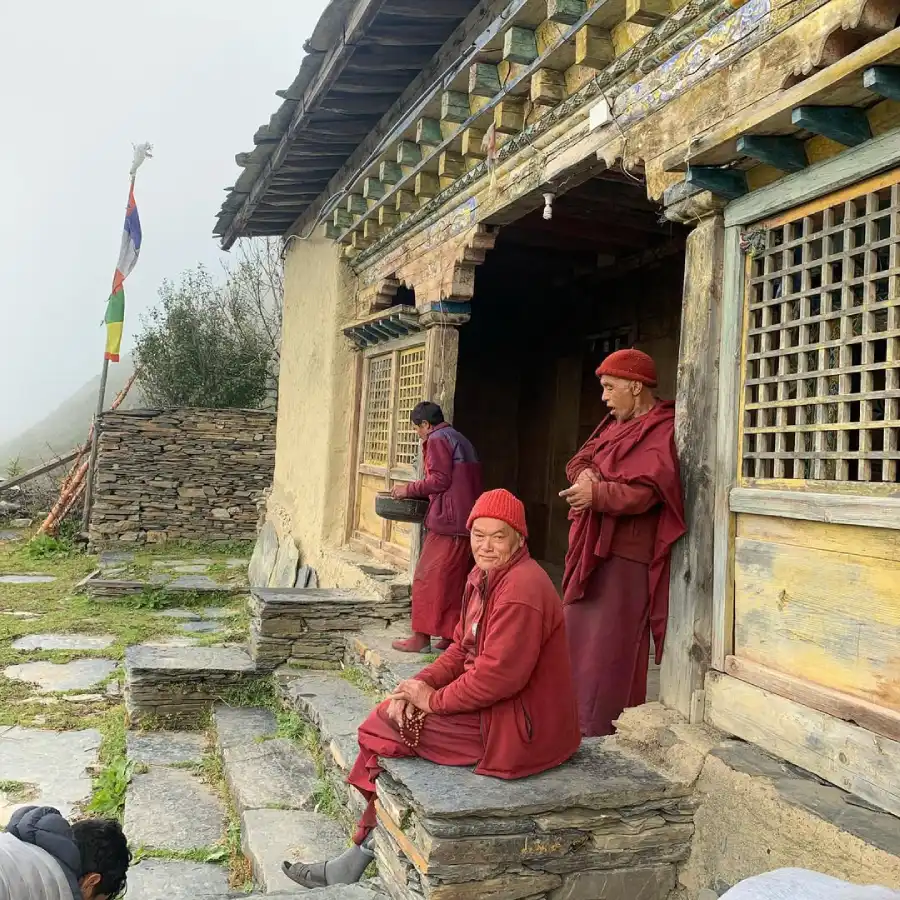
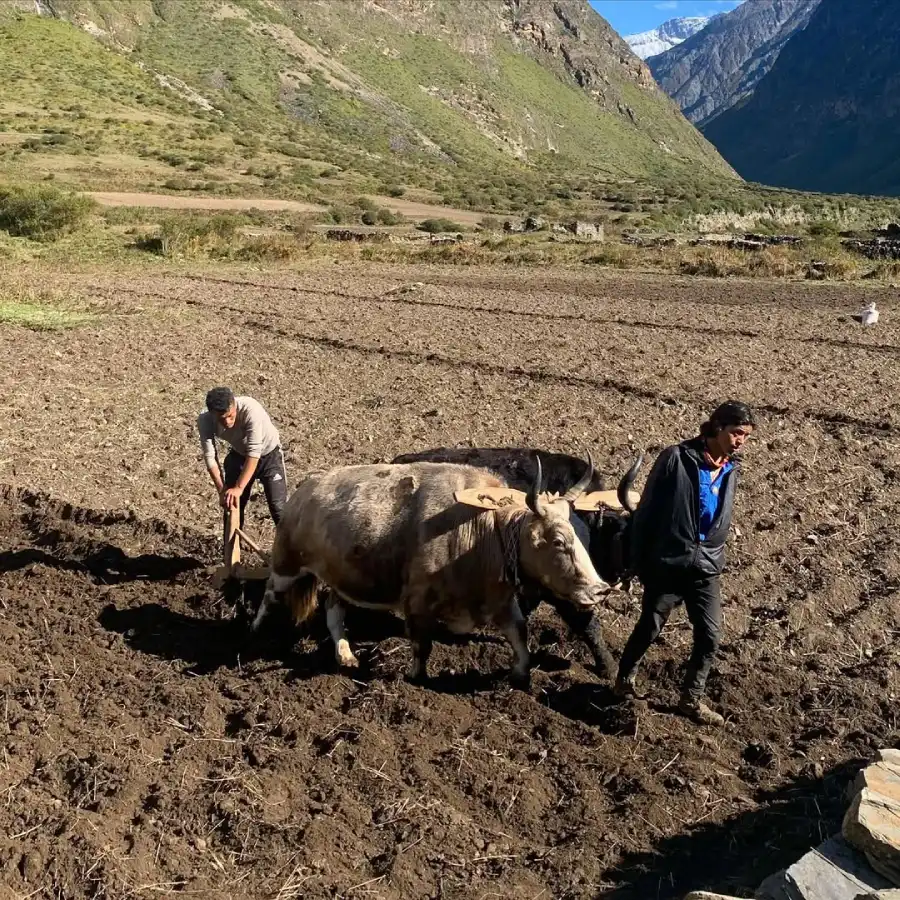
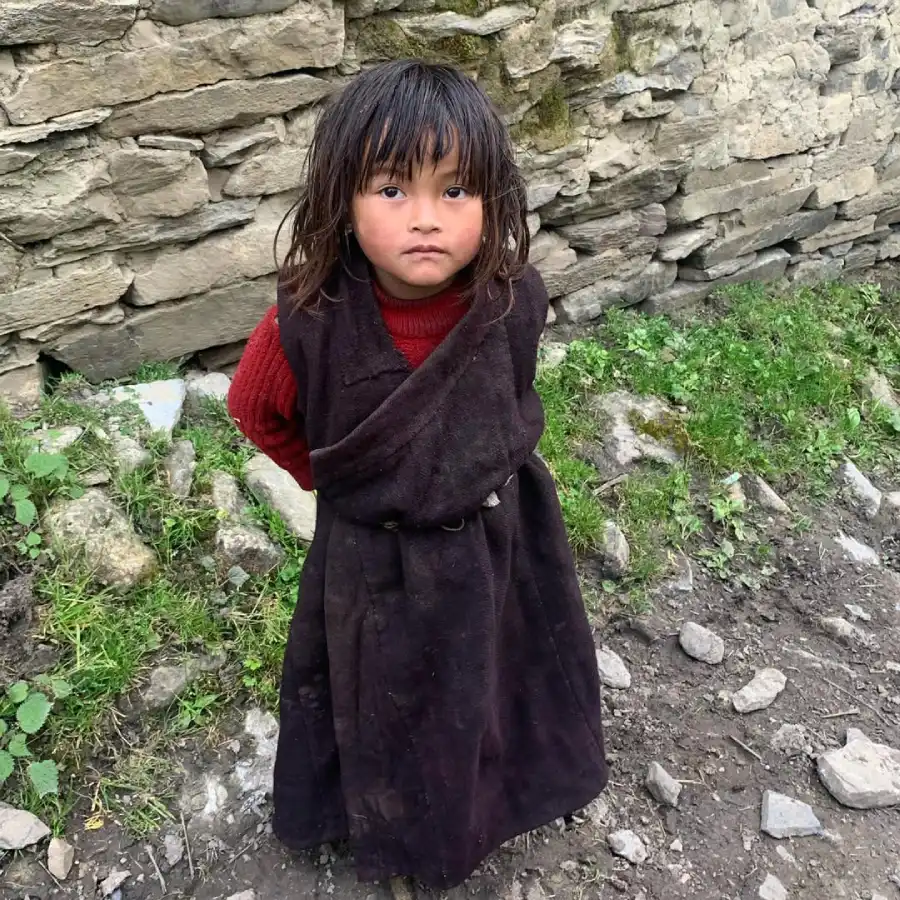
Hidden among Nepal’s Himalayas, the Tsum Valley Trek unfolds through quiet trails far from busy paths like Everest Base Camp or Annapurna Circuit making it a truly off the beaten path Nepal trek. Only after 2008 did outsiders gain access to Tsum Valley Nepal this place had stayed shut, protected by rule and remoteness. Because of its delayed opening, old ways still shape daily life here, rooted deeply in authentic Tibetan culture. Stone-built monasteries appear around bends, alongside rows of carved prayer stones and stacked chortens marking sacred ground. Buddhist customs run strong, unchanged by waves of tourism that reshape other regions. Few visitors pass through, leaving much of this Tsum Valley Himalaya intact, seen only by those who walk its high ridges slowly, carefully. Though distant, it draws those looking beyond standard routes people seeking remote Himalayan trekking in Tsum Valley and something less touched, quieter in spirit. This Tsum Valley cultural trek lives visibly not staged, but carried forward through routine acts of faith and community.
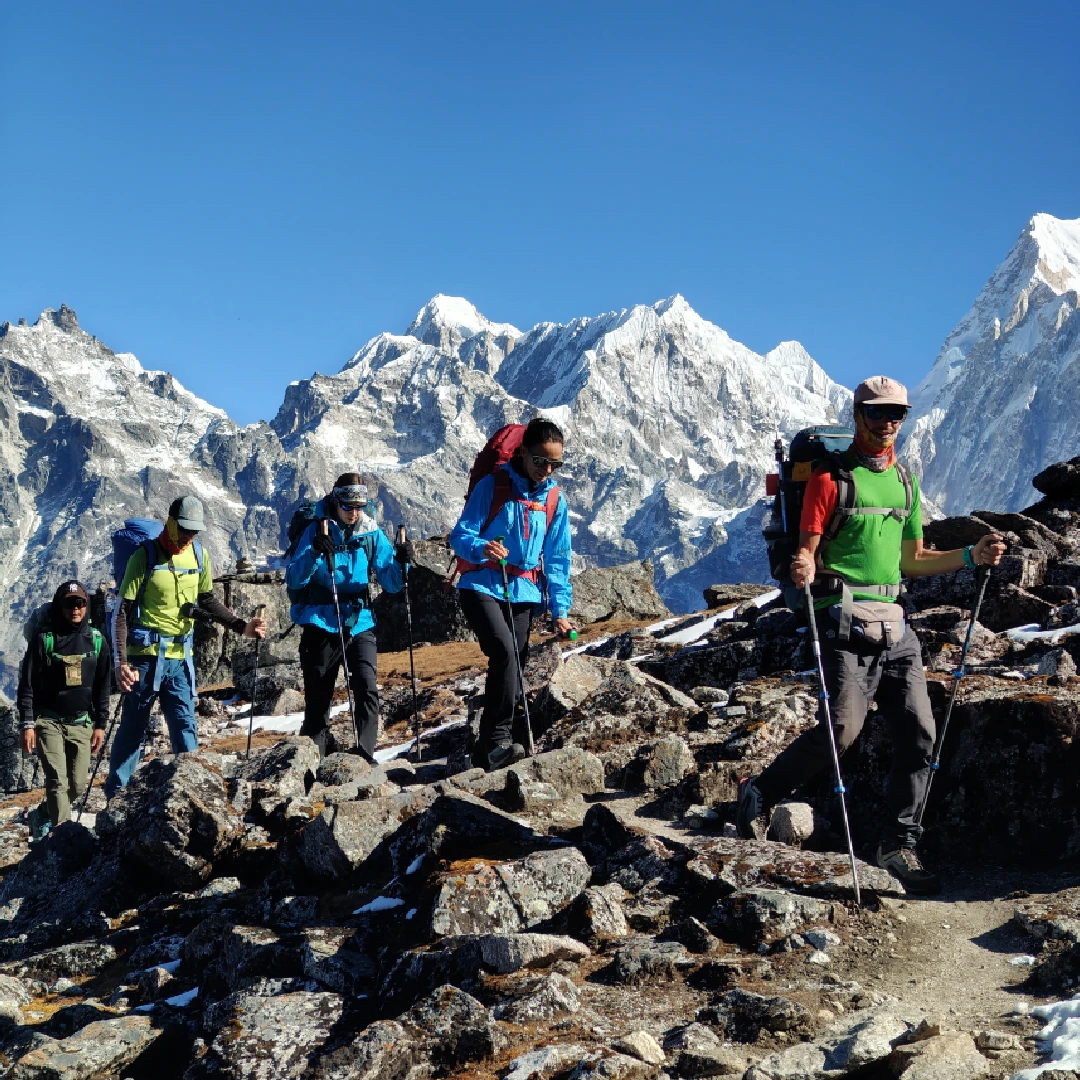
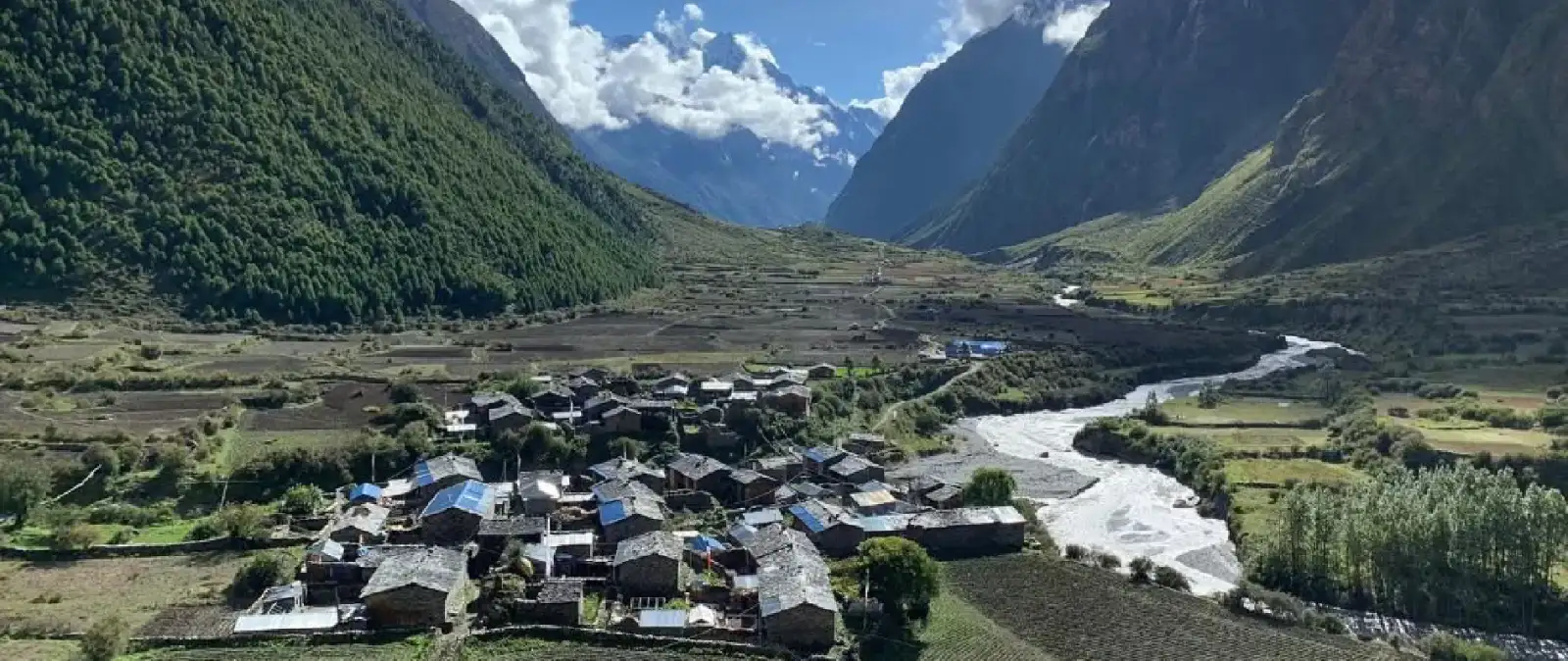
Starting off in Kathmandu, travelers head west by road either to Soti Khola or Machha Khola to begin trekking in Tsum Valley, which last 14 days as part of a well-planned Tsum Valley itinerary. Progress happens step by step up the Budhi Gandaki River valley trek, where trails wind past Tsum Valley villages like Chhekampar and Nile without rushing. At about 3,700 metres elevation lies Mu Gompa Tsum Valley, a resting point shaped by centuries of quiet practice. Those keen on extra Tsum Valley trekking distance may take on the Ngula Dhojhyang Pass trek, rising sharply to just above 5,000 metres for sweeping glimpses of Ganesh Himal, Himalchuli, and Sringi peaks. This moderate to challenging trekking in Tsum Valley asks for stamina built from earlier hikes and steady endurance, making it best suited for those with prior experience in high-altitude trekking in Nepal. People who have walked long Himalayan trekking in Nepal routes before tend to adjust better under these skies.
Trekking in a restricted area of Nepal like Tsum Valley demands several documents as part of the Tsum Valley permits process: a Restricted Area Permit, plus both ACAP and TIMS clearance are essential steps for anyone planning this restricted area trek Nepal. Understanding how to get permits for the Tsum Valley Trek in advance is strongly recommended, as regulations require every traveler to be accompanied by an officially registered guide; no one may walk alone, so at least two people must travel together. When spring arrives from March onward into May the Tsum Valley trekking route opens under steady weather, while flowers color the hillsides bright. Later, between September and November, crisp air returns and skies stay wide open, offering sharp views of high peaks, both windows representing the best time for Tsum Valley Trek. Without careful preparation, including early paperwork steps, progress across this distant corner of the Himalayas could slow unexpectedly.
Included MealsDinner
Included MealsBreakfast, Lunch & Dinner
Included MealsBreakfast, Lunch & Dinner
Included MealsBreakfast, Lunch & Dinner
Included MealsLunch & Dinner
Included MealsLunch & Dinner
Included MealsLunch & Dinner
Included MealsLunch & Dinner
Included MealsBreakfast, Lunch & Dinner
Included MealsBreakfast, Lunch & Dinner
Included MealsBreakfast, Lunch & Dinner
Included MealsBreakfast, Lunch & Dinner
Included MealsBreakfast, Lunch & Dinner
Included MealsBreakfast, Lunch & Dinner
The Tsum Valley Trek is a remote and culturally rich trekking route in Tsum Valley Nepal, located in the northern Gorkha District within the Manaslu Conservation Area. This restricted area trek Nepal offers pristine Himalayan landscapes, Tibetan Buddhist culture, and traditional villages.
This trek is moderate to challenging, suitable for trekkers with good fitness and some high-altitude experience. Trails include steep sections, long walking days, and remote paths along the Budhi Gandaki River valley trek.
The trek’s highest point is Mu Gompa Tsum Valley at around 3,700 meters. Some trekkers also take the Ngula Dhojhyang Pass trek (5,093m) for panoramic views of Ganesh Himal, Himalchuli, and Sringi peaks.
Yes, trekkers must obtain a Tsum Valley Restricted Area Permit, Manaslu Conservation Area Permit (MCAP), and a TIMS card. A licensed guide is mandatory as solo trekking in Tsum Valley is not allowed.
Accommodation is in guesthouses, teahouses, and some gompas. Meals include traditional Nepali dishes like dal bhat, noodles, soups, and Tibetan-inspired foods. Hot showers may be limited at higher altitudes.
Yes, it is often combined with the Manaslu Circuit Trek for a longer Himalayan adventure and to explore more of this off the beaten path Nepal trek.
Trip Duration Days starting from and ending at
Trip Grade Moderate
Best Season
Or
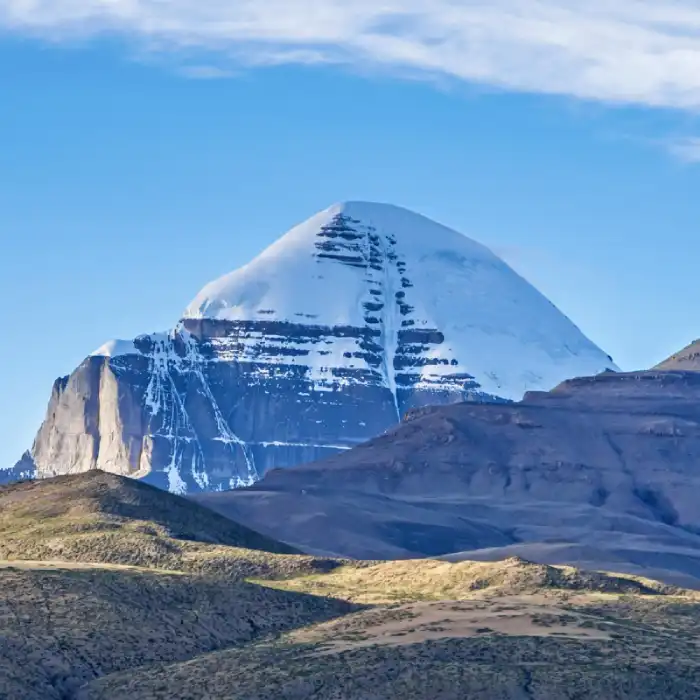
Mount Kailash stands at 6,638 metres. It has never been summited — n
Far up and away in the remote west of Nepal, the Api Base Camp Trek un
The combination of the magical Nar Phu Valley and the classic high-alt
The Jiri to Everest Base Camp Trek follows the classic route taken by
Makalu Base Camp Trek is truly an unforgettable adventure, covering so
Manaslu Circuit Trek is one of the most beautiful trekking experiences
The Ama Yangri Trek is one of the popular short treks located in the H
The Langtang Valley Trek is an amazing journey into the heart of the L
Winding through the Langtang area near the Tibetan frontier, the Taman
The Everest Base Camp with Gokyo Lake trek is an extraordinary adventu
Kanchenjunga Base Camp trek is known as the hidden gem among the trekk
While the classic Annapurna Circuit continues to be one of the world’s
The Nar Phu Valley Trek is a hidden gem situated in the Annapurna regi
Gosaikunda is a holy pilgrimage site for Hindus and is believed to hav
The Mardi Himal Trek is a perfect trek that offers a wonderful balance