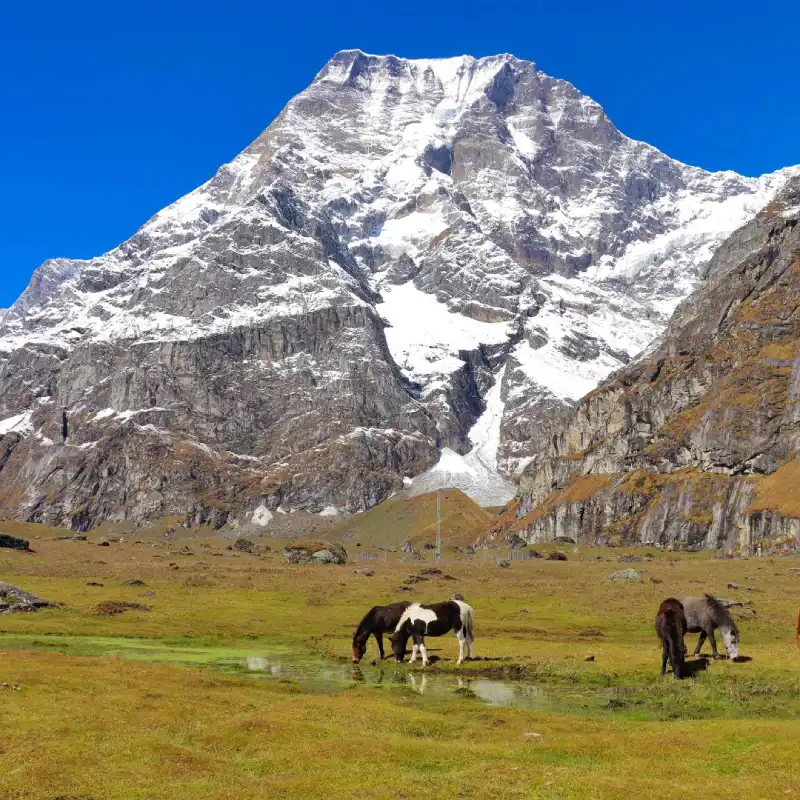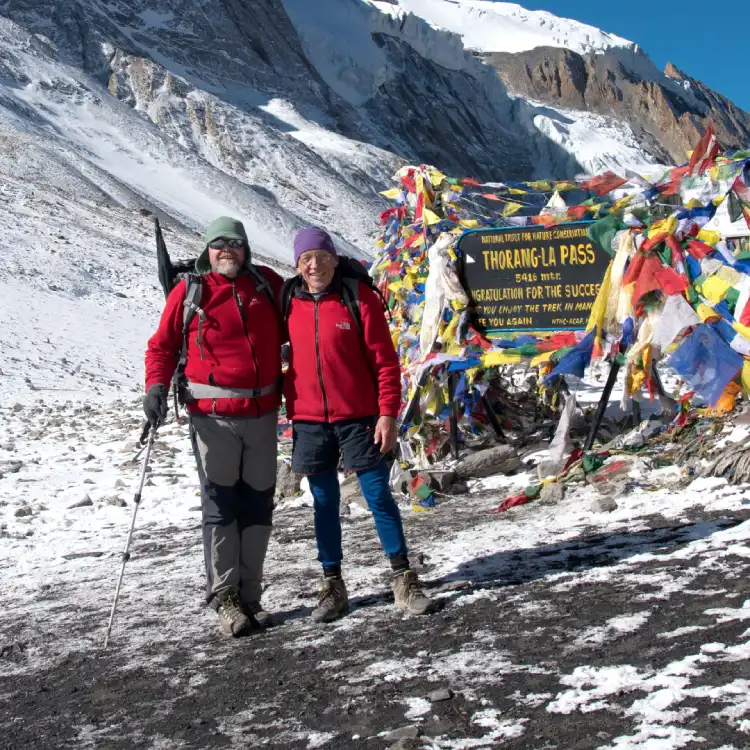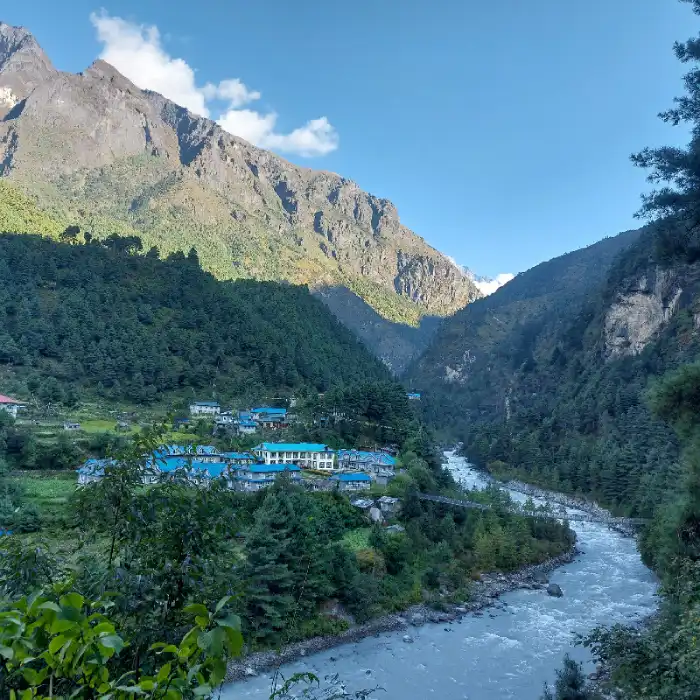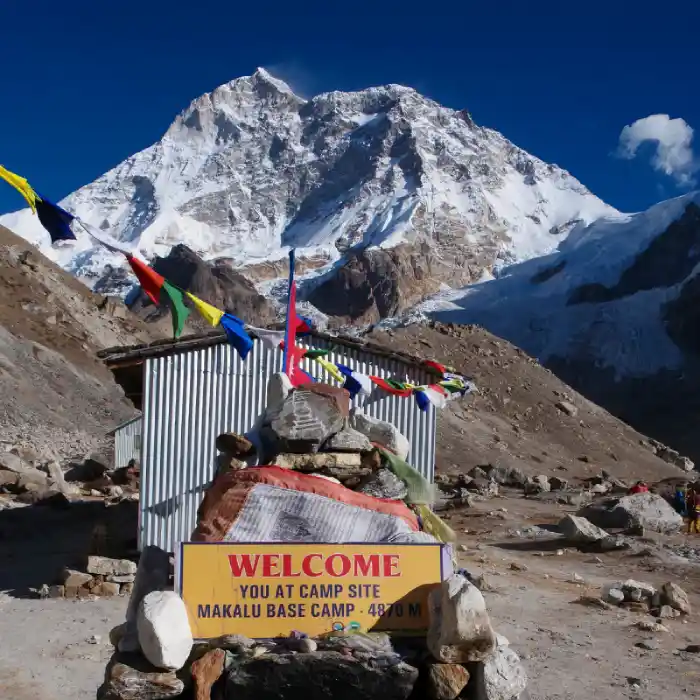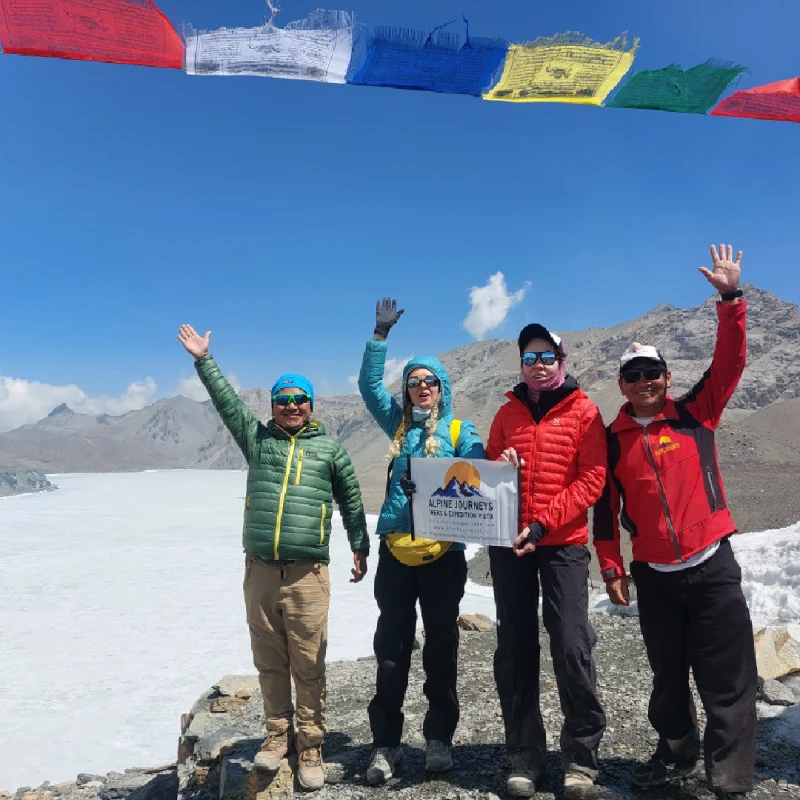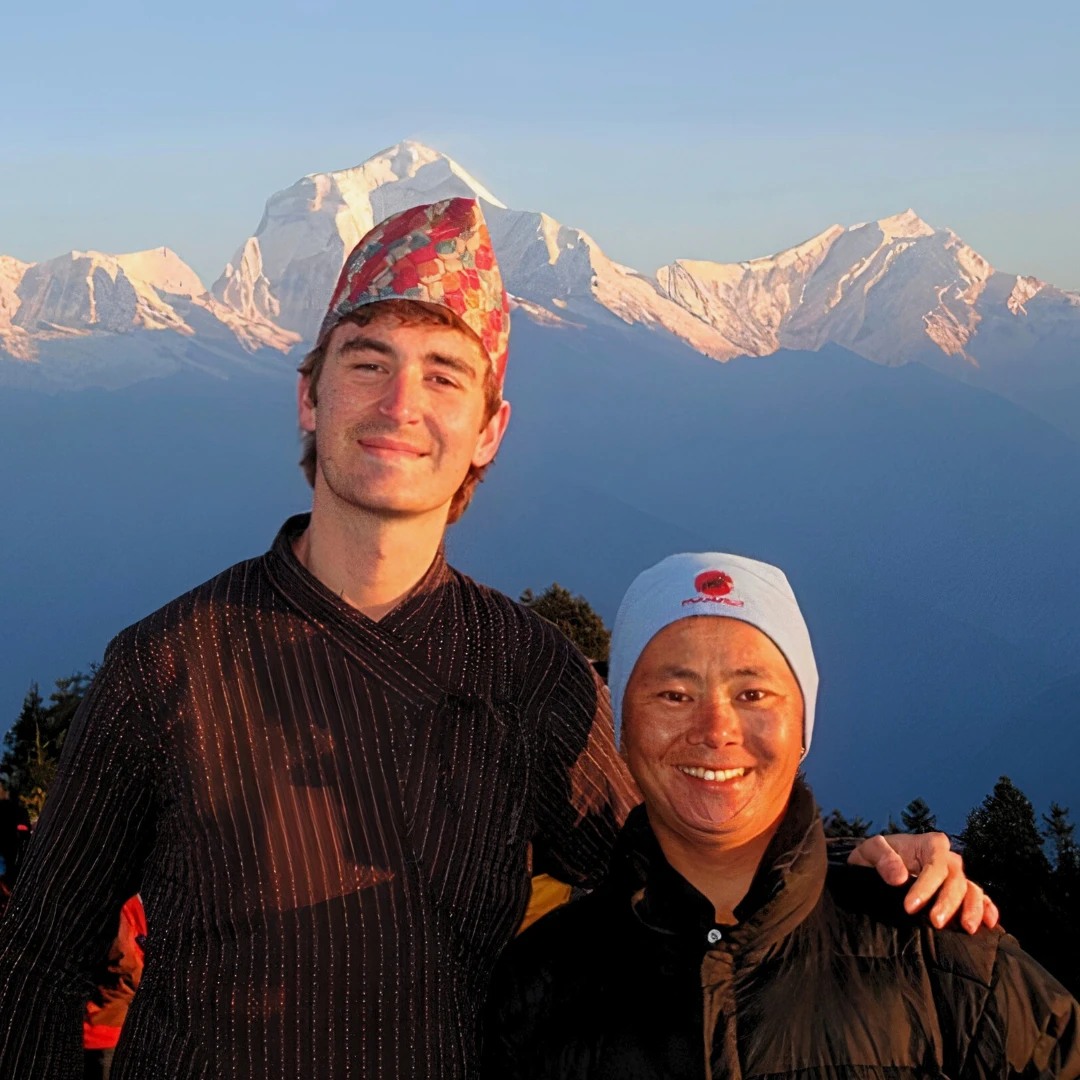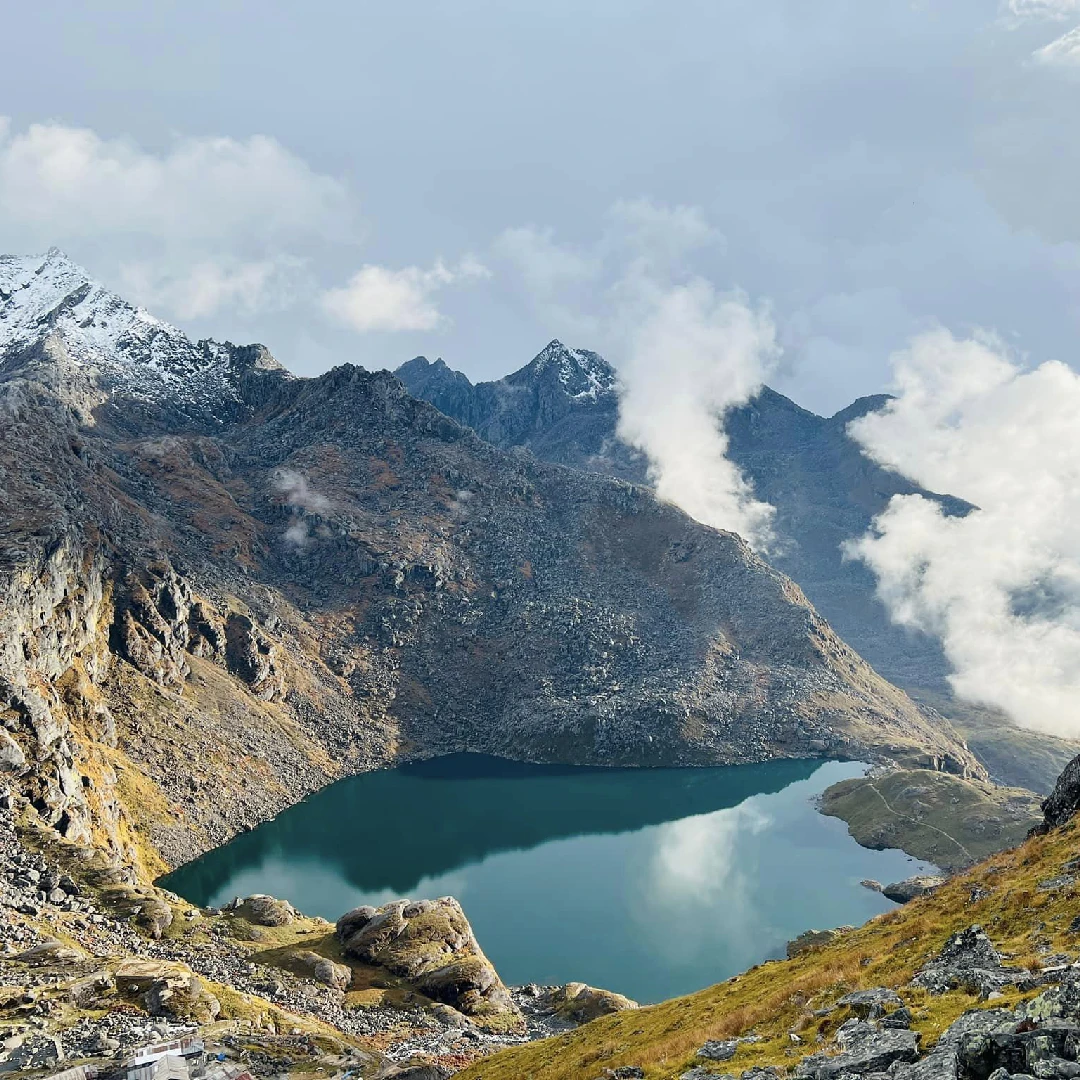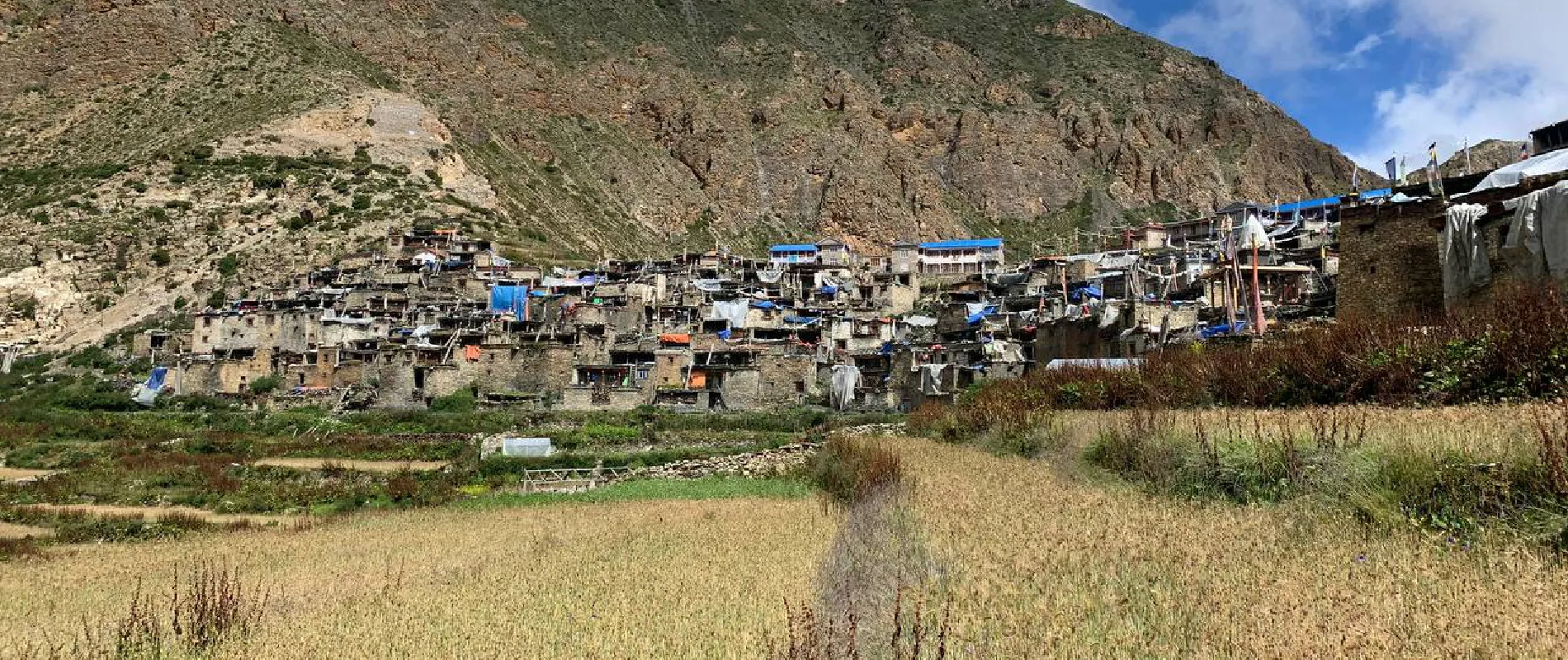
Discover the Nar Phu Valley, where ancient monasteries and mountain peaks create a Himalayan experience like no other.
Enquire NowTrip Duration Days starting from Kathmandu and ending at Kathmandu
Trip Grade Challenging
Group Size 2-16 pax
Max Height 5306m.
Best Season March - May, September - November
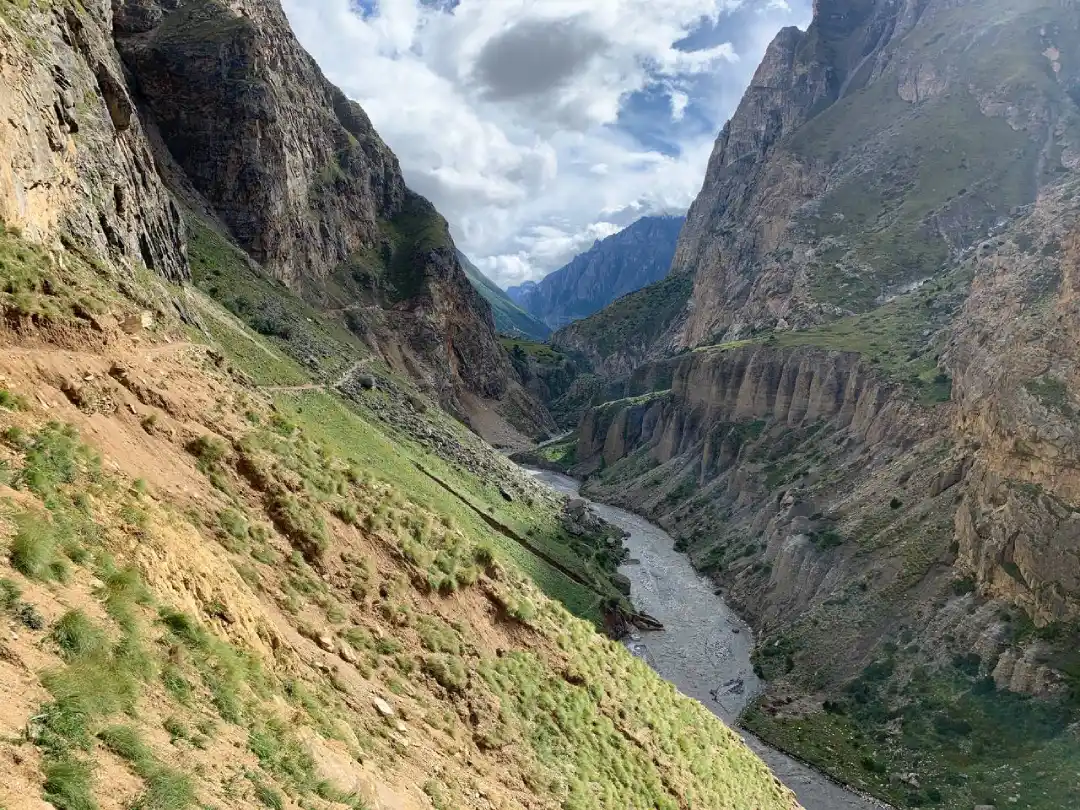
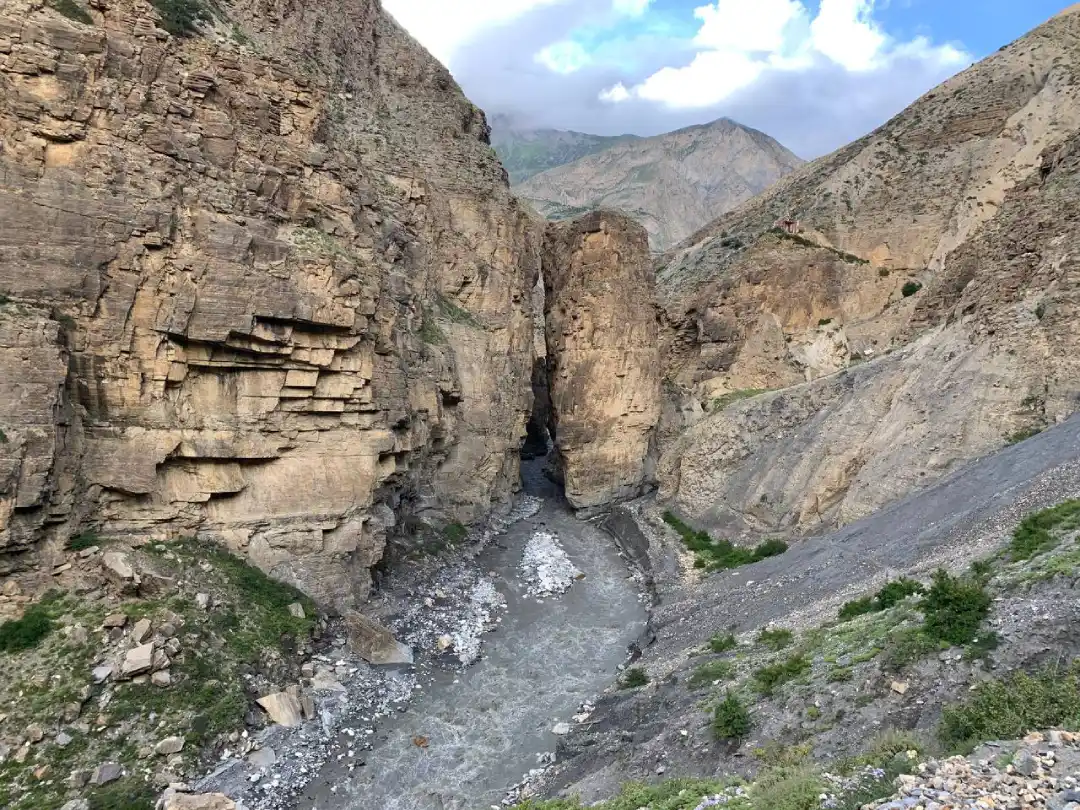
The Nar Phu Valley Trek is a hidden gem situated in the Annapurna region of north-central Nepal. Opened to trekkers only in 2003, this restricted area trek offers a rare opportunity to explore remote and untouched valleys, offering a pure and authentic Himalayan experience.
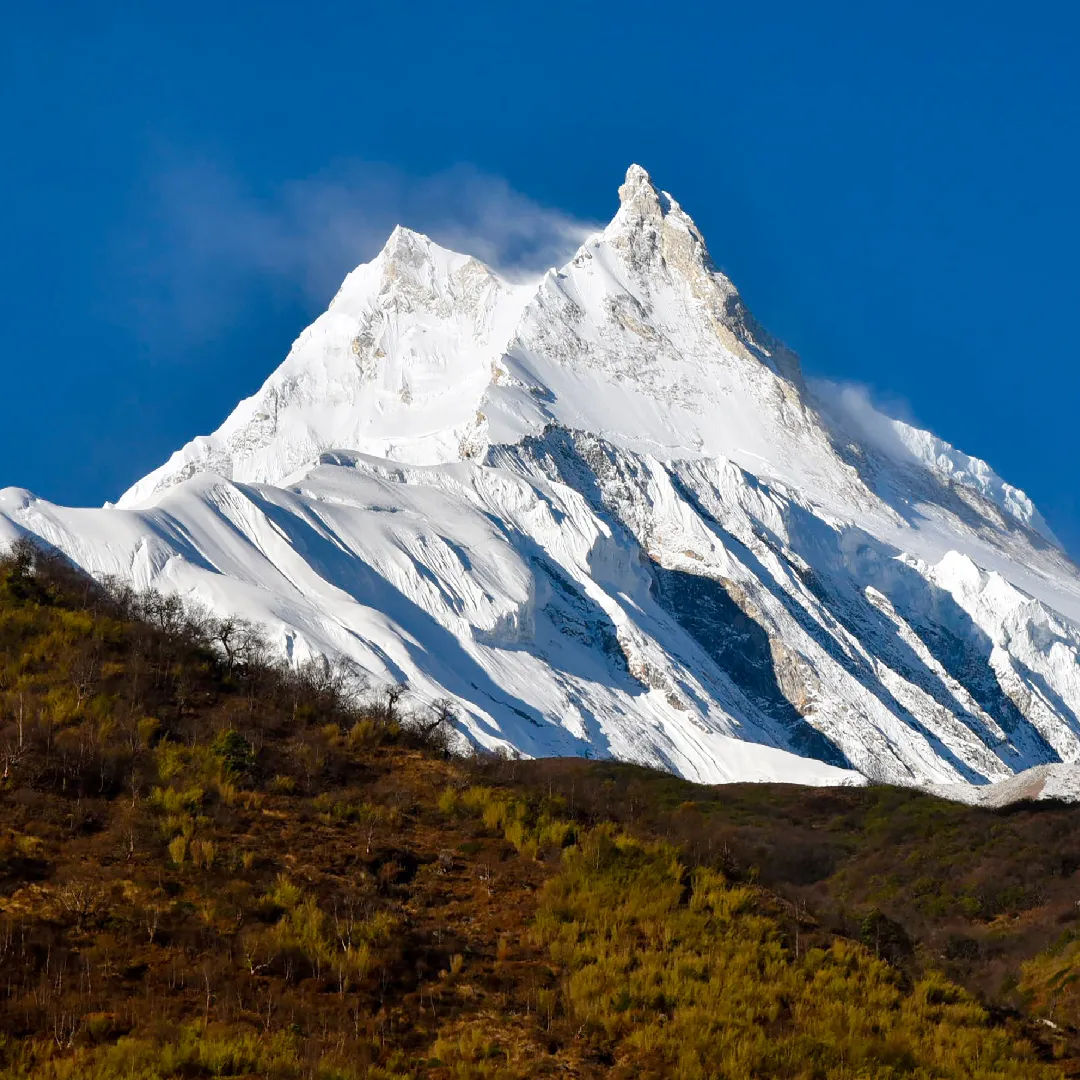
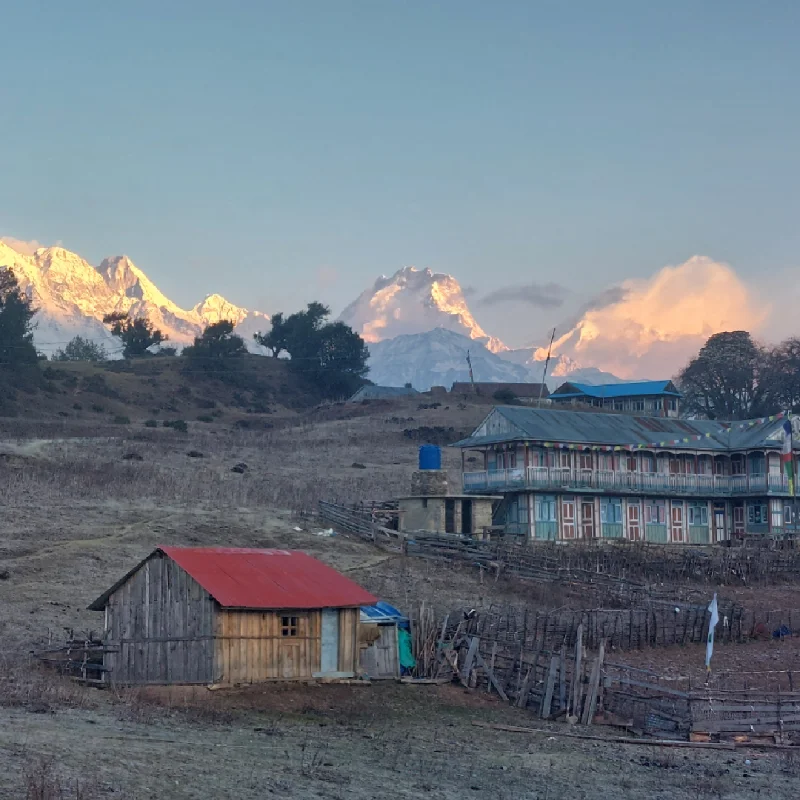
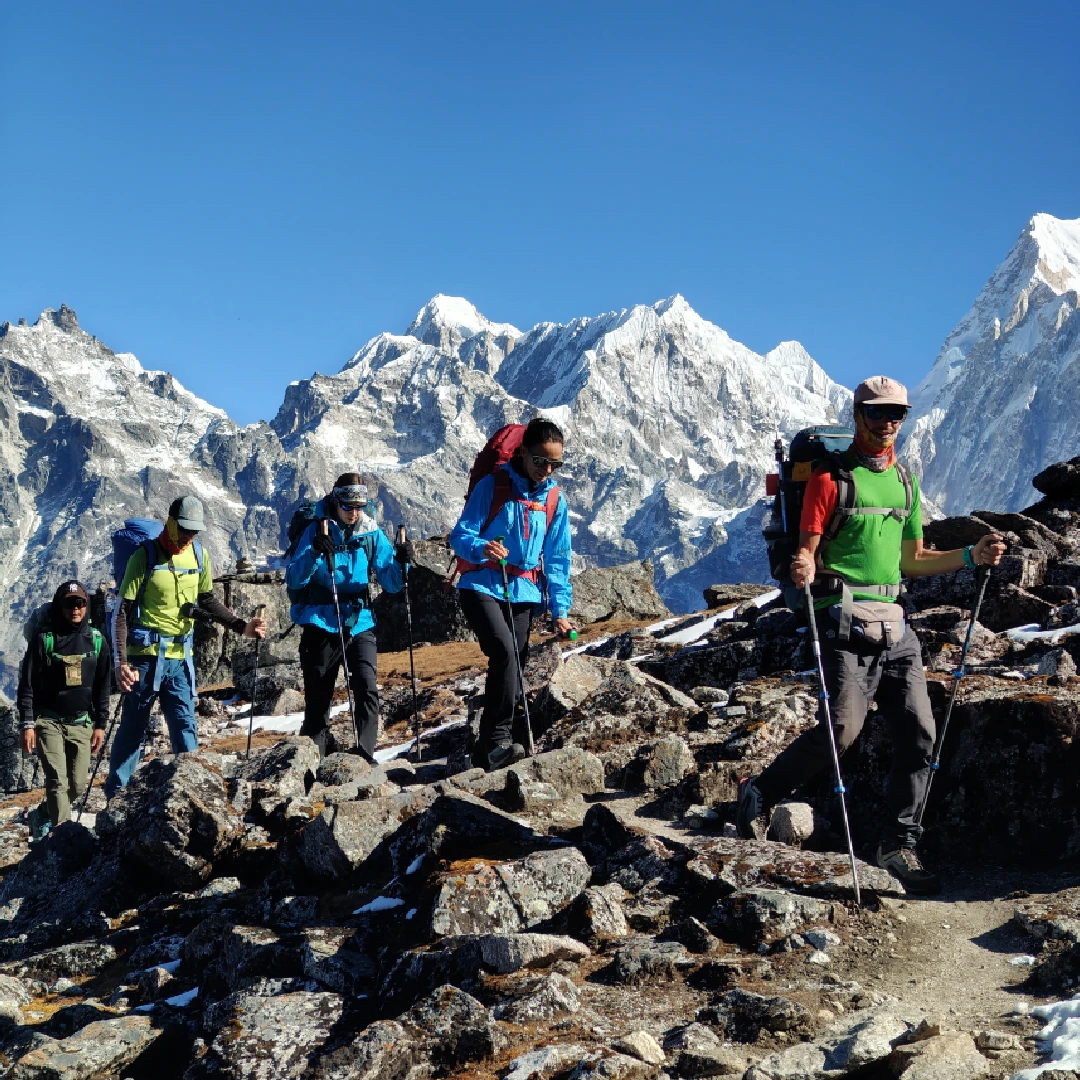
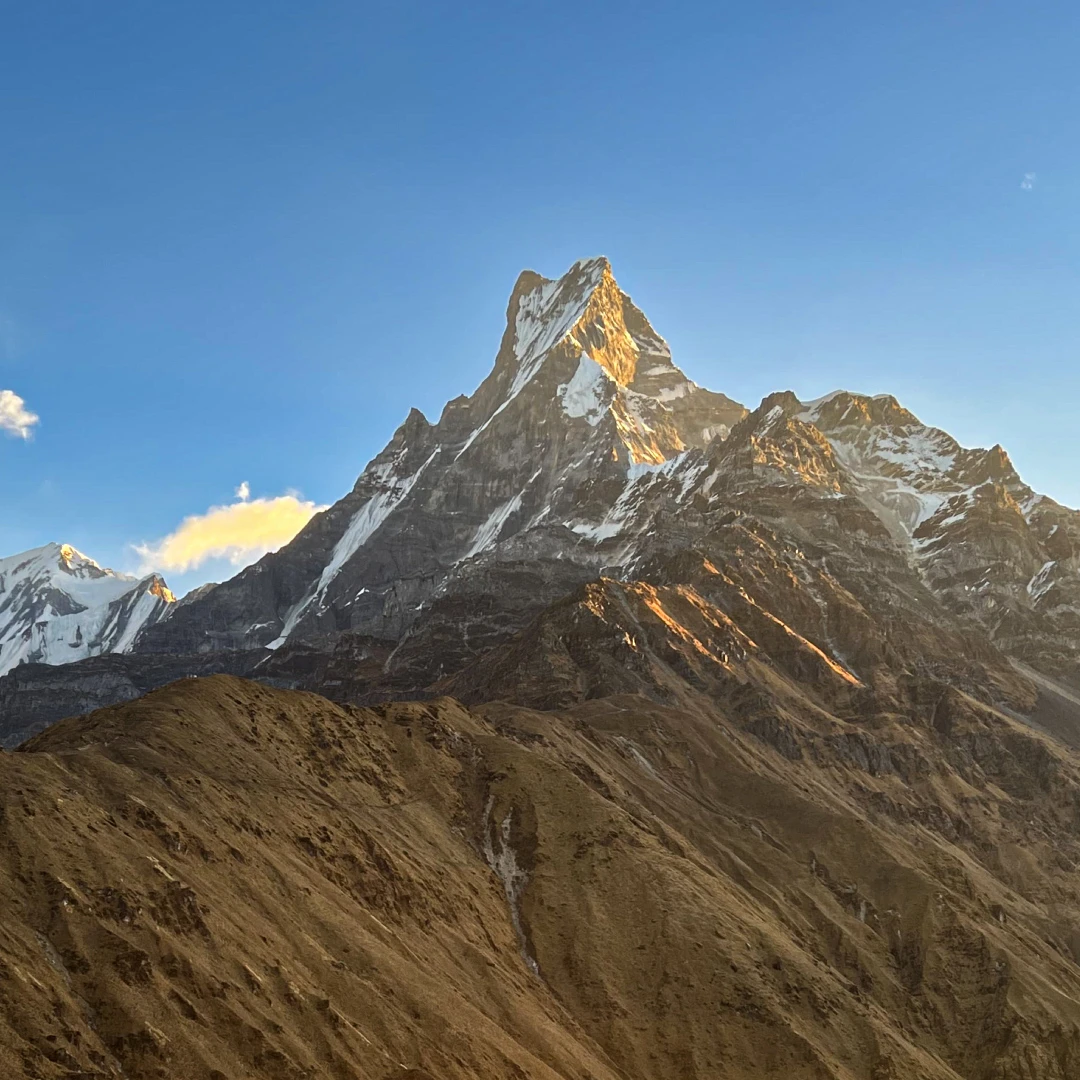
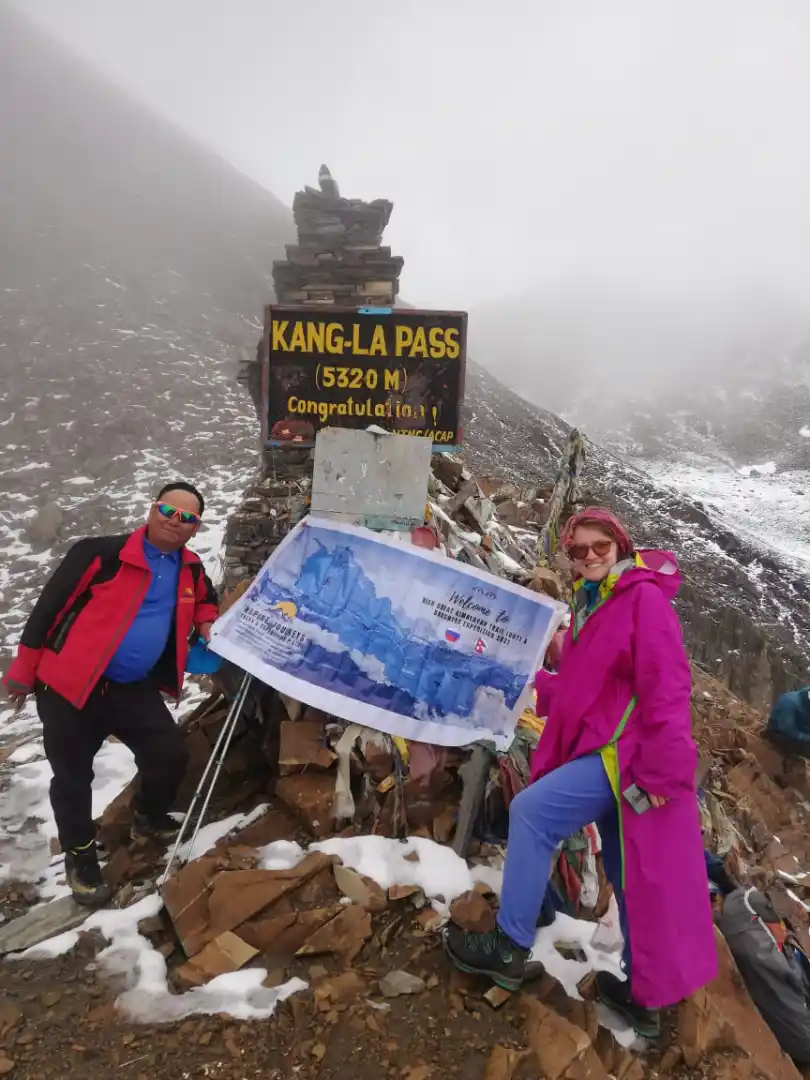
The journey is physically challenging, with dramatic landscapes and needs to cross the Kang La Pass (5,306 m), but it pays off with panoramic views of the Annapurna range, including Annapurna II (7,937 m), Gangapurna (7,455 m), and Tilicho Peak (7,134 m). On clear days, the beautiful peaks of Manaslu (8,163 meters) and Dhaulagiri (8,167 meters) can also be visible in the far distance.
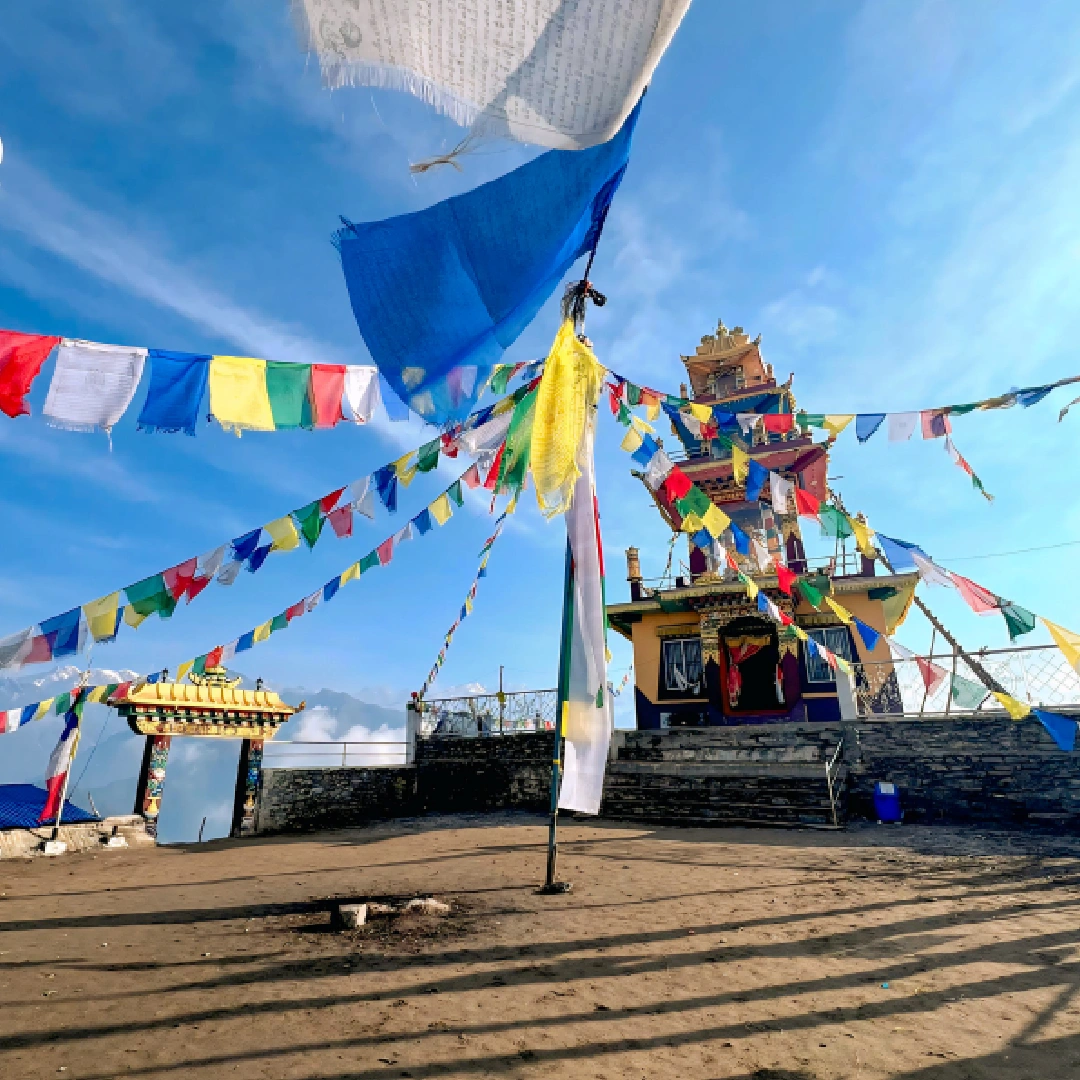
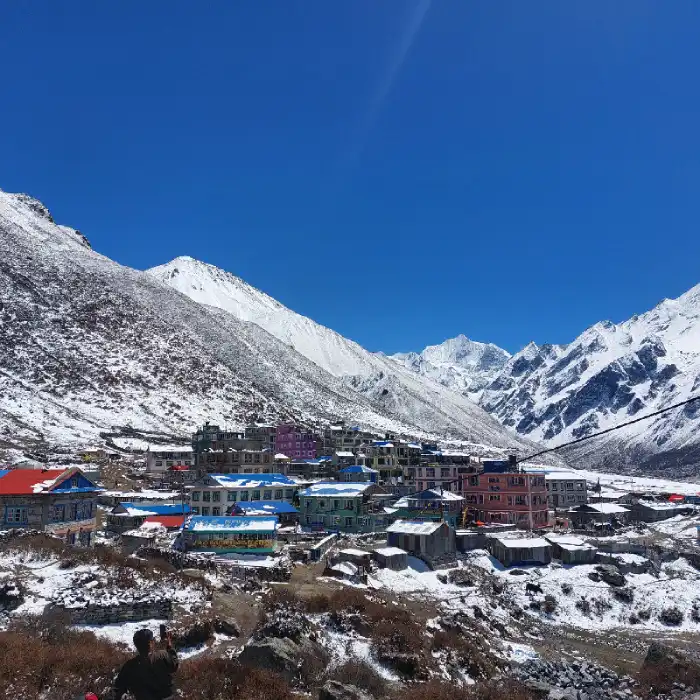
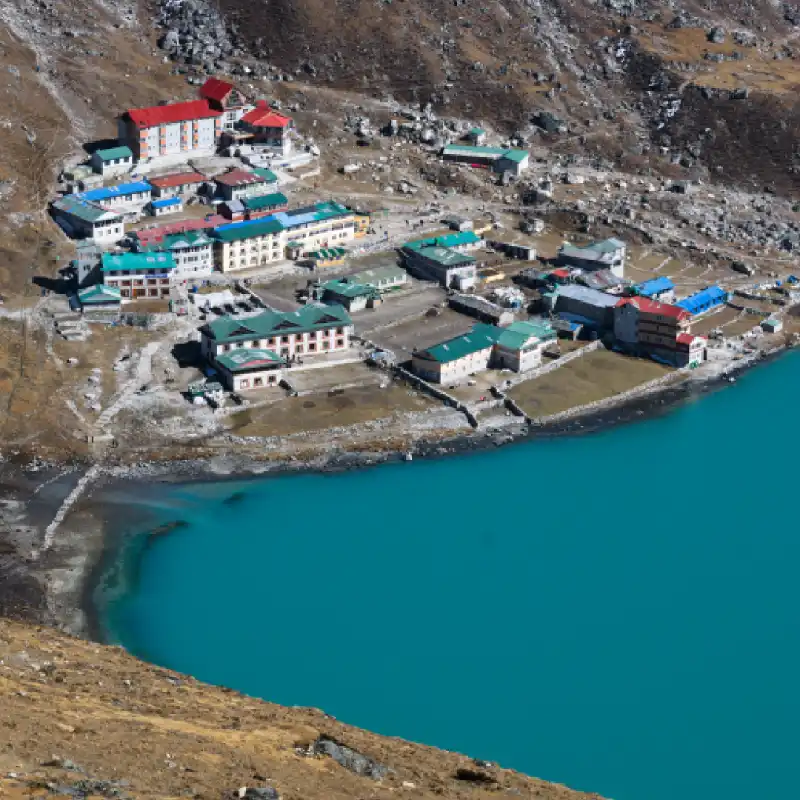
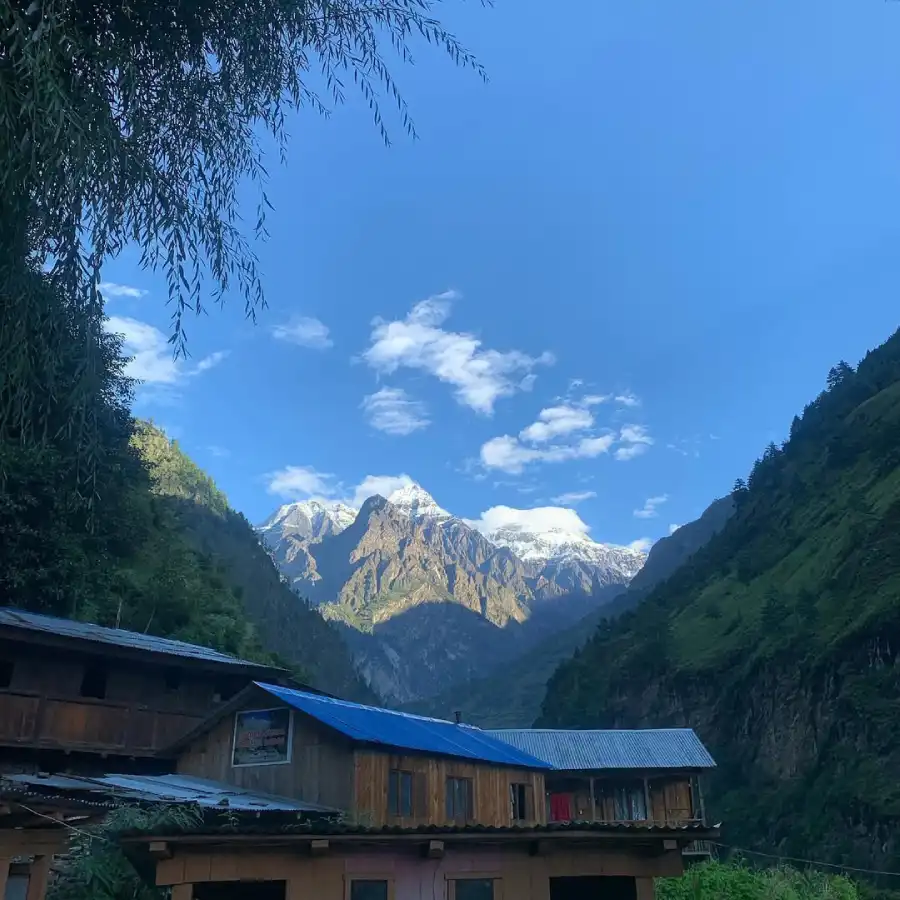
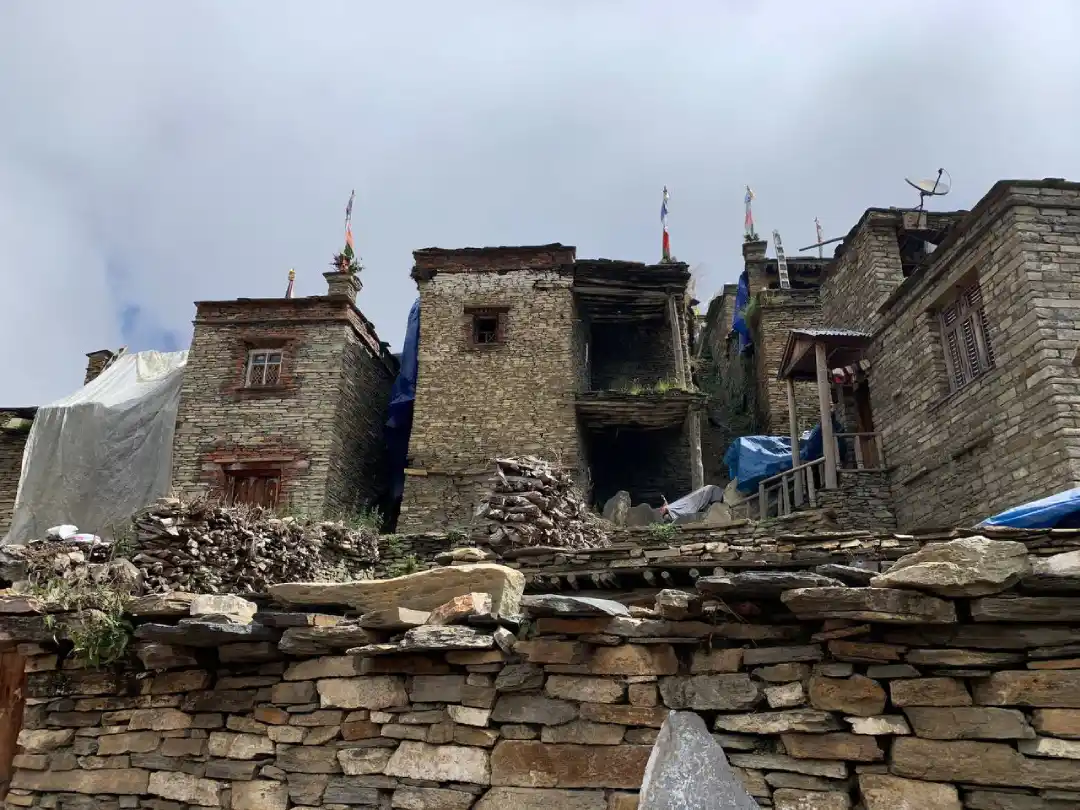
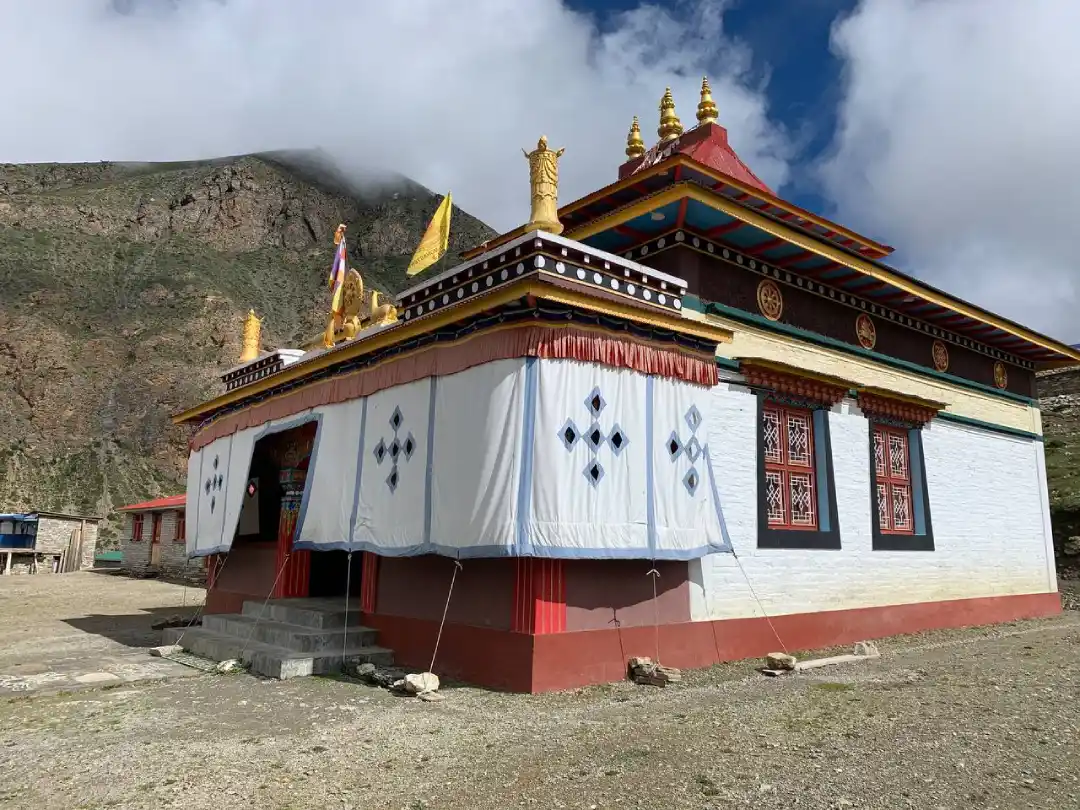
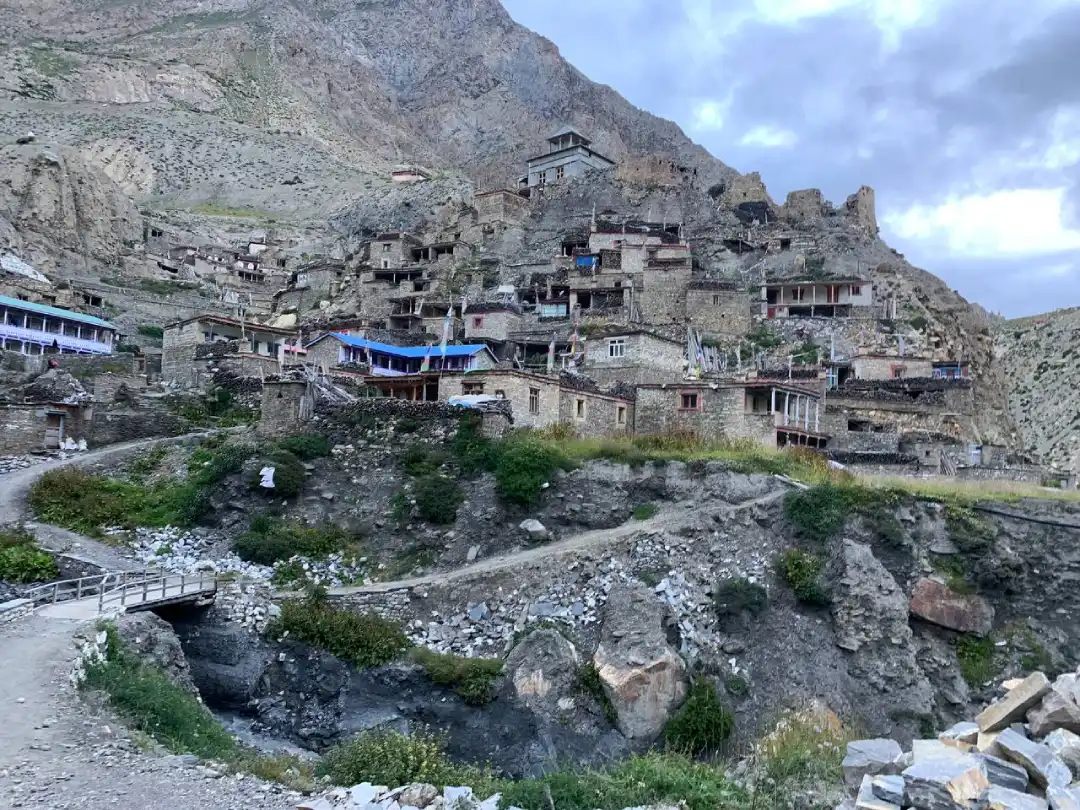
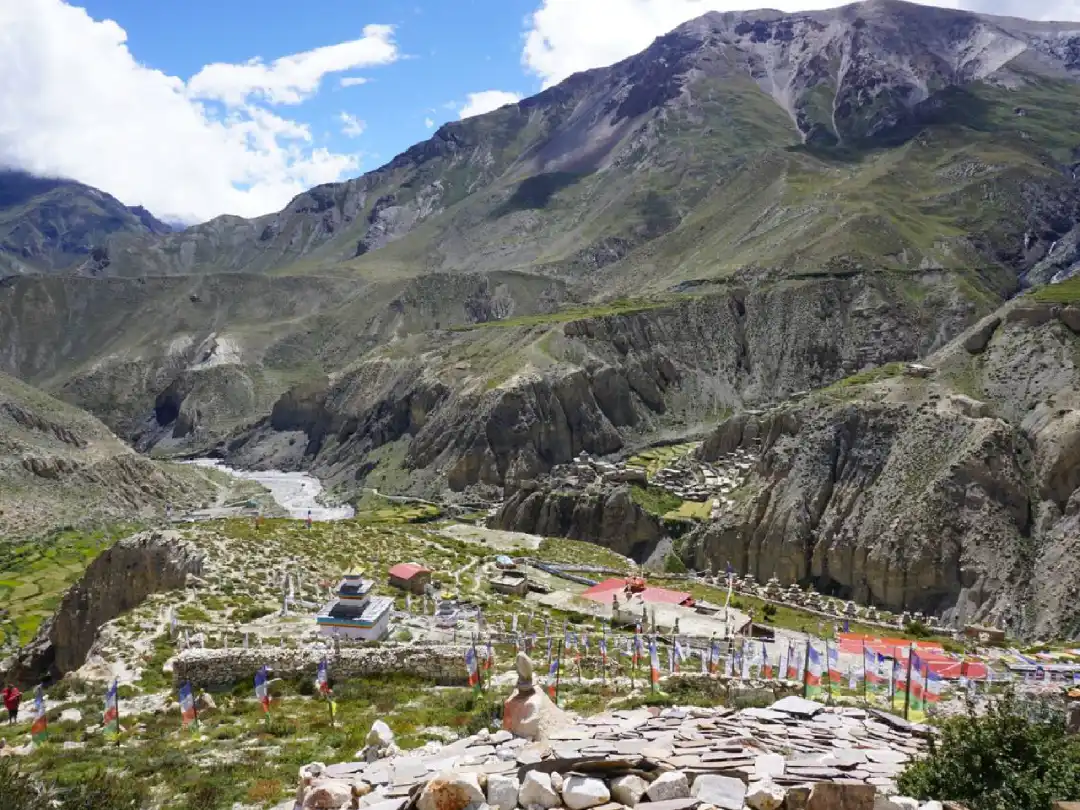
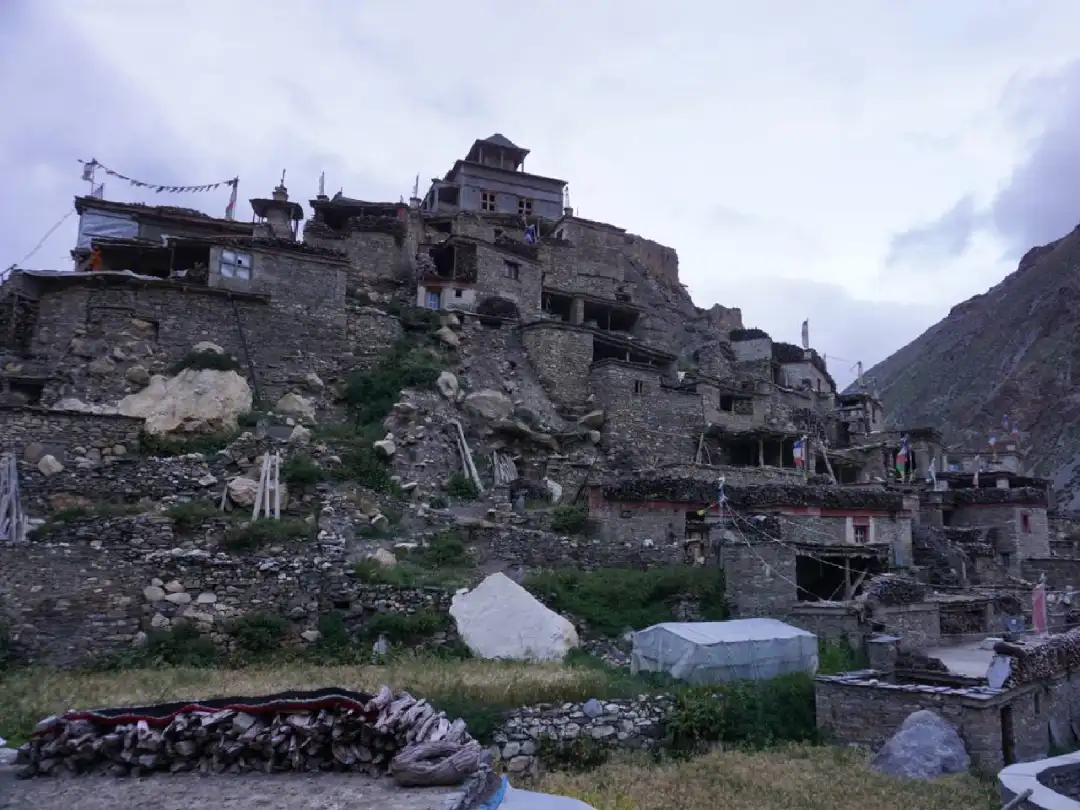
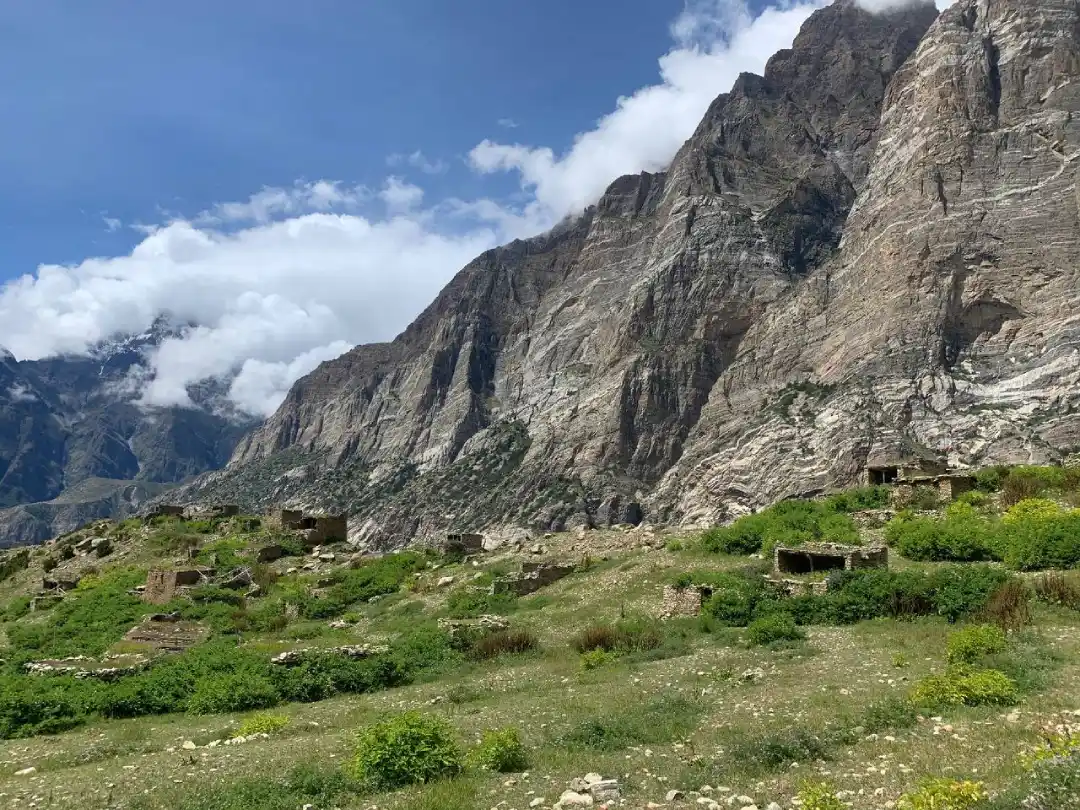
The trek begins from Koto, a village on the Annapurna Circuit that is reached by a beautiful drive from Kathmandu via Besisahar. From Koto, you’ll trek through monasteries & mani walls and traditional settlements such as Meta, Phu, and Nar, where time seems to have paused. The walk ends by crossing the Kang La Pass (5,306 m) to Ngawal and returning to Kathmandu via Pokhara.
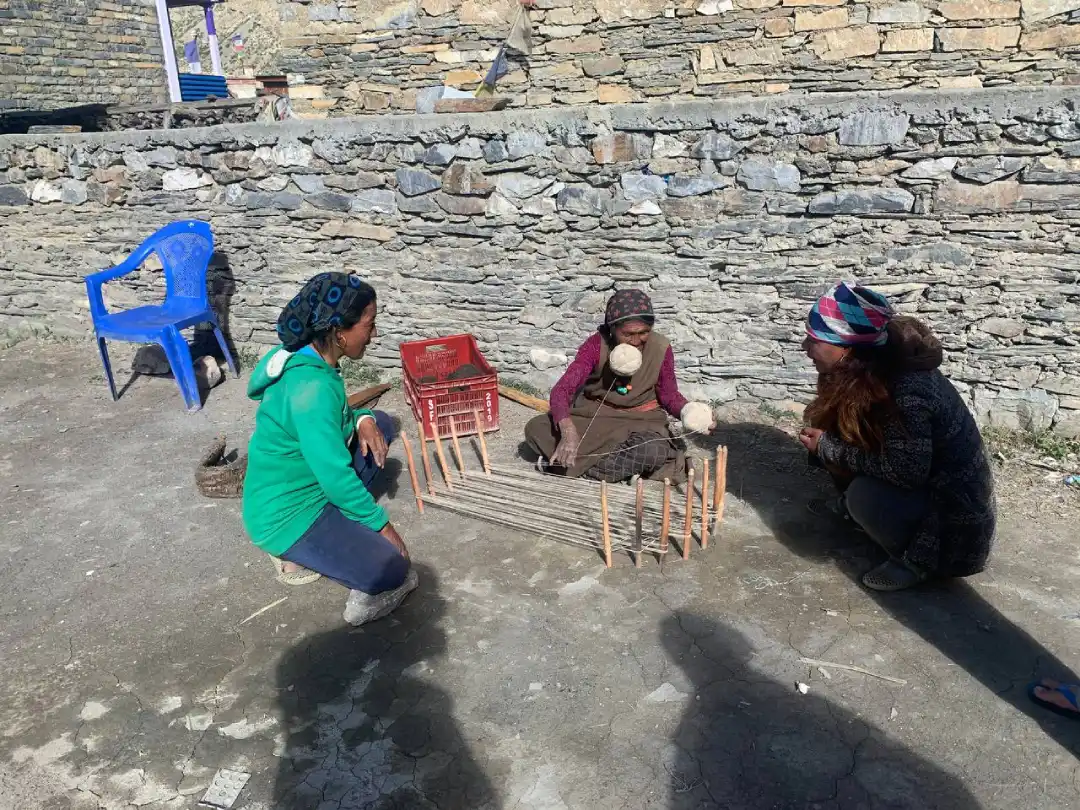
As a restricted area, Nar Phu valley is renowned for its well-preserved Tibetan culture, offering a glimpse into a way of life that has remained unchanged for centuries. This trek is perfect for those seeking an off-the-beaten-path adventure that combines challenging terrain, stunning natural beauty, and rich cultural experience.
Included MealsDinner
Included MealsBreakfast, Lunch & Dinner
Included MealsBreakfast, Lunch & Dinner
Included MealsBreakfast, Lunch & Dinner
Included MealsBreakfast, Lunch & Dinner
Included MealsBreakfast, Lunch & Dinner
Included MealsBreakfast, Lunch & Dinner
Included MealsBreakfast, Lunch & Dinner
Included MealsBreakfast, Lunch & Dinner
Included MealsBreakfast, Lunch
Included MealsBreakfast
Included Meals
Yes, the Nar Phu Valley Trek requires a special restricted area permit issued by the government of Nepal. In addition, trekkers need the Annapurna Conservation Area Permit (ACAP). These permits are mandatory and are usually arranged through a registered trekking agency.
Yes, hiring a licensed guide is mandatory for the Nar Phu Valley Trek because it is a restricted area in Nepal. Trekkers are not allowed to enter the region independently. A guide ensures safety, navigation, and helps you understand the unique culture and traditions of the Nar Phu Valley.
The best time for the Nar Phu Valley Trek is during spring (March to May) and autumn (September to November). These seasons offer stable weather, clear skies, and the best mountain views. Due to its location in a rain shadow area, the trek can also be done during monsoon with relatively less rainfall compared to other regions.
The Nar Phu Valley Trek is not recommended for beginners due to its difficulty level, remote location, and high altitude. It is better suited for experienced trekkers who have prior high-altitude trekking experience and are comfortable walking long distances in rugged terrain.
Yes, prior trekking experience is highly recommended for the Nar Phu Valley Trek due to its challenging terrain, high altitude, and remote conditions. This restricted area trek in Nepal is better suited for experienced trekkers who are comfortable with long walking days and basic facilities.
The Nar Phu Valley Trek is one of the most remote treks in Nepal, located in a hidden part of the Annapurna region. The trail passes through isolated villages with limited infrastructure, offering a true less walked trekking experience far from busy tourist routes.
The Nar Phu Valley Trek offers a unique cultural experience influenced by Tibetan Buddhism. The region is home to ancient monasteries, chortens, prayer flags, and traditional stone villages. Trekkers can experience authentic Himalayan culture that has remained largely untouched by modernization.
Electricity is limited on the Nar Phu Valley Trek, especially in remote villages. Some teahouses may offer charging facilities for an additional cost, but trekkers are advised to carry power banks or solar chargers for convenience.
Trip Duration Days starting from Kathmandu and ending at Kathmandu
Trip Grade Challenging
Best Season March - May, September - November
Or
Far up and away in the remote west of Nepal, the Api Base Camp Trek un
The combination of the magical Nar Phu Valley and the classic high-alt
The Jiri to Everest Base Camp Trek follows the classic route taken by
Makalu Base Camp Trek is truly an unforgettable adventure, covering so
Manaslu Circuit Trek is one of the most beautiful trekking experiences
The Ama Yangri Trek is one of the popular short treks located in the H
The Langtang Valley Trek is an amazing journey into the heart of the L
Winding through the Langtang area near the Tibetan frontier, the Taman
The Everest Base Camp with Gokyo Lake trek is an extraordinary adventu
Kanchenjunga Base Camp trek is known as the hidden gem among the trekk
The Mardi Himal Trek is a perfect trek that offers a wonderful balance
While the classic Annapurna Circuit continues to be one of the world’s
Ghorepani Poon Hill Trekking is most popular who have limited time for
Gosaikunda is a holy pilgrimage site for Hindus and is believed to hav