Step into the forbidden kingdom of Lo Manthang and explore a world untouched by time.
Enquire NowTrip Duration Days starting from Kathmandu and ending at Kathmandu
Trip Grade Moderate
Group Size 2-16 pax
Best Season March - May, September - November
Upper Mustang is situated in the northern part of Nepal with a border of Tibet. This trekking area has been open for foreigners since 1992, but tourism to Upper Mustang is regulated. Foreigners need to obtain a special permit to enter this area.
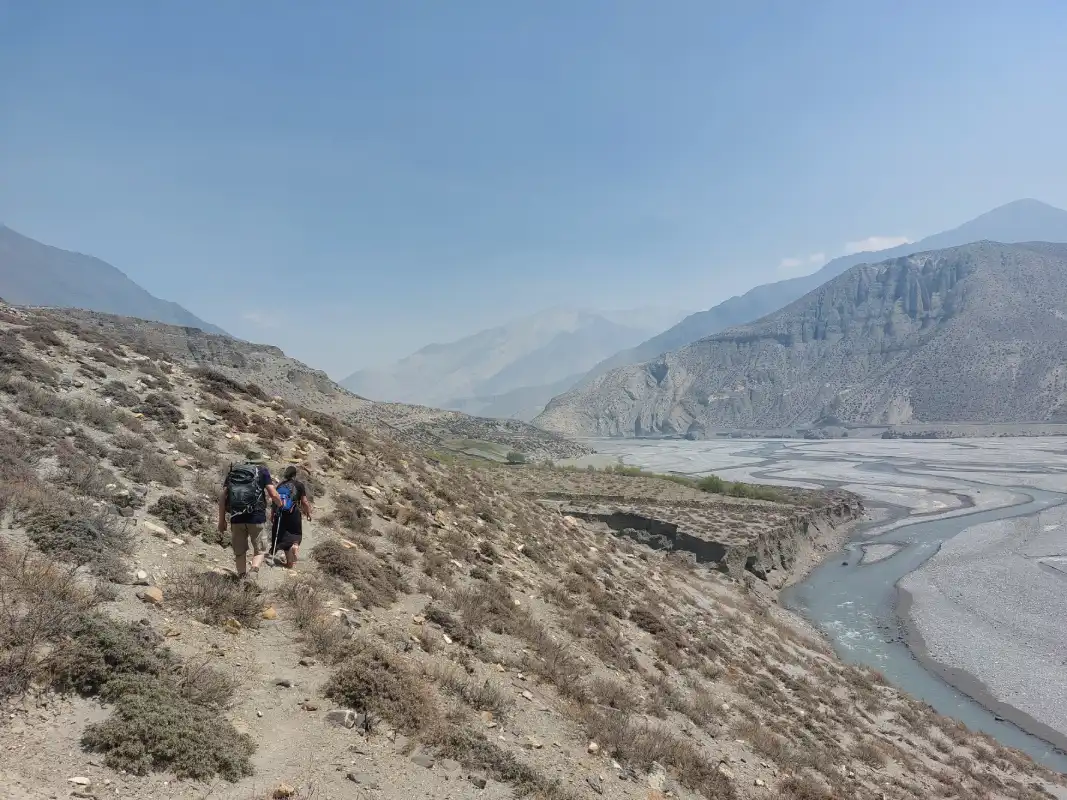
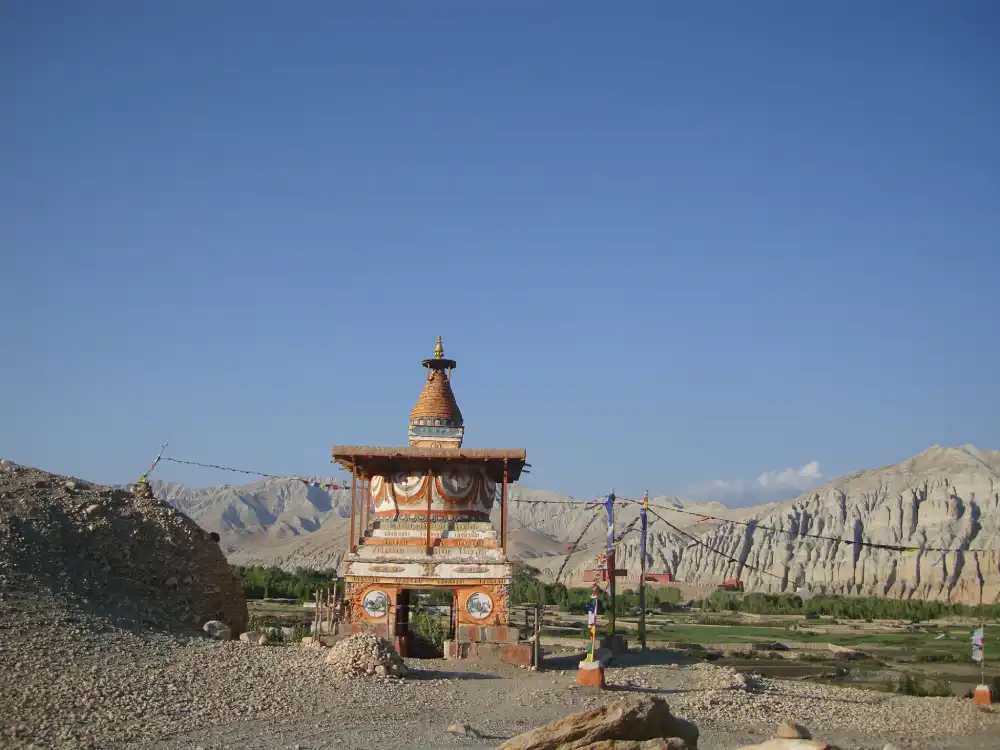
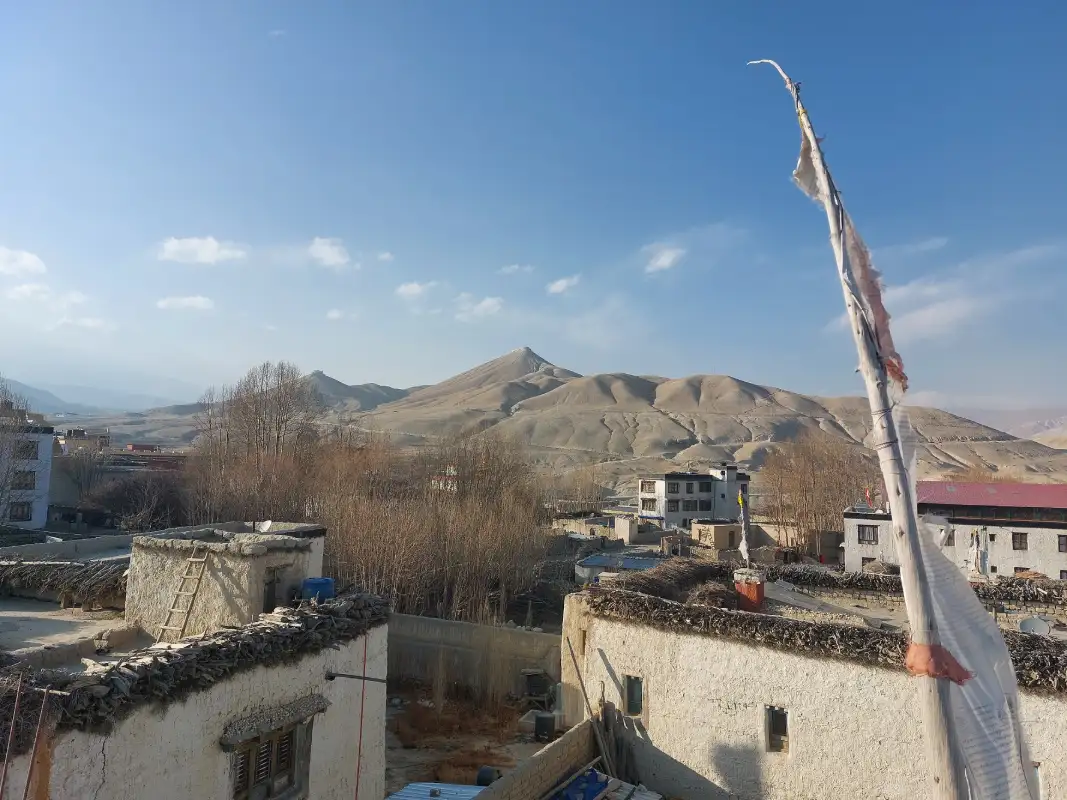
The Upper Mustang Trek is a journey into the secret kingdom of Lo Manthang and an interesting combination of ancient culture, landscapes, and spirituality. This region was formerly part of the ancient Silk Road, which served to connect Tibet and India.
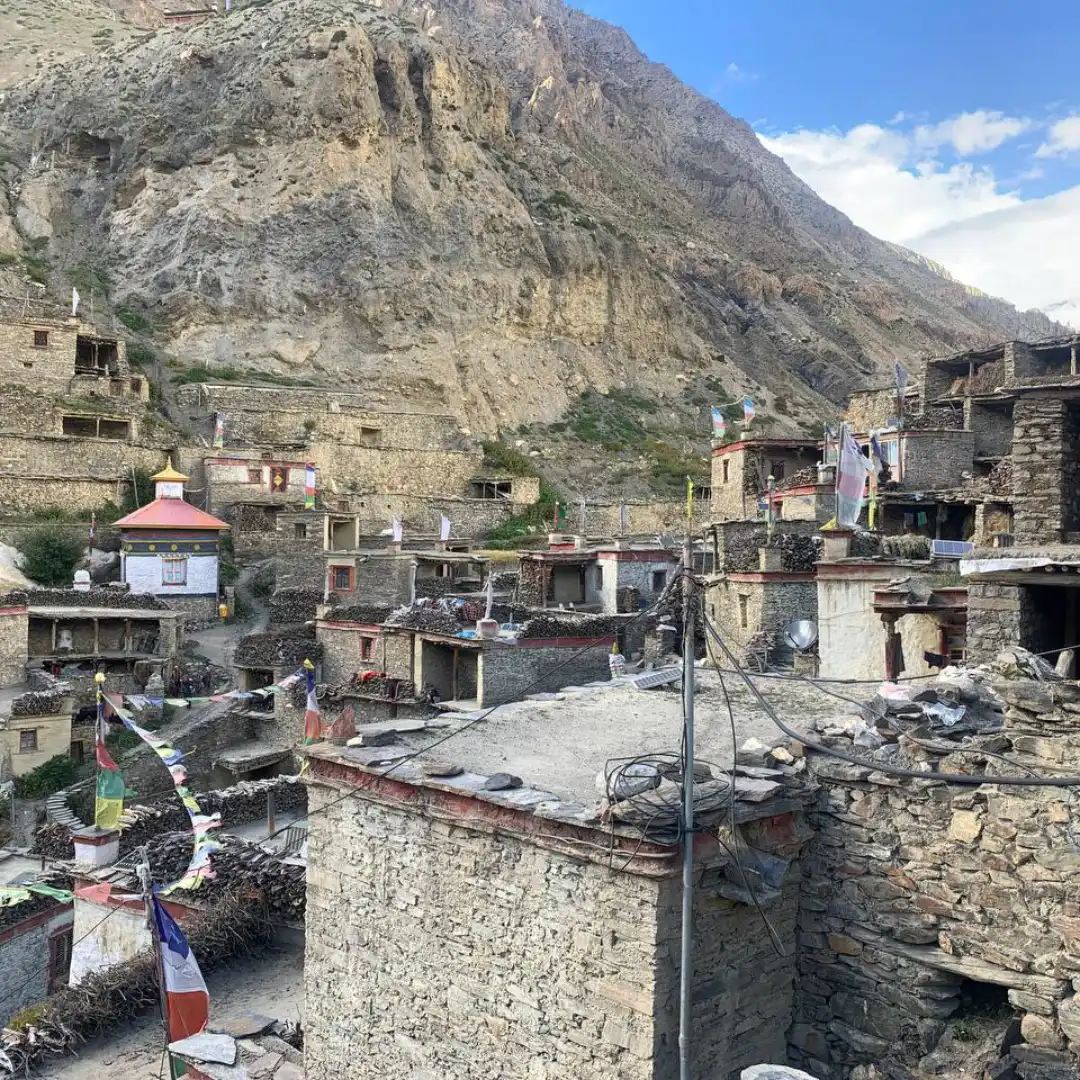
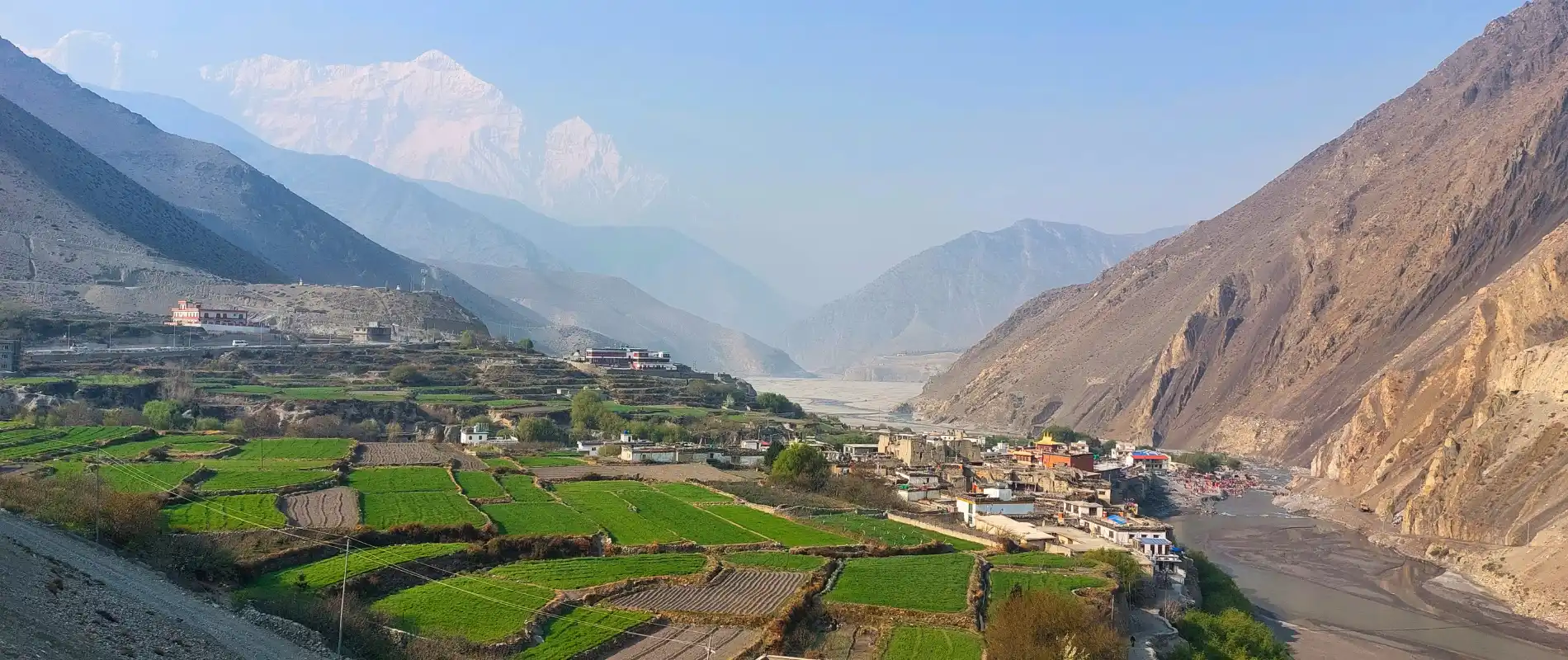
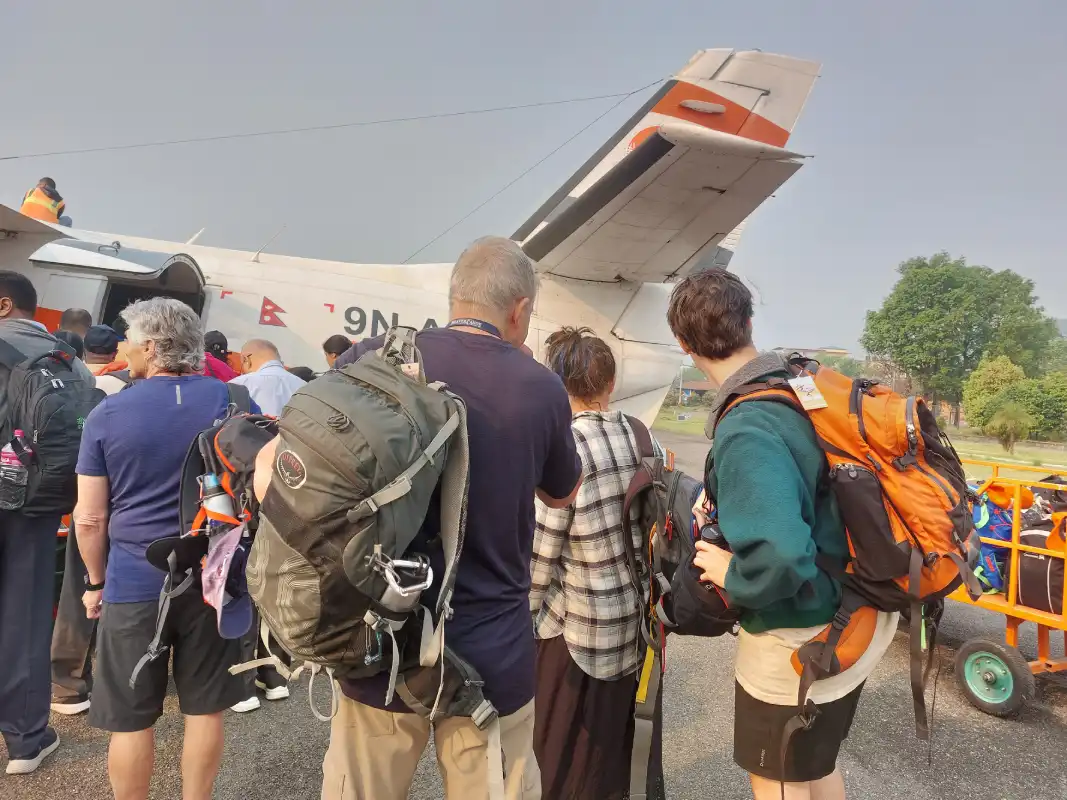
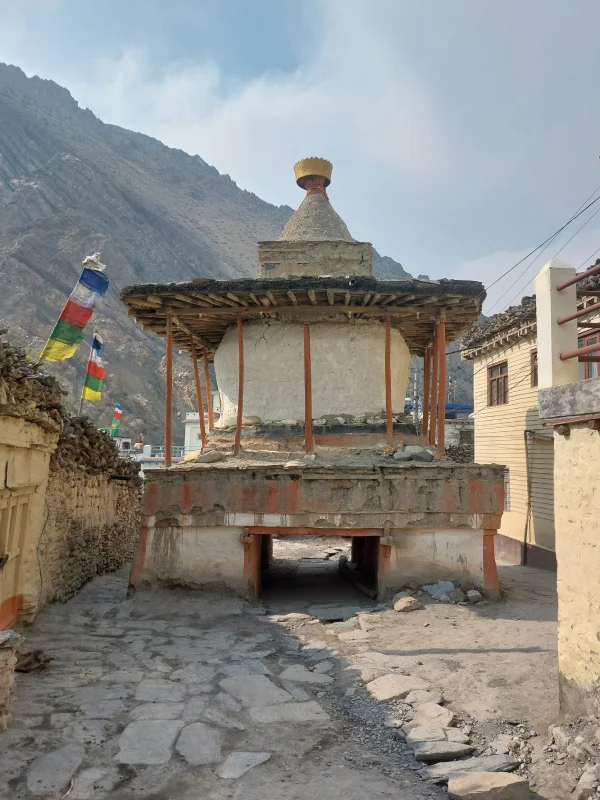
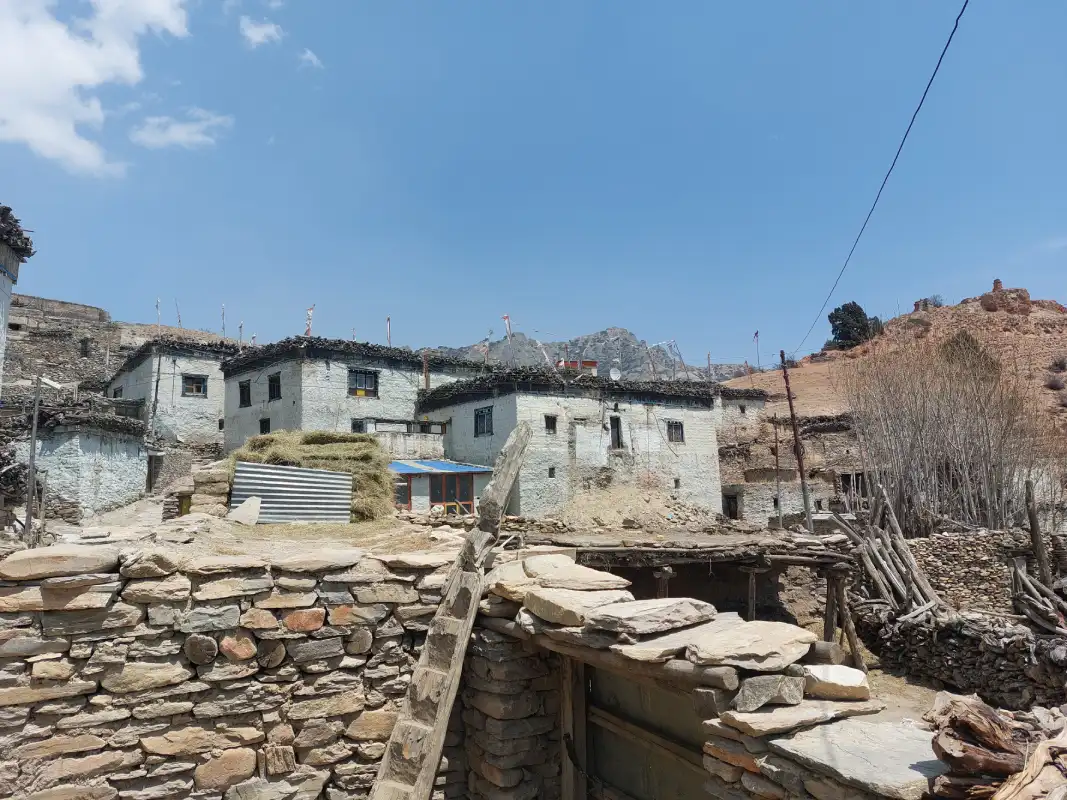
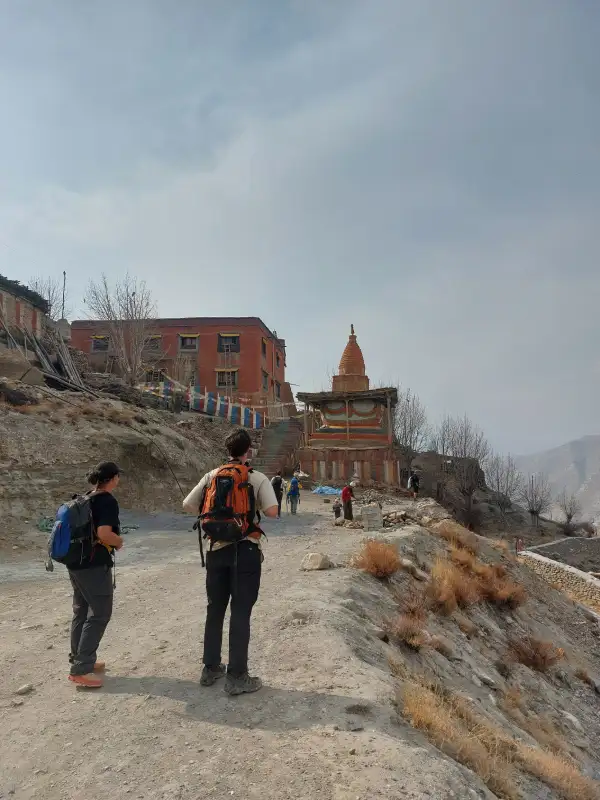
The journey begins with a scenic flight from Kathmandu to Pokhara, followed by a drive to Kagbeni, the gateway to Upper Mustang. From Kagbeni, one will go through mystical villages like Chele, Syanbochen, and Ghami, each of which has its own charm and deep historical importance.
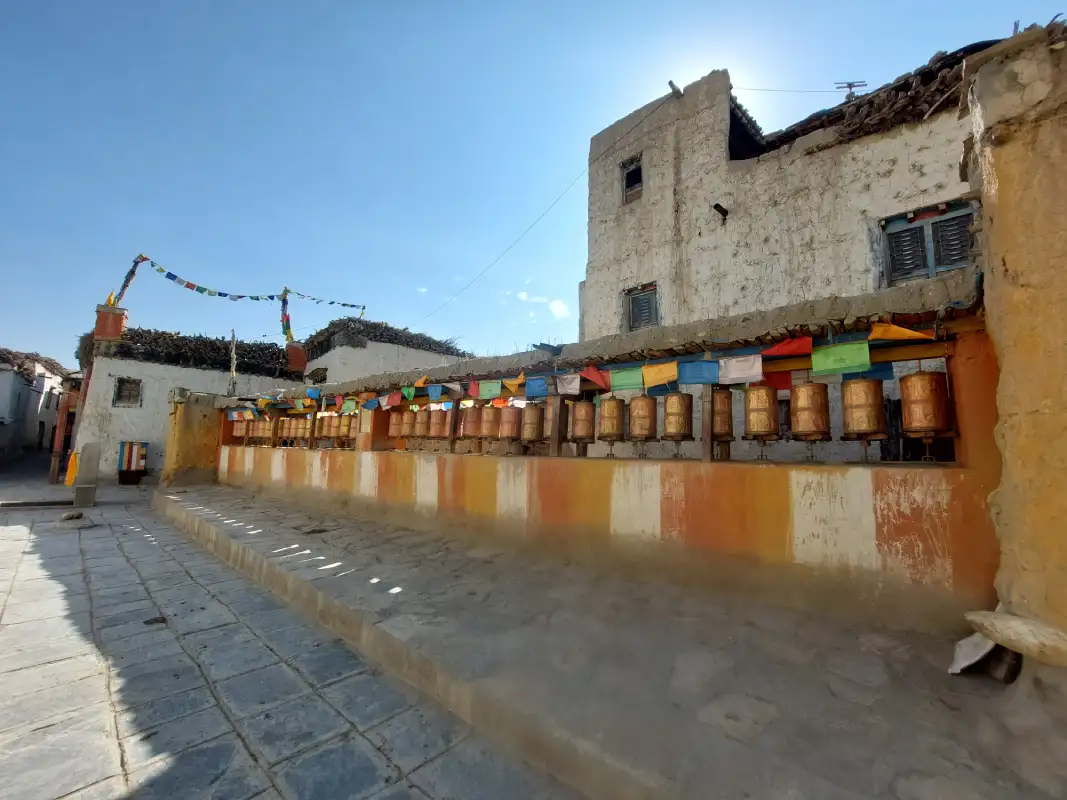
The area is mostly inhabited by the Loba people, who have a deep connection to Tibetan Buddhism. You will explore a way of life that has existed unchanged for centuries while travelling through these villages.
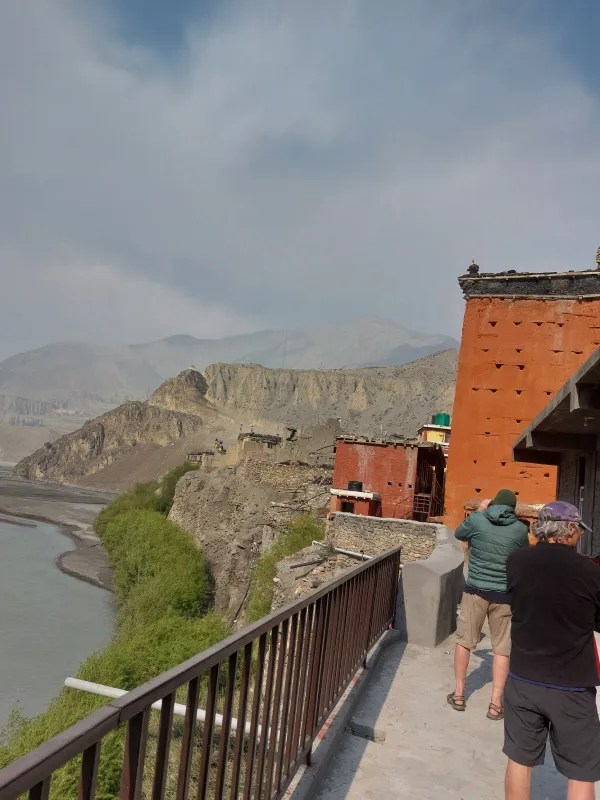
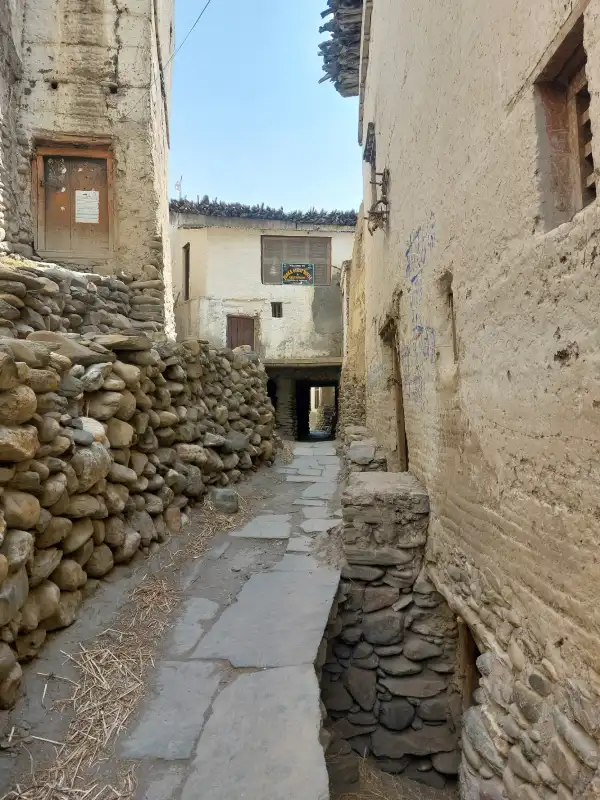
One of the most important highlights of this trek is Lo Manthang, the walled city that served as the former capital of the Kingdom of Mustang. Surrounded by a 25-foot wall, the city contains ancient monasteries, royal palaces, and narrow streets that take one’s imagination back in time with its nostalgia.
If you have time from late May to early June, then you can witness the magical Tiji Festival in Lo Manthang. It happens once a year and is a vibrant celebration of the victory of good over evil. The festival features traditional dance, music, and rituals that are nothing short of mesmerizing.
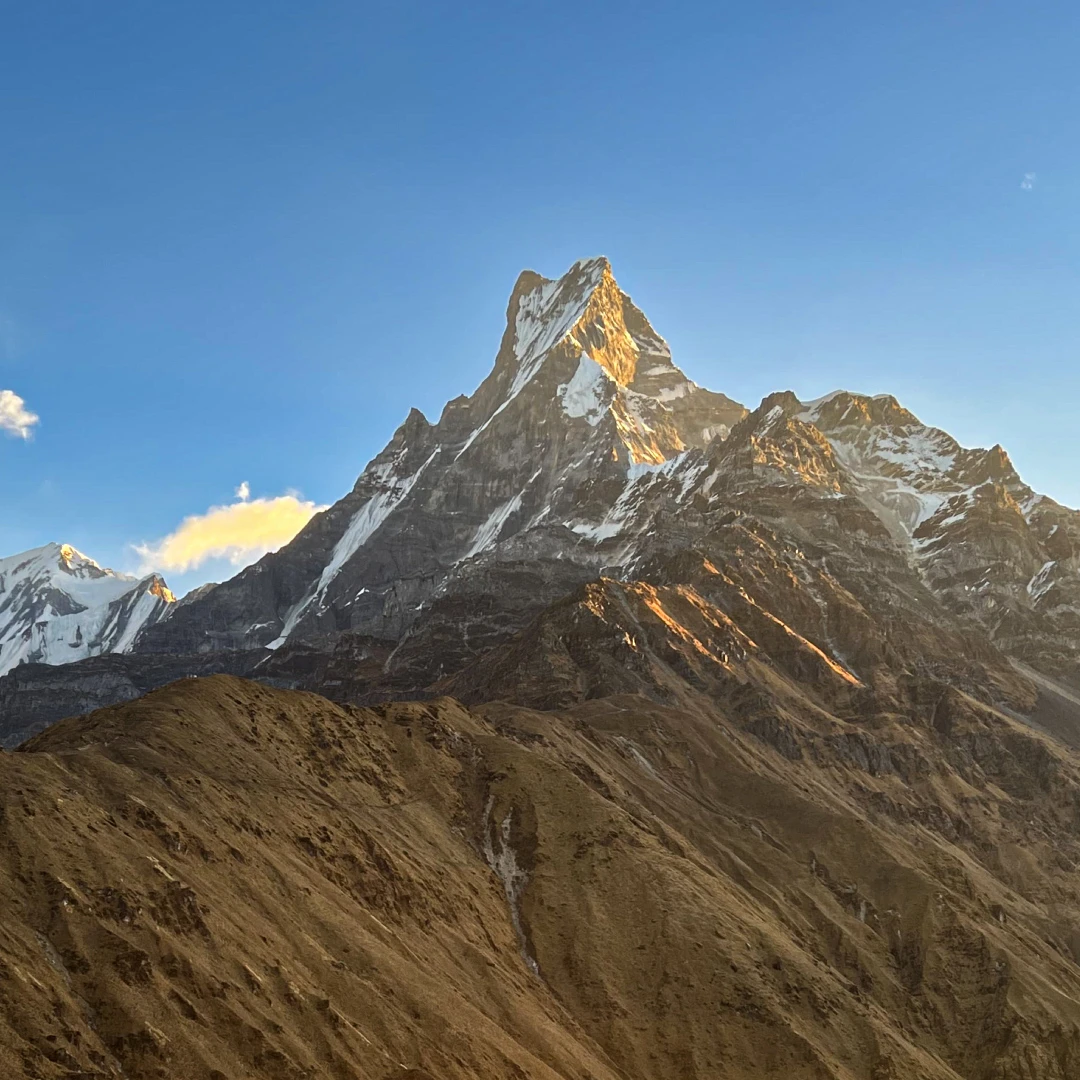
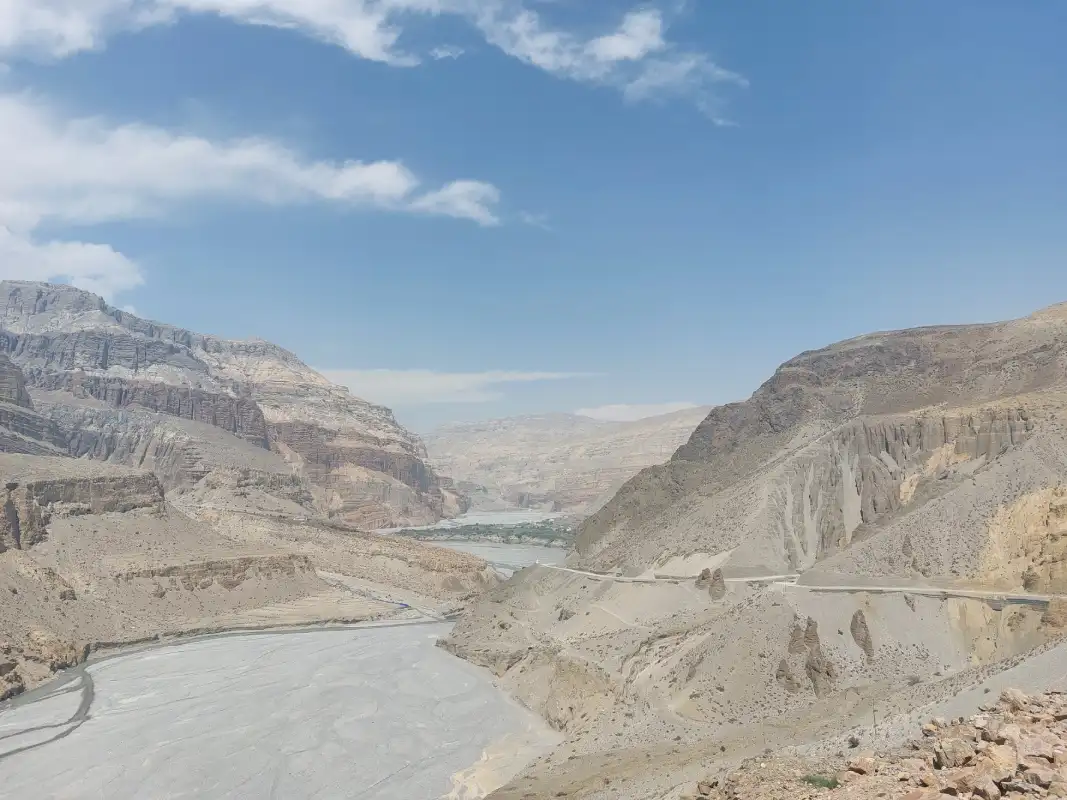
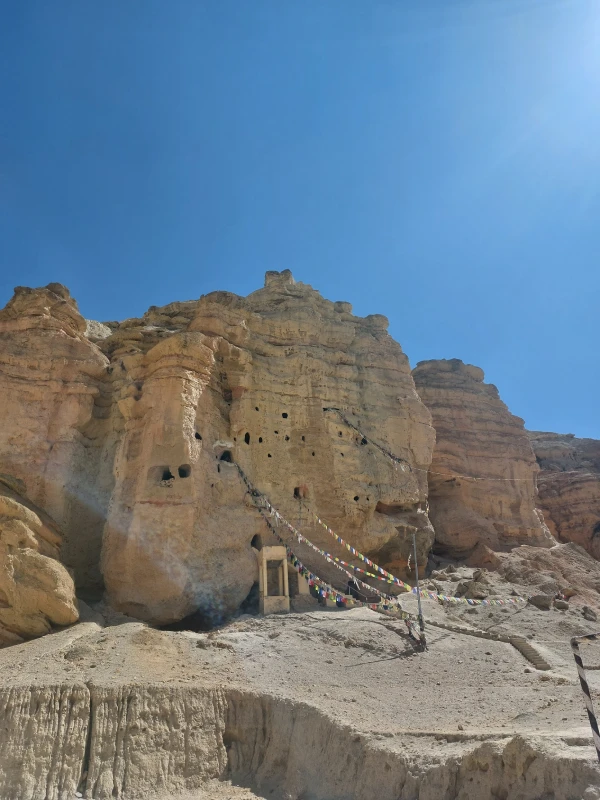
The trek also provides stunning views of the Nilgiri, Annapurna, and Dhaulagiri mountain ranges. One will have the opportunity to visit the sky caves of Mustang, which are carved into the cliffside and once served as the meditation rooms of Buddhist monks.
Included MealsBreakfast, Lunch & Dinner
Included MealsBreakfast, Lunch & Dinner
Included MealsBreakfast & Dinner
Included MealsBreakfast, Lunch & Dinner
Included MealsBreakfast, Lunch & Dinner
Included MealsBreakfast, Lunch & Dinner
Included MealsBreakfast & Dinner
Included MealsLunch & Dinner
Included MealsBreakfast, Lunch & Dinner
Included MealsLunch & Dinner
Included MealsBreakfast & Dinner
Included MealsBreakfast, Lunch & Dinner
Included MealsBreakfast, Lunch & Dinner
Included MealsBreakfast & Dinner
Included MealsBreakfast, Lunch & Dinner
Included MealsBreakfast, Lunch & Dinner
Included Meals
Yes. Upper Mustang is a restricted trekking area in Nepal. You need a Upper Mustang Restricted Area Permit (RAP), which costs USD 500 per person for the first 10 days and USD 50 per additional day. You also need an Annapurna Conservation Area Permit (ACAP) and a TIMS card.
No. The Nepal government mandates that all trekkers in Upper Mustang must be accompanied by a licensed trekking guide and trek in a group of minimum two people. Solo independent trekking is not permitted in this restricted zone.
The Upper Mustang Trek is rated moderate in difficulty. The trails are not technically demanding, but the high altitude (up to 3,840m in Lo Manthang), long daily walking hours, and remote terrain require a good level of physical fitness and mental endurance.
Prior trekking experience is recommended but not strictly required. If you are a first-time trekker, completing a shorter trek like the Ghorepani Poon Hill Trek or Langtang Valley Trek beforehand will help you prepare for Upper Mustang's demands.
The best seasons are March to November. Unlike most Nepal treks, Upper Mustang lies in a rain shadow zone north of the Himalayas, making it one of the few places in Nepal that can be trekked during the monsoon season (June–August) with relatively dry conditions.
Yes — this is one of Upper Mustang's greatest advantages. Because the region sits in the trans-Himalayan rain shadow, it receives very little monsoon rainfall, making June, July, and August perfectly viable and even popular months to trek when other Nepal trails are wet and leechy.
Nights in Upper Mustang can be bitterly cold year-round, especially at higher elevations. In spring and autumn, nighttime temperatures can drop to -5°C to -15°C. In winter (December–February), temperatures can plunge well below -20°C, making trekking extremely challenging.
The trek typically starts and ends in Jomsom, which is accessible by a short flight from Pokhara. From Pokhara, trekkers fly to Jomsom and begin the trail northward toward Lo Manthang. The journey begins with a flight from Kathmandu to Pokhara.
The Upper Mustang Trek offers something no other Nepal trek quite replicates — an immersive journey into a living ancient Tibetan kingdom, protected by its restricted status from mass tourism. It combines dramatic lunar landscapes, sky caves, ancient walled cities, living monasteries, and a monsoon-season viability that most Himalayan treks cannot offer. For trekkers seeking culture, history, remoteness, and raw Himalayan beauty in one journey, Upper Mustang is unmatched.
Trip Duration Days starting from Kathmandu and ending at Kathmandu
Trip Grade Moderate
Best Season March - May, September - November
Or
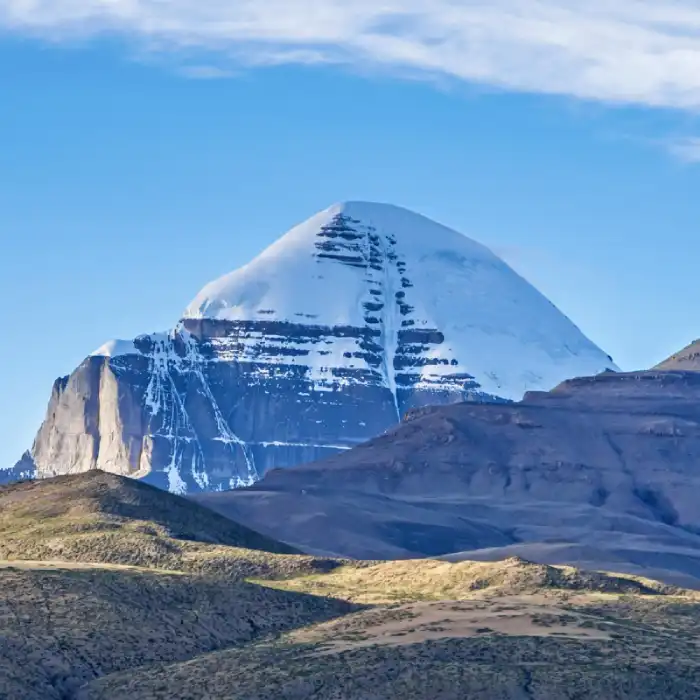
Mount Kailash stands at 6,638 metres. It has never been summited — n
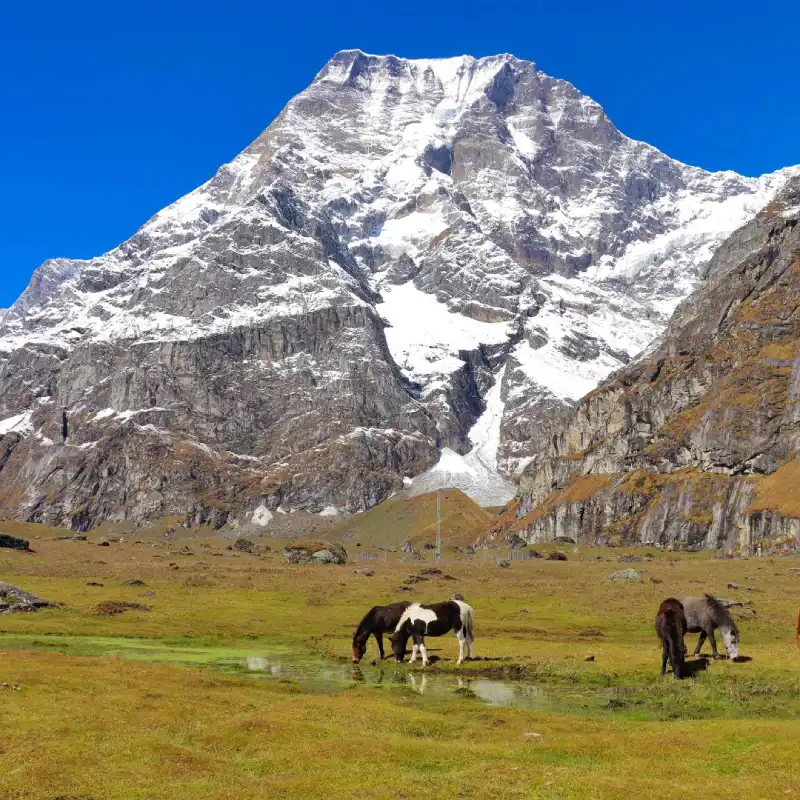
Far up and away in the remote west of Nepal, the Api Base Camp Trek un
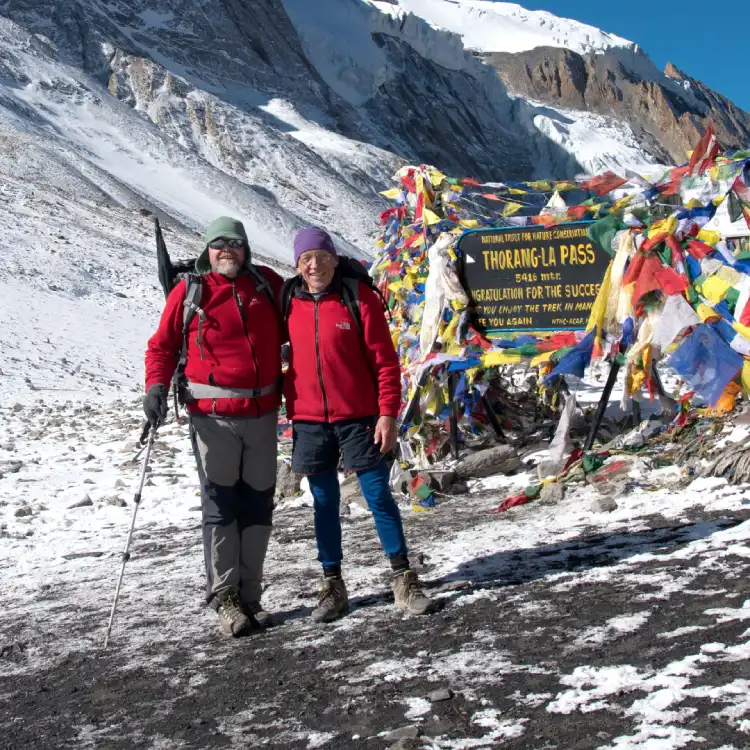
The combination of the magical Nar Phu Valley and the classic high-alt
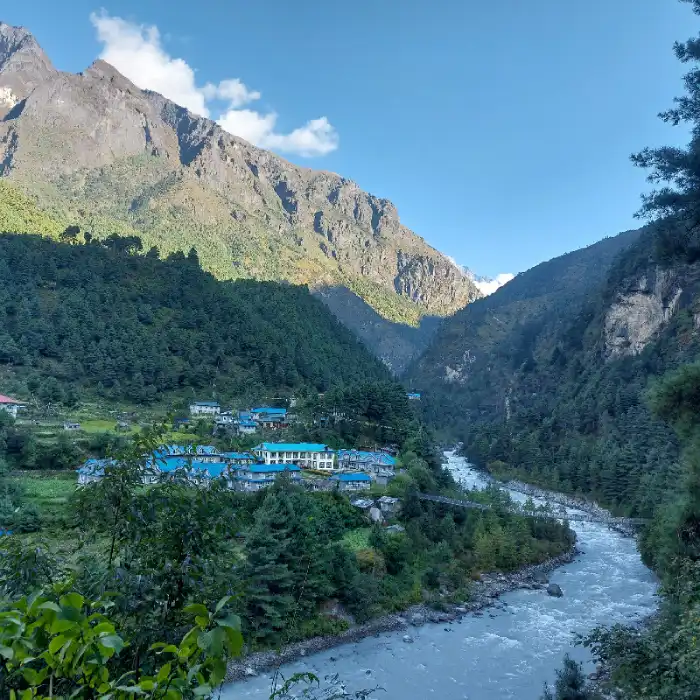
The Jiri to Everest Base Camp Trek follows the classic route taken by
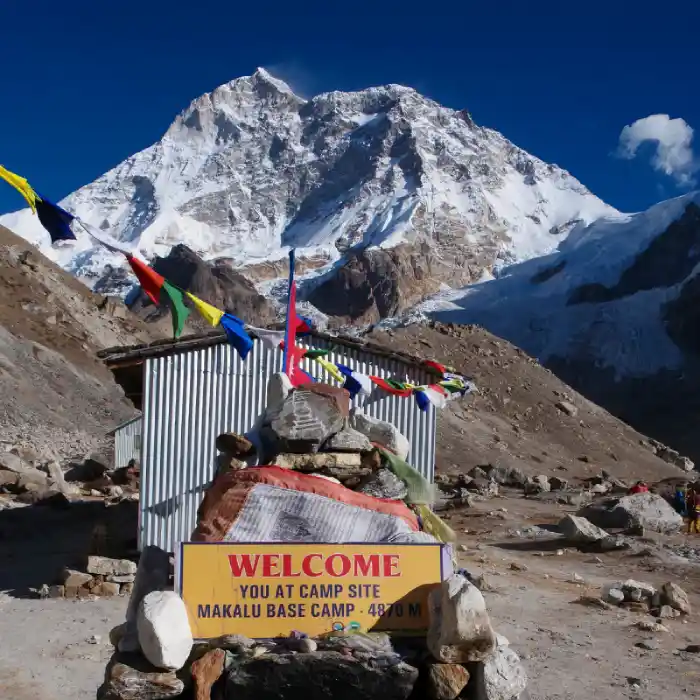
Makalu Base Camp Trek is truly an unforgettable adventure, covering so
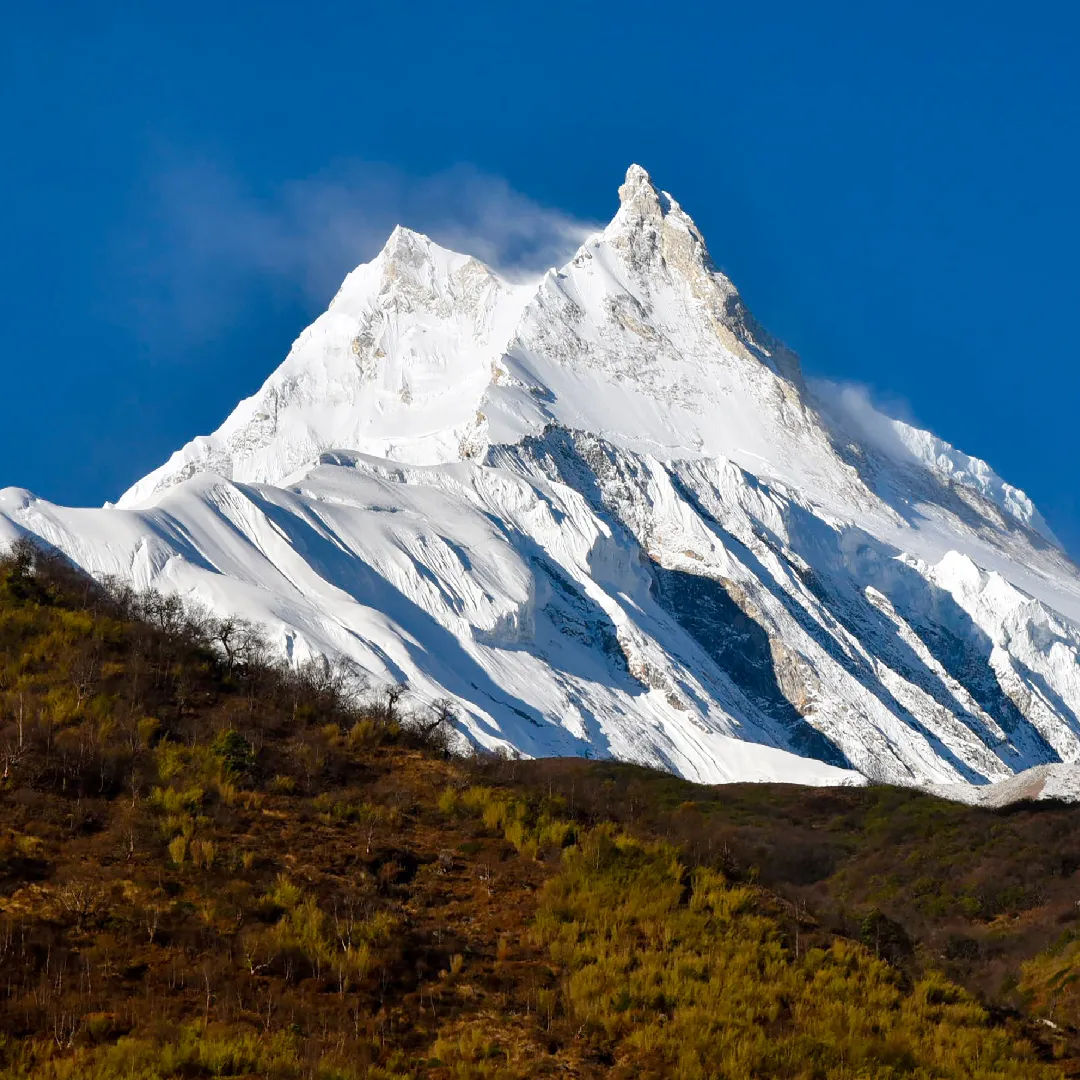
Manaslu Circuit Trek is one of the most beautiful trekking experiences
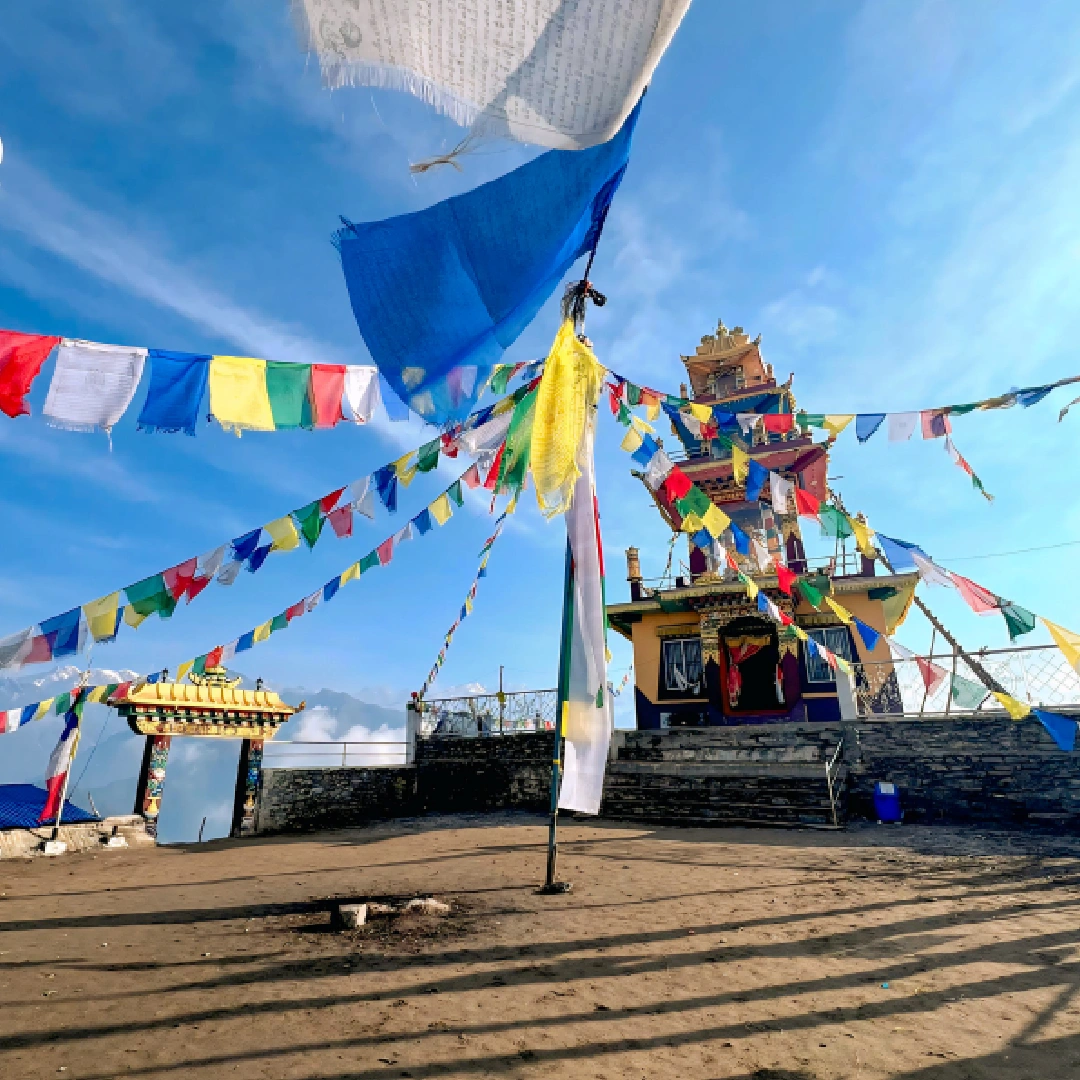
The Ama Yangri Trek is one of the popular short treks located in the H
The Langtang Valley Trek is an amazing journey into the heart of the L
Winding through the Langtang area near the Tibetan frontier, the Taman
The Everest Base Camp with Gokyo Lake trek is an extraordinary adventu
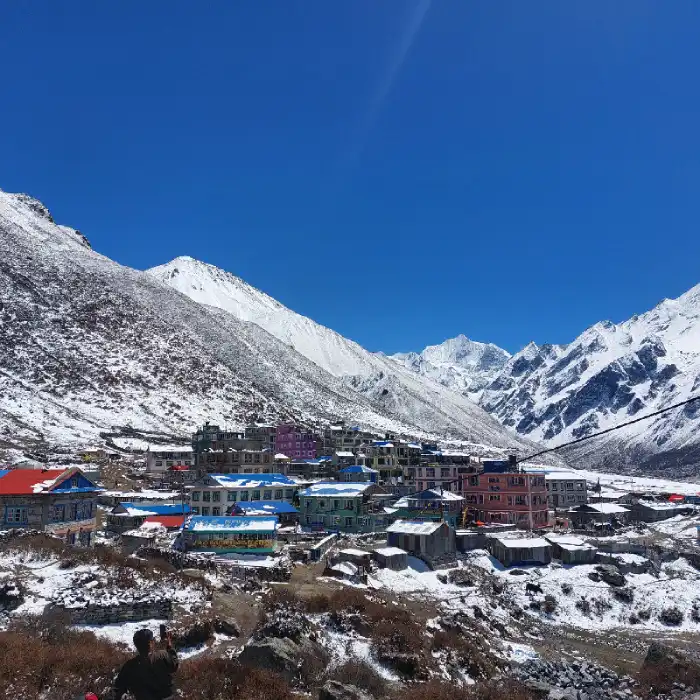
Kanchenjunga Base Camp trek is known as the hidden gem among the trekk
The Nar Phu Valley Trek is a hidden gem situated in the Annapurna regi
While the classic Annapurna Circuit continues to be one of the world’s
The Mardi Himal Trek is a perfect trek that offers a wonderful balance