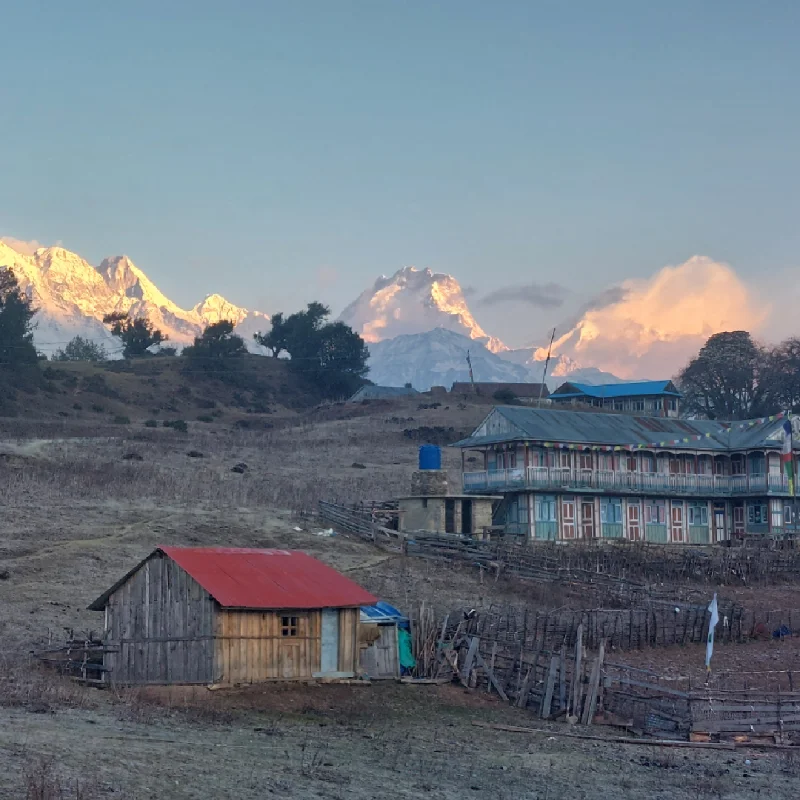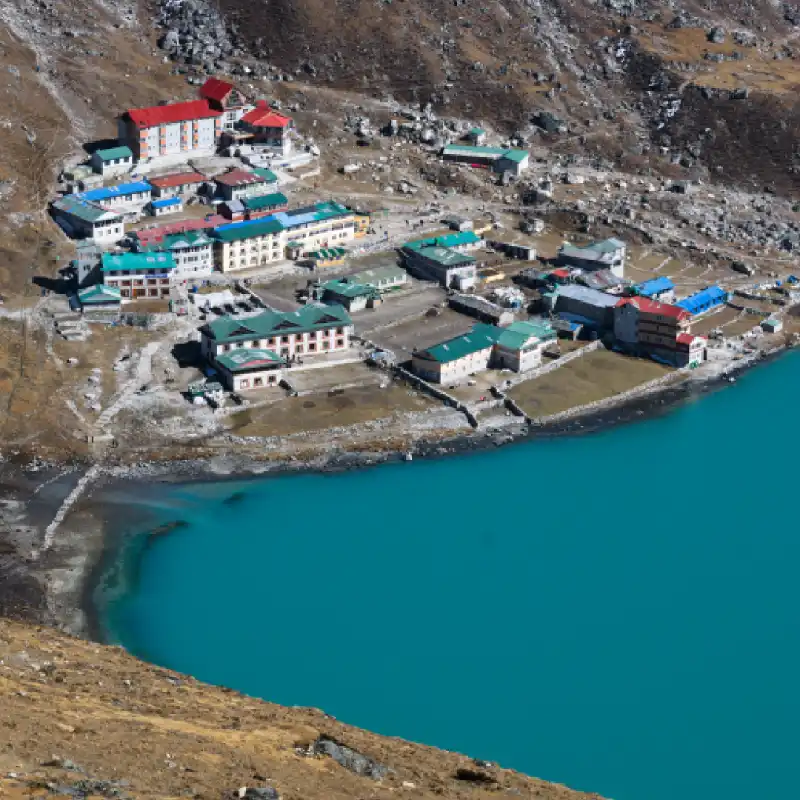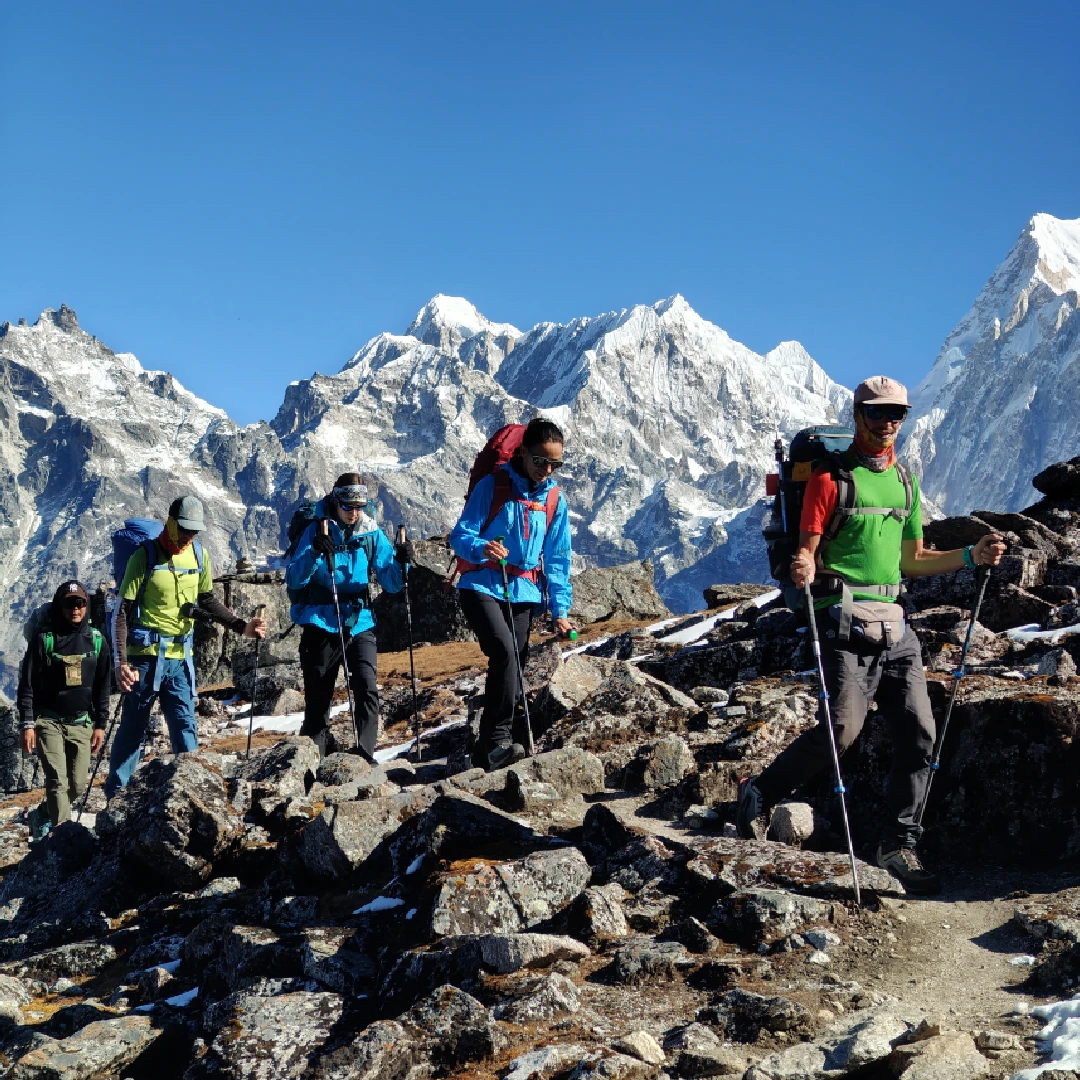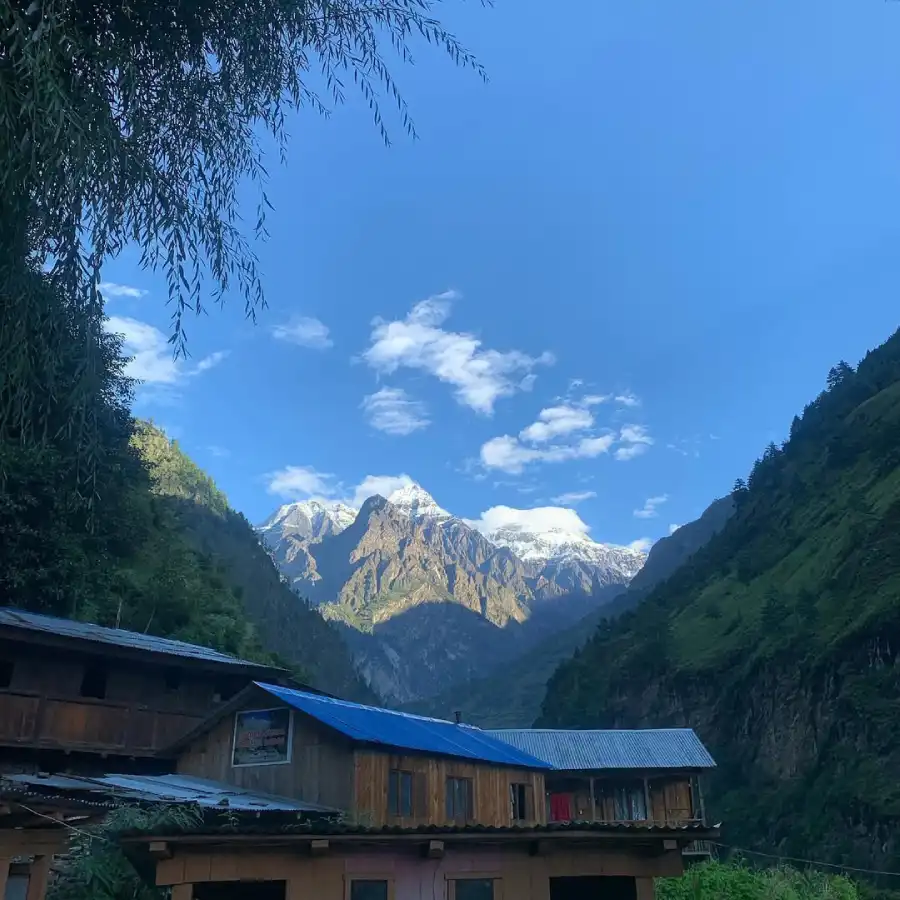
Trek through lush forests and charming villages to Annapurna Base Camp, experience the best of Nepal’s trekking.
Enquire NowTrip Duration 14 Days starting from Kathmandu and ending at Kathmandu
Trip Grade Moderate
Group Size 1 - 18 Pax
Max Height 4130m.
Best Season March - May, September - November
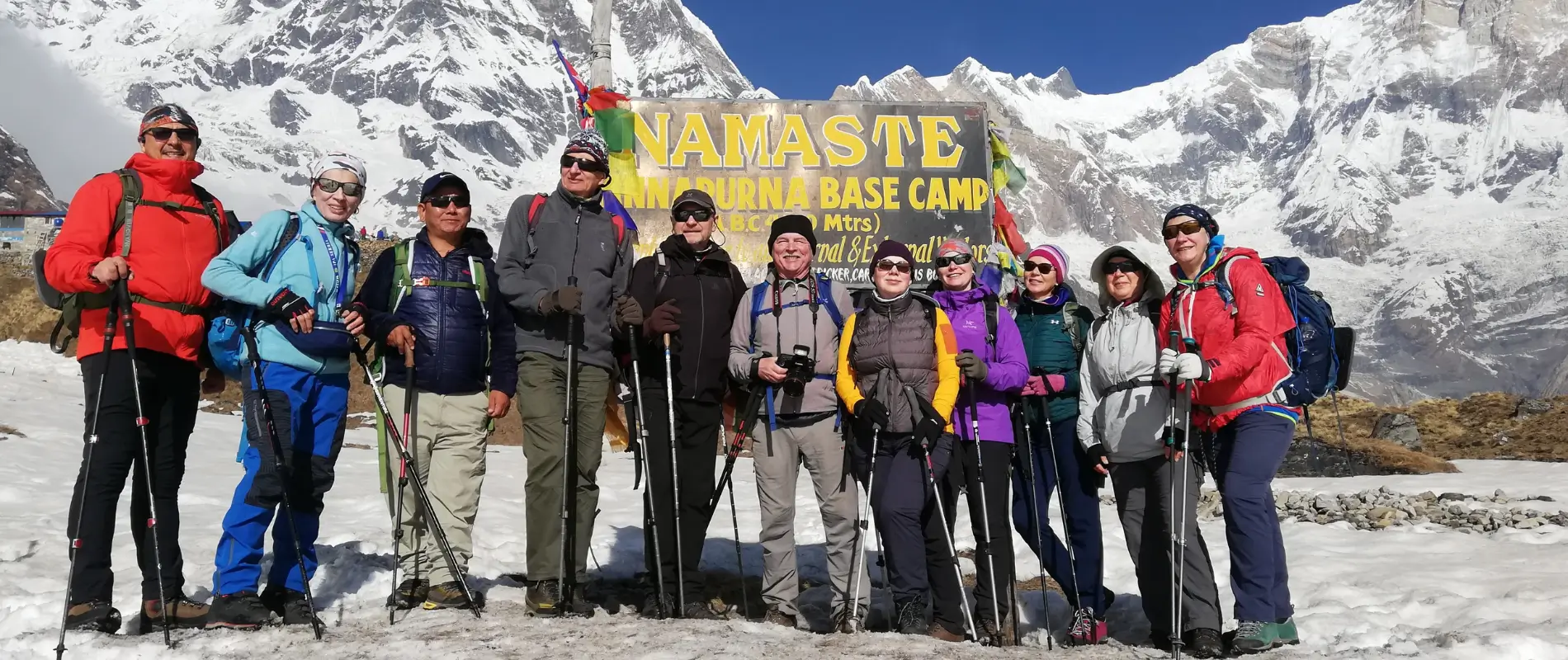
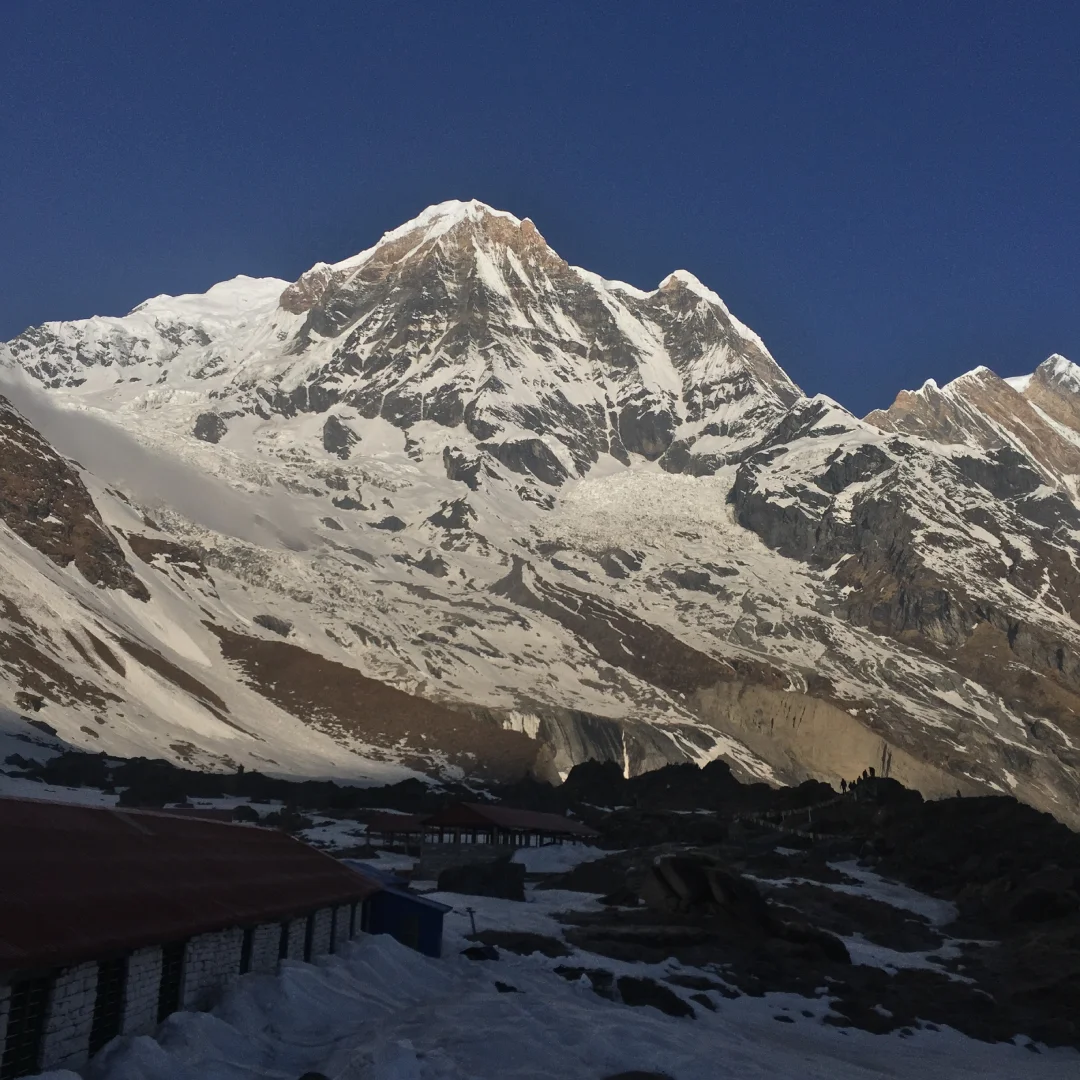
Nepal The Annapurna Base Camp (ABC) Trek is a journey into the heart of the Himalayas, offering a breathtaking blend of natural beauty and cultural immersion. This iconic trek takes you to the base camp of Annapurna I (8,091 m / 26,545 ft.), the world’s tenth highest mountain, surrounded by 360-degree panoramic views of the Annapurna range.
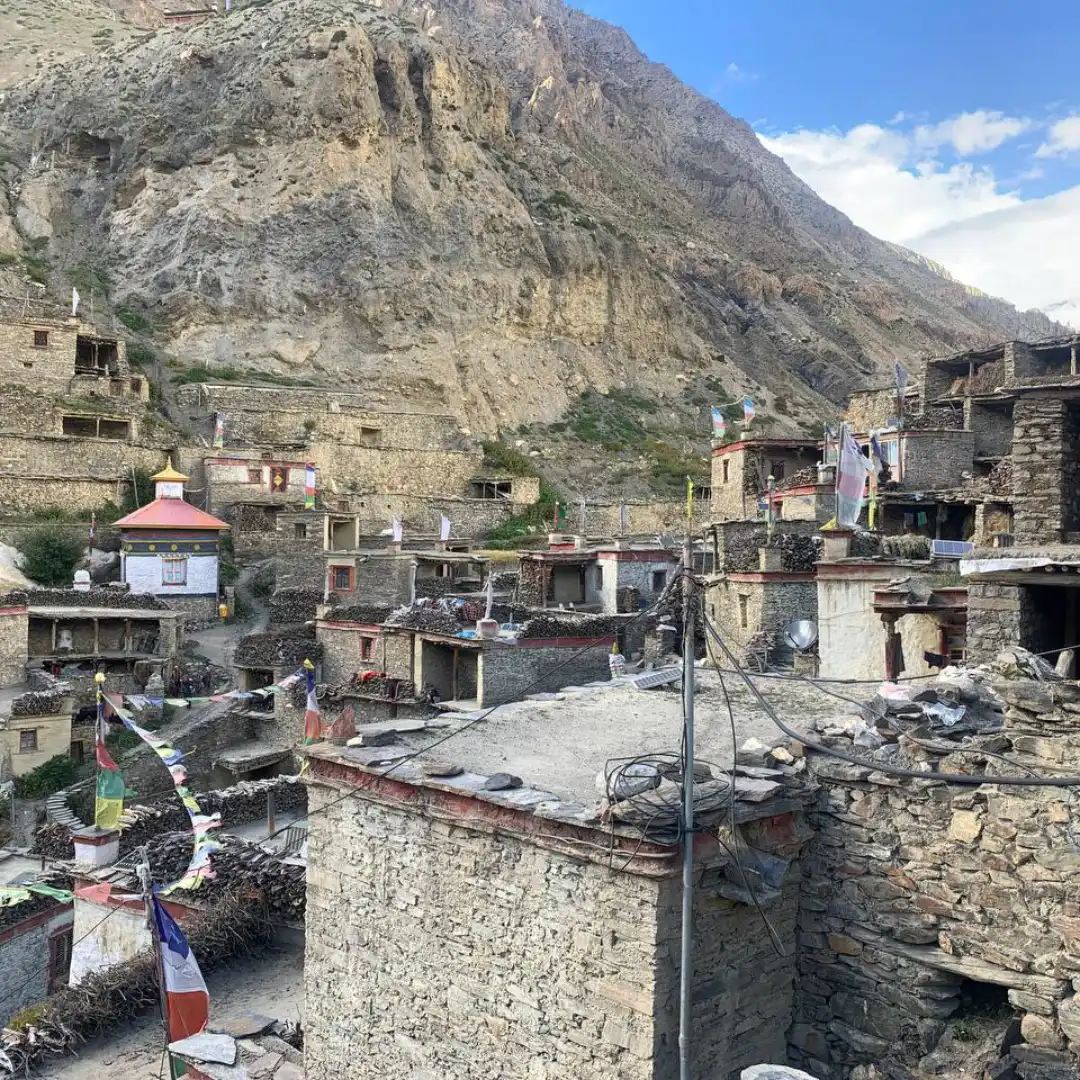
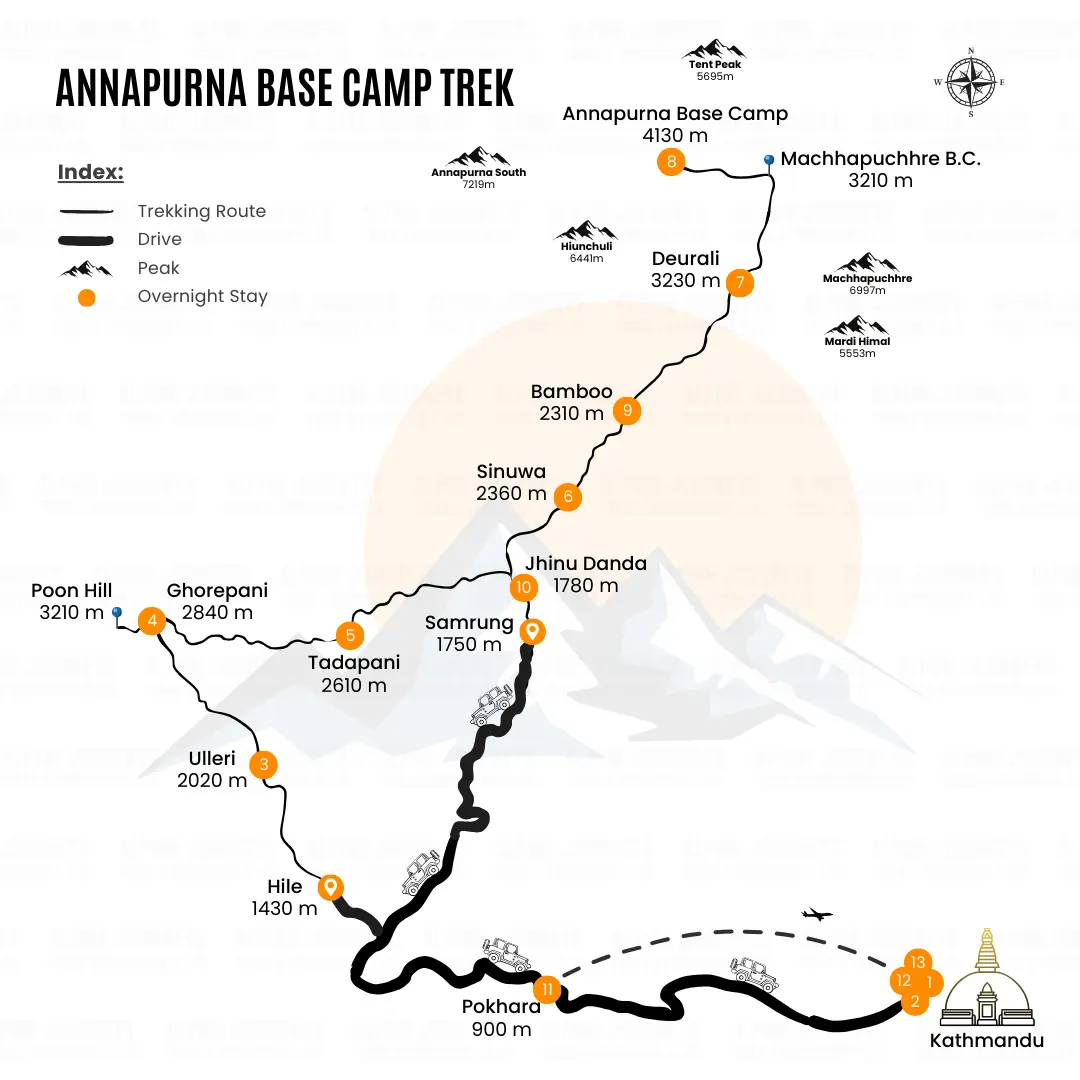
The journey begins with an 8-9 hour scenic drive from Kathmandu to Pokhara on the first day, and a 2-3 hour drive from Pokhara to Hile, the next morning. From here, you’ll gradually ascend through lush forests, terraced farmlands, and charming villages like Ulleri, Ghorepani, Tadapani, Sinuwa, Bamboo, and Deurali, each offering a unique glimpse into the local Gurung and Magar communities’ way of life.
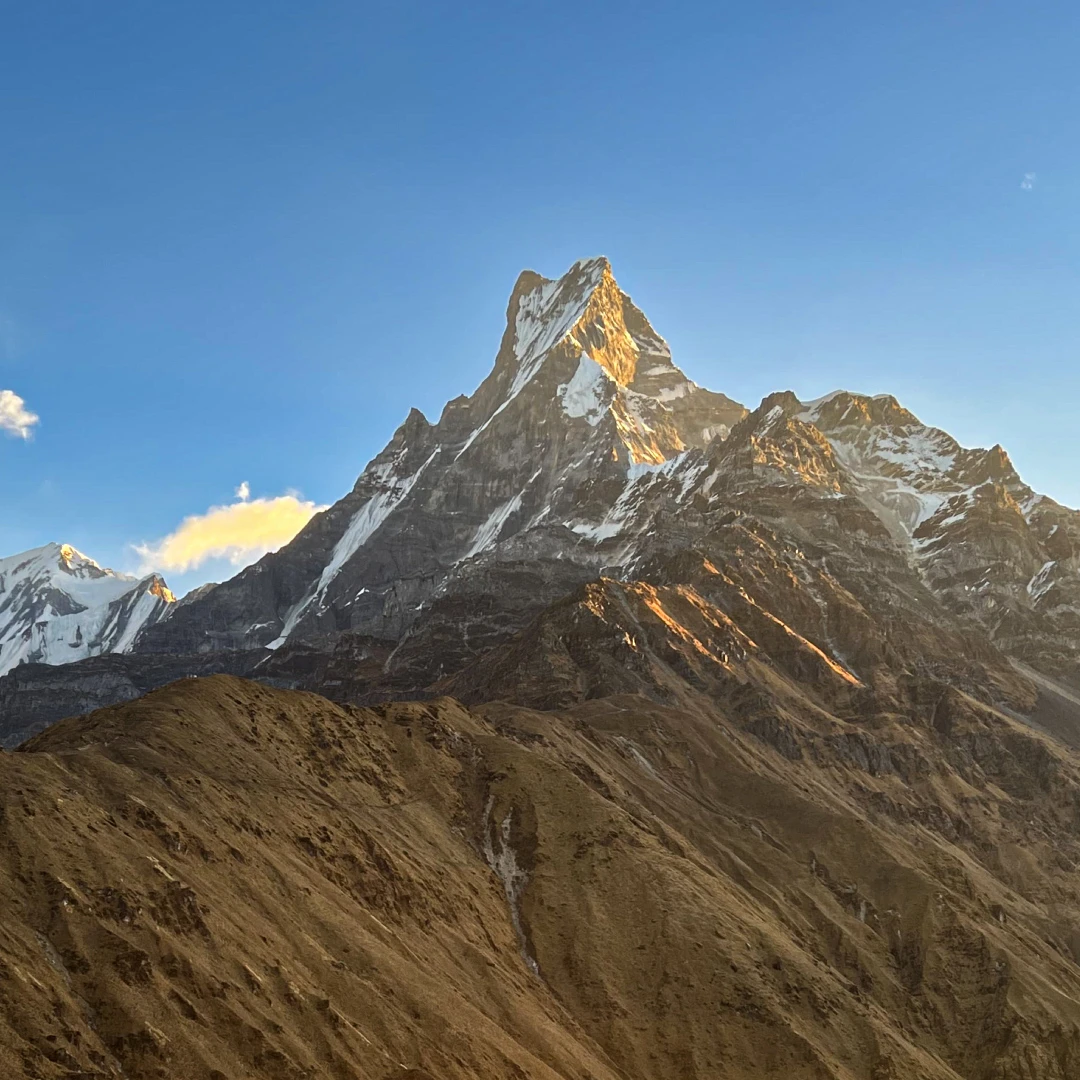
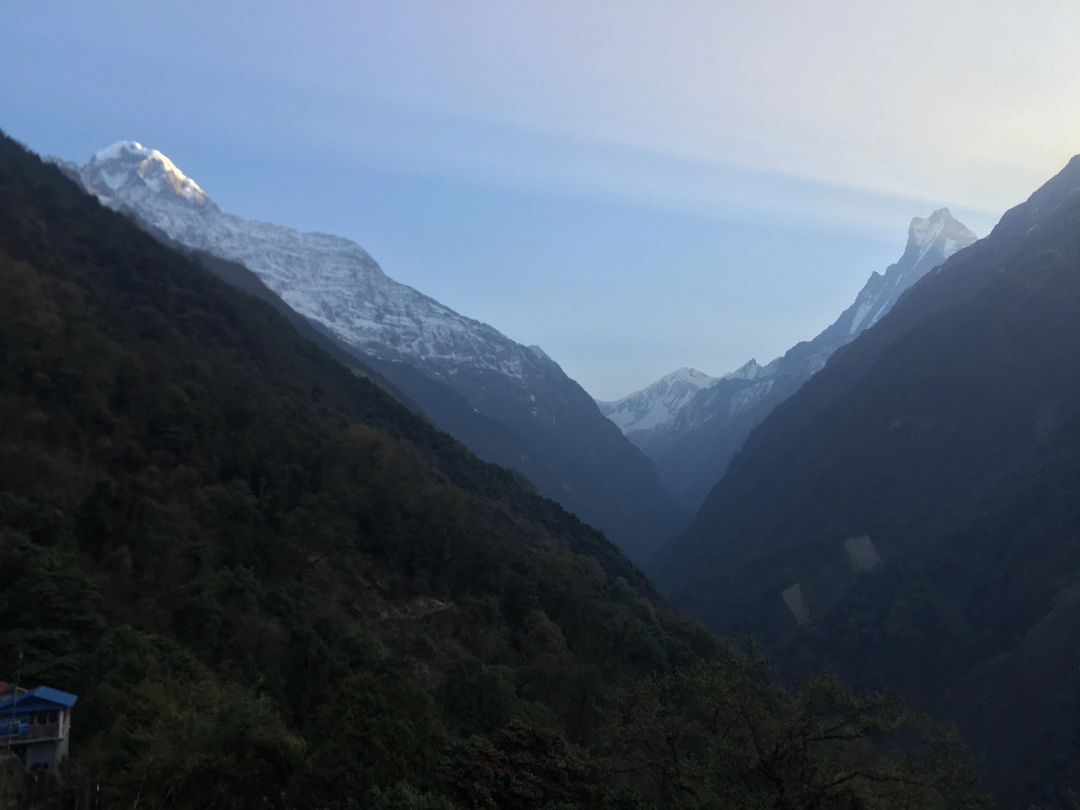
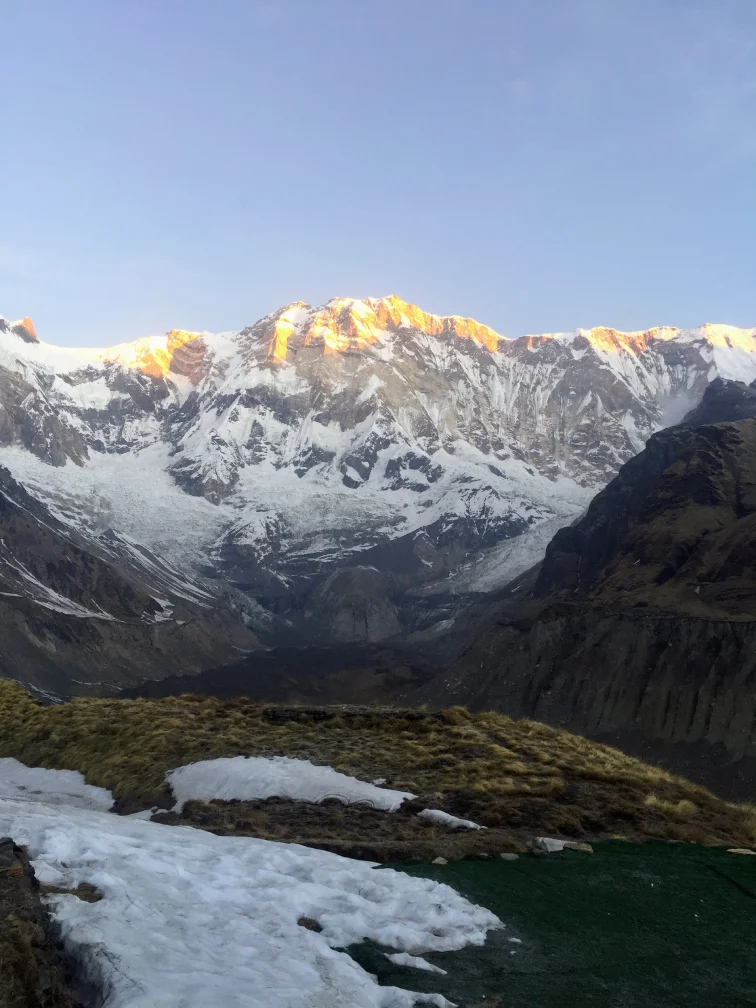
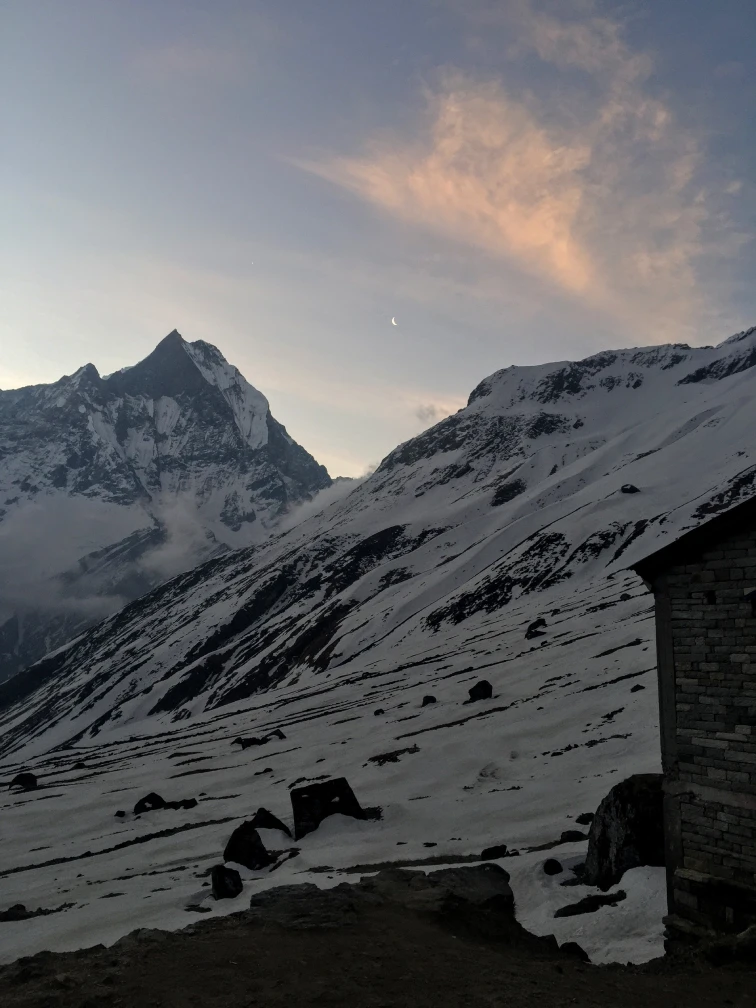
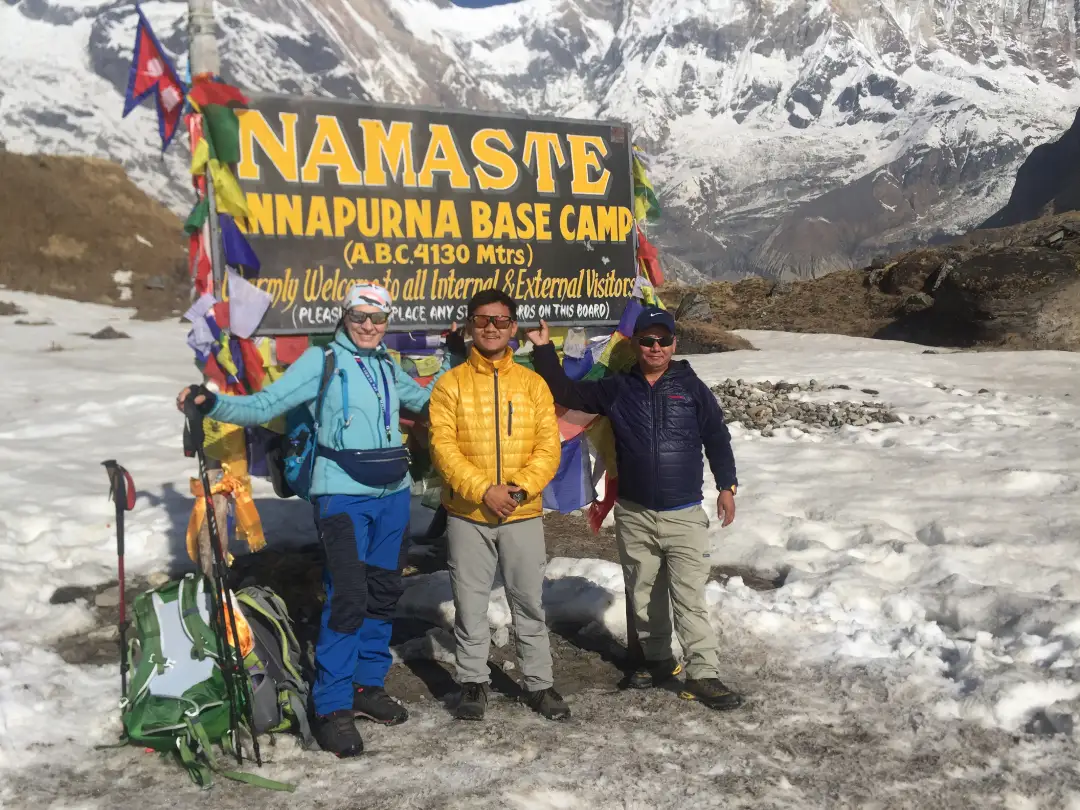
The trail also passes through Machhapuchhre Base Camp (MBC), also known as Fish Tail Base Camp. The ascent to this base camp is one of the most memorable parts of the trek. From MBC, the trail continues to Annapurna Base Camp, where you’ll be surrounded by a 360-degree panorama of towering peaks, including Annapurna I (8,091 m), Annapurna South (7,219 m), Hiunchuli (6,441 m), and Machhapuchhre (6,993 m).
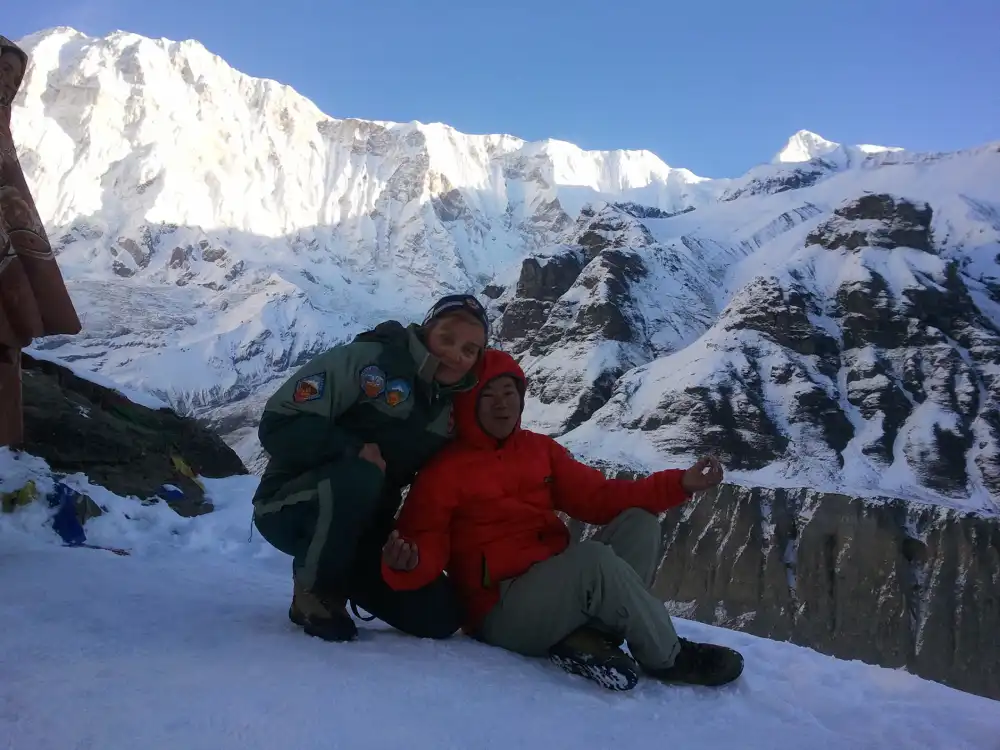
The sunrise from ABC is one of the important highlights of this trek. This moment is often described as one of the most magical experiences of the trek, leaving trekkers in surprise of nature’s beauty.
The descent from ABC takes you through a different route, passing through the village of Jhinu Danda, where you can soak in the natural hot springs. This is a perfect way to relax your muscles after the trek and enjoy the beauty of the surrounding landscape.
From Jhinu danda, you will take a short hike of 1 hour to reach Samrung. Here, one of our private tourist vehicles will be ready to take you to Pokhara. Finally, from Pokhara, you will take a 25-minute scenic flight back to Kathmandu.
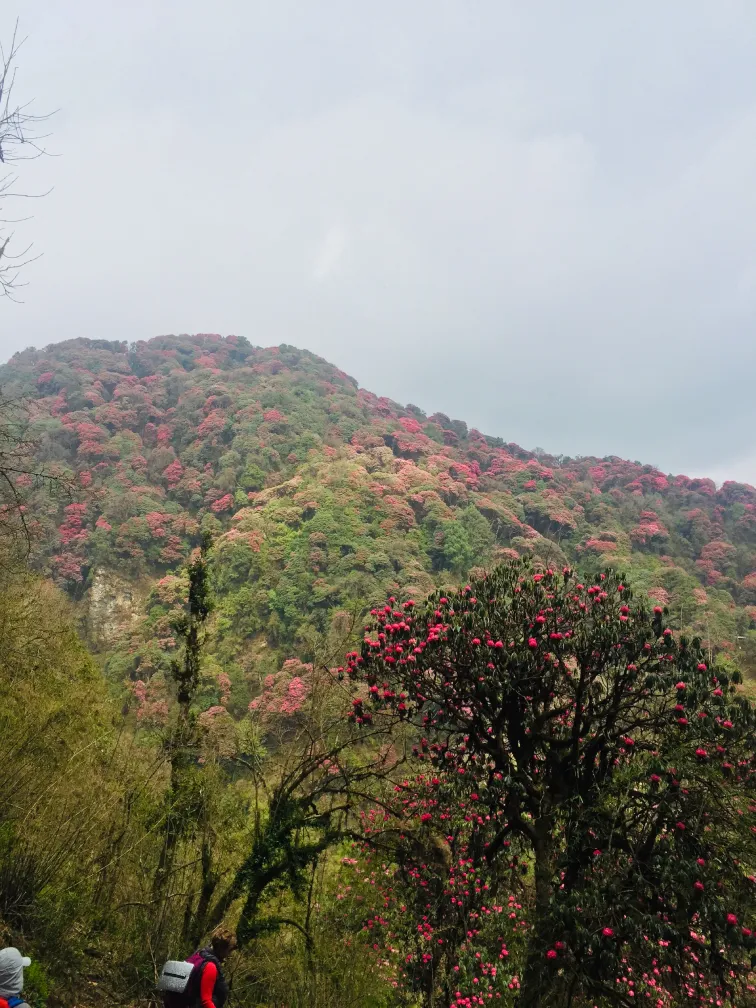
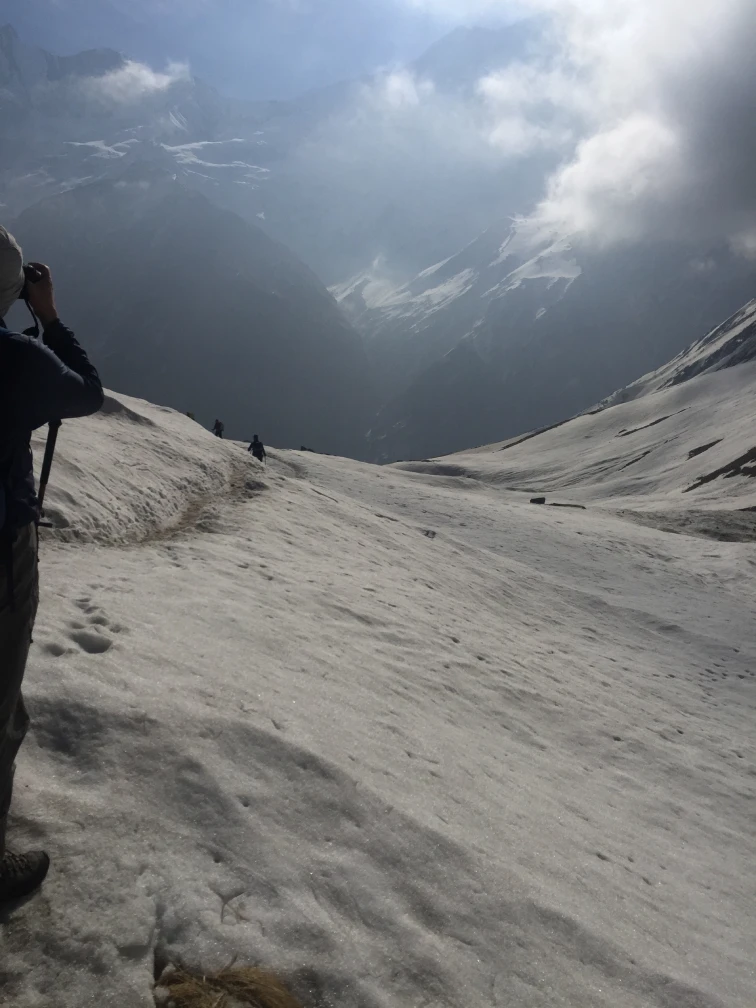
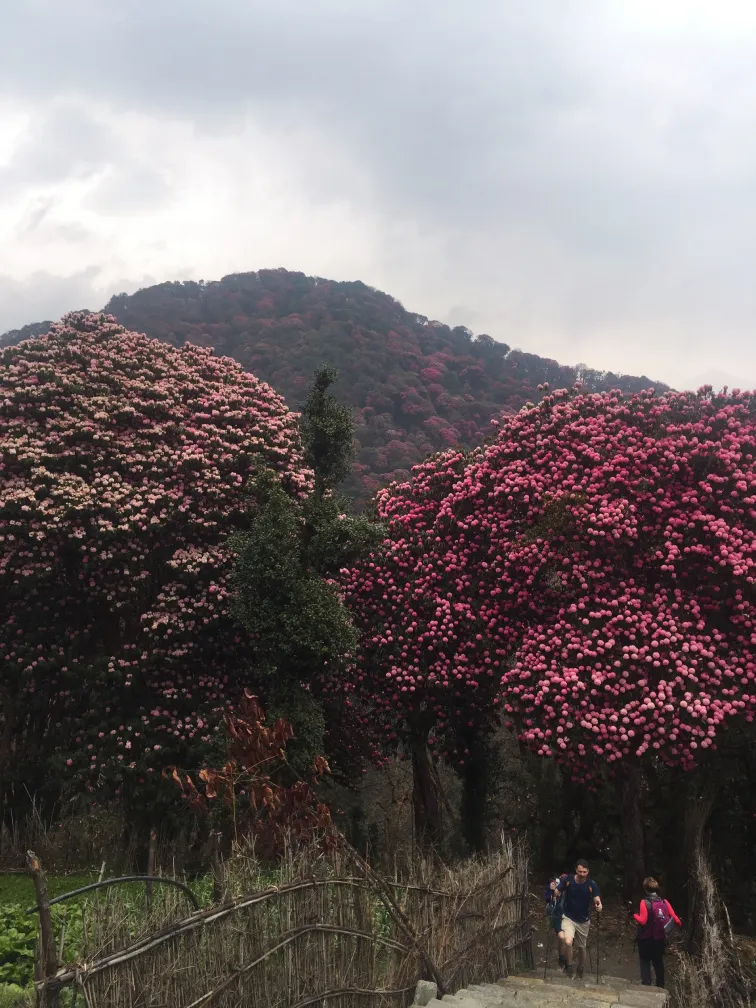
What sets the Annapurna Base Camp Trek apart is its accessibility and the diversity of landscapes it offers. From subtropical forests of bamboo and rhododendron to high-altitude alpine fields, the trek showcases the natural beauty of the Himalayas in all its glory.
Included MealsBreakfast
Included MealsBreakfast
Included MealsBreakfast
Included MealsBreakfast, Lunch and Dinner
Included MealsBreakfast, Lunch and Dinner
Included MealsBreakfast, Lunch and Dinner
Included MealsBreakfast, Lunch and Dinner
Included MealsBreakfast, Lunch and Dinner
Included MealsBreakfast, Lunch and Dinner
Included MealsBreakfast, Lunch and Dinner
Included MealsBreakfast and Lunch
Included MealsBreakfast
Included MealsBreakfast and Farewell Dinner
Included MealsBreakfast
Both the ACAP and TIMS card can be obtained at the Nepal Tourism Board offices in Kathmandu (Pradarshani Marg) or Pokhara (Tourist Service Center, Damside). Registered trekking agencies can also process both permits on your behalf. It is important to arrange all permits before reaching the trailhead, as they cannot be issued at Nayapul, Kimche, or any point along the trail itself. Always carry your original passport along with permits, as photocopies are not accepted at checkpoints.
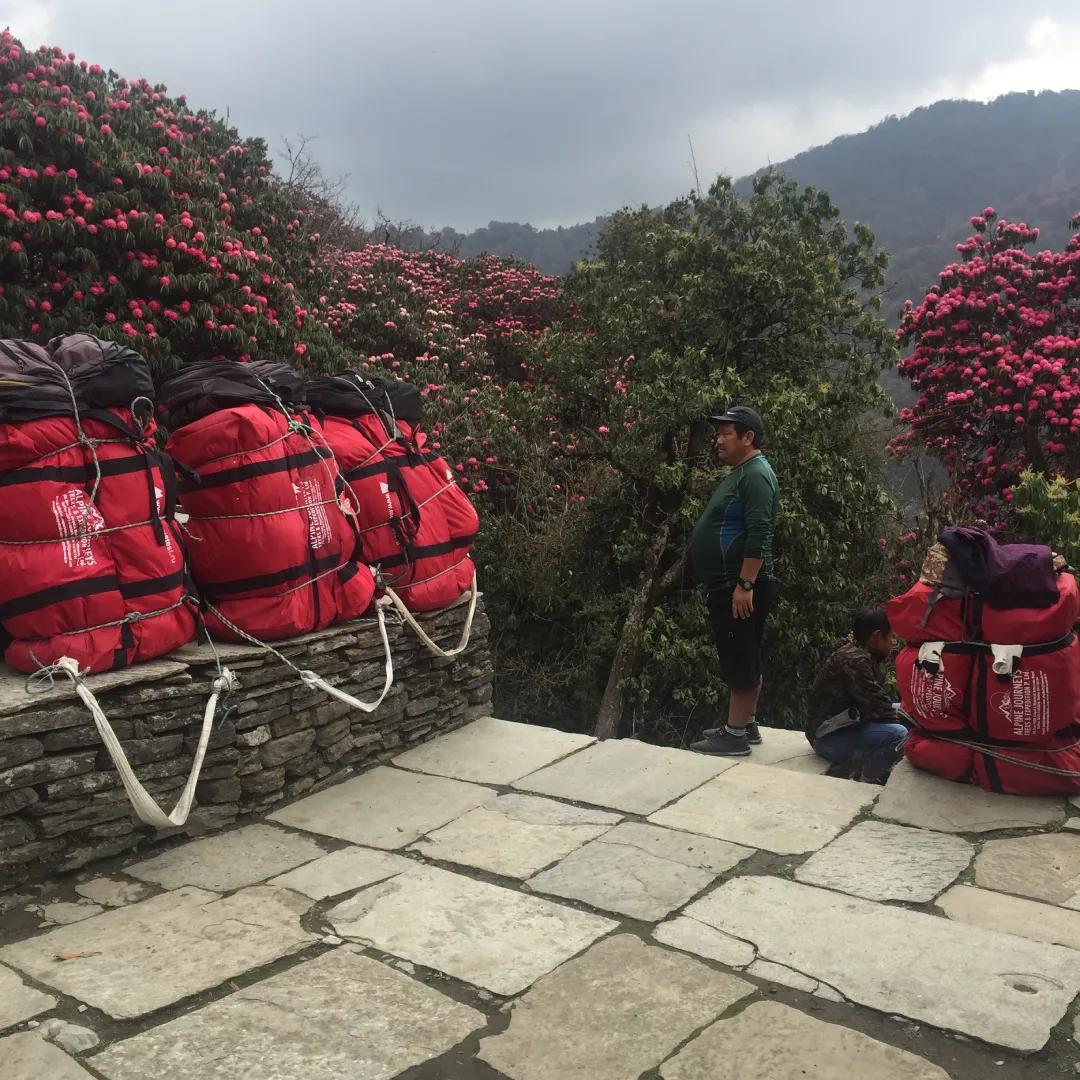
Yes. The Annapurna Base Camp Trek does not legally require a licensed guide or porter — independent trekking is permitted with valid ACAP and TIMS permits. However, hiring a licensed guide is strongly recommended, particularly for solo trekkers and first-time visitors to Nepal. A qualified guide improves safety on remote trail sections, assists with acclimatization decisions, provides cultural context in Gurung villages, and handles logistics efficiently. Porters are equally valuable for reducing pack weight and making the trek significantly more enjoyable.
Yes. There are several permit checkpoints along the Annapurna Base Camp Trek route where rangers verify both your ACAP permit and TIMS card. Key checkpoints are located at Nayapul, Ghandruk, Chhomrong, and at various points higher on the trail. Always keep your original permits and passport easily accessible in your daypack. Trekkers who cannot present valid permits at these checkpoints may be fined or required to turn back, so ensuring your documents are in order before departure is essential.
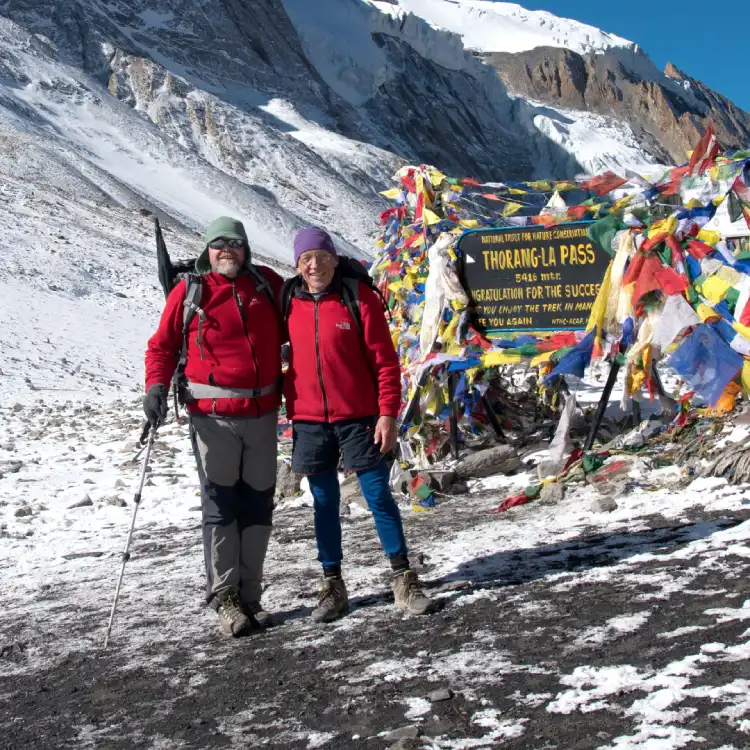
The highest point of the Annapurna Base Camp Trek is Annapurna Base Camp itself, situated at 4,130 meters (13,549 feet) above sea level. On the way up, trekkers also pass through Machhapuchhre Base Camp (MBC) at 3,700 meters, which serves as an important acclimatization waypoint. While 4,130m is considerably lower than Everest Base Camp (5,364m) or Thorong La Pass (5,416m), it is still high enough to cause altitude sickness in some trekkers, and proper acclimatization and hydration remain essential throughout the upper trail sections.
A moderate level of physical fitness is required for the Annapurna Base Camp Trek. Trekkers do not need to be elite athletes, but should be comfortable walking uphill for 5 to 8 hours per day on consecutive days. Training in the months before departure should include regular hiking, stair climbing, running, or cycling to build cardiovascular endurance and leg strength. Trekkers with prior experience on multi-day hikes or moderate-altitude treks will find the route very manageable. Those new to trekking should allow sufficient training time and choose an itinerary with adequate rest days.
The two best seasons for the Annapurna Base Camp Trek are spring (March to May) and autumn (October to November). Spring is particularly spectacular for the ABC trek, as the forests between Ghandruk and Chhomrong explode with blooming rhododendrons in vivid shades of red, pink, and white — creating some of the most scenic trekking conditions in Nepal. Autumn delivers the clearest skies and most stable weather, with outstanding views of Annapurna I (8,091m), Annapurna South, Hiunchuli, and Machhapuchhre (Fishtail Peak). Both seasons are ideal for completing the full ABC route safely.
The most common starting point for the Annapurna Base Camp Trek is Nayapul, a small roadhead approximately 1.5 hours by bus or taxi from Pokhara. From Nayapul, trekkers walk to Birethanti and then ascend toward Ghandruk. An increasingly popular alternative starting point is Kimche, reached by jeep from Pokhara, which allows trekkers to begin directly at Ghandruk and save a day of lower-valley walking. The trek typically ends at Nayapul or Birethanti, where vehicles return trekkers to Pokhara. Some trekkers exit via Jhinu Danda to enjoy the natural hot springs before descending.
Electricity is available at most teahouses along the Annapurna Base Camp Trek route, though at higher elevations it is primarily generated by solar panels and may be unreliable during overcast days. Charging devices is a paid service at most lodges, typically costing NPR 100 to NPR 300 per charge — bring a high-capacity power bank to reduce dependency on teahouse charging. WiFi is available in larger villages such as Ghandruk, Chhomrong, and Bamboo, but becomes unavailable above Dovan. Mobile signal (particularly NTC network) is present in lower villages but largely absent above Deurali and at Annapurna Base Camp.
Yes — comprehensive travel insurance is absolutely essential for the Annapurna Base Camp Trek. Your policy must explicitly cover high-altitude trekking (to at least 5,000m to provide adequate buffer), emergency helicopter evacuation, and full medical treatment costs. Helicopter rescues from the Annapurna Sanctuary — which occur regularly each season due to altitude sickness, injuries, and sudden weather changes — can cost USD 3,000 to USD 5,000 or more. Without valid insurance, this cost falls entirely on the trekker or their family. Never begin this trek without a confirmed travel insurance policy that covers all these eventualities.
The Annapurna Base Camp Trek is celebrated for its extraordinary diversity of natural landscapes packed into a single continuous journey. The lower trail winds through terraced rice paddies, subtropical jungle, and spectacular rhododendron forests that bloom brilliantly in spring. Higher sections pass through bamboo groves and dramatic river gorges carved by the Modi Khola. The crowning natural highlight is the Annapurna Sanctuary itself — a high glacial basin encircled by a 360-degree amphitheater of towering Himalayan peaks including Annapurna I (8,091m), Annapurna South, Gangapurna, Hiunchuli, and the iconic Machhapuchhre. Few trekking destinations in the world offer this quality of mountain immersion.
The Annapurna Conservation Area supports a diverse array of Himalayan wildlife, and the ABC trek trail offers genuine opportunities for wildlife sightings at various elevations. In the lower forested sections between Ghandruk and Chhomrong, langur monkeys are commonly spotted in the tree canopy, while barking deer are sometimes seen near forest clearings. Himalayan thar (wild goat) and blue sheep (bharal) can occasionally be spotted on rocky slopes near the upper Modi Khola valley. Bird enthusiasts will be rewarded with sightings of the Himalayan Monal pheasant — Nepal's brilliantly colored national bird — along with eagles, vultures, and numerous forest bird species throughout the route.
Trip Duration 14 Days starting from Kathmandu and ending at Kathmandu
Trip Grade Moderate
Best Season March - May, September - November
Or
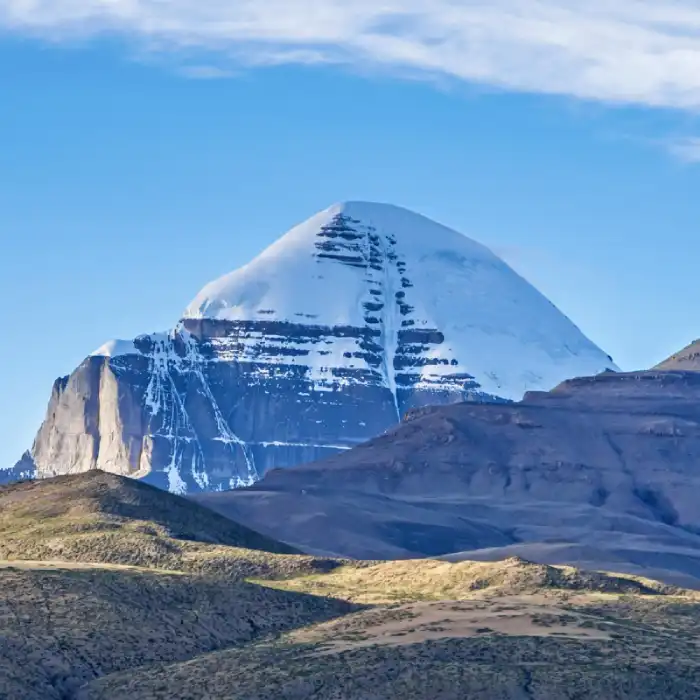
Mount Kailash stands at 6,638 metres. It has never been summited — n
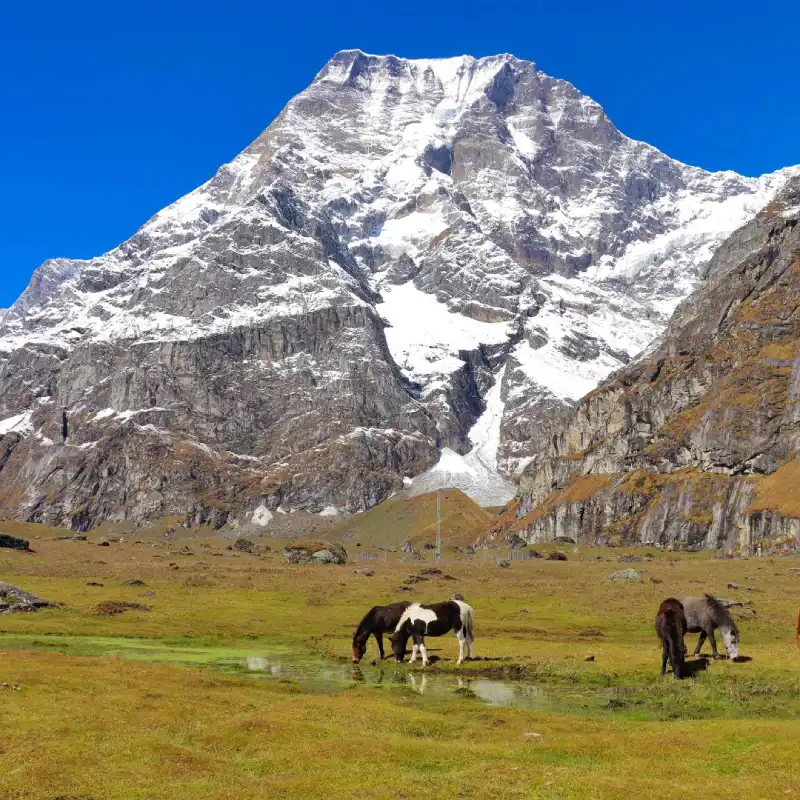
Far up and away in the remote west of Nepal, the Api Base Camp Trek un
The combination of the magical Nar Phu Valley and the classic high-alt
The Jiri to Everest Base Camp Trek follows the classic route taken by
Makalu Base Camp Trek is truly an unforgettable adventure, covering so
Manaslu Circuit Trek is one of the most beautiful trekking experiences
The Ama Yangri Trek is one of the popular short treks located in the H
The Langtang Valley Trek is an amazing journey into the heart of the L
Winding through the Langtang area near the Tibetan frontier, the Taman
The Everest Base Camp with Gokyo Lake trek is an extraordinary adventu
Kanchenjunga Base Camp trek is known as the hidden gem among the trekk
The Nar Phu Valley Trek is a hidden gem situated in the Annapurna regi
While the classic Annapurna Circuit continues to be one of the world’s
The Mardi Himal Trek is a perfect trek that offers a wonderful balance