Travel through the land beyond the Himalayas, where Nepal’s deepest lake and snow leopards thrive.
Enquire NowTrip Duration Days starting from Kathmandu and ending at Kathmandu
Trip Grade Tough
Group Size 1 - 18 Pax
Max Height 5306m.
Best Season March - May, September - November
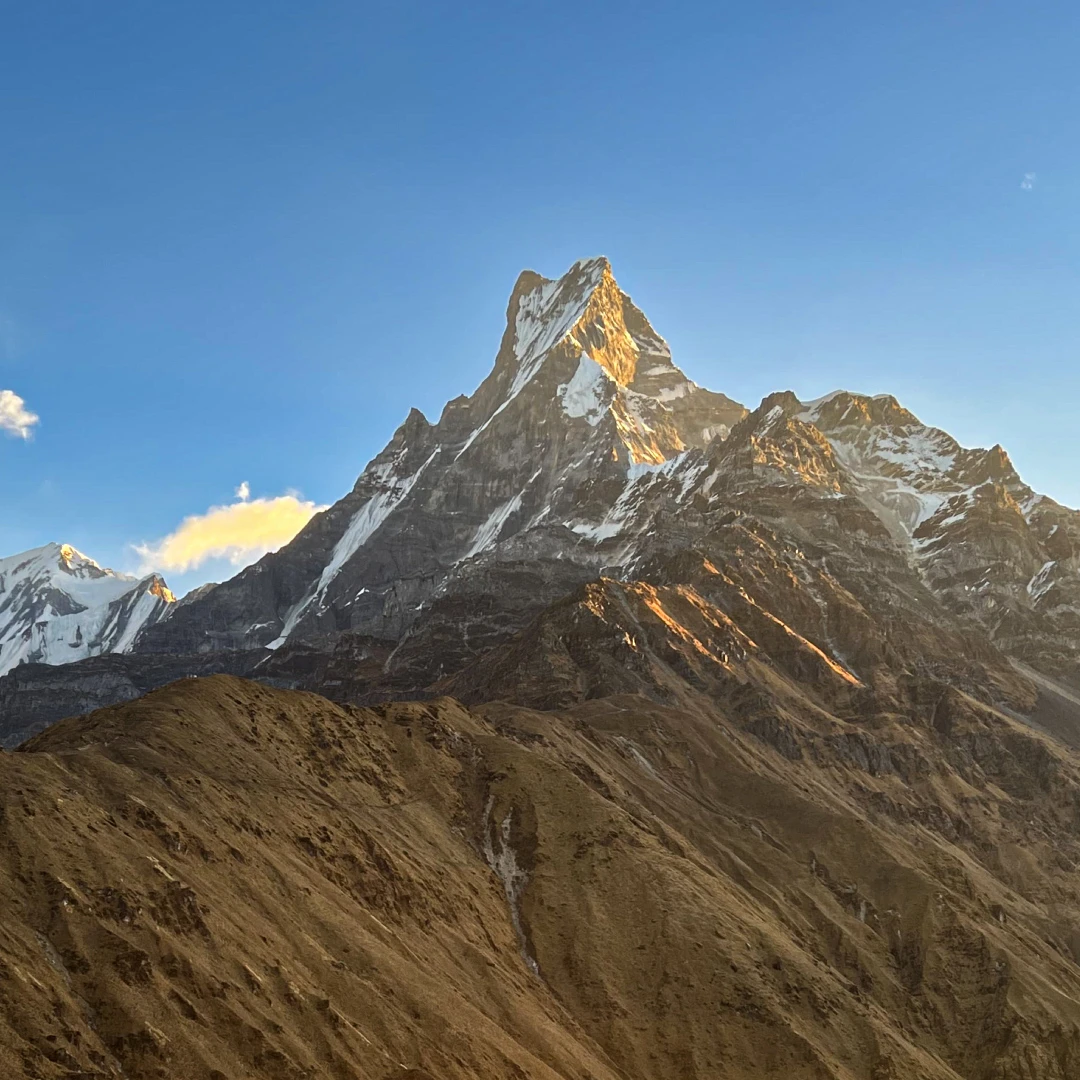
The Upper Dolpo Trek is one of the most beautiful and isolated adventures into one of Nepal’s most remote and culturally rich regions. The Upper Dolpo region of Nepal is also often referred to as the Land beyond the Himalayas.
Arriving in Kathmandu, you will have time to explore the vibrant city and its historic places. You will take a 1-hour flight to Nepalgunj and a 30-minute flight to Juphal. From this point on, your trekking journey starts.
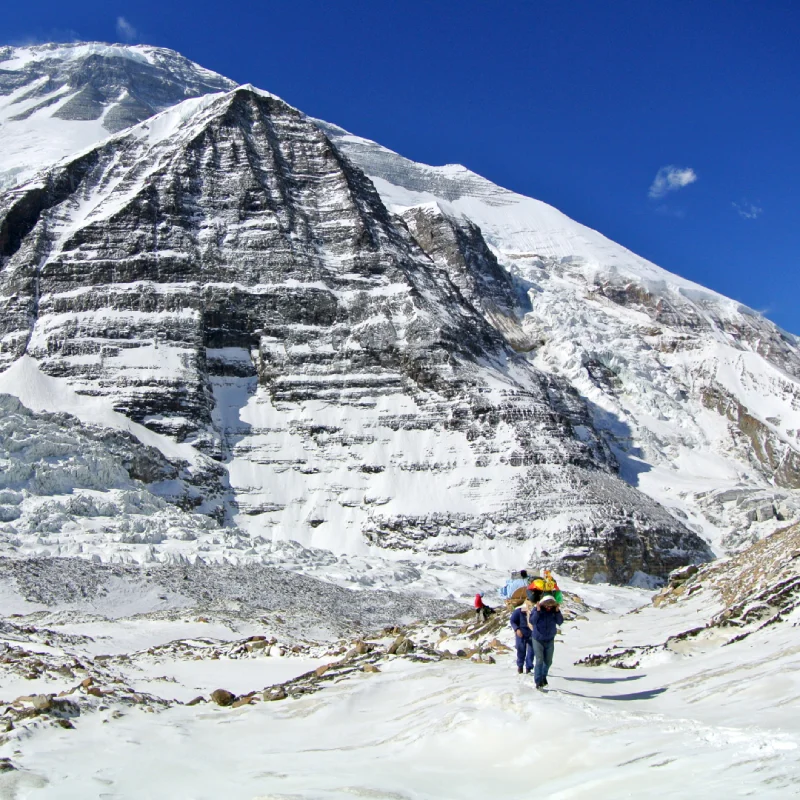
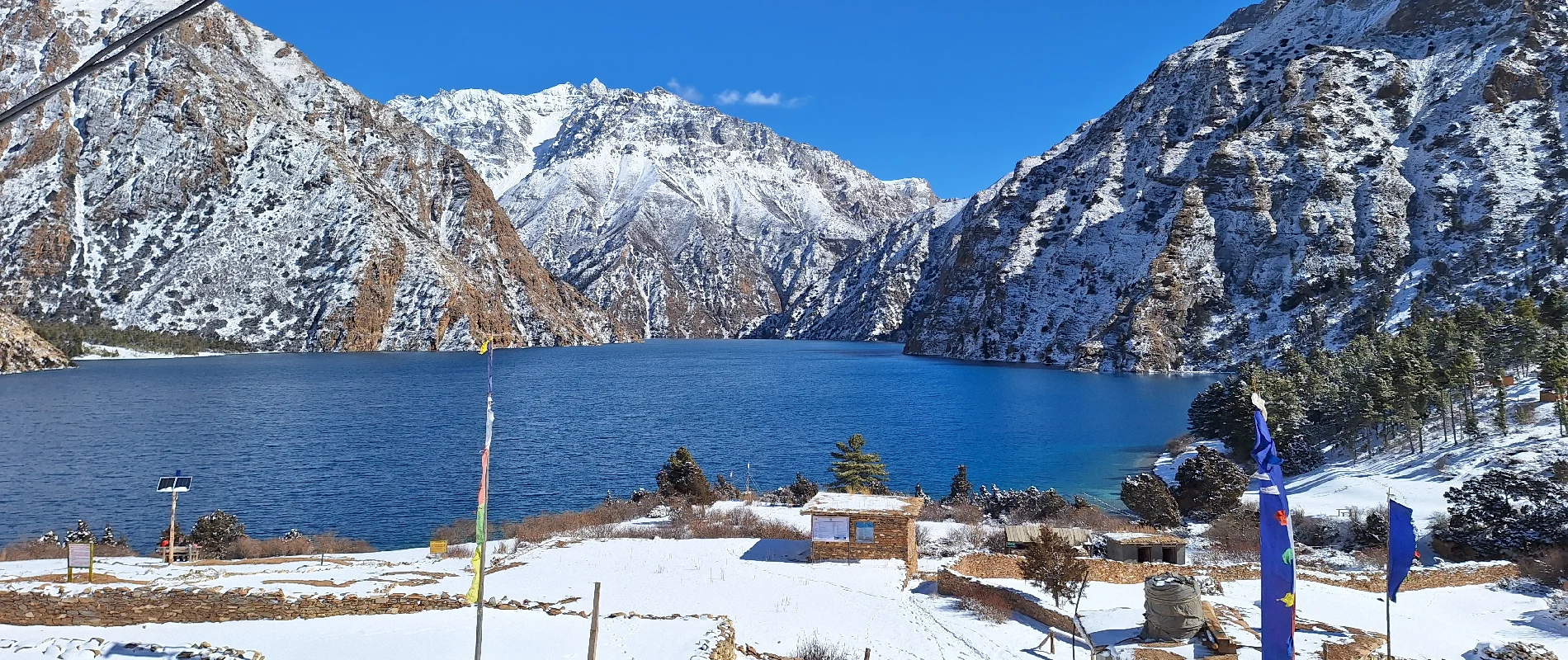
Crossing the lovely villages and farmlands, you will reach Ankhe and then onto Renje, the point at which one begins to ascend into higher altitudes. Every day offers different views and challenges, culminating with breathtaking views of Shey Phoksundo Lake, the deepest and most scenic lake in Nepal.
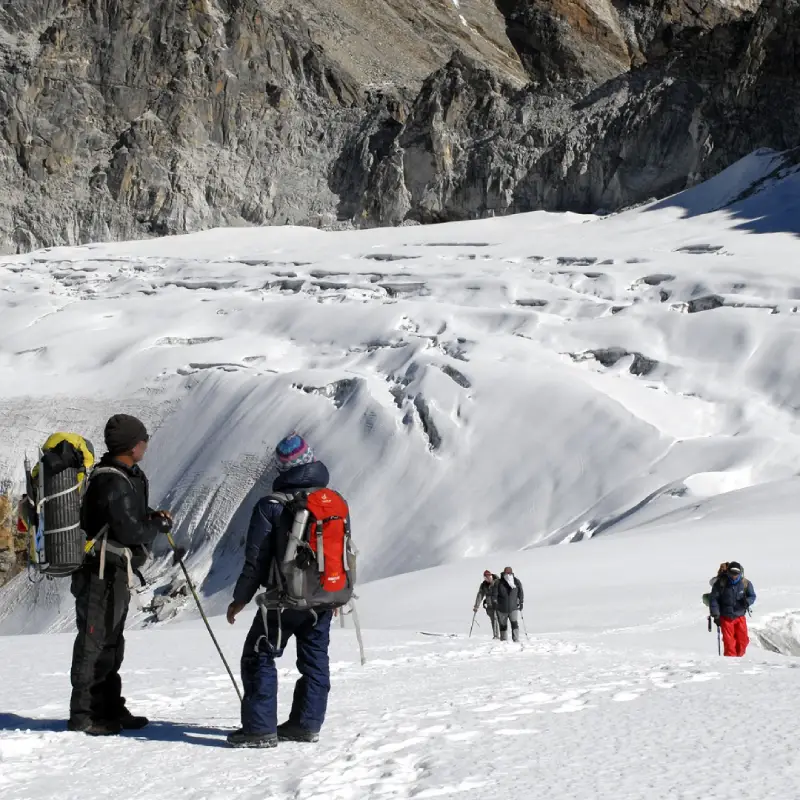
It is after crossing the Kang La pass (5,306 m) that you will enter Shey Gompa, the 11th-century ancient monastery whose history will give you an insight into the spiritual heritage of the region. There are two other mountain passes on the way: Shey la Pass (5,095m) and Jeng la Pass (5,090m), both providing magnificent views of the surrounding mountains.
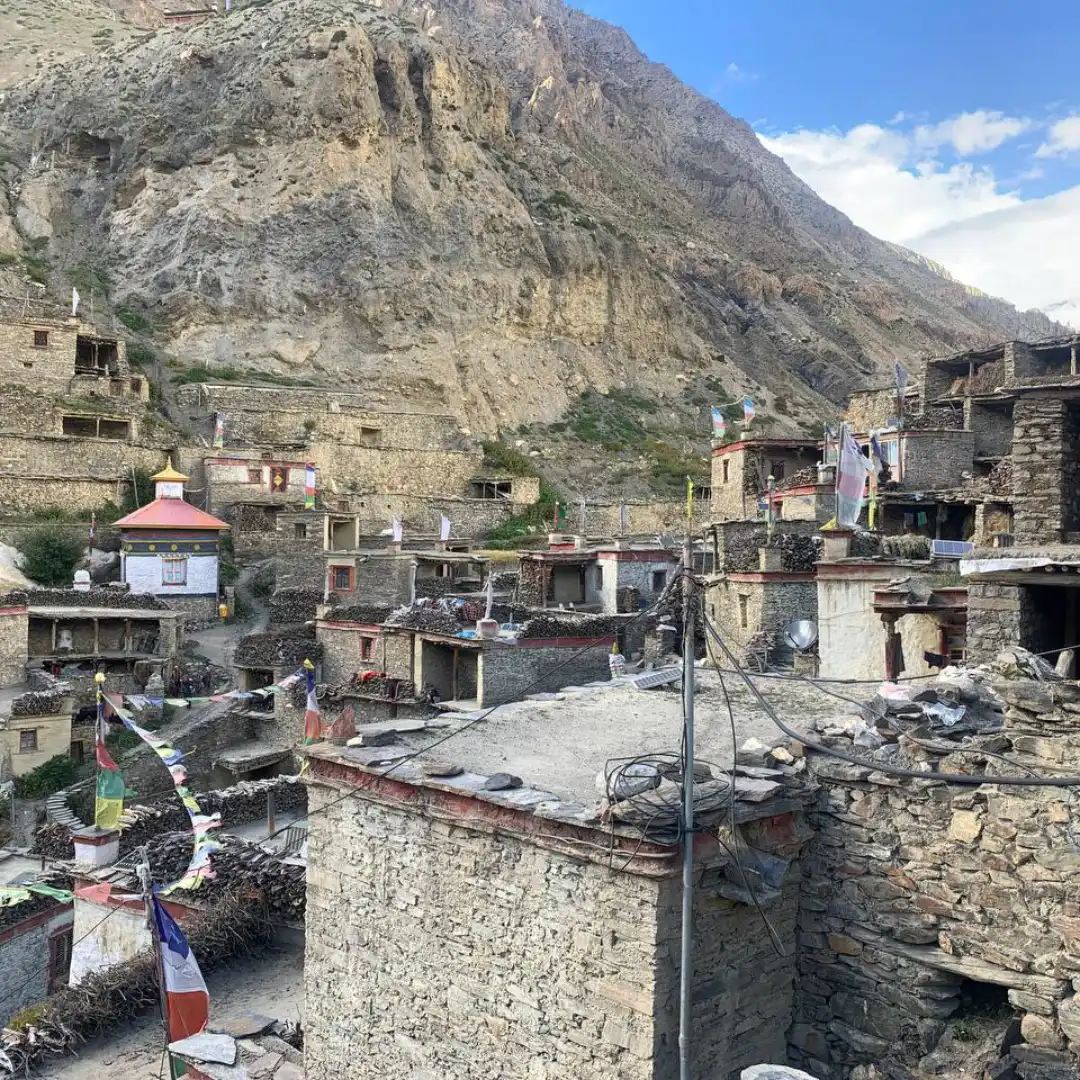
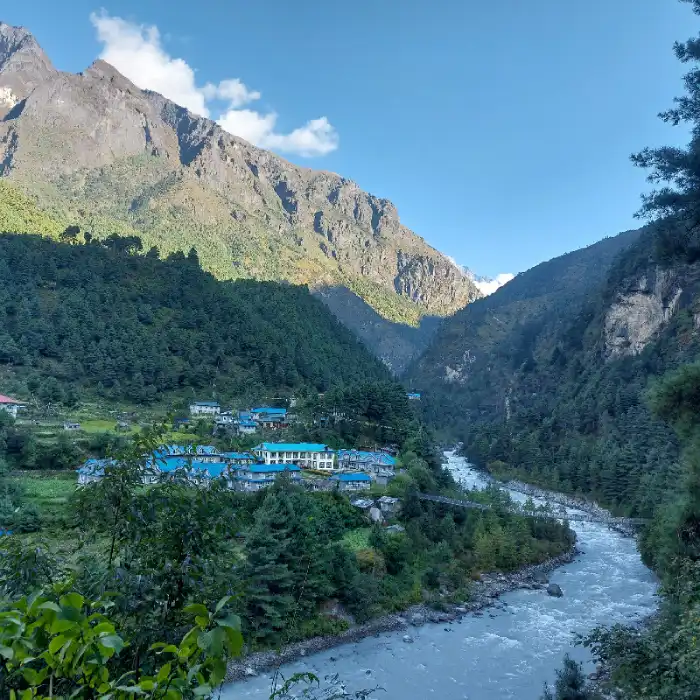
On the way down, you cross traditional Tibetan villages such as Saldang and Dho Tarap, where you get the opportunity to explore the exceptional culture and the lifestyles of the Dolpo people. The trek finally ends with a return to Juphal and a short flight back to Nepalgunj and to Kathmandu.
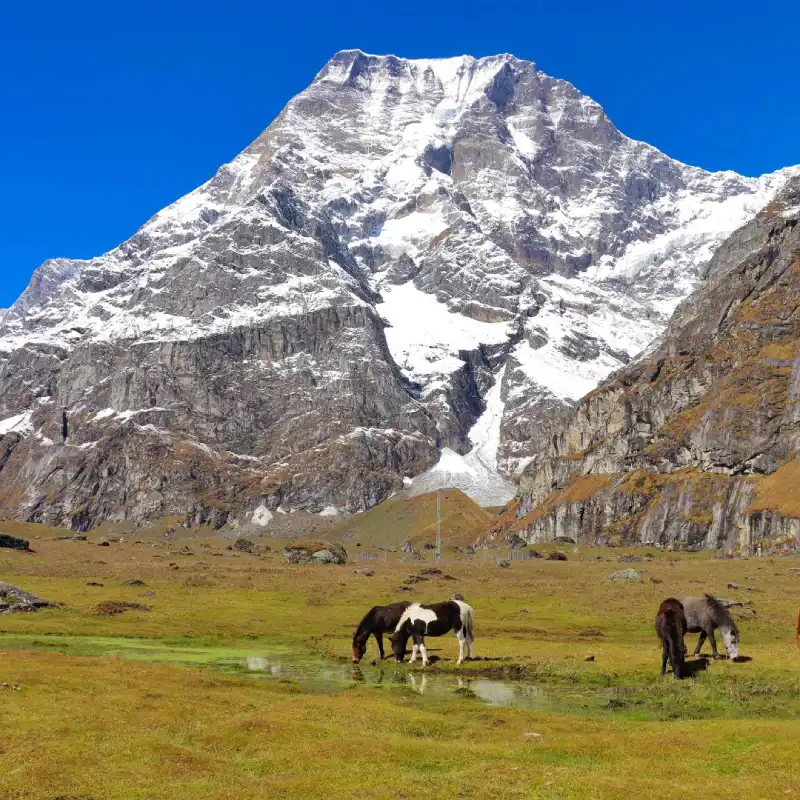
Along the trail, you also may encounter yak caravans and possibly even spot the snow leopard or blue sheep that frequently roam these highland regions.
The Upper Dolpo trek is not just a simple trek, but is more of a spiritual and cultural treat. It offers a rare opportunity to explore a region that has remained mostly untouched by modern influences, providing a feeling of solitude and tranquillity that is hard to find elsewhere.
With spectacular views and landscapes, abundant cultural heritage, and challenging high-altitude passes, the Upper Dolpo Trek is a once-in-a-lifetime journey.
Included Meals
Included MealsBreakfast, Lunch & Dinner
Included MealsBreakfast, Lunch & Dinner
Included MealsLunch & Dinner
Included MealsBreakfast & Dinner
Included MealsLunch & Dinner
Included MealsLunch & Dinner
Included MealsBreakfast, Lunch & Dinner
Included MealsBreakfast & Dinner
Included Meals
Included MealsBreakfast & Dinner
Included MealsBreakfast & Dinner
Included MealsLunch & Dinner
Included MealsBreakfast & Dinner
Included MealsBreakfast, Lunch & Dinner
Included MealsLunch & Dinner
Included MealsBreakfast & Dinner
Included MealsLunch & Dinner
Included MealsBreakfast, Lunch & Dinner
Included MealsBreakfast, Lunch & Dinner
Included MealsLunch & Dinner
Included MealsBreakfast & Dinner
Included MealsLunch & Dinner
Included MealsBreakfast, Lunch & Dinner
Included MealsBreakfast, Lunch & Dinner
Included MealsBreakfast, Lunch & Dinner
Included MealsBreakfast, Lunch & Dinner
Included MealsBreakfast, Lunch & Dinner
Yes. Upper Dolpo is one of Nepal's most strictly regulated restricted trekking zones. You need a Upper Dolpo Restricted Area Permit (RAP), which costs USD 500 per person for the first 10 days and USD 50 per additional day. You also need a Shey Phoksundo National Park Entry Permit and a TIMS card. All permits must be arranged through a registered Nepal trekking agency.
No. The Nepal government strictly requires all trekkers in Upper Dolpo to be accompanied by a government-licensed trekking guide and trek in a group of at least two people. Solo independent trekking is completely prohibited in this restricted Himalayan region.
The Upper Dolpo Trek crosses several formidable Himalayan passes, including the Numa La Pass (5,190m), Baga La Pass (5,070m), and optionally the Kang La Pass (5,360m). These passes demand strong physical fitness, proper acclimatization, and experience trekking at altitude. Conditions can be harsh with snow, ice, and strong winds.
Yes, prior high-altitude trekking experience is strongly recommended. Completing demanding treks such as the Manaslu Circuit, Annapurna Circuit, or Everest High Passes Trek beforehand is ideal preparation. First-time trekkers should not attempt Upper Dolpo without significant prior experience and excellent physical conditioning.
The best seasons are May–June (late spring) and September–October (autumn). Upper Dolpo lies in a trans-Himalayan rain shadow zone, meaning it receives far less monsoon precipitation than southern Nepal. This makes it one of the few Himalayan treks viable in late spring and early autumn even as monsoon rains fall elsewhere.
Partially yes. Like Upper Mustang, Upper Dolpo sits north of the main Himalayan rain shadow, so the inner valleys receive significantly less rain during monsoon. July and August treks are possible but trail conditions can be muddy, river crossings more hazardous, and cloud cover may limit mountain views. June and September are generally preferred over peak monsoon months.
Winter trekking in Upper Dolpo is extremely dangerous and not recommended for most trekkers. High passes are buried under deep snow, temperatures plunge to -20°C to -30°C, and many teahouses close entirely. Only highly experienced expeditions with full winter camping equipment attempt Upper Dolpo between December and February.
Most Upper Dolpo treks begin at Juphal Airport in Dolpa District, accessible via a short flight from Nepalgunj. Nepalgunj is reached by a domestic flight from Kathmandu (1 hour). The trek typically ends back at Juphal or occasionally exits via Dunai, the district headquarters of Dolpa.
Shey Gompa (Crystal Mountain Monastery) at 4,360m is the spiritual centerpiece of the Upper Dolpo Trek. Situated beneath the sacred Crystal Mountain (Tise), it is one of Tibet's most revered pilgrimage sites and was immortalized in Peter Matthiessen's legendary book "The Snow Leopard". The monastery complex, its remote setting, and spiritual atmosphere make it an unforgettable destination.
While not legally mandatory, comprehensive travel insurance is absolutely non-negotiable for Upper Dolpo. Your policy must explicitly cover high-altitude trekking above 5,000m, emergency helicopter evacuation, and full medical expenses. Helicopter rescues from Upper Dolpo can cost USD 5,000–USD 15,000 or more due to the extreme remoteness, and no rescue is possible without pre-confirmed insurance coverage.
Upper Dolpo, lying within Shey Phoksundo National Park, is one of the best places in the world to spot rare Himalayan wildlife. The region is famous for snow leopard sightings, and also harbors Himalayan blue sheep (bharal), Tibetan wolves, Himalayan tahr, musk deer, red pandas, Himalayan griffon vultures, and over 200 species of birds. The Snow Leopard was immortalized in this landscape through Peter Matthiessen's writing.
Trip Duration Days starting from Kathmandu and ending at Kathmandu
Trip Grade Tough
Best Season March - May, September - November
Or
Dhampus Peak, with an elevation of 6,012 meters (19,724 feet), is a po
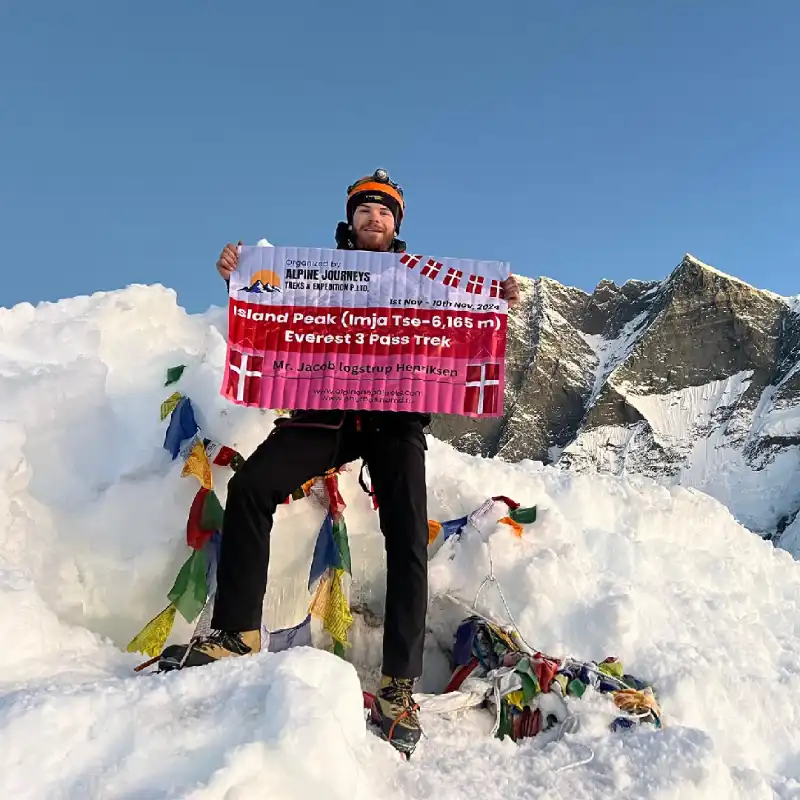
Island Peak, also known as Imja Tse, stands at 6,165 meters (20,226 fe
The Nar Phu Valley Trek is a hidden gem situated in the Annapurna regi
Far up and away in the remote west of Nepal, the Api Base Camp Trek un
Mera Peak is Nepal’s highest trekking peak. It is located in the Mah
The Mardi Himal Trek is a perfect trek that offers a wonderful balance
The Jiri to Everest Base Camp Trek follows the classic route taken by
Lobuche East peak is one of the popular and challenging trekking peak
Ghorepani Poon Hill Trekking is most popular who have limited time for
Manaslu Circuit Trek is one of the most beautiful trekking experiences
The combination of the magical Nar Phu Valley and the classic high-alt
The Langtang Valley Trek is an amazing journey into the heart of the L
Makalu Base Camp Trek is truly an unforgettable adventure, covering so
The Everest Base Camp with Gokyo Lake trek is an extraordinary adventu
Yala Peak is perhaps the most accessible genuine mountaineering experi