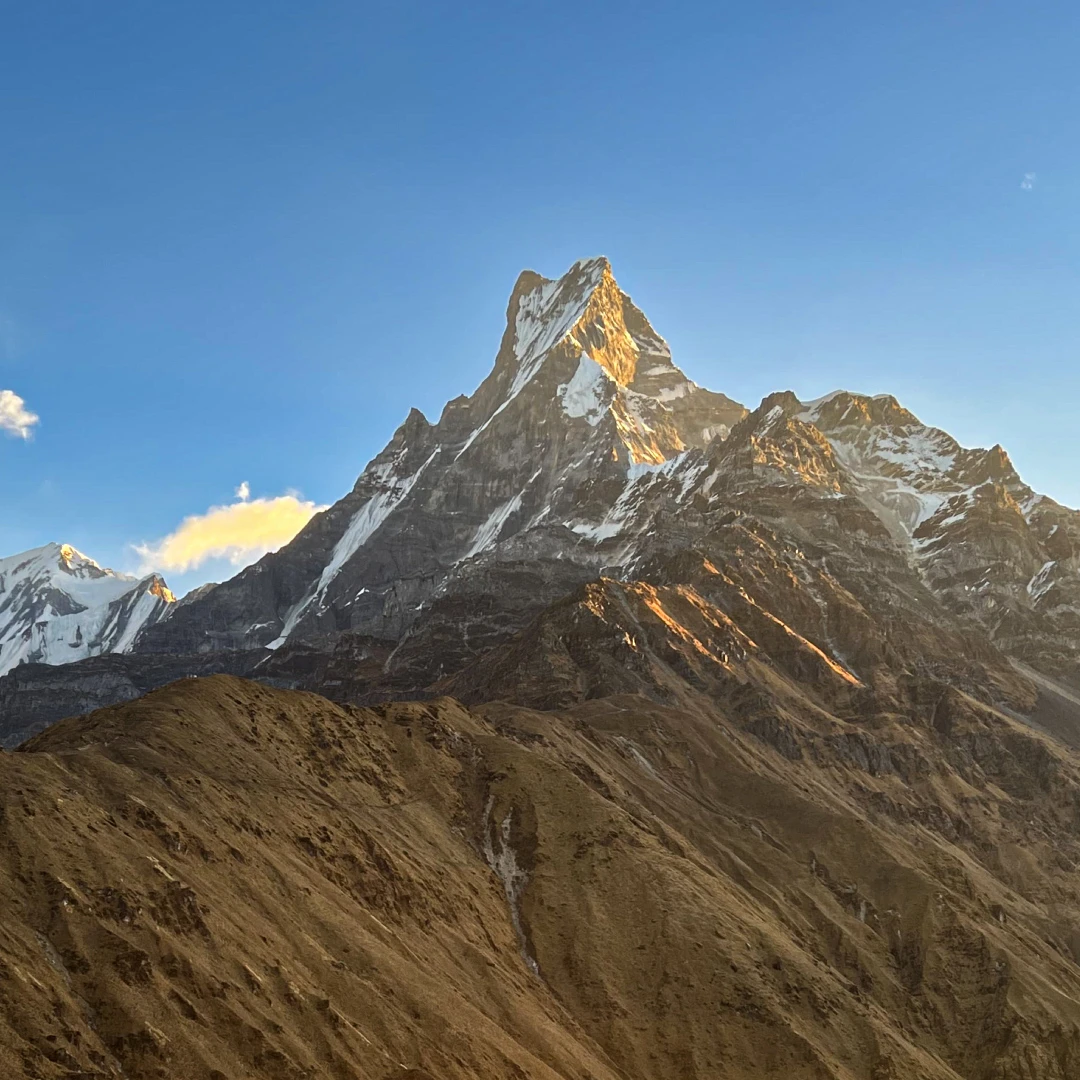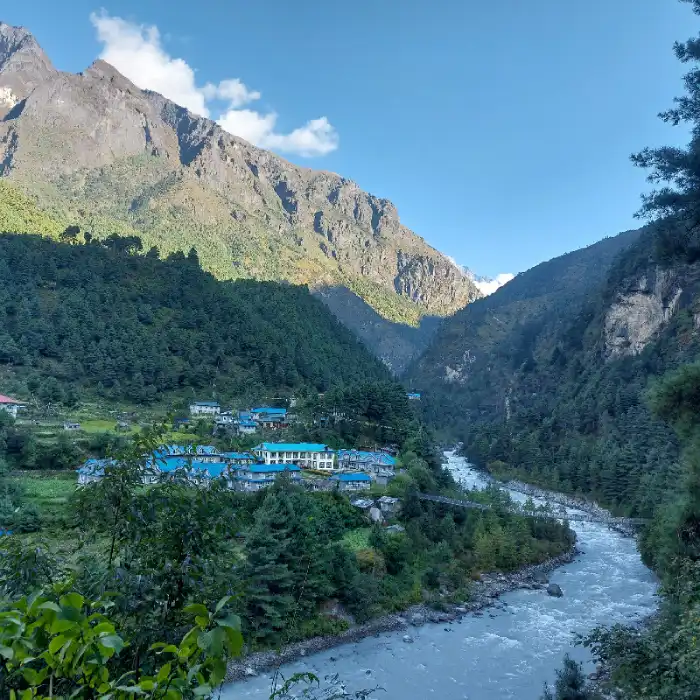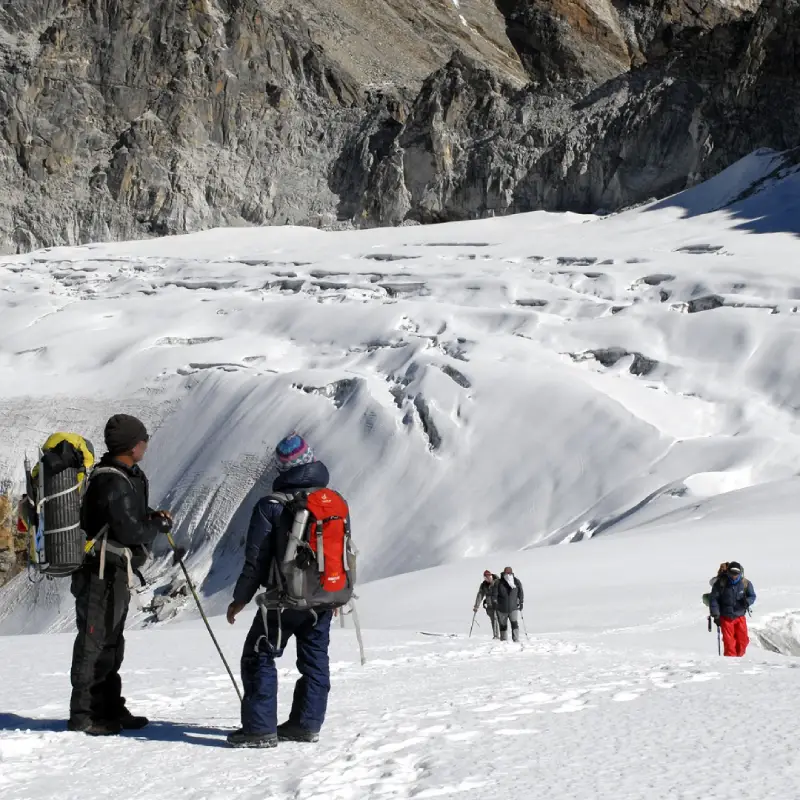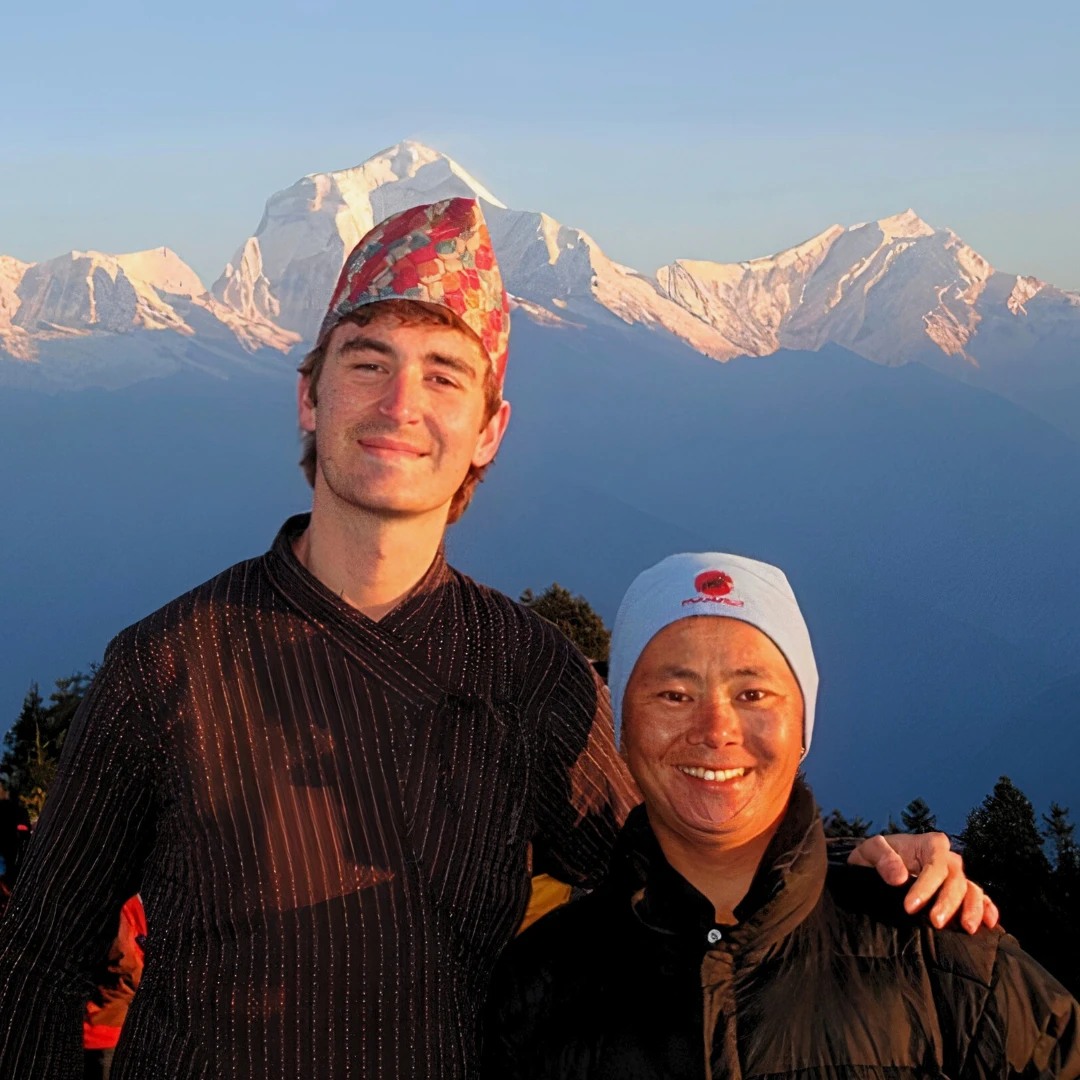
Combine the best of both worlds: Nar Phu Valley’s remote wilderness and the classic Annapurna Circuit.
Enquire NowTrip Duration 19 Days starting from Kathmandu and ending at Kathmandu
Trip Grade Tough
Group Size 2-16 pax
Max Height 5416m.
Best Season March - May, September - November
The combination of the magical Nar Phu Valley and the classic high-altitude challenge, Thorong La Pass (5,416 m) on the Annapurna Circuit, is one of the best high-altitude treks if you have 18-20 days of vacation.
You will trek into one of Nepal’s most remote regions, described as a hidden jewel where ancient Tibetan culture is still thriving among the stunning Himalayan scenery, before joining the main Annapurna trail for its renowned pass crossing.
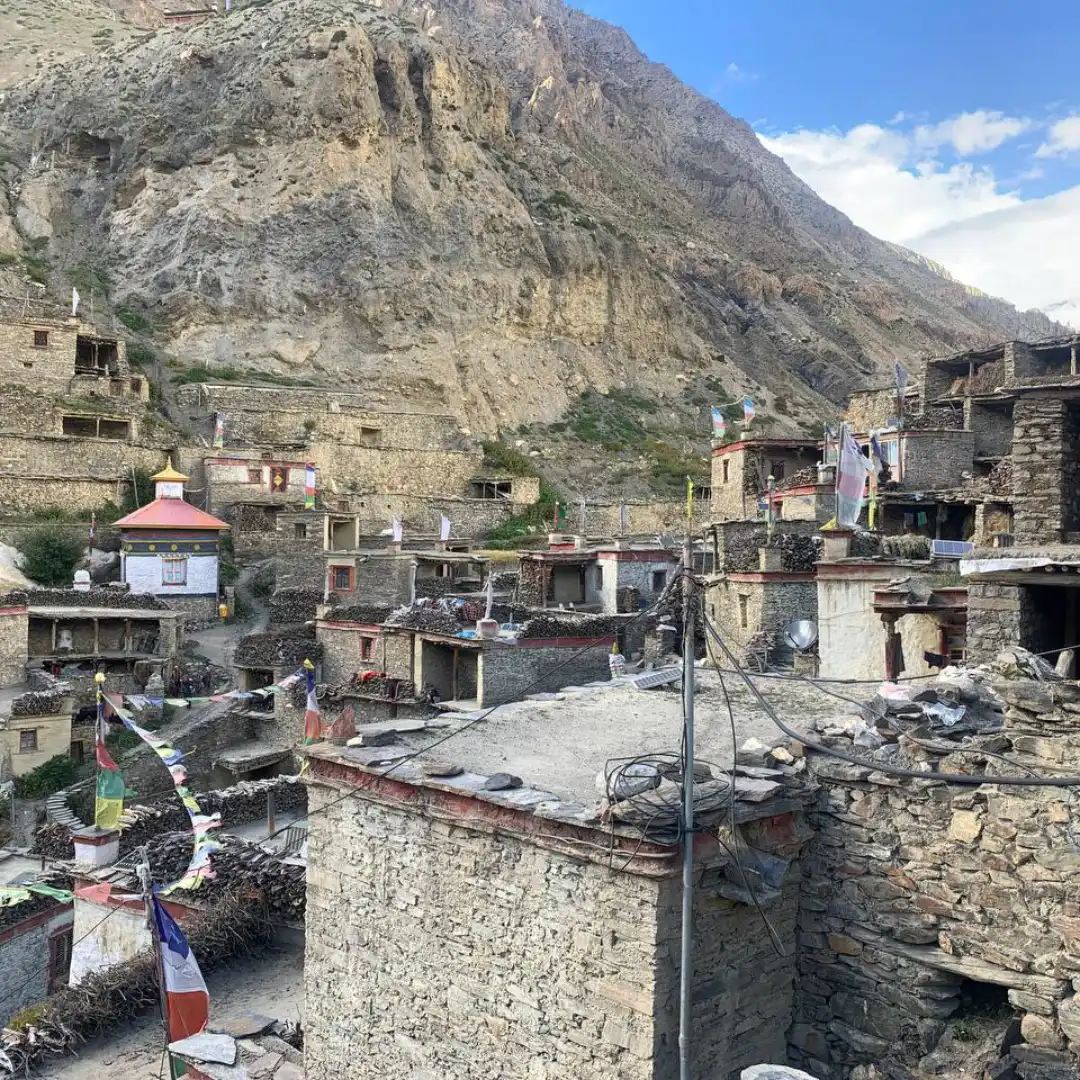
The adventure starts by sidestepping from the main Annapurna Circuit Trail from Koto on the way to the Nar Phu Valley, a restricted valley that just opened to trekkers in 2003. This diversion offers you an appealing walk back through time as you walk narrow canyons and ascend through sparse forests to medieval villages like Nar and Phu, where life continues much as it has for centuries, relatively untouched by the outside world.
The whole set-up in architecture, language and lifestyle here provides a significant difference to the villages found on the more frequented Annapurna Circuit, assuring you a much deeper and genuine way of immersing yourself in local culture.
Passing over the Kang La Pass (5,306m) is a major challenge and highlight in the Nar Phu section; it is an unforgettable high pass with a magnificent panoramic view of the Annapurna massif, Gangapurna, Tilicho Peak, and beyond. Once on Kang La pass, we will take some time resting and taking photographs before descending to rejoin the main Annapurna Circuit trail near Ngawal.
After that, when you get back into Annapurna Circuit, you will follow the well-trodden path through villages such as Manang, Yak Kharka, and Thorong Phedi on the trek toward Thorong La Pass. This section serves as a further acclimatization time while enjoying the classic Annapurna scenery.
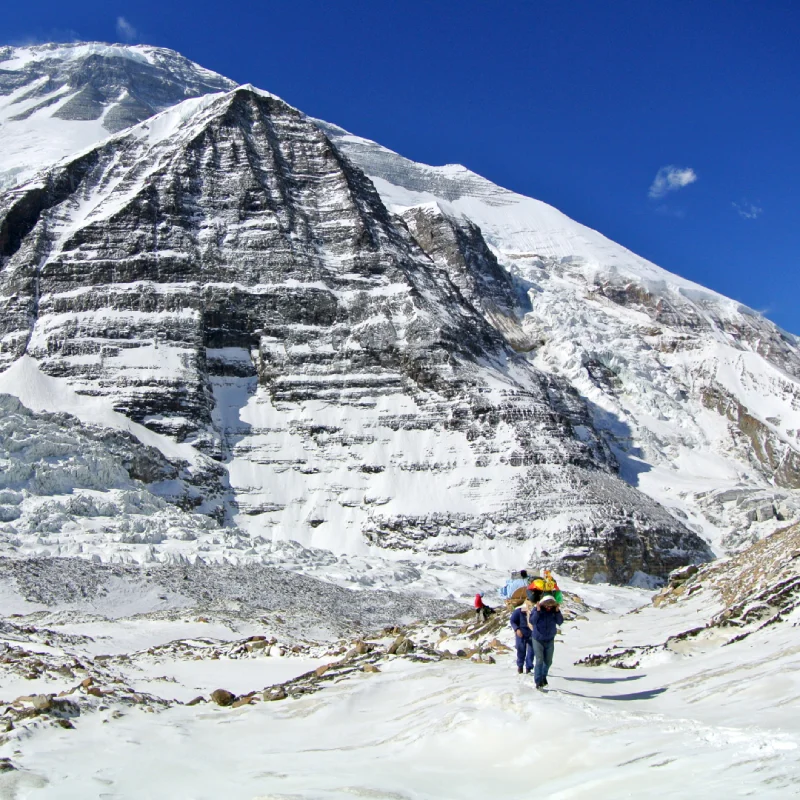
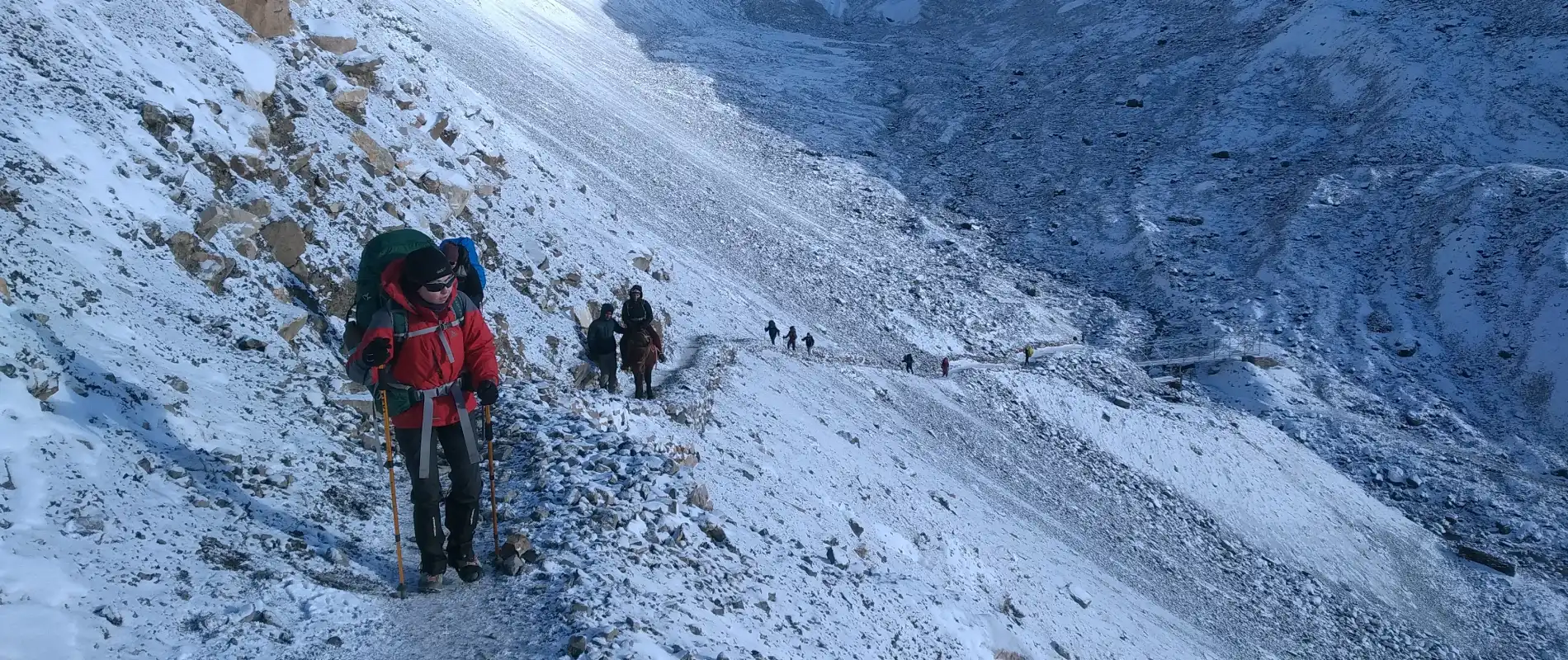
The ascent to and crossing of Thorong La Pass (5,416m) requires an early start and a steady effort to reach the summit adorned in prayer flags.
Upon descending from Thorong La, the topography becomes dramatically different through the rain shadow of Lower Mustang, with dry, windswept terrain and the Tibetan-influenced culture. The sacred pilgrimage site of Muktinath, revered by Hindus and Buddhists, provides an equally enchanting spiritual recreation with its eternal flame and 108 water spouts.
Here at Muktinath, our private tourist vehicle will be ready to take you back to Pokhara via the deepest gorge in the world, Kali-Gandaki gorge. The journey usually ends with a scenic flight back to Kathmandu from Pokhara, witnessing one last bird’s eye view of the Annapurna and Dhaulagiri ranges.
Combining the restricted wilderness and culture of Nar Phu valley with the classic challenge of Thorong La Pass makes for a complete and deeply rewarding Himalayan adventure, especially for experienced trekkers seeking cultural depth and high-altitude thrill beyond the standard Annapurna Circuit.
Included Meals
Included MealsBreakfast, Lunch & Dinner
Included MealsBreakfast, Lunch & Dinner
Included MealsBreakfast, Lunch & Dinner
Included MealsBreakfast & Dinner
Included MealsBreakfast, Lunch & Dinner
Included MealsBreakfast & Dinner
Included MealsLunch & Dinner
Included MealsLunch & Dinner
Included MealsBreakfast, Lunch & Dinner
Included MealsBreakfast & Dinner
Included MealsBreakfast, Lunch & Dinner
Included MealsBreakfast & Dinner
Included MealsBreakfast, Lunch & Dinner
Included MealsLunch & Dinner
Included MealsBreakfast, Lunch & Dinner
Included MealsBreakfast, Lunch & Dinner
Included MealsBreakfast, Lunch & Dinner
Included MealsBreakfast & Dinner
Included Meals
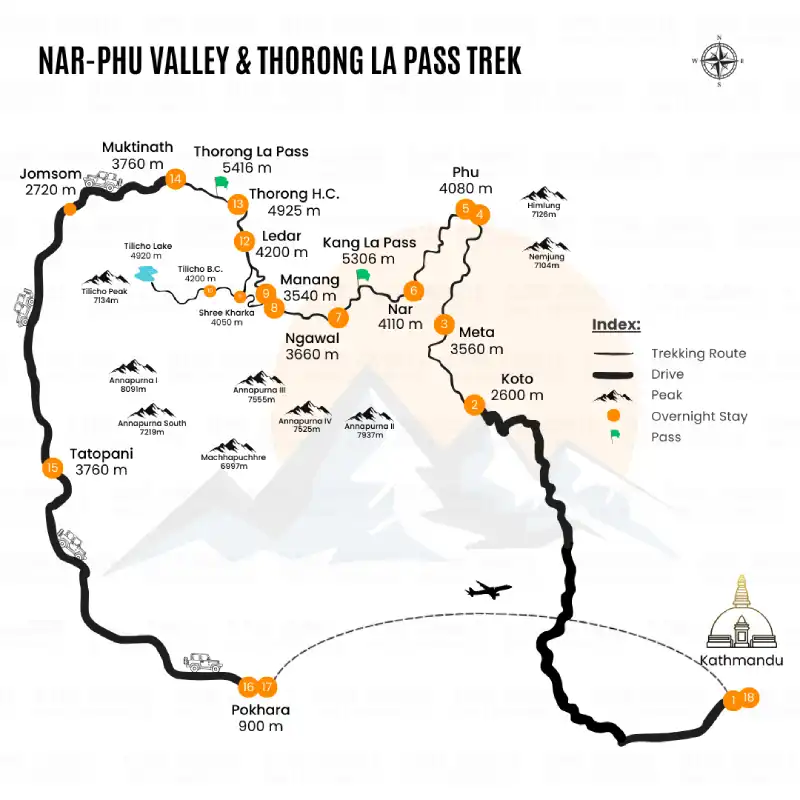
The Nar Phu Valley with Thorong La Pass Trek is a masterfully combined itinerary that pairs the remote wilderness of Nar Phu Valley with the iconic high-altitude crossing of Thorong La Pass on the classic Annapurna Circuit. After completing the Nar Phu detour from Koto, trekkers rejoin the Annapurna Circuit at Manang and continue toward Thorong La Pass (5,416m), descending into Muktinath on the other side. This combination trek gives adventurers both the cultural depth of a restricted-area trek and the thrilling climax of one of the world's most famous mountain passes.
The highest point of the Nar Phu Valley with Thorong La Pass Trek is Thorong La Pass, which sits at an altitude of 5,416 meters (17,769 feet) above sea level. Within Nar Phu Valley itself, trekkers also cross Kang La Pass at approximately 5,320 meters. Both high passes demand good physical acclimatization, and the days leading up to each crossing involve gradual altitude gain. Trekkers should be fully prepared for the physiological challenges of spending multiple consecutive days at elevations between 4,000m and 5,400m, including headaches, reduced appetite, and slower pace.
The Nar Phu Valley Trek requires a special restricted area permit, making it one of the few controlled trekking zones in Nepal. Trekkers must obtain the Nar Phu Restricted Area Permit, which costs USD 90 per person for the first week and USD 15 per day thereafter. In addition to this, you also need the Annapurna Conservation Area Permit (ACAP) and a TIMS (Trekkers' Information Management System) card. All three permits are mandatory and must be arranged through a government-registered trekking agency in Nepal. Independent trekking is not permitted in the Nar Phu restricted area.
The Nar Phu Valley restricted area permit cannot be obtained at trekking checkpoints along the trail — it must be secured in advance through a registered trekking agency in Kathmandu or Pokhara before the trek begins. The Department of Immigration in Kathmandu also issues these permits, but the process is most efficiently handled through an agency that can bundle permit arrangements with guide, porter, and logistics planning. Attempting to enter the restricted zone without the proper permit is a serious violation of Nepal trekking regulations and can result in fines or ejection from the area.
The best time for the Nar Phu Valley Trek is during the spring season (March to May) and the autumn season (October to November). Spring brings mild temperatures, blooming flora at lower elevations, and excellent mountain visibility. Autumn offers the most stable weather conditions, crystal-clear skies, and comfortable daytime temperatures, making it the most popular season for both the Nar Phu Valley Trek and the Thorong La Pass crossing. Both seasons are ideal for high-altitude trekking in Nepal, offering the best chance of successfully crossing Kang La Pass and Thorong La Pass without the risk of heavy snow.
Winter trekking in Nar Phu Valley (December to February) is possible for experienced and well-equipped trekkers, but comes with significant challenges. Temperatures at Nar and Phu villages can drop to -20°C or lower at night, Kang La Pass may be buried in deep snow and impassable without professional guidance, and Thorong La Pass crossing becomes considerably more dangerous due to avalanche risk and icy conditions. Most trekking agencies advise against the winter months for this route. If you do attempt it, ensure you have a high-quality cold-weather sleeping bag, crampons, and an experienced high-altitude guide.
Electricity and communication infrastructure in Nar Phu Valley is extremely limited. Solar panels provide some power in the villages of Nar and Phu, but charging your devices may not always be possible. Mobile phone signal is largely absent throughout the restricted zone — do not rely on your phone for navigation or emergency communication once inside Nar Phu. Satellite phones and walkie-talkies are sometimes carried by experienced guides. Bring a power bank with sufficient capacity, download offline maps before departure, and inform your family of your expected check-in dates at points where phone service resumes on the Annapurna Circuit.
The Nar Phu Valley with Thorong La Pass Trek poses a meaningful risk of Acute Mountain Sickness (AMS) due to sustained time above 4,000m and the crossing of two passes above 5,300m. Symptoms of AMS include persistent headache, nausea, loss of appetite, dizziness, and disrupted sleep. Trekkers should ascend gradually, follow the itinerary's built-in acclimatization days in Manang and within Nar Phu, stay well-hydrated, and avoid alcohol at altitude. Descending at least 500m is the most effective treatment if AMS symptoms worsen. Do not attempt Kang La Pass or Thorong La Pass if you are experiencing moderate or severe AMS symptoms.
Nar Phu Valley is dotted with remarkable religious heritage sites that reflect centuries of Tibetan Buddhist practice. In Phu village, the Tashi Lhakhang Monastery is the most significant religious site, perched dramatically above the village with commanding views of the surrounding peaks. Prayer walls (mani walls) with inscribed stones line the trails throughout the valley. Chortens, prayer flags, and ancient rock carvings can be found at major junctions and ridges. In Nar village, additional small gompas and community prayer halls are accessible to respectful visitors. Always walk clockwise around religious structures and ask permission before photographing monks or ceremonies.
Nar Phu Valley sits within the Annapurna Conservation Area and supports a remarkable range of Himalayan wildlife. The valley's remoteness has allowed populations of snow leopard, Himalayan thar, blue sheep (bharal), and Himalayan wolf to survive with minimal human disturbance. Bird enthusiasts can spot the Himalayan griffon vulture, lammergeier, golden eagle, and various high-altitude species. The landscape itself transitions dramatically from deep gorges and pine forests at lower elevations to stark, windswept high-altitude terrain near Kang La Pass, with striking geological formations and glacial moraines that evoke the Tibetan plateau.
Trip Duration 19 Days starting from Kathmandu and ending at Kathmandu
Trip Grade Tough
Best Season March - May, September - November
Or
Dhampus Peak, with an elevation of 6,012 meters (19,724 feet), is a po
The Nar Phu Valley Trek is a hidden gem situated in the Annapurna regi
Far up and away in the remote west of Nepal, the Api Base Camp Trek un
Island Peak, also known as Imja Tse, stands at 6,165 meters (20,226 fe
The Mardi Himal Trek is a perfect trek that offers a wonderful balance
The Jiri to Everest Base Camp Trek follows the classic route taken by
Mera Peak is Nepal’s highest trekking peak. It is located in the Mah
Ghorepani Poon Hill Trekking is most popular who have limited time for
Manaslu Circuit Trek is one of the most beautiful trekking experiences
Lobuche East peak is one of the popular and challenging trekking peak
The Langtang Valley Trek is an amazing journey into the heart of the L
Makalu Base Camp Trek is truly an unforgettable adventure, covering so
The Everest Base Camp with Gokyo Lake trek is an extraordinary adventu
Yala Peak is perhaps the most accessible genuine mountaineering experi