Trip Duration Days starting from and ending at
Trip Grade
Group Size
Max Height 8849m.
Best Season
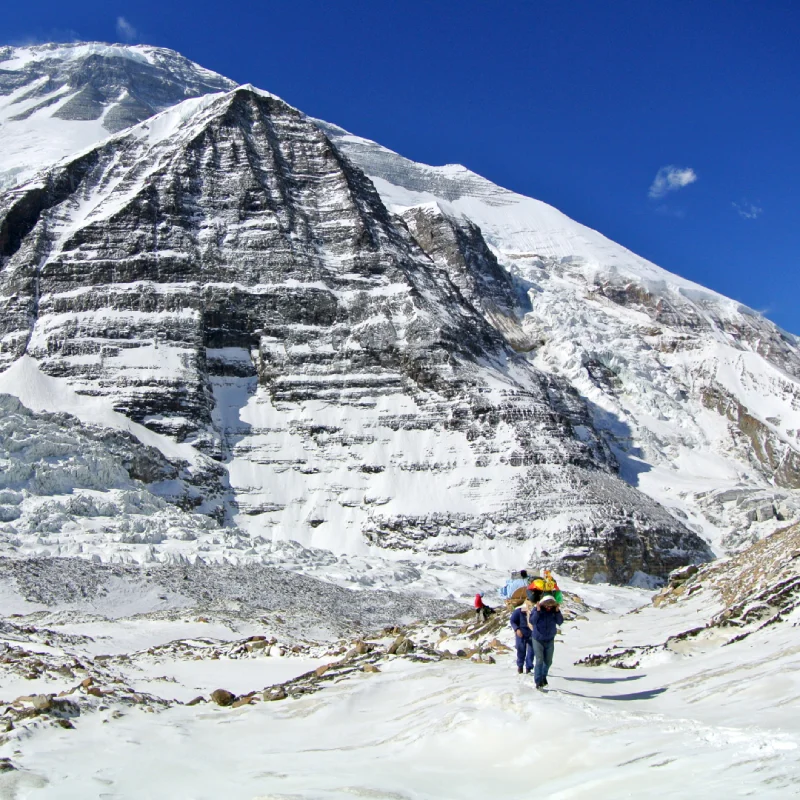
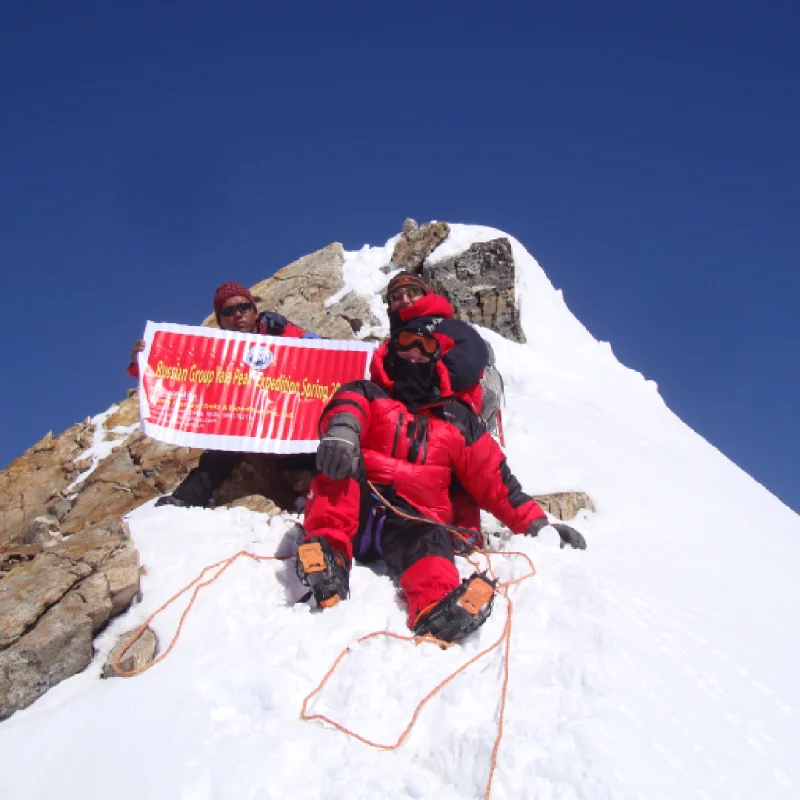
To stand atop Mount Everest, the world’s highest peak, means confronting nature at its most extreme — an ascent shaped by altitude, isolation, and sustained effort. At 8,848.86 metres, straddling Nepal and Tibet, this peak draws individuals drawn to exploration, not because it invites them, but because it resists. First recorded in the 1800s, its measurement sparked decades of attempts, each revealing more about human persistence than the mountain itself. Most climbers on a Mount Everest expedition in Nepal follow the South Col path via Nepal’s Khumbu region, where elevation gain unfolds alongside cultural depth, village trails merging into icefall routes. Technical skill becomes essential beyond Everest Base Camp; conditions demand precision, timing, adaptation — qualities honed long before arrival. Though physically grueling, this Everest expedition alters perception: cold air, thin oxygen, prolonged exertion reshape how one sees capability. Success depends less on strength alone, more on consistency, judgment, support from others along the way. Those who reach the summit of Mount Everest (8,848.86m) often speak not of triumph, but of clarity found amid hardship endured step by deliberate step.
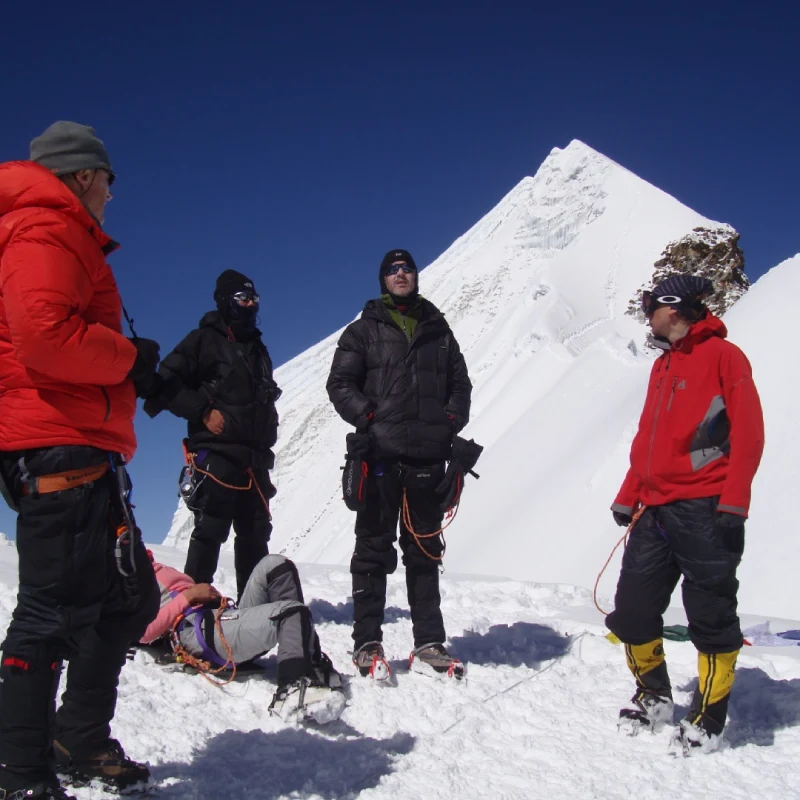
From Kathmandu, the journey starts with sorting permits and inspecting gear. Soon after comes the well-known flight into Lukla — entry point to Khumbu — beginning a walk lasting about nine days across rising, rugged landscapes on the Everest Base Camp trek. Progress happens slowly; altitude demands respect. Namche Bazaar appears first, then Tengboche Monastery follows, each stop shaped by elevation, culture, and necessity. Dingboche holds quiet strength. Lobuche stands colder, thinner in air, vital for adjusting to height. Here, climbers face Lobuche Peak (6,119m) — not for glory, but practice: testing body, tools, endurance during a high-altitude expedition in Nepal. What seems like detour is foundation. Preparation here shapes what may come later at Everest Base Camp (5,200m), where real challenges begin. Success on Everest often traces back to these steps taken earlier, away from spotlight, built quietly through routine decisions made with focus.
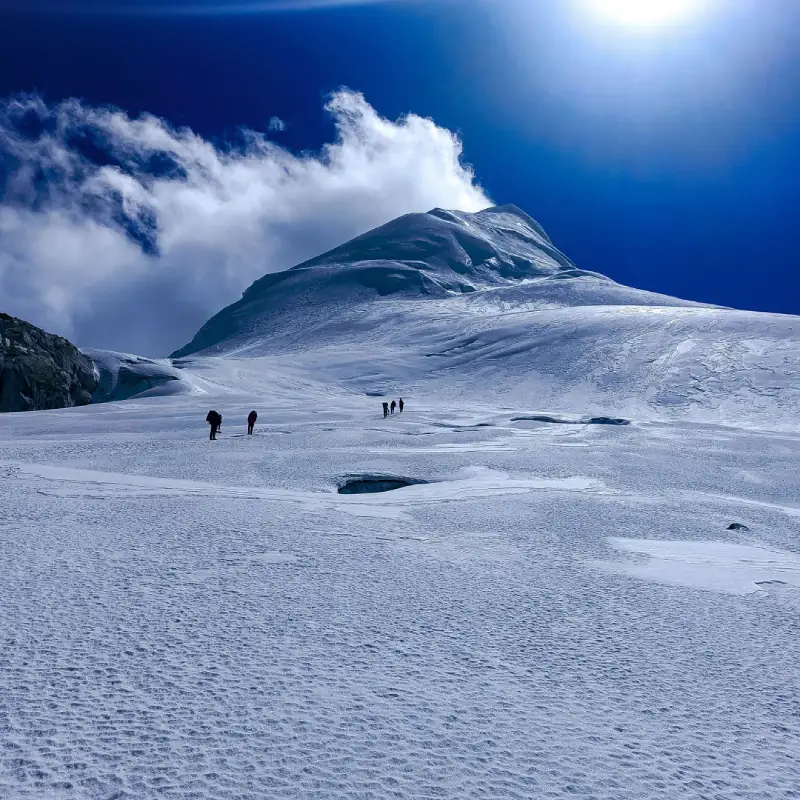
About 39 days are spent climbing during a typical Mount Everest expedition itinerary, beginning when climbers reach Everest Base Camp and ending after they descend from the summit attempt — this timeline relies on a methodical pattern long used for managing extreme elevations safely on Everest. Moving up and down between Base Camp at 5,200 metres and higher shelters — Camp I to Camp IV located on the South Col route on Everest — allows gradual exposure, helping bodies adapt slowly to thinning air ahead of the final climb. Through stages, the path crosses distinct zones: first the Western Cwm, then upward along the steep face of Lhotse, past the rocky rise known as the Geneva Spur, across the exposed stretch of the South Col, finally rising toward the peak by way of the Southeast Ridge — where one notable obstacle, historically called the Hillary Step, stands near the topmost edge of land. Conditions overhead shift quickly; openings of stable weather appear briefly without warning, so waiting becomes part of the process, demanding focus, restraint, and endurance just as much as strength or experience does in high-altitude mountaineering.
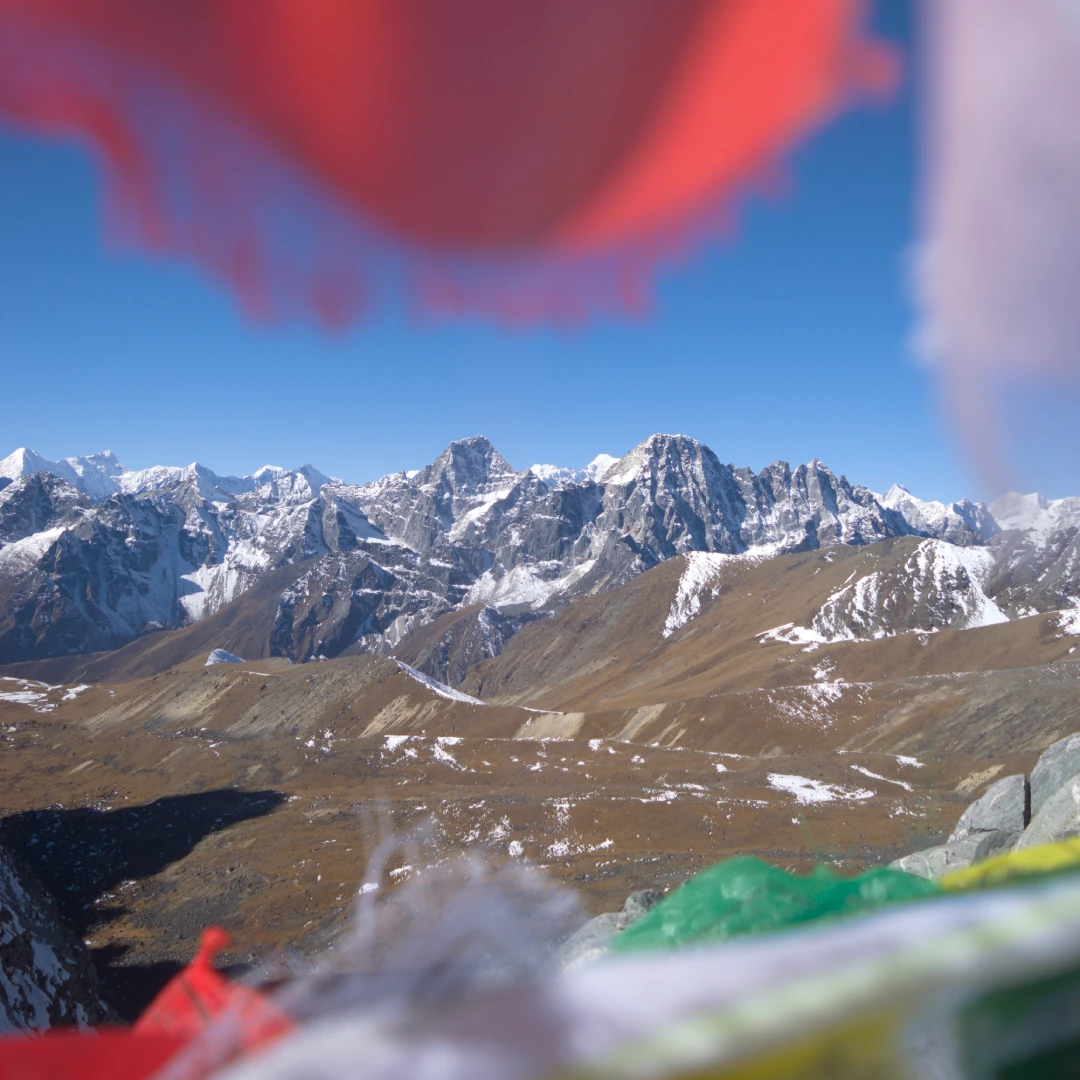
High above sea level, within the folds of Nepal’s northeast, lies a valley home to people whose lives rise with the peaks around them in the Khumbu region of Nepal. Not just terrain defines this place — belief does, too, carried through chants at dawn and stones carved with sacred syllables. Along narrow paths between rocky slopes, spiritual markers appear like breath in cold air: stacked stone towers, cloth banners fluttering without sound, quiet shrines tucked beside streams. Life here moves at rhythm set by wind, snow, and centuries-old routines passed hand to hand. When travelers arrive, they meet guides raised on these trails, whose presence shapes what is possible during an Everest expedition in Nepal. Each step upward becomes part interaction, part reflection, influenced less by gear than by shared understanding. Civilization persists even at heights where few survive long. What emerges is neither spectacle nor conquest, but passage shaped by altitude, endurance, and stillness found only when sky seems near enough to touch.
Included MealsBreakfast, Lunch & Dinner
Included MealsBreakfast, Lunch & Dinner
Included MealsBreakfast, Lunch & Dinner
Included MealsBreakfast & Dinner
Included MealsBreakfast & Dinner
Included MealsBreakfast, Lunch & Dinner
Included MealsLunch & Dinner
Included MealsBreakfast, Lunch & Dinner
Included MealsBreakfast, Lunch & Dinner
Included MealsBreakfast & Dinner
Included Meals
Included MealsLunch & Dinner
Included MealsBreakfast & Dinner
Included MealsBreakfast & Dinner
Included MealsLunch & Dinner
Included MealsLunch & Dinner
Included MealsBreakfast & Dinner
Included MealsBreakfast & Dinner
Included MealsLunch & Dinner
Included MealsBreakfast, Lunch & Dinner
Included MealsBreakfast, Lunch & Dinner
Included Meals
The complete Mount Everest Expedition programme runs for 60 days from arrival in Kathmandu to final departure, including trekking, acclimatization, the full climbing period, and the return descent. This extended duration reflects the physiological demands of safely acclimatizing to and summiting the world's highest peak at 8,848.86 metres.
The Everest Expedition Nepal is exclusively suited to highly experienced mountaineers with a proven record of successful ascents on peaks above 7,000 metres, strong technical skills in ice and mixed climbing, and demonstrated proficiency with fixed ropes, crampons, and supplemental oxygen systems. Prior experience on other 8,000-metre peaks such as Cho Oyu or Manaslu is strongly recommended before attempting Everest.
The primary permit required for the Mount Everest Expedition is the Expedition Royalty Permit issued by the Government of Nepal's Department of Tourism, which currently costs USD 11,000 per climber for the standard spring season. Additional permits required include the Sagarmatha National Park entry permit and the Khumbu Pasang Lhamu Rural Municipality permit, all of which are arranged during the Kathmandu preparation days at the start of the itinerary.
The primary climbing season for the Mount Everest Expedition is spring, from late April through late May, when the jet stream shifts northward and creates the most reliable weather windows for summit attempts on the South Col route. A secondary autumn season exists but is significantly less popular due to shorter weather windows and the increased complexity of post-monsoon snow conditions on the upper mountain.
The Lobuche Peak (6,119m) ascent is incorporated into the Mount Everest Expedition itinerary as a structured acclimatization and technical training exercise, allowing the team to gain practical high-altitude climbing experience, test equipment performance, and assess individual fitness levels before committing to the serious climbing programme on Everest itself. It also provides valuable psychological preparation for the demands of the higher camps.
The Khumbu Icefall is widely regarded as one of the most objectively hazardous sections of the entire Mount Everest Expedition route, presenting constant risks from collapsing seracs, shifting crevasses, and unpredictable glacial movement that cannot be fully mitigated regardless of experience or preparation. Teams typically cross the Icefall in the early pre-dawn hours when colder temperatures temporarily stabilize the ice structure, minimizing — though never eliminating — the associated risks.
The standard South Col route used in the Everest Expedition Nepal involves the establishment of four high camps above Base Camp: Camp I in the Western Cwm at approximately 6,100 metres, Camp II at Advanced Base Camp at 6,500 metres, Camp III on the Lhotse Face at 7,200 metres, and Camp IV on the South Col at 7,906 metres. Each camp plays a specific role in the acclimatization rotation system and the final summit push.
Supplemental oxygen is standard practice on the Mount Everest Expedition above approximately 7,000 metres and is considered essential equipment for all climbers using the South Col route during the summit push and overnight stays at Camp III and Camp IV. While a small number of elite climbers have summited Everest without supplemental oxygen, this approach carries extreme physiological risk and is not recommended or supported within the framework of a guided expedition programme.
Acute Mountain Sickness, High Altitude Pulmonary Oedema, and High Altitude Cerebral Oedema are all serious and potentially fatal risks on the Mount Everest Expedition, particularly during transitions between lower and higher camps and during extended periods above 7,000 metres. The structured acclimatization rotation system, on-site medical monitoring, and the availability of supplemental oxygen and emergency descent protocols are the primary safeguards against altitude-related medical emergencies throughout the expedition.
Sherpa climbing guides are an indispensable and central component of every Everest Expedition Nepal, responsible for fixing ropes on the upper mountain, carrying equipment and oxygen to the high camps, monitoring weather and route conditions, and providing direct climbing support and guidance to expedition members during all phases of the ascent and descent. The knowledge, experience, and physical capability of the Sherpa team are widely recognized as the single most important factor in the safe and successful execution of any Mount Everest Expedition.
Weather forecasting during the Mount Everest Expedition relies on a combination of commercial high-altitude meteorological services, real-time satellite data, and ground-level observation by experienced guides and Base Camp managers who develop deep pattern recognition for Khumbu weather behaviour across the course of a season. Summit bids are planned around narrow windows of low wind speed and stable pressure, typically occurring in the days immediately before the arrival of the summer monsoon in late May.
Preparation for the Everest Expedition Nepal should begin at least twelve months in advance and include a comprehensive programme of cardiovascular endurance training, strength conditioning, load-carrying hikes at altitude, and ideally one or more high-altitude climbing expeditions on peaks above 6,000 metres. Physical fitness alone is insufficient — technical skill development and genuine high-altitude acclimatization experience are equally essential components of effective pre-expedition preparation.
The South Col at 7,906 metres serves as Camp IV and the final staging point before the summit push on the Mount Everest Expedition, representing the last position where climbers can rest in relative shelter before the exposed and technically demanding final ridge to the summit. Conditions on the South Col are among the most severe experienced anywhere on the mountain, with extreme cold, high winds, and minimal oxygen levels creating a physiologically hostile environment that demands rapid, focused decision-making from all expedition members.
Following a successful summit and return to Base Camp, the Mount Everest Expedition descent follows the same trekking route back through Gorakshep, Lobuche, Dingboche, Tengboche, and Namche Bazaar to Lukla over approximately five days before the flight back to Kathmandu. The descending trek allows the body to recover rapidly in progressively thicker air, and the return journey through the Khumbu valley takes on a distinctly celebratory character for teams that have successfully reached the summit.
Comprehensive travel and mountaineering insurance covering high-altitude climbing above 8,000 metres, emergency helicopter evacuation, medical repatriation, and expedition cancellation is an absolute requirement for participation in the Mount Everest Expedition and will be verified by the organizing agency before the expedition departs Kathmandu. Given the extreme altitude, remote terrain, and inherent risks of high-altitude mountaineering in Nepal, adequate insurance coverage is not optional — it is a non-negotiable condition of expedition participation and a fundamental component of responsible mountaineering practice.
Trip Duration Days starting from and ending at
Trip Grade
Best Season
Or
Pharchamo Peak, standing at 6,279 meters (20,600 feet), is a challengi
Dhampus Peak, with an elevation of 6,012 meters (19,724 feet), is a po
The Upper Dolpo Trek is one of the most beautiful and isolated adventu
The Makalu Base Camp trek is one of the underrated trekking routes tha
The Everest Three Passes Trek is a challenging high-altitude adventure
Dhaulagiri Round trek is one of the least-travelled and beautiful trek
Island Peak, also known as Imja Tse, stands at 6,165 meters (20,226 fe
Mera Peak is Nepal’s highest trekking peak. It is located in the Mah
Lobuche East peak is one of the popular and challenging trekking peak
The combination of the magical Nar Phu Valley and the classic high-alt
Makalu Base Camp Trek is truly an unforgettable adventure, covering so
Yala Peak is perhaps the most accessible genuine mountaineering experi
Singu Chuli, also known as Fluted Peak, is one of the most technically
The Ama Dablam Expedition occupies a unique and revered position in th
One of Nepal’s most notable high-altitude climbs, the Himlung Himal