Explore the hidden trail of the Makalu region, where each step gets you closer to nature's raw beauty and the warmth of local smiles.
Enquire NowTrip Duration 19 Days starting from Kathmandu and ending at Kathmandu
Trip Grade Tough
Group Size 2-16 pax
Max Height 4870m.
Best Season March - May, September - November
The Makalu Base Camp trek is one of the underrated trekking routes that takes you through some of the pristine and untouched landscapes of Nepal. This is the new trekking route for Makalu Base Camp to escape from the commercial route and give trekkers a chance to experience the authentic local life of the people of Makalu region.
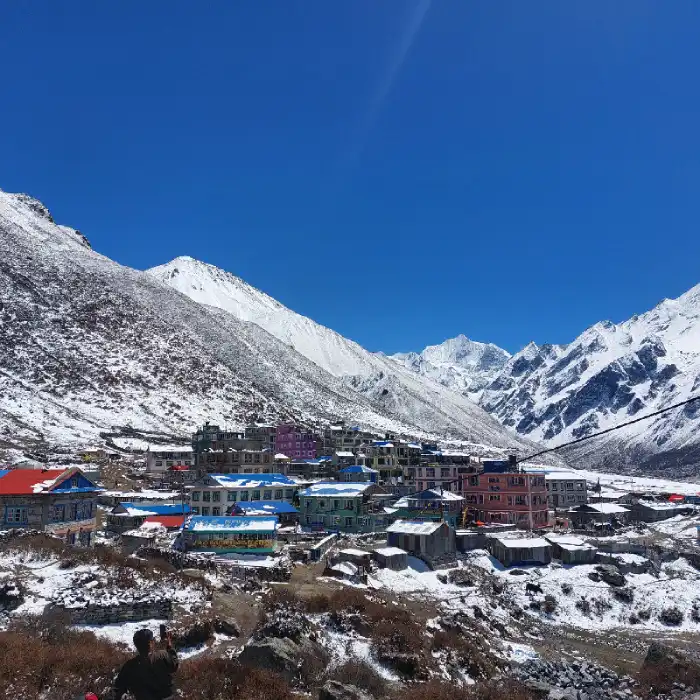
The trek starts with a 35-minute scenic flight from Kathmandu to Tumlingtar, followed by a thrilling ride to Gadhidanda. From this point, our trek officially begins by passing through a series of charming villages and terraced fields, including Hedangna, Simma, and Bakle.
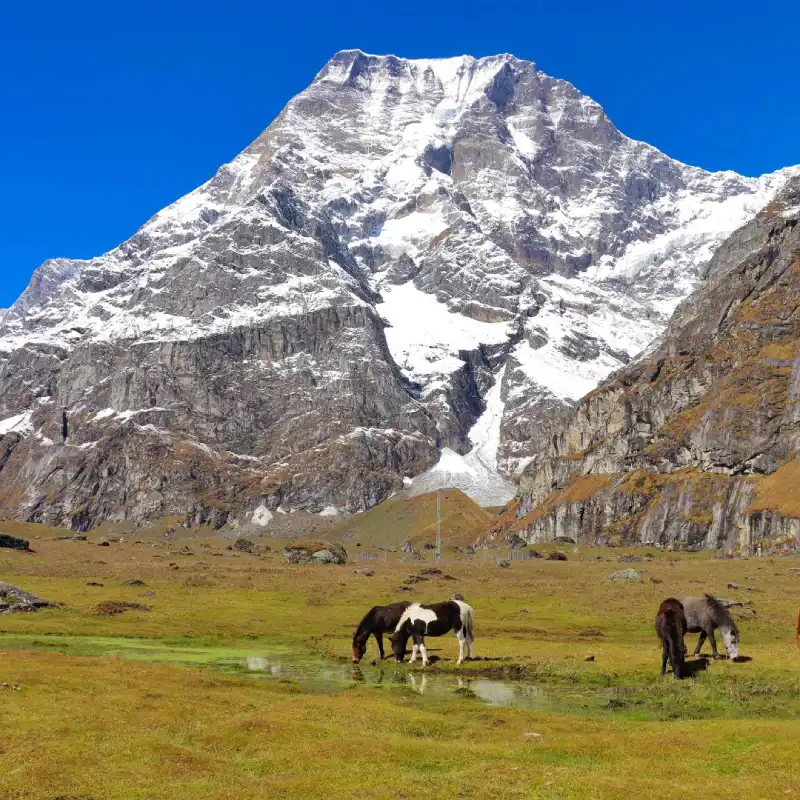
For the next two days after Bakle, you will be camping in a tent, as there are no hotels or villages in these places. Only the local sheep and yak herders live here in a small hut to graze their animals in the summer season. Hence, this makes these days even more enjoyable, offering a true chance to connect with nature and escape the crowds.
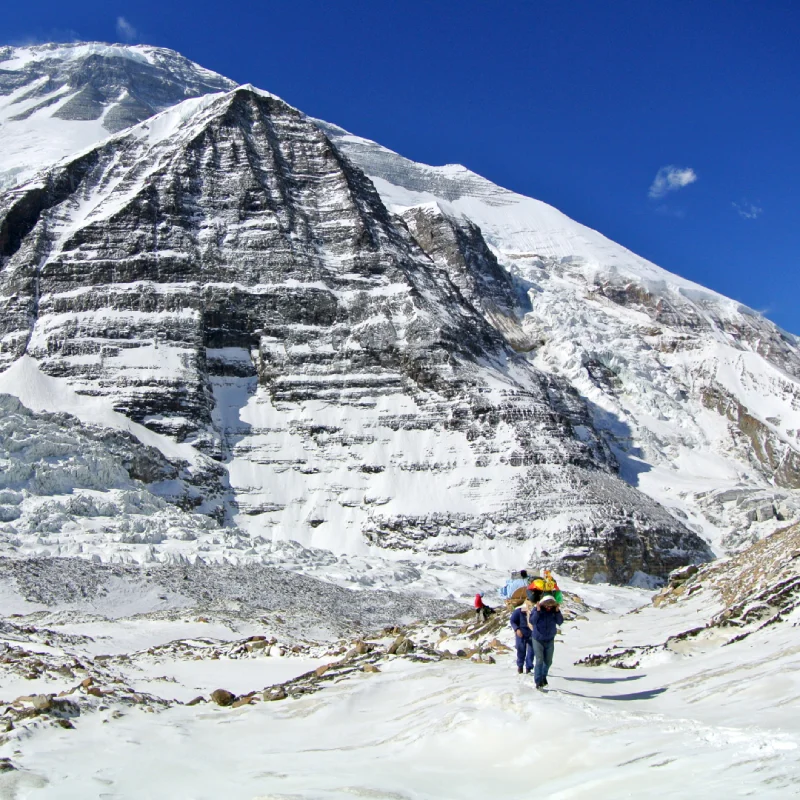
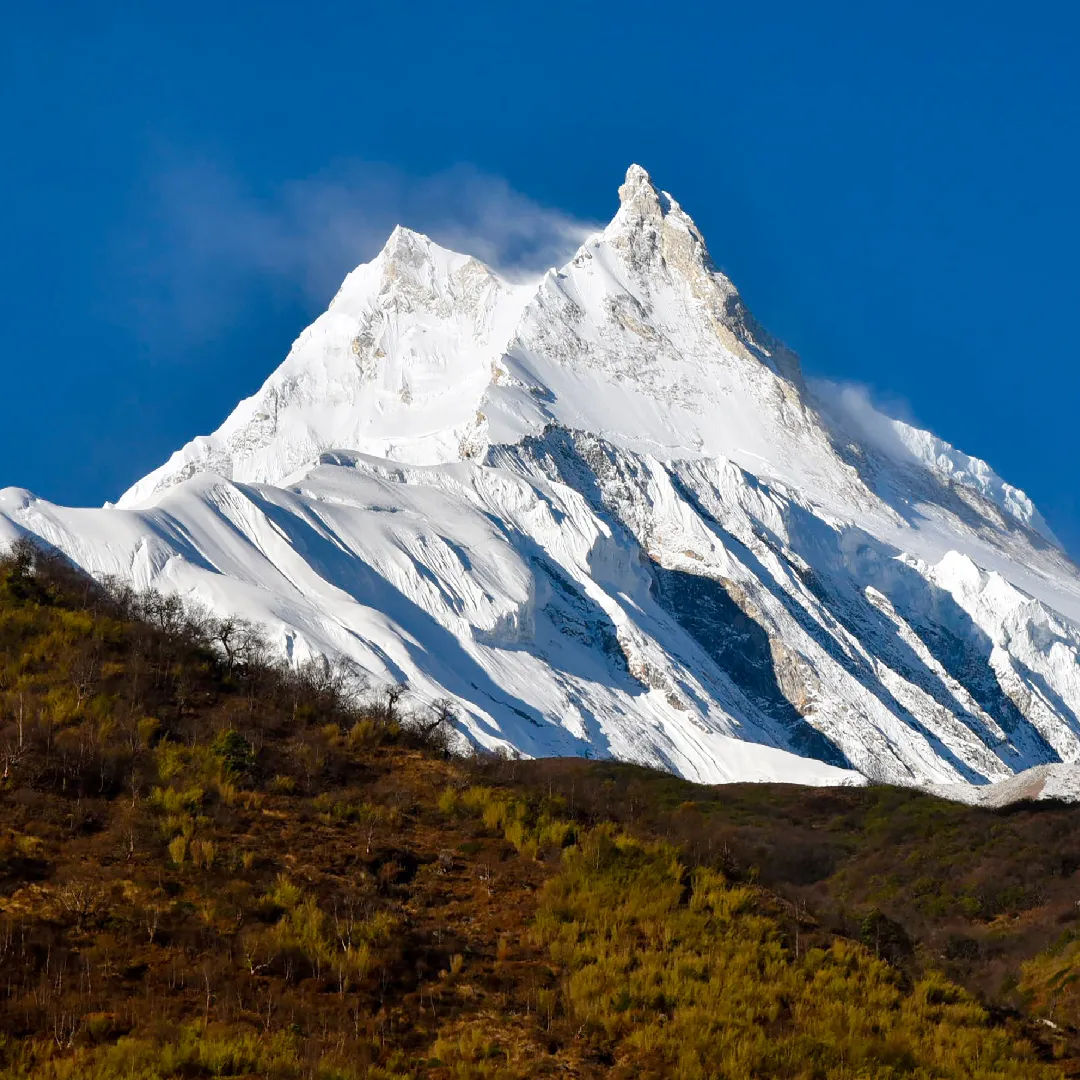
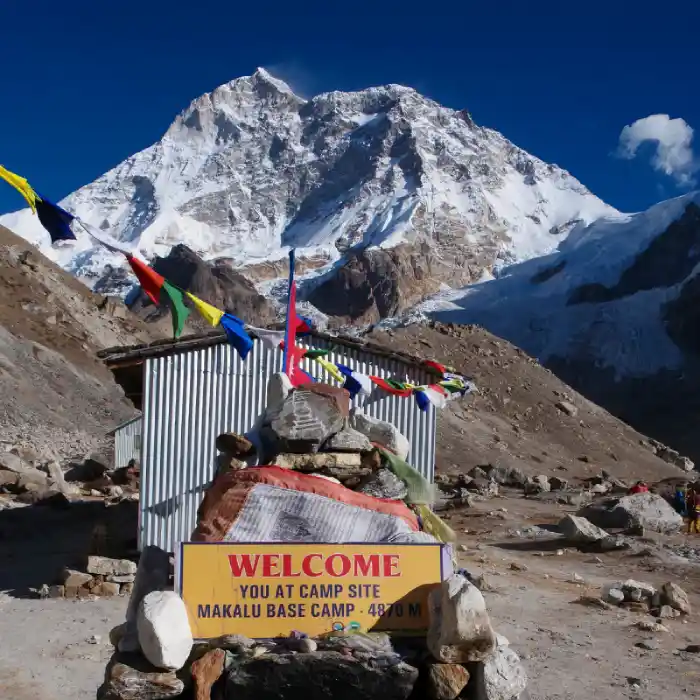
Following a gradual ascent and descent, you will reach Dobato, joining the classical route to the base camp. The trek continues through Yangle Kharka, Langmale Kharka, and finally to Makalu Base Camp (4,870 m), rewarded with stunning views of Mount Makalu (8,485 m) and surrounding peaks.
After exploring the base camp, the trek goes through Kalo Pokhari and Tashigaon, offering new landscapes, and concludes at Seduwa before driving to Chichila and flying back to Kathmandu.
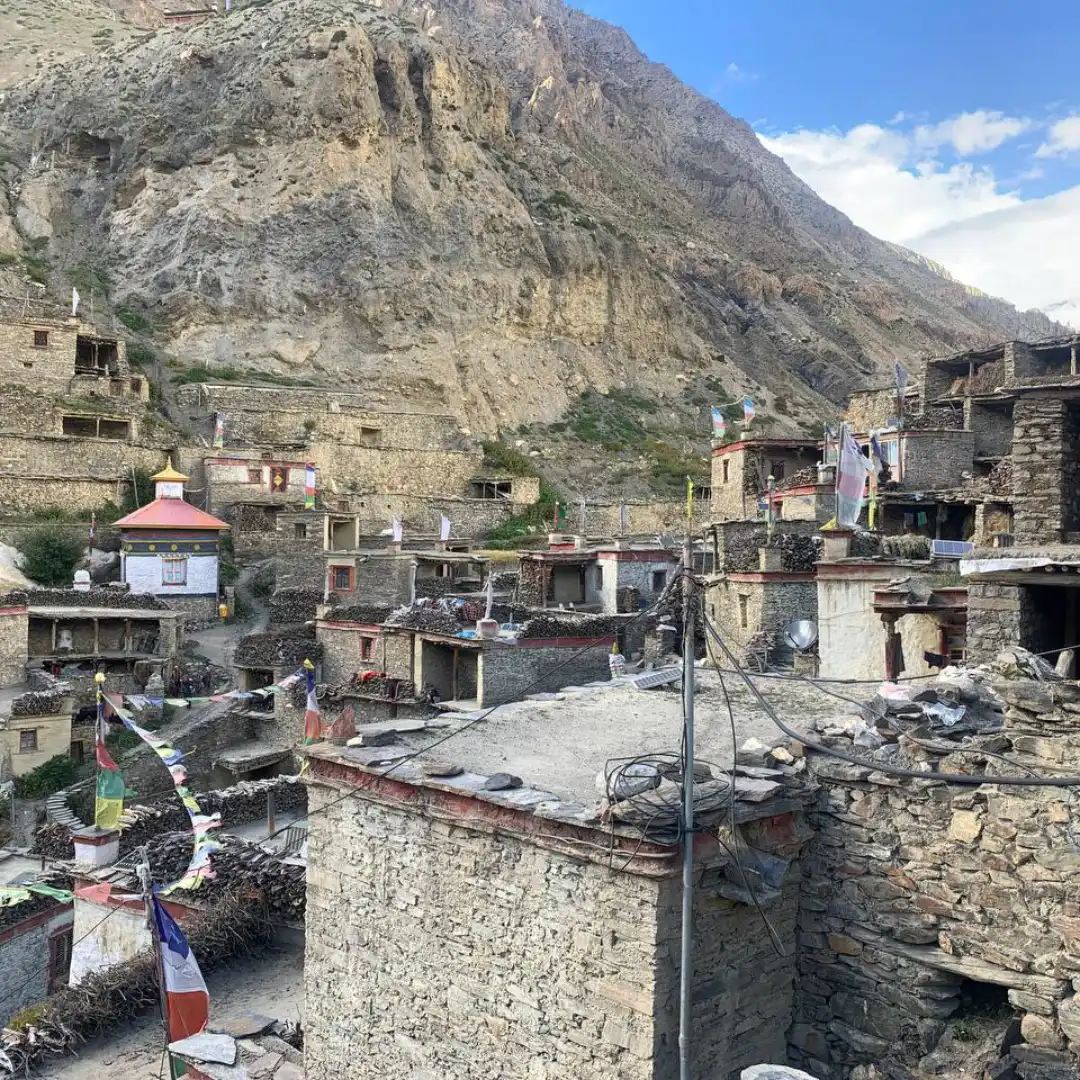
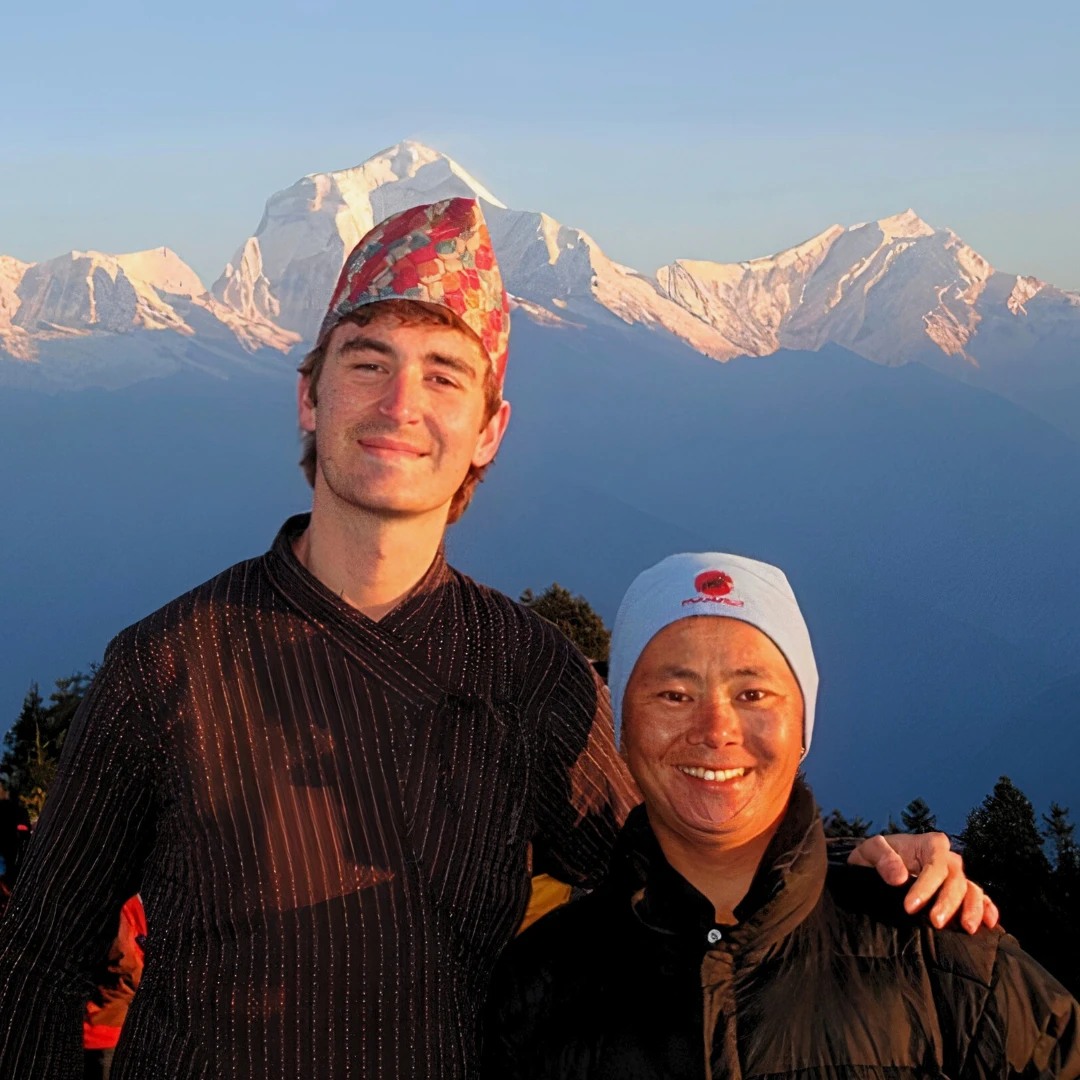
Trekking on this route presents a chance to explore places where local Rai and Sherpa communities live. The people of Makalu region are known for their warm hospitality and friendly nature. People will greet you with smiles while trekking through the villages and offer you traditional tea and snacks.
This trek is perfect for those who prefer a peaceful walking trail with significantly fewer crowds and want a camping experience in the Himalayas. The best time to do Makalu Base Camp trek is during the spring and autumn seasons, with fine weather and clear views of the Himalayas.
Included MealsDinner
Included MealsBreakfast, Lunch & Dinner
Included MealsBreakfast, Lunch & Dinner
Included MealsBreakfast, Lunch & Dinner
Included MealsBreakfast, Lunch & Dinner
Included MealsBreakfast, Lunch & Dinner
Included MealsBreakfast, Lunch & Dinner
Included MealsBreakfast, Lunch & Dinner
Included MealsBreakfast, Lunch & Dinner
Included MealsBreakfast, Lunch & Dinner
Included MealsBreakfast, Lunch & Dinner
Included MealsBreakfast, Lunch & Dinner
Included MealsBreakfast, Lunch & Dinner
Included MealsBreakfast, Lunch & Dinner
Included MealsBreakfast, Lunch & Dinner
Included MealsBreakfast, Lunch & Dinner
The Makalu Base Camp Trek via the New Route requires a Makalu Barun National Park Entry Permit, a TIMS card (Trekkers' Information Management System), and depending on specific sections of the new route, a Restricted Area Permit (RAP). Since the new route traverses previously less-documented trail sections, it is strongly advised to confirm the latest permit requirements with a registered Nepal trekking agency before departure, as regulations on newer routes can evolve.
The core permit requirements remain largely similar — Makalu Barun National Park Entry Permit and TIMS card — but the New Route may pass through additional restricted buffer zones or newly regulated trail sections that require supplementary permits. Because the new route is less established administratively than the classic route via Num and Seduwa, working with an experienced and knowledgeable trekking agency familiar with the New Route's specific permit landscape is essential.
All permits should be arranged through a government-registered trekking agency in Kathmandu well in advance of your departure. Given the newer and less administratively standardized nature of this route, your agency should confirm the most current permit requirements directly with the Department of Immigration and the Makalu Barun National Park authority. Do not rely on obtaining all permits at trailhead checkpoints on the New Route.
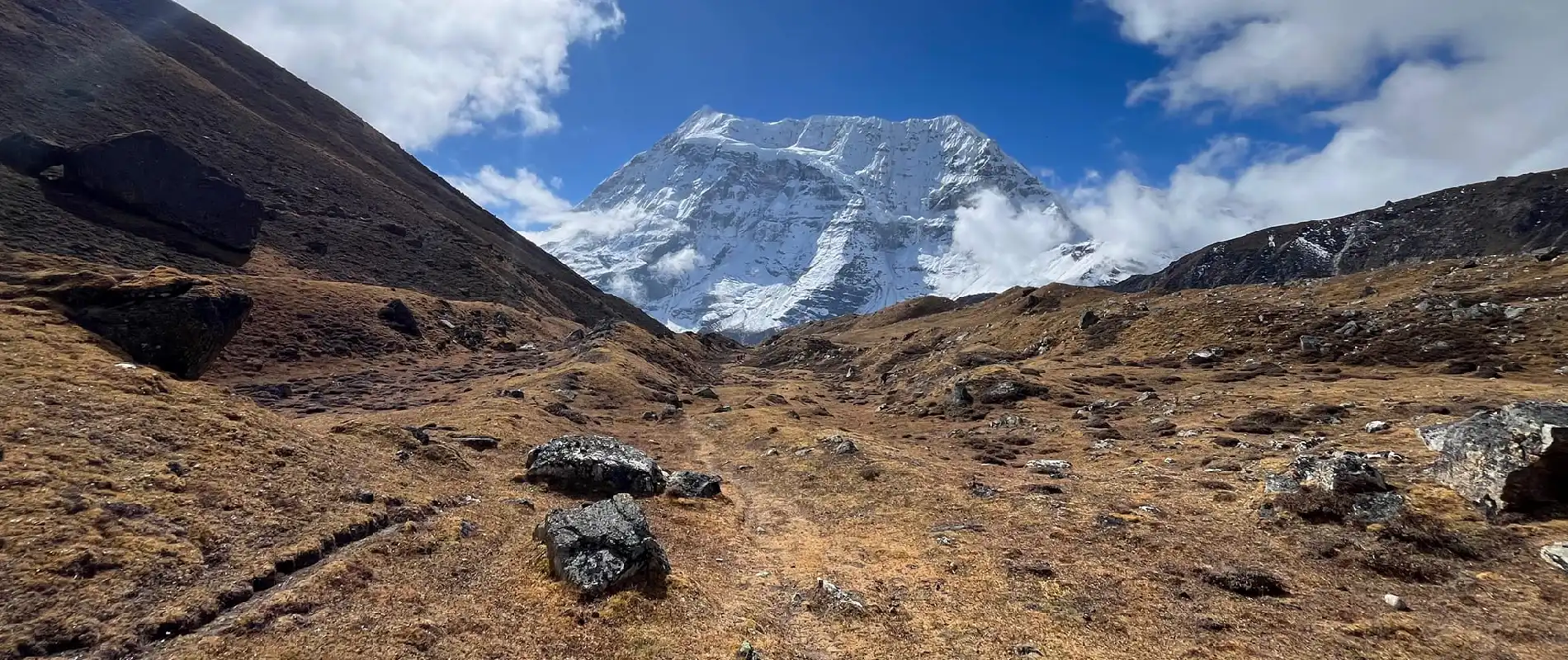
The New Route offers several distinct highlights not found on the classic route, including untouched wilderness corridors, pristine high-altitude valleys, remote ethnic villages rarely visited by outsiders, new vantage points of Makalu (8,485m) and surrounding peaks, and an unparalleled sense of true exploration. Trekkers on the New Route often experience multiple consecutive days without encountering other trekking groups — a rarity even on the classic Makalu route and virtually impossible on mainstream Nepal treks.
Yes. The primary destination remains Makalu Base Camp at approximately 5,700m — the foot of the world's fifth highest mountain. The New Route simply offers a different approach corridor to this iconic destination, with distinct scenery, different villages, alternative high passes, and varied ecological zones along the way. The ultimate reward of standing beneath Makalu's extraordinary southwest face remains the same.
The specific passes on the New Route vary by operator and evolving trail knowledge, but the route typically involves crossing alternative high-altitude passes in the 4,000m–5,200m range that differ from the classic Shipton La (4,216m) and Keke La (4,170m). Some versions of the New Route incorporate higher and more technically demanding pass crossings, making it more challenging overall than the standard classic route.
The maximum altitude remains Makalu Base Camp at approximately 5,700m — identical to the classic route. However, depending on the specific variation of the New Route taken, intermediate high passes may exceed 5,000m–5,200m, meaning the overall altitude profile of the New Route can be more demanding than the classic approach in terms of sustained high-altitude exposure.
The optimal seasons are April–May (spring) and late September–October (autumn). Spring offers rhododendron blooms, gradually improving weather, and good visibility of Makalu. Autumn delivers the most stable skies, clearest mountain views, and driest trail conditions. Given the New Route's less-established nature, choosing peak season months with the most reliable weather windows is even more important than on the classic route.
Weather on the Makalu New Route is characterized by significant variability across elevation zones. Lower subtropical sections can be warm and humid (15°C–25°C daytime) even in spring and autumn. Mid-altitude sections transition through temperate forest zones with cool conditions. Above 4,500m, temperatures drop rapidly with daytime highs of 0°C–8°C and nighttime lows of -15°C to -25°C at base camp. Afternoon winds at high altitude can be fierce. Preparing for all four seasons in a single day is not an exaggeration on this route.
The New Route starting point varies by operator, but most versions begin from Tumlingtar (accessible by domestic flight from Kathmandu) or alternative eastern Nepal access points that differ from the classic Num/Seduwa starting points. Some New Route variations begin from Chainpur or Khandbari, offering different initial approach valleys and ethnic community encounters before ascending toward the Makalu Barun wilderness.
Yes, if anything, travel insurance is even more critical for the Makalu Base Camp New Route than the classic route. The New Route's more remote approach corridors, less-established trails, fewer bailout options, and reduced teahouse infrastructure mean that helicopter evacuation is the only realistic emergency option in most sections. Your policy must cover high-altitude trekking above 5,700m, emergency helicopter evacuation, and comprehensive medical expenses. Evacuation costs from the New Route's most remote sections could reach USD 10,000–USD 20,000 and no rescue will proceed without confirmed insurance.
Trip Duration 19 Days starting from Kathmandu and ending at Kathmandu
Trip Grade Tough
Best Season March - May, September - November
Or
Dhampus Peak, with an elevation of 6,012 meters (19,724 feet), is a po
Island Peak, also known as Imja Tse, stands at 6,165 meters (20,226 fe
The Nar Phu Valley Trek is a hidden gem situated in the Annapurna regi
Far up and away in the remote west of Nepal, the Api Base Camp Trek un
Mera Peak is Nepal’s highest trekking peak. It is located in the Mah
The Mardi Himal Trek is a perfect trek that offers a wonderful balance
The Jiri to Everest Base Camp Trek follows the classic route taken by
Lobuche East peak is one of the popular and challenging trekking peak
Ghorepani Poon Hill Trekking is most popular who have limited time for
Manaslu Circuit Trek is one of the most beautiful trekking experiences
The combination of the magical Nar Phu Valley and the classic high-alt
The Langtang Valley Trek is an amazing journey into the heart of the L
Makalu Base Camp Trek is truly an unforgettable adventure, covering so
The Everest Base Camp with Gokyo Lake trek is an extraordinary adventu
Yala Peak is perhaps the most accessible genuine mountaineering experi