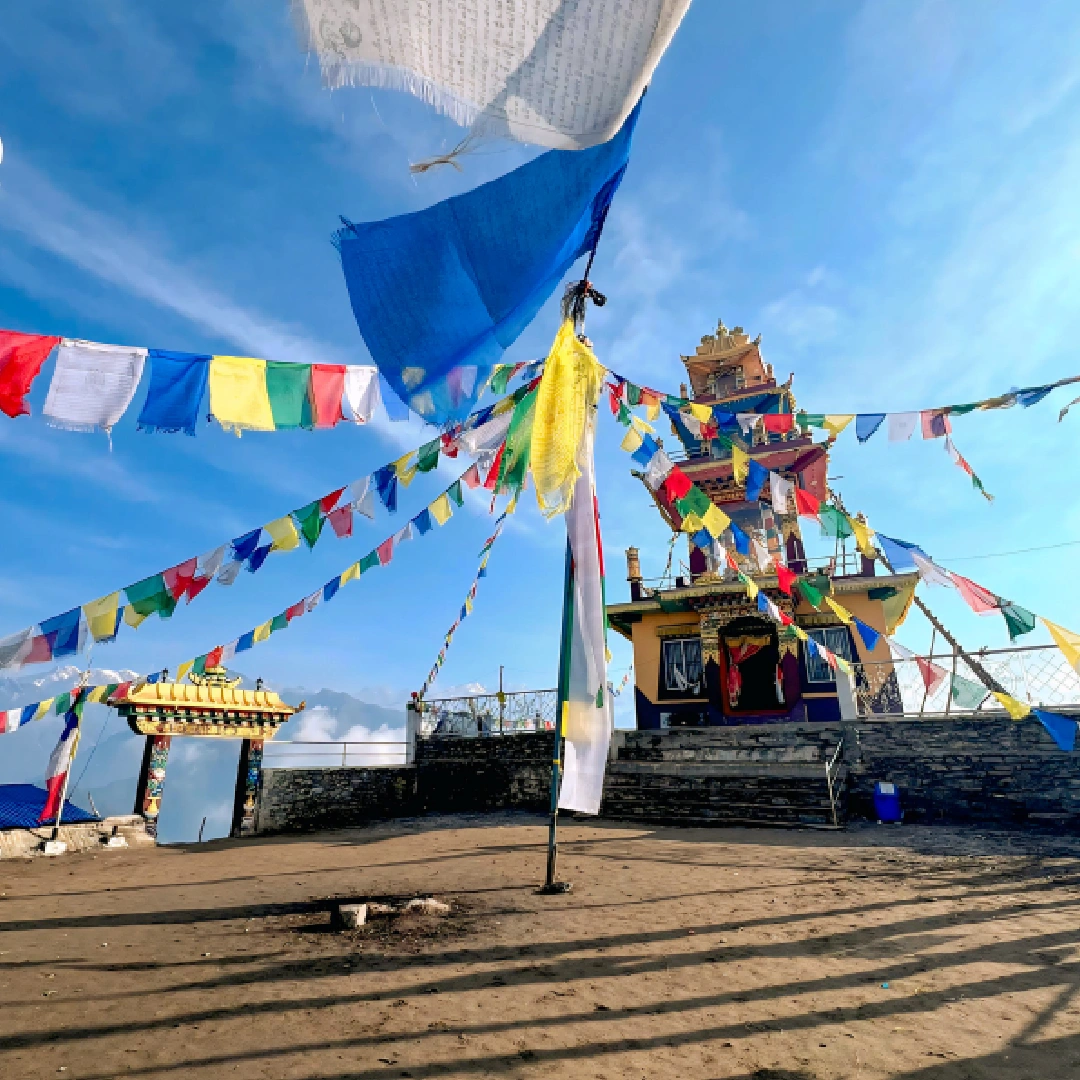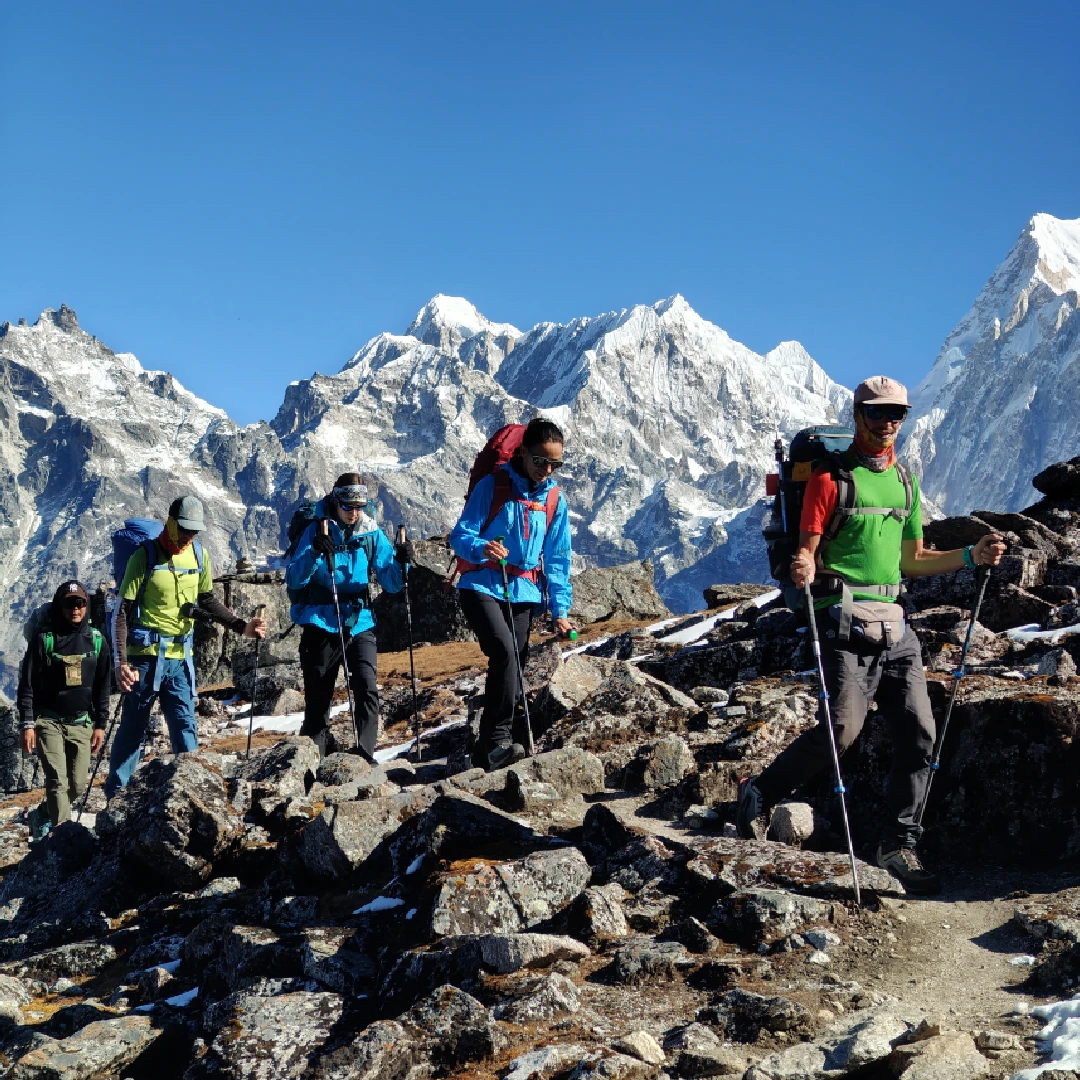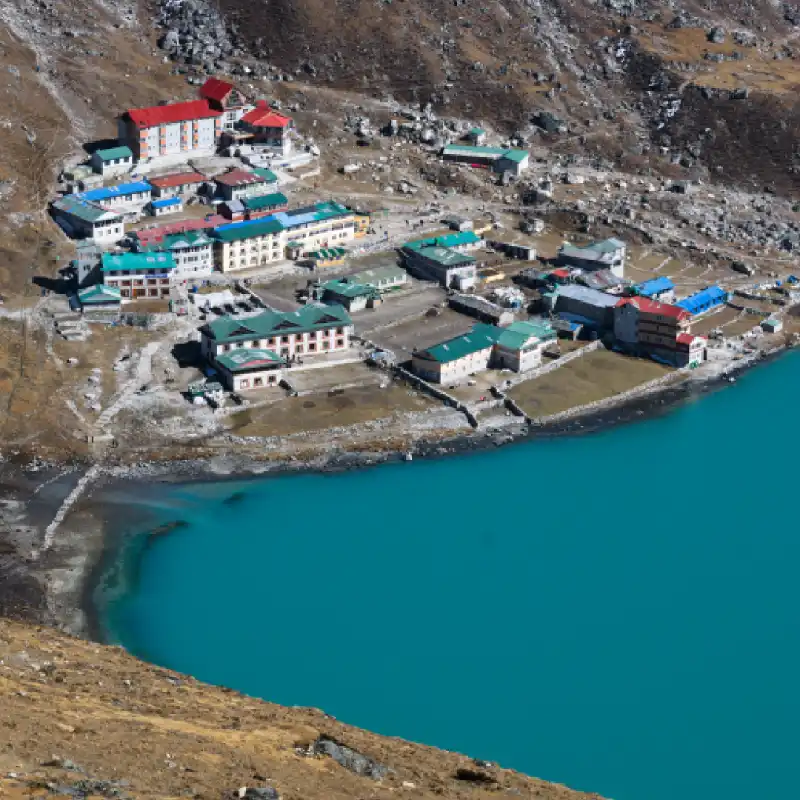
Circle the entire Annapurna massif, crossing the challenging Thorong la Pass (5,416m).
Enquire NowTrip Duration 15 Days starting from Kathmandu and ending at Kathmandu
Trip Grade Challenging
Group Size 1-20 pax
Max Height 5416m.
Best Season March - May, September - November
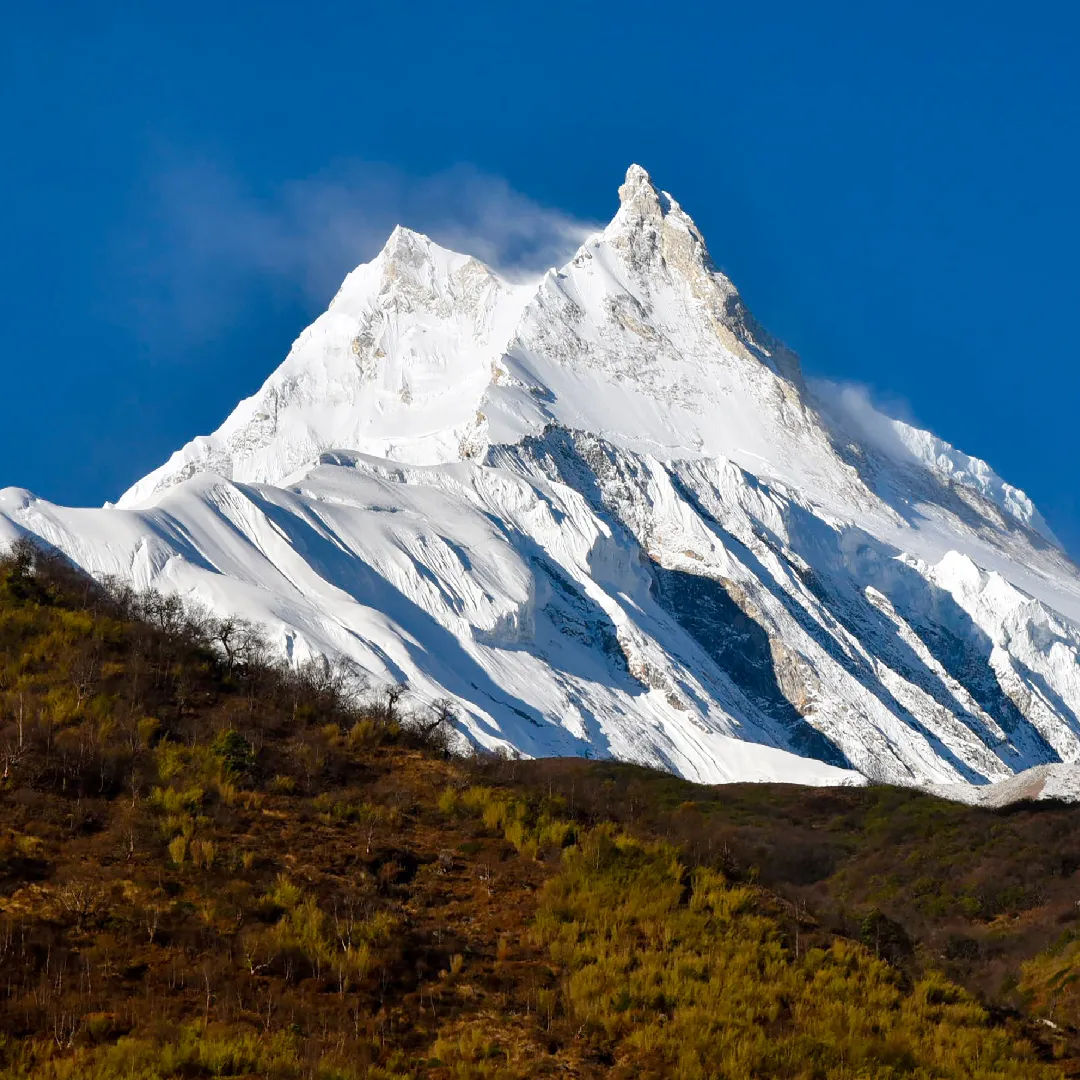
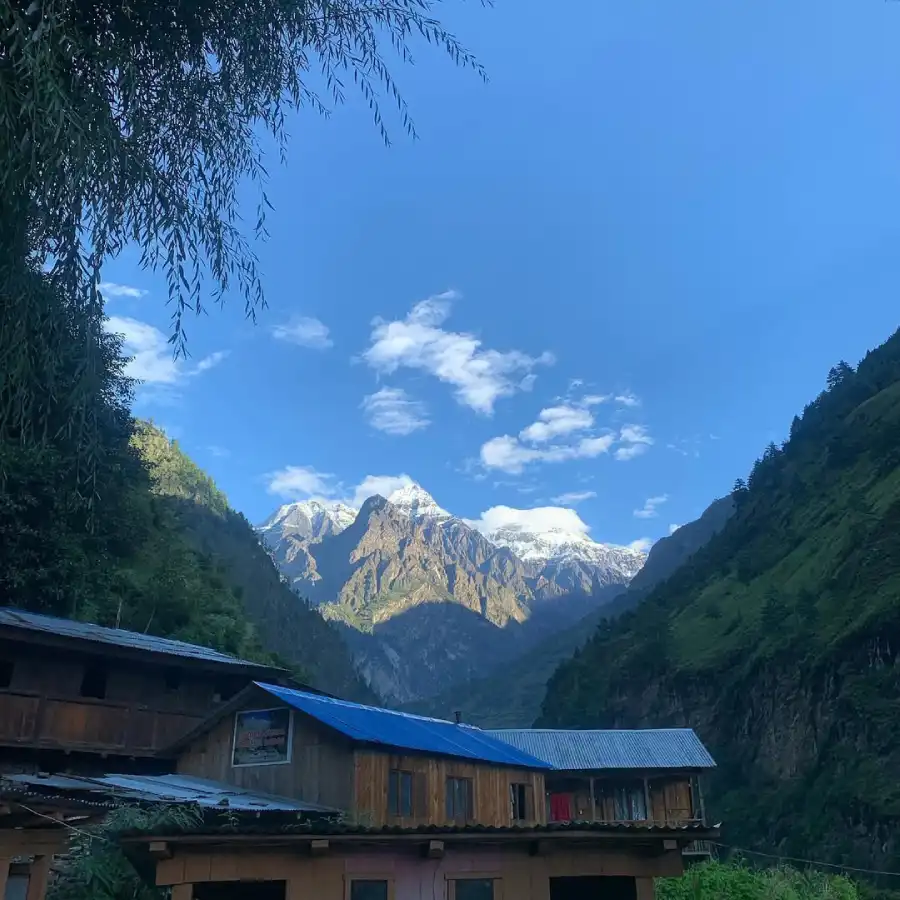
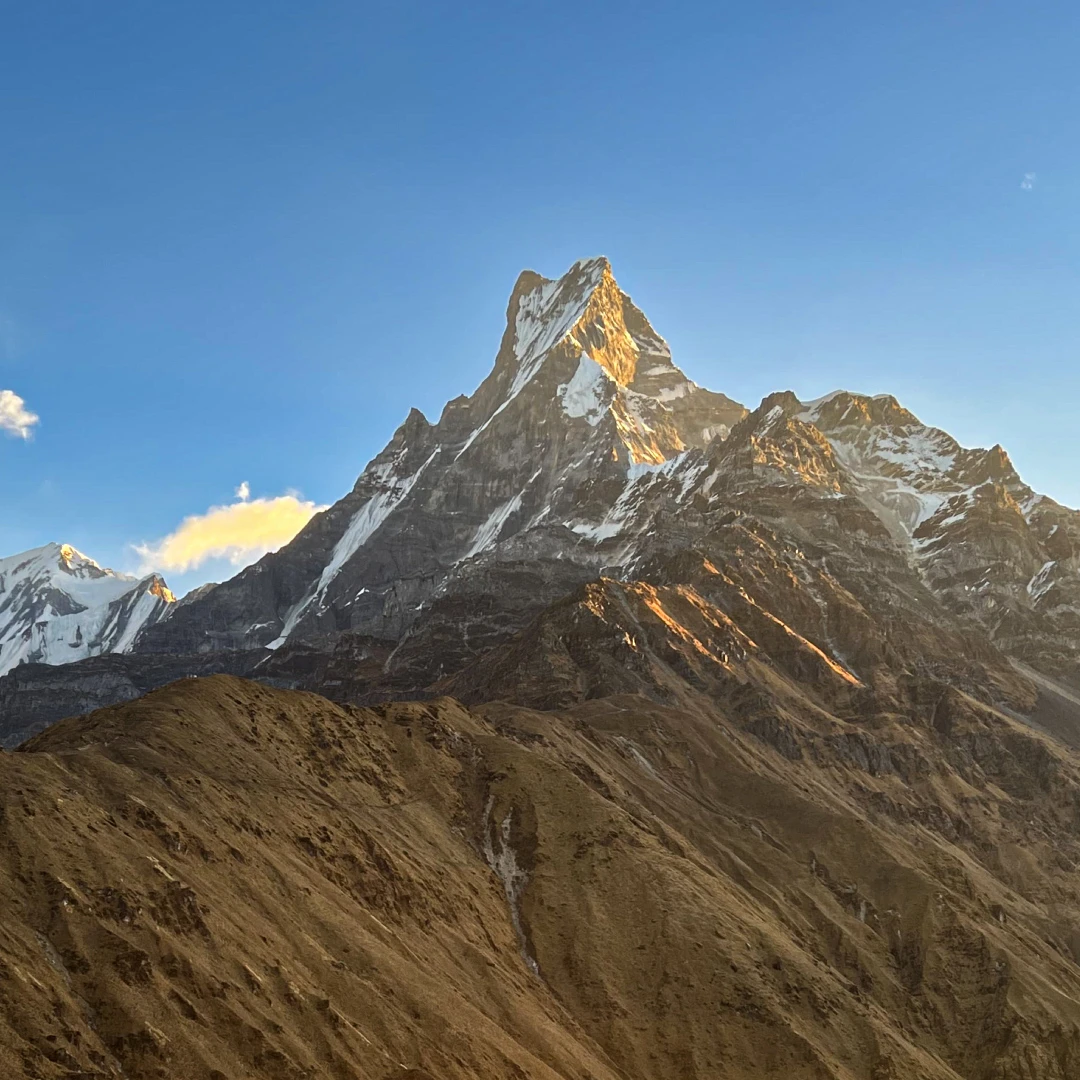
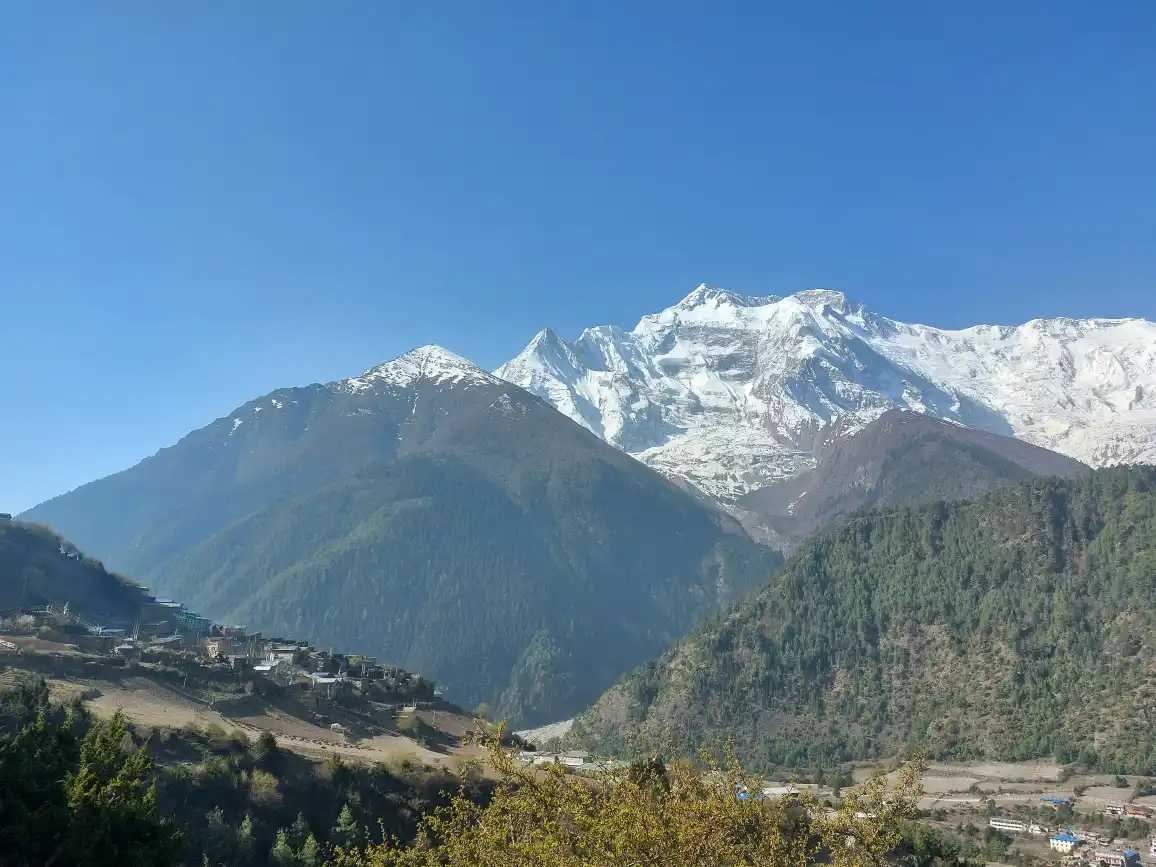
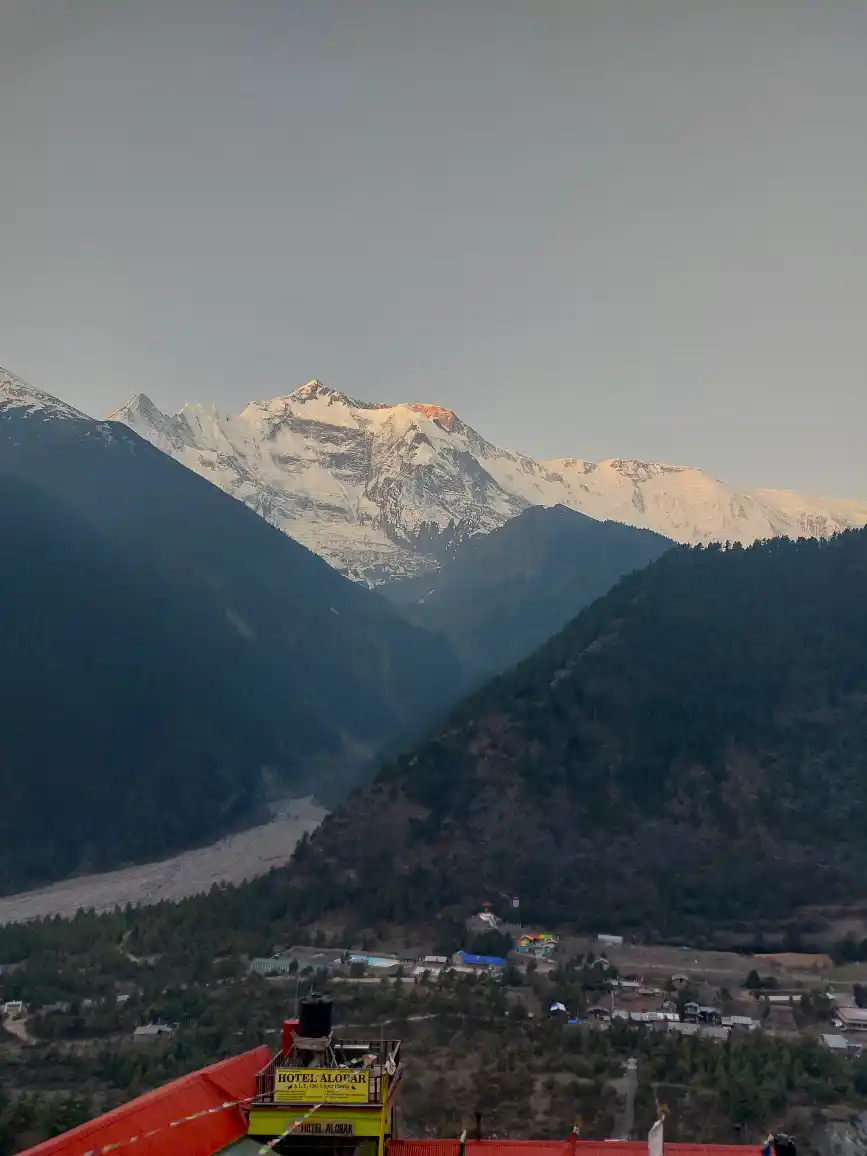
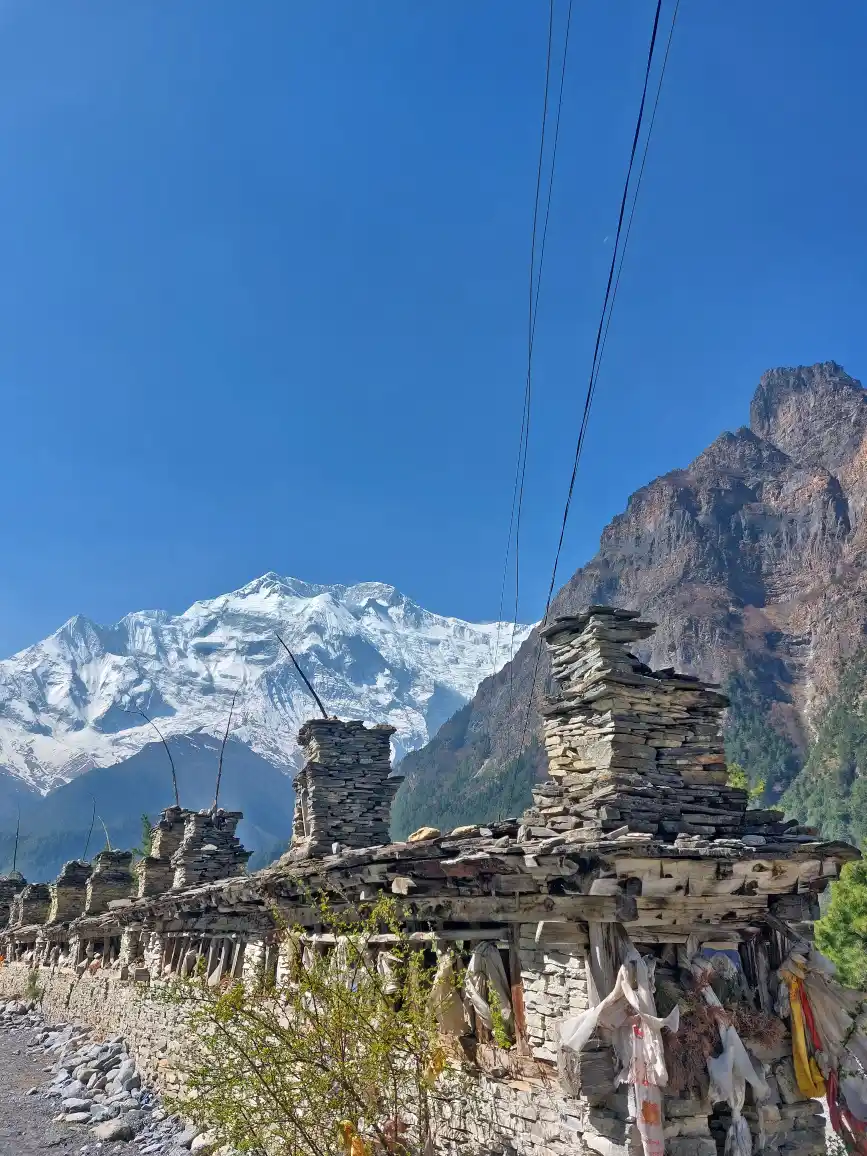
The Annapurna Circuit Trek is undoubtedly one of the best trekking routes in Nepal, which orbits the Annapurna Massif, offering a range of landscapes and cultural experiences. Located in central-northern Nepal, the trek takes you through lush forests, terraced farmland, and high-altitude desert landscapes while at the same time offering stunning views of the world’s tenth-highest mountain, Annapurna I (8,091 m), and many other peaks.
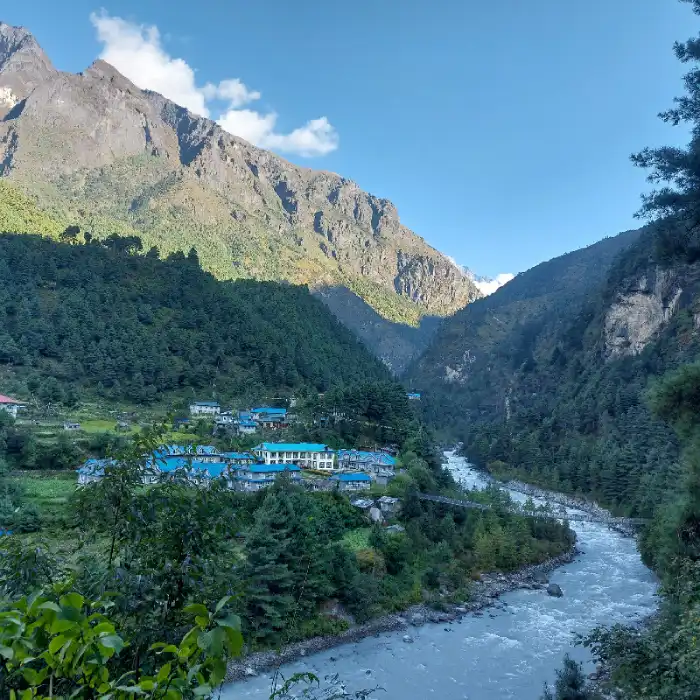
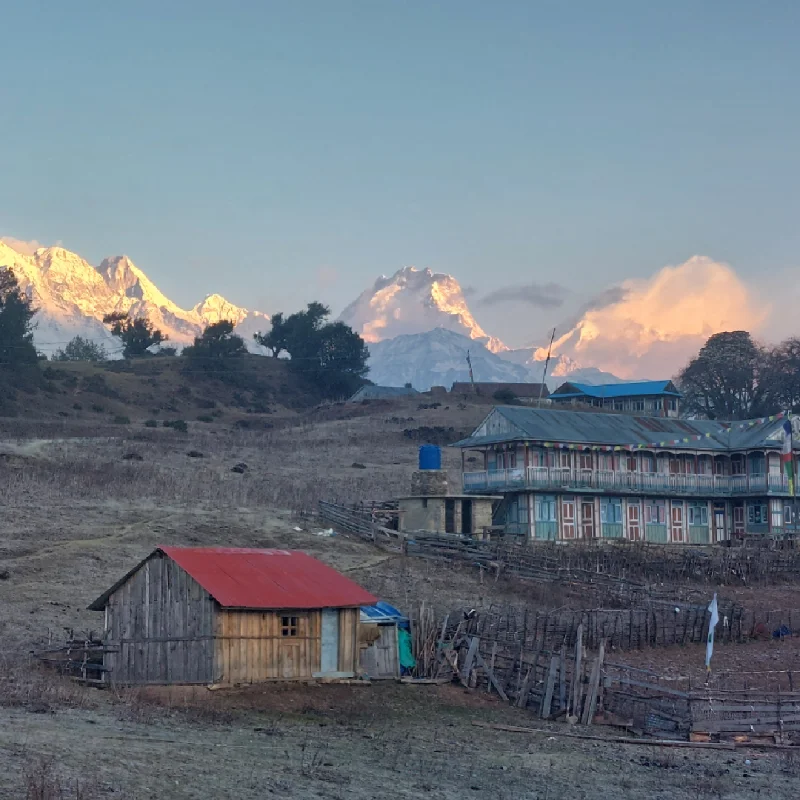
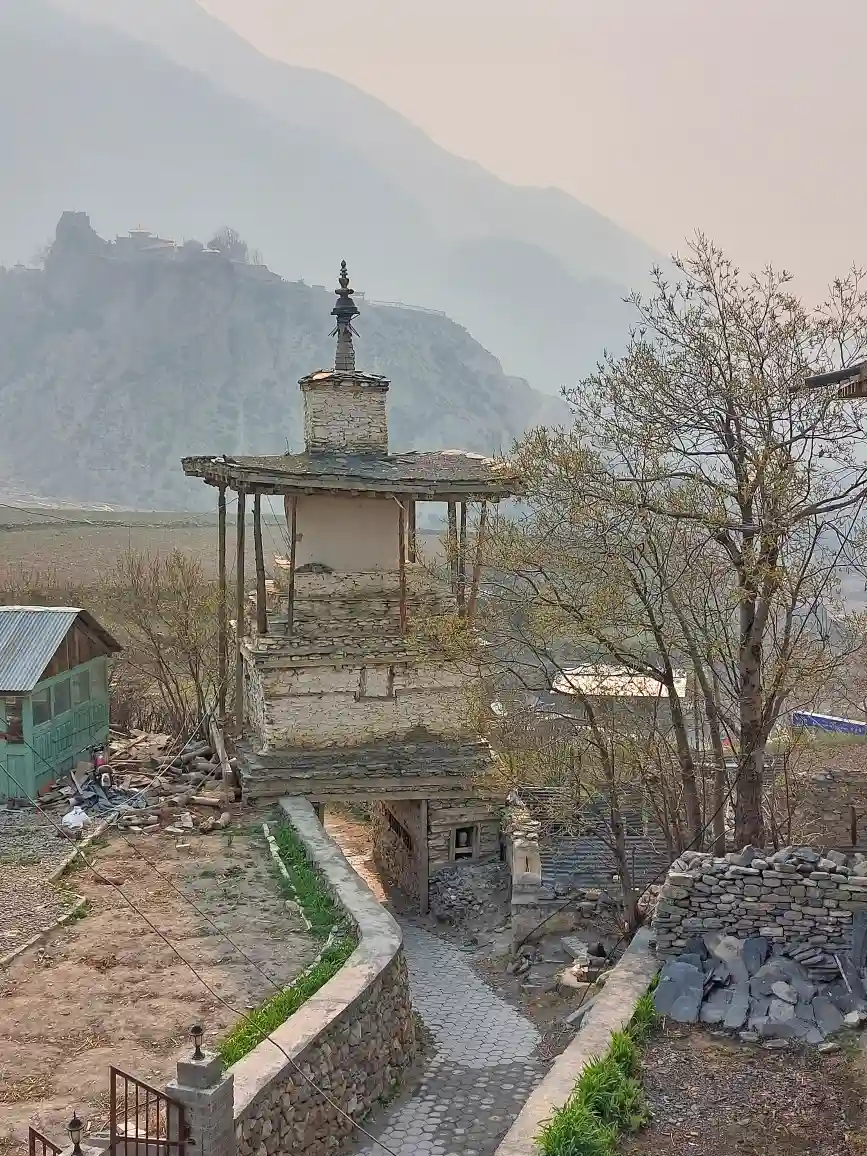
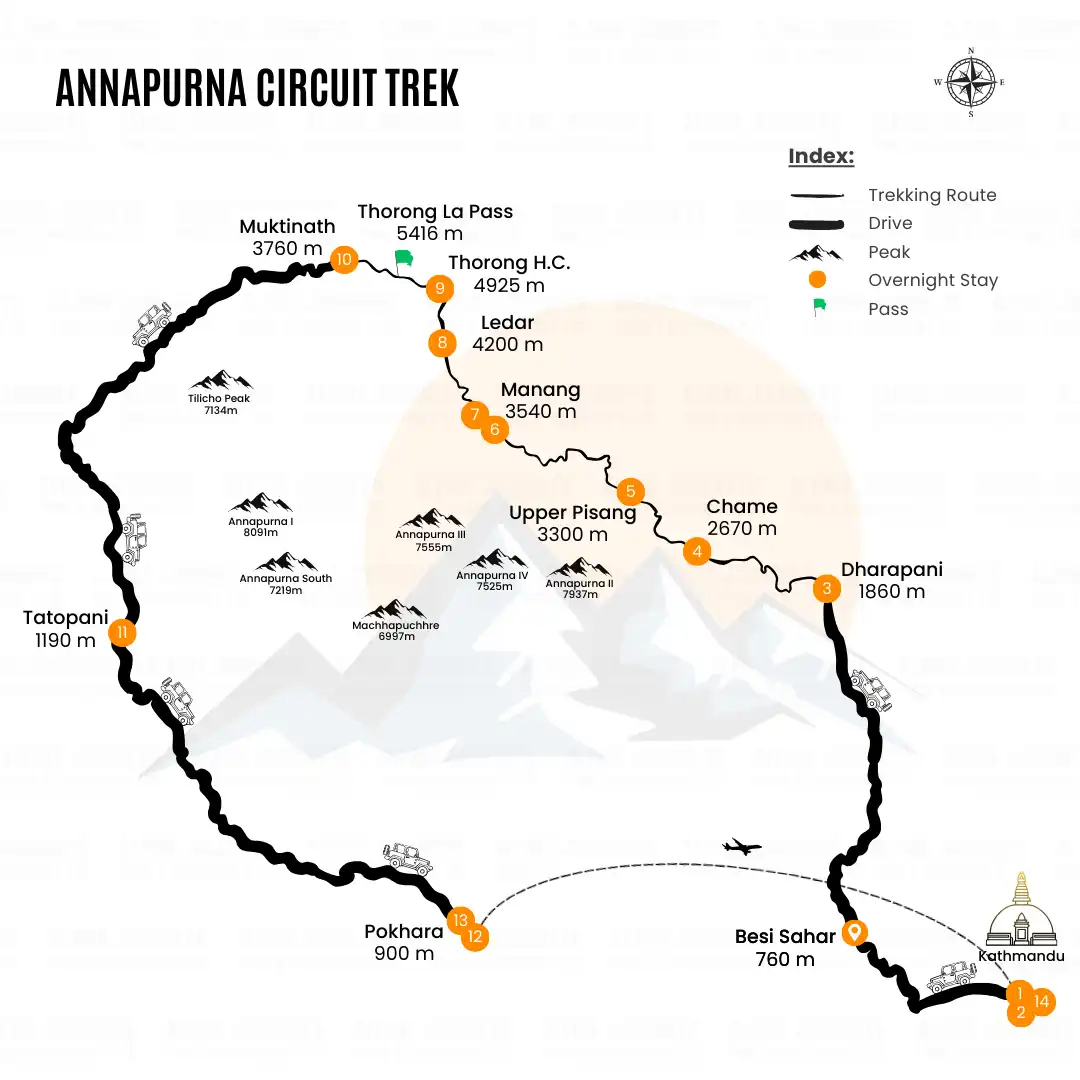
The trek starts with a beautiful drive from Kathmandu to Besisahar and then a jeep drive to Dharapani. From here, your trek starts, where you will climb up through scenic villages such as Chame, Pisang, Manang, and Ledar, each providing a different perspective on village life and culture.
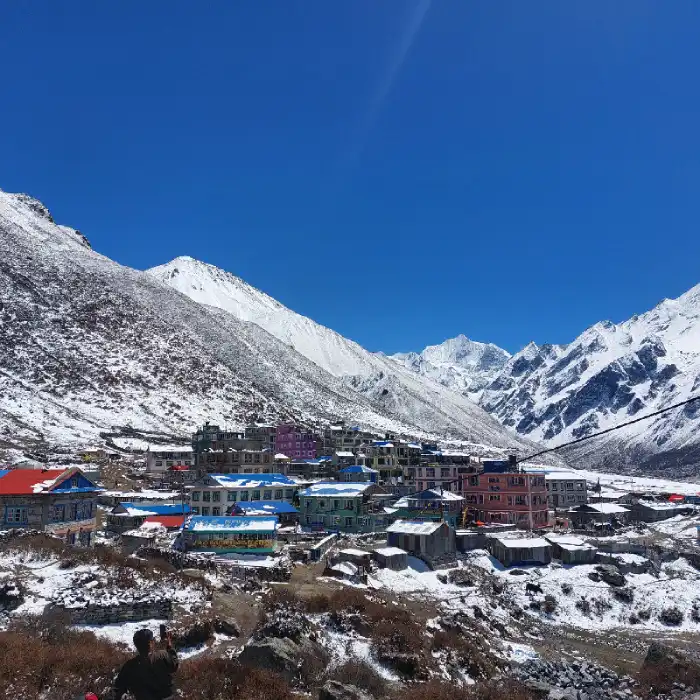
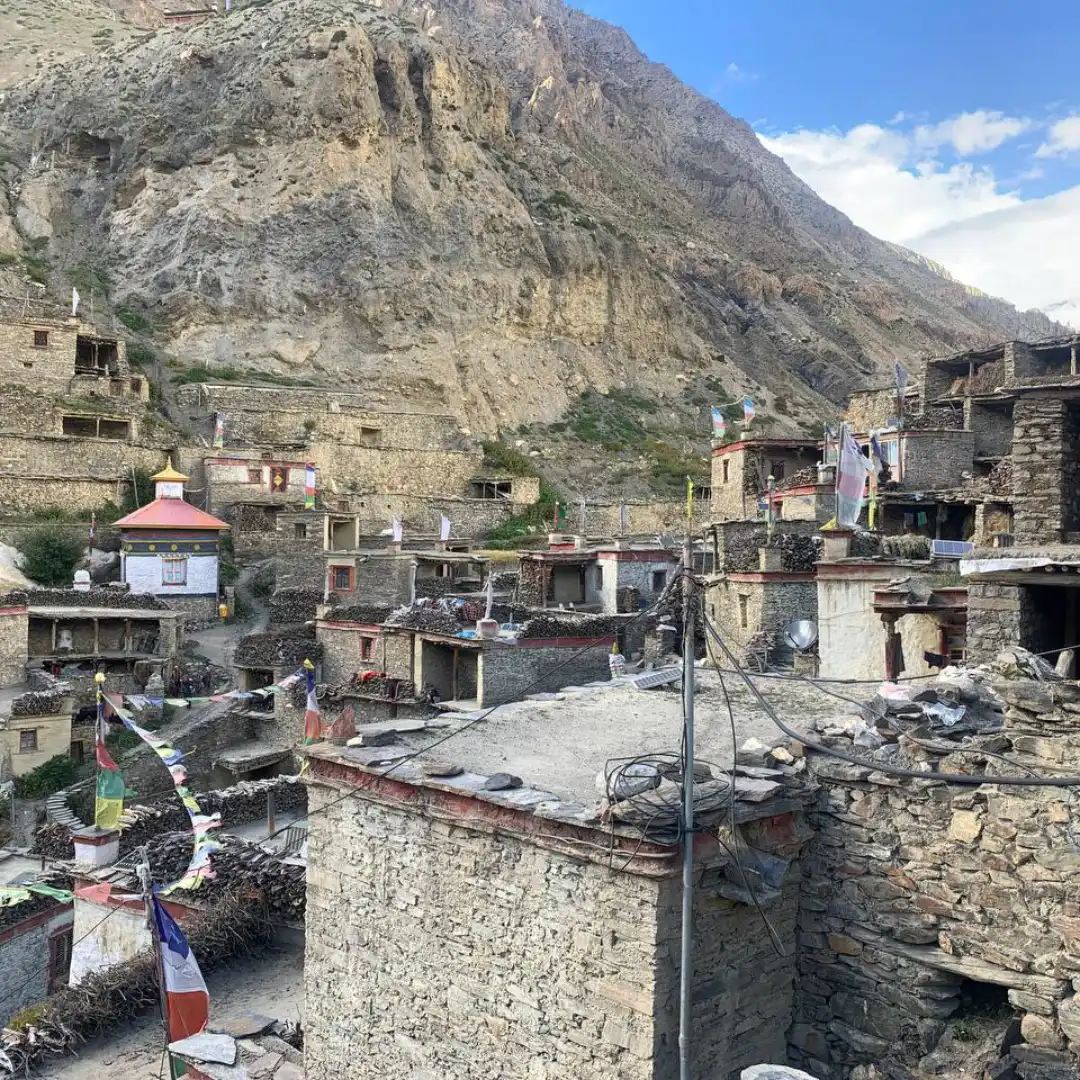
The village of Manang stands out for its traditional stone houses and stunning views of the Annapurna range. Hence making it ideal for acclimatization and a rest day. The village offers several possibilities for side excursions for this day, like the trek to Ice Lake or the Gangapurna Glacier, both of which are ideal for acclimatization and have their stunning beauty.
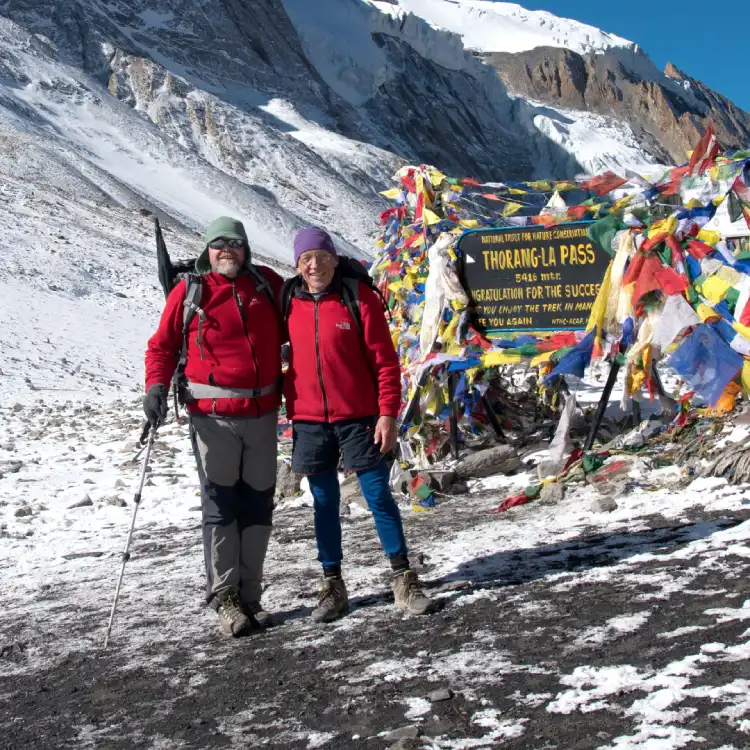
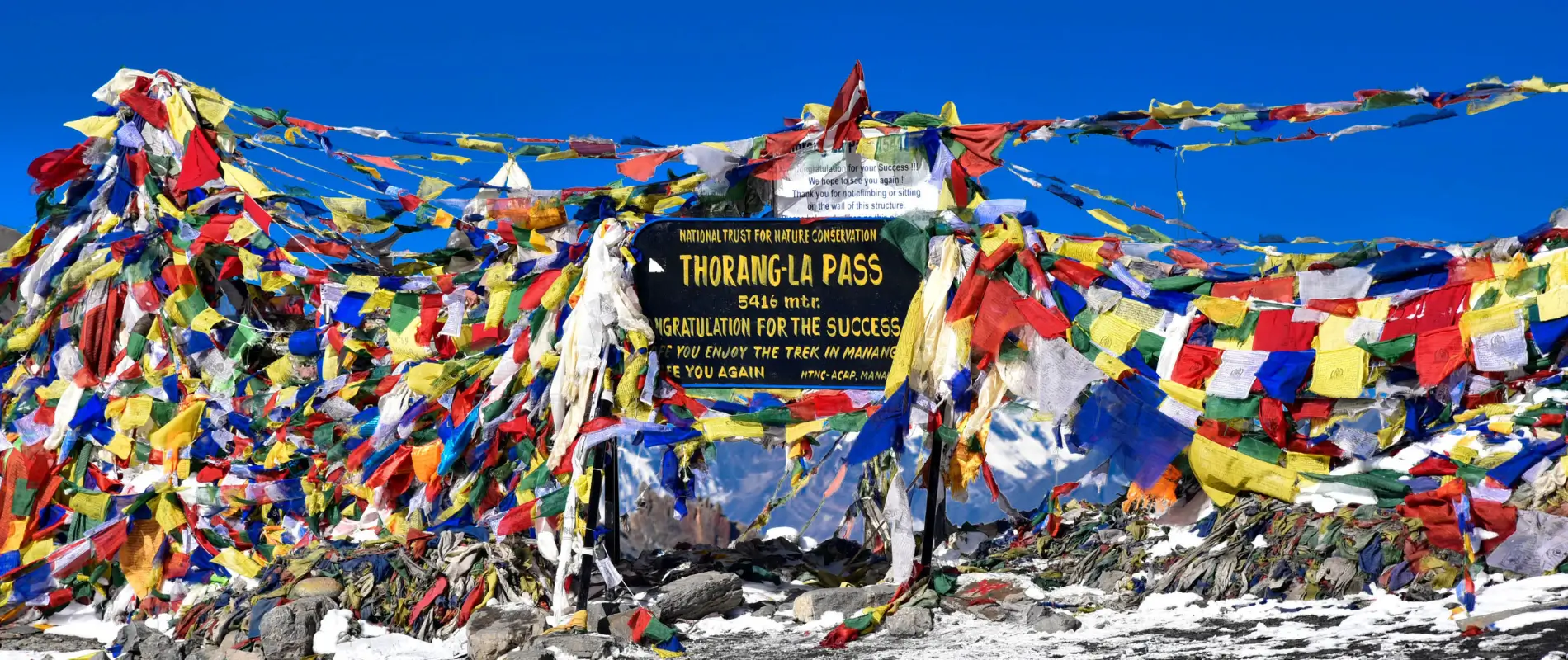
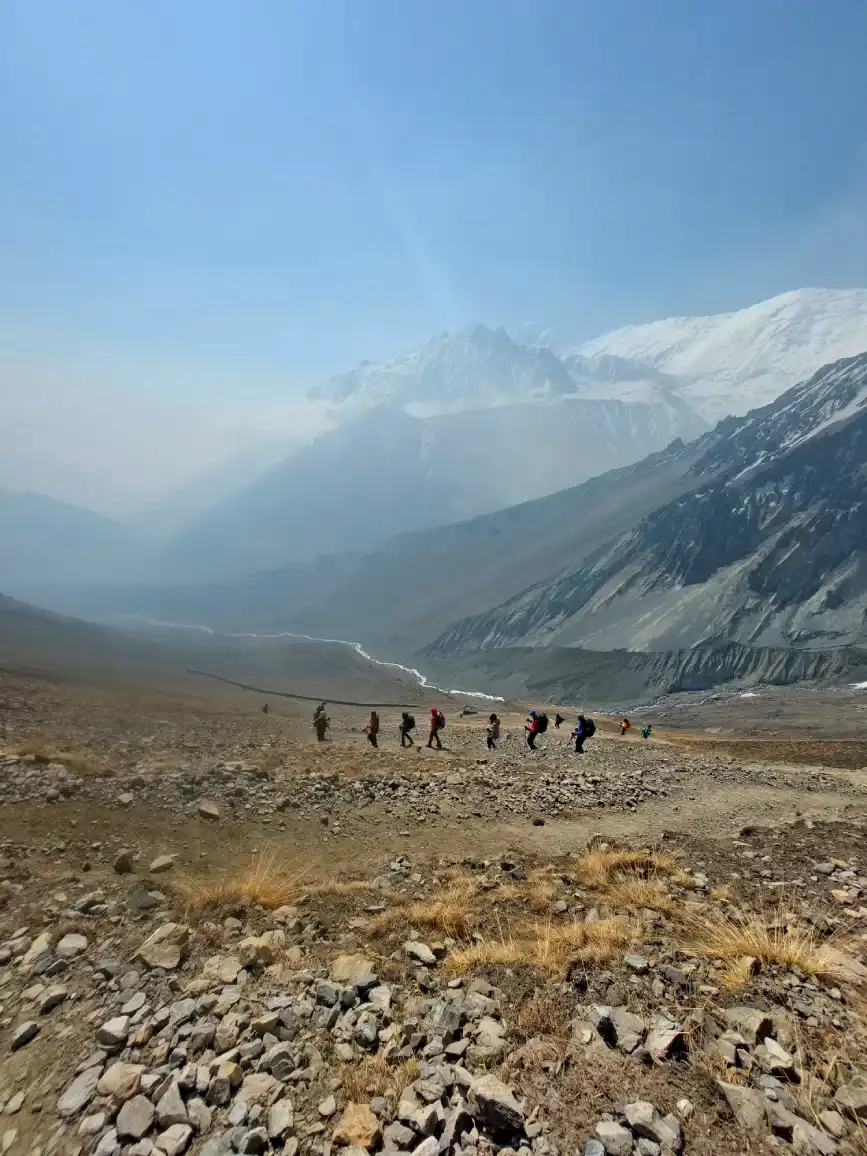
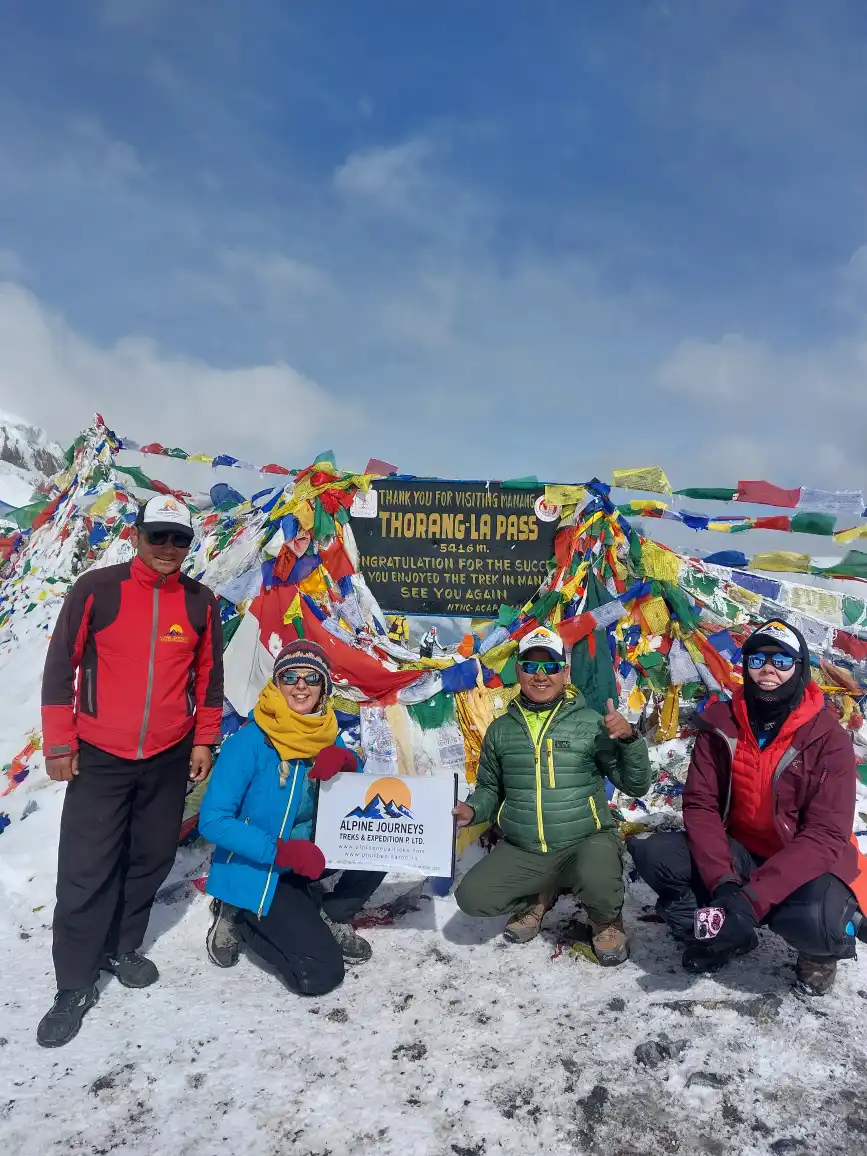
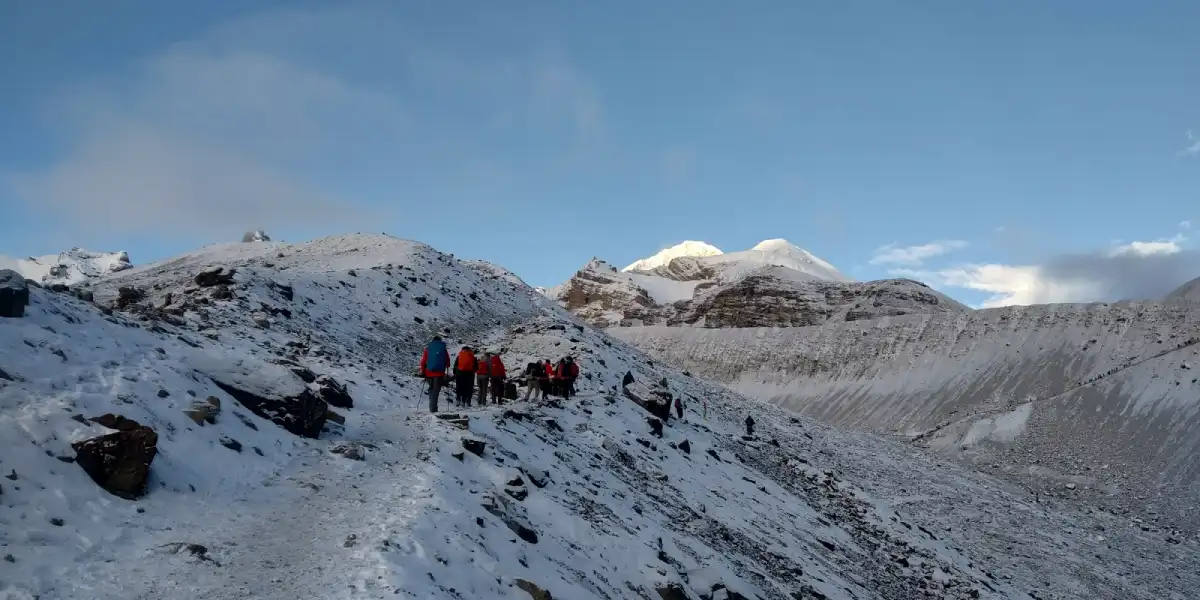
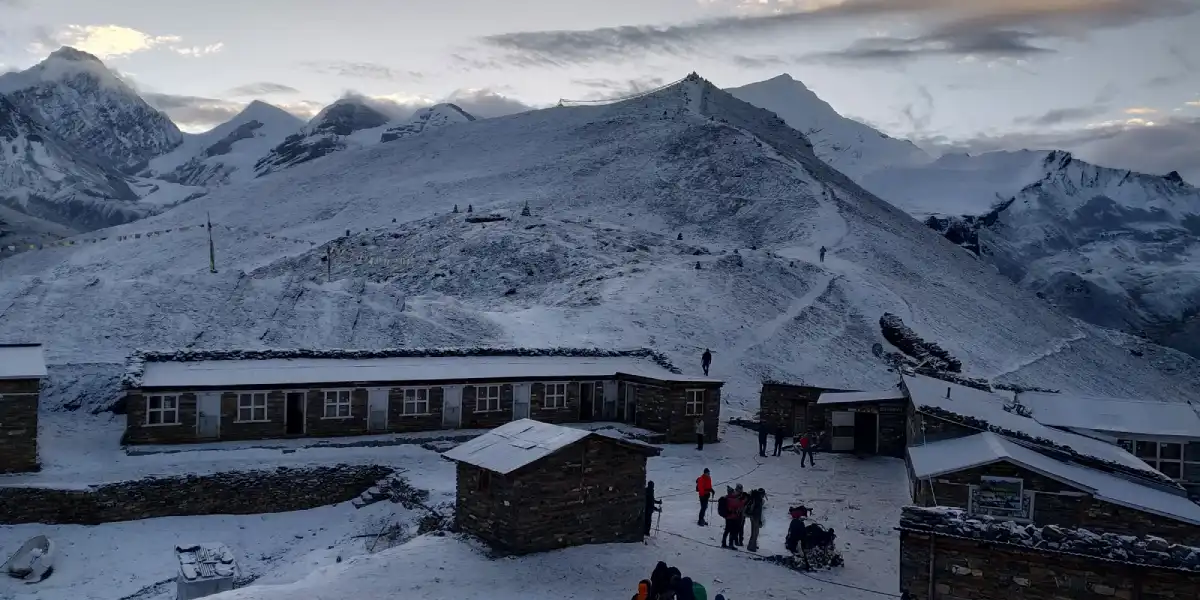
As you continue moving upward, you arrive at the Thorong La Pass (5,416 m), the trek’s highest point. This is the hardest day of the trek, yet the view from the top provides a beautiful panoramic view of nearby peaks, i.e., Dhaulagiri and Tilicho Peak. The descent from Thorong La is renowned for its steepness, which leads you to Muktinath. It is a holy pilgrimage place for both Hindus and Buddhists.
At Muktinath, one of our private tourist vehicles will be ready to return you to Pokhara via Jomsom and Tatopani. Tatopani is renowned for its natural hot springs. Here, you can rest and relax after the completion of your long trek. Finally, from Pokhara, you will take a 25-minute flight to return back to Kathmandu.
Included MealsNot Included
Included MealsBreakfast
Included MealsBreakfast, Lunch and Dinner
Included MealsBreakfast, Lunch and Dinner
Included MealsBreakfast, Lunch and Dinner
Included MealsBreakfast, Lunch and Dinner
Included MealsBreakfast, Lunch and Dinner
Included MealsBreakfast, Lunch and Dinner
Included MealsBreakfast, Lunch and Dinner
Included MealsBreakfast, Lunch and Dinner
Included MealsBreakfast, Lunch and Dinner
Included MealsBreakfast and Lunch
Included MealsBreakfast
Included MealsBreakfast and Farewell Dinner
Included MealsBreakfast
Comprehensive travel insurance is strongly recommended for all trekkers undertaking the Annapurna Circuit Trek, and should specifically cover high-altitude trekking above 5,000 metres, emergency helicopter evacuation, and medical treatment. In the event of a serious altitude-related illness or injury near Thorong La Pass, helicopter rescue can be the fastest and safest evacuation option, and the associated costs without adequate insurance coverage can be substantial.
Basic medical facilities and health posts are available in several larger villages along the Annapurna Circuit Nepal, including a well-known altitude sickness aid post in Manang staffed by medical professionals during the main trekking seasons. However, facilities are limited in more remote sections of the route, making it essential for trekkers to carry a personal first aid kit, altitude sickness medication, and valid helicopter evacuation insurance before setting out.
The Annapurna Circuit Trek is generally not recommended for complete beginners with no prior trekking experience, primarily due to the high altitude, long daily walking distances, and the physically demanding Thorong La Pass crossing at 5,416 metres. However, trekkers with moderate fitness who have completed some prior hiking and allow adequate acclimatization time can successfully complete the circuit with proper preparation and a well-paced itinerary.
Most teahouses along the Annapurna Circuit Nepal offer electricity for charging devices, though this is sometimes available at an additional cost in more remote sections of the route. Wi-Fi access is available in larger villages such as Chame, Manang, and Muktinath, but connection speeds are generally slow and unreliable at higher altitudes.
Unlike some restricted trekking areas in Nepal, the Annapurna Circuit does not legally require a licensed guide, as it is a well-marked and heavily trekked route. However, hiring an experienced guide is strongly recommended for first-time trekkers, as guides provide invaluable support with navigation, safety, cultural insight, and assistance in the event of a medical emergency.
The highest point on the Annapurna Circuit Nepal is Thorong La Pass, standing at 5,416 metres above sea level. This high-altitude mountain pass is the most challenging section of the entire route and is typically crossed in the early morning hours to avoid afternoon winds and weather changes.
Trekkers completing the Annapurna Circuit are required to obtain two main Annapurna permits: the Annapurna Conservation Area Permit (ACAP) and the Trekkers' Information Management System card, commonly known as the TIMS card. Both permits can be obtained in Kathmandu or Pokhara and must be carried throughout the trek as they are checked at multiple checkpoints along the route.
The best time for the Annapurna Circuit Trek is during the spring season from March to May and the autumn season from September to November. Both periods offer stable weather, clear mountain visibility, and manageable trail conditions, with autumn generally considered the most popular and reliable window for completing the full circuit.
Trip Duration 15 Days starting from Kathmandu and ending at Kathmandu
Trip Grade Challenging
Best Season March - May, September - November
Or
The combination of the magical Nar Phu Valley and the classic high-alt
Far up and away in the remote west of Nepal, the Api Base Camp Trek un
Makalu Base Camp Trek is truly an unforgettable adventure, covering so
The Jiri to Everest Base Camp Trek follows the classic route taken by
The Ama Yangri Trek is one of the popular short treks located in the H
Manaslu Circuit Trek is one of the most beautiful trekking experiences
Winding through the Langtang area near the Tibetan frontier, the Taman
The Langtang Valley Trek is an amazing journey into the heart of the L
Kanchenjunga Base Camp trek is known as the hidden gem among the trekk
The Everest Base Camp with Gokyo Lake trek is an extraordinary adventu
The Nar Phu Valley Trek is a hidden gem situated in the Annapurna regi
The Mardi Himal Trek is a perfect trek that offers a wonderful balance
While the classic Annapurna Circuit continues to be one of the world’s
Ghorepani Poon Hill Trekking is most popular who have limited time for