Journey to the hidden gem of Nepal, Kanchenjunga Base Camp, and witness the majesty of the Himalyas.
Enquire NowTrip Duration 17 Days starting from Kathmandu and ending at Kathmandu
Trip Grade Tough
Group Size 1-20 pax
Max Height 5142m.
Best Season March - May, September - November
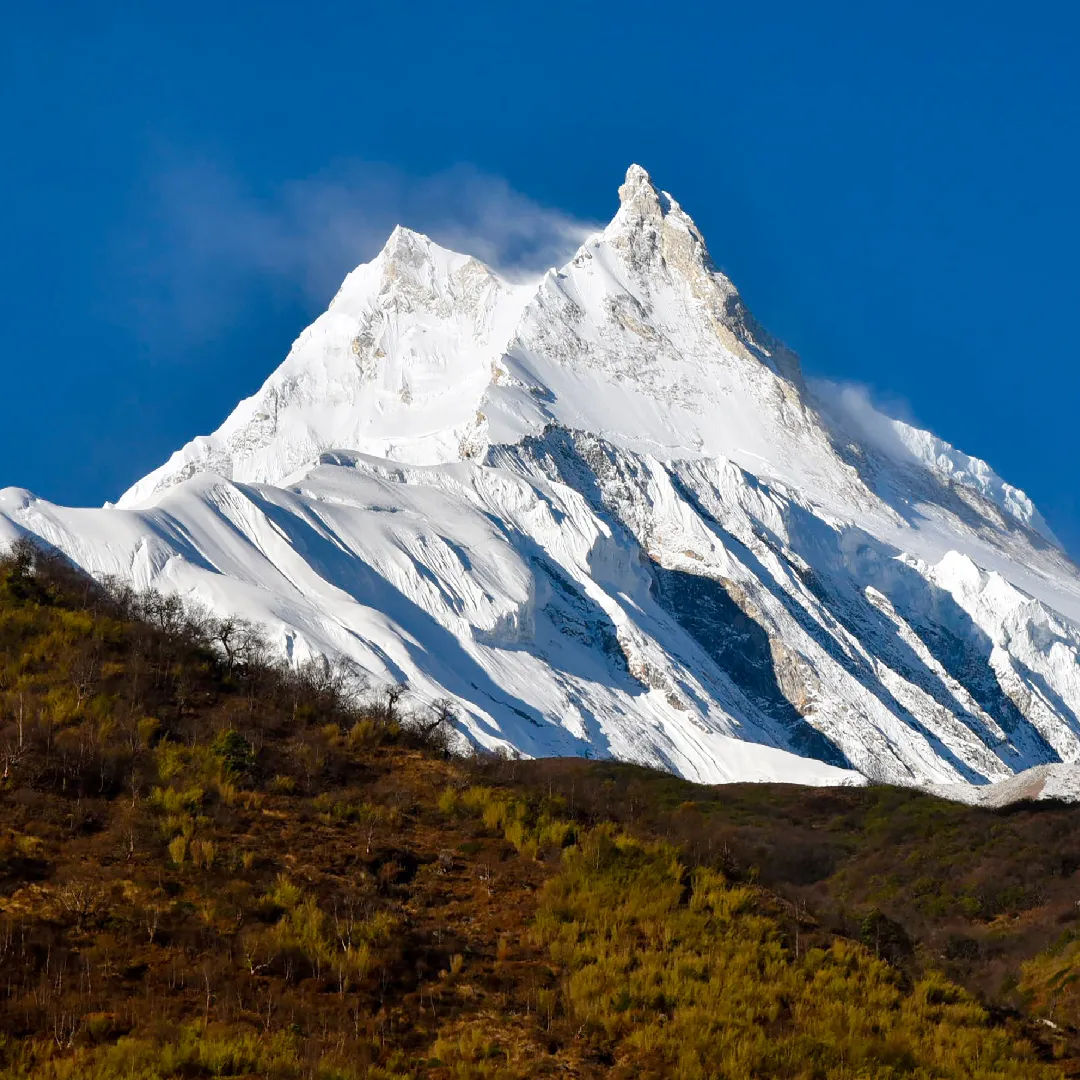
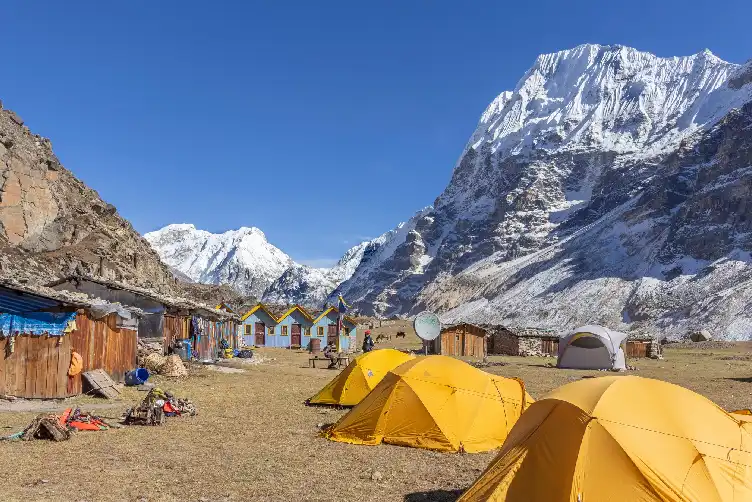
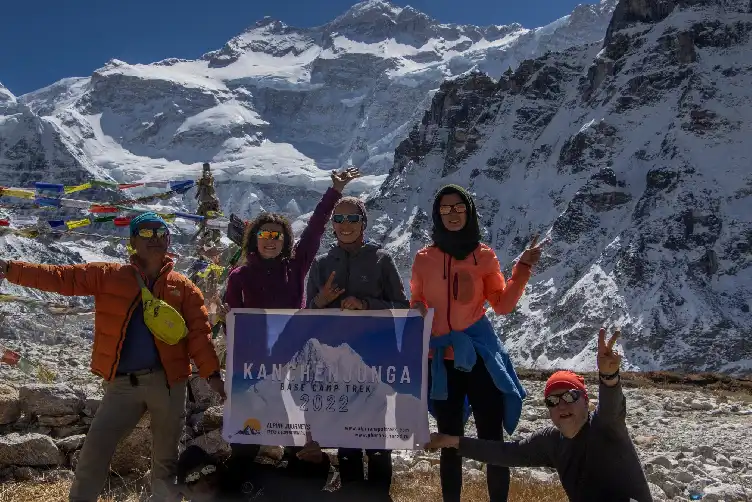
Kanchenjunga Base Camp trek is known as the hidden gem among the trekking trails of Nepal. Located in the Eastern part of Nepal and close to India border, Mt. Kangchenjunga is the second-highest mountain of Nepal and the third-highest mountain in the world, with an altitude of 8,586 meters above sea level.
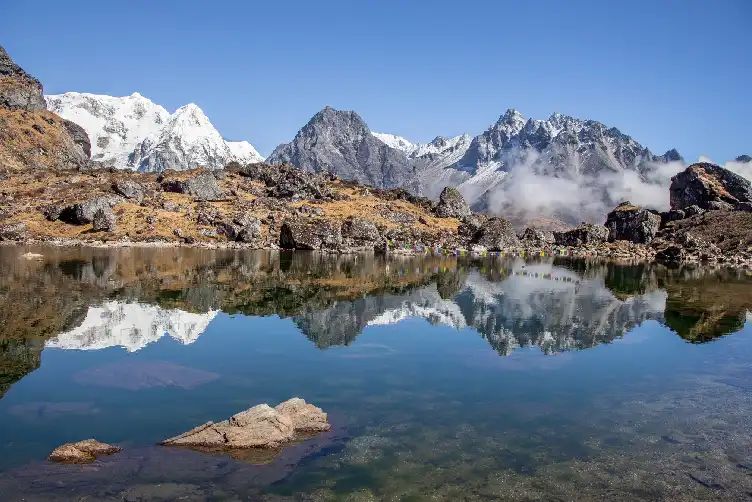
For this trek, we must reach all three geographical regions of Nepal, experiencing different religions, cultures, food, personalities, etc. Mt. Kanchenjunga has two different base camps, the North (Pangpema) and South (Oktang) Base Camps, to give a unique view of Kanchenjunga’s five Great Peaks and neighboring giants like Jannu (7,710 m) and Kabru (7,235 m).
This region is significantly rich in biodiversity, where we can get a glimpse of various sub-tropical jungles to high-altitude tundra with various different rare wild animals like the Snow leopard, the Himalayan Black Bear, the Musk deer, the red panda, and the blue sheep. There is also the Blue Sheep Habitat area on the way to Pangpema.
Due to its status as a restricted area, trekking in Kanchenjunga requires special permits and mandates to take a registered guide with a minimum of two trekkers. Thus, unlike other treks to Annapurna and Everest, the Kanchenjunga trail is remote and untouched by mass tourism, offering trekkers the true solitude and wildness experience.
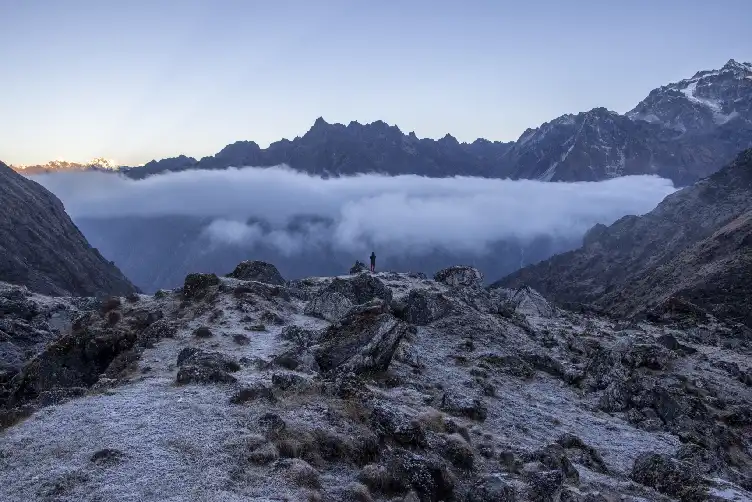
This is not just a trek, it’s the journey of Nepal’s most remote and untouched landscape. If you want to have a true Himalaya experience, breaking away from the crowded trail and exploring the hidden Gem, then Kanchenjunga is for you. It is an adventure that stays with you long after you’ve come down, giving imprints for a lifetime of the ‘Five Treasures of the Great Snow’.
Included MealsNot included
Included MealsBreakfast
Included MealsBreakfast, Lunch and Dinner
Included MealsBreakfast, Lunch and Dinner
Included MealsBreakfast, Lunch and Dinner
Included MealsBreakfast, Lunch and Dinner
Included MealsBreakfast, Lunch and Dinner
Included MealsBreakfast, Lunch and Dinner
Included MealsBreakfast, Lunch and Dinner
Included MealsBreakfast, Lunch and Dinner
Included MealsBreakfast, Lunch and Dinner
Included MealsBreakfast, Lunch and Dinner
Yes. Kanchenjunga is a restricted trekking area in far eastern Nepal. You need a Kanchenjunga Restricted Area Permit (RAP), which costs USD 20 per person per week for the first four weeks and USD 25 per person per week thereafter. You also need a Kanchenjunga Conservation Area Permit (KCAP) and a TIMS card. All permits must be arranged through a registered Nepal trekking agency before departure.
No. The Nepal government strictly requires all trekkers in the Kanchenjunga region to be accompanied by a government-licensed trekking guide and trek in a group of at least two people. Solo independent trekking is prohibited in this restricted conservation area. This regulation protects both trekkers and the region's fragile cultural and ecological heritage.
The trek reaches its highest point at Pangpema (North Base Camp) at 5,143m and/or Oktang (South Base Camp) at 4,730m, depending on the route. The optional Mirgin La Pass (4,663m) and Sele La Pass (4,290m) are also crossed on the classic circuit route connecting both base camps.
Yes, prior high-altitude experience is strongly recommended. Having completed demanding treks such as the Everest Base Camp Trek, Annapurna Circuit, or Manaslu Circuit beforehand is ideal preparation. First-time trekkers should not attempt Kanchenjunga Base Camp without prior experience at altitude and a solid fitness foundation.
The two best seasons are March–May (spring) and September–November (autumn). Spring brings rhododendron blooms and warming temperatures, while autumn offers the most stable skies and clearest views of Kanchenjunga (8,586m), the world's third highest mountain. Both seasons offer ideal trekking conditions with manageable temperatures and reliable trail access.
At Pangpema North Base Camp (5,143m), nighttime temperatures can drop to -15°C to -25°C even during the trekking seasons of spring and autumn. Daytime temperatures at base camp hover around 0°C to 8°C. Proper high-altitude cold-weather gear including a high-quality sleeping bag rated to -20°C is absolutely essential.
The trek typically starts from Taplejung, accessible by a short domestic flight from Kathmandu to Biratnagar, followed by a connecting flight to Suketar Airport in Taplejung. Alternatively, some trekkers reach Taplejung by jeep or bus from Biratnagar — a long but scenic overland journey. The trek ends back at Taplejung or occasionally exits via Sekathum or Ghunsa.
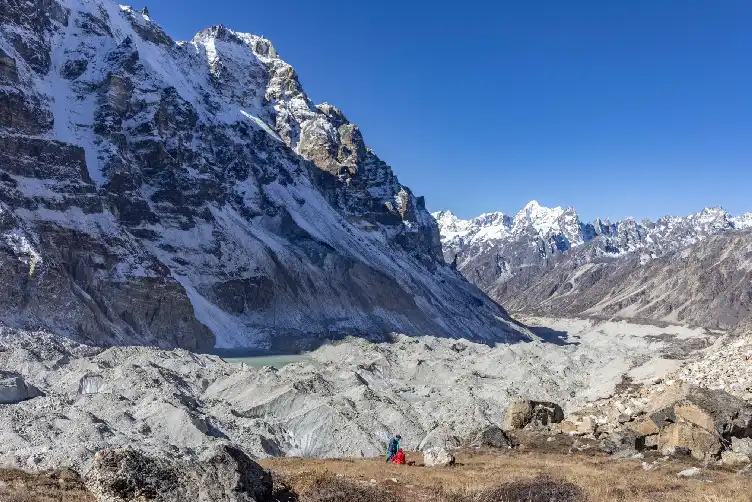
The Yalung Glacier approach to Oktang South Base Camp (4,730m) offers some of the most dramatic and raw Himalayan scenery on the entire trek. The glacier itself is vast and awe-inspiring, and the southwest face of Kanchenjunga looming above Oktang is considered by many mountaineers to be one of the most spectacular mountain views in the world. The sense of isolation and grandeur here is unparalleled.
While not legally mandatory, travel insurance is absolutely non-negotiable for Kanchenjunga. Your policy must cover high-altitude trekking above 5,200m, emergency helicopter evacuation, and full medical expenses. Helicopter rescues from the remote Kanchenjunga region are extremely expensive — potentially USD 5,000–USD 12,000 or more — and operators require confirmed insurance before dispatching aircraft.
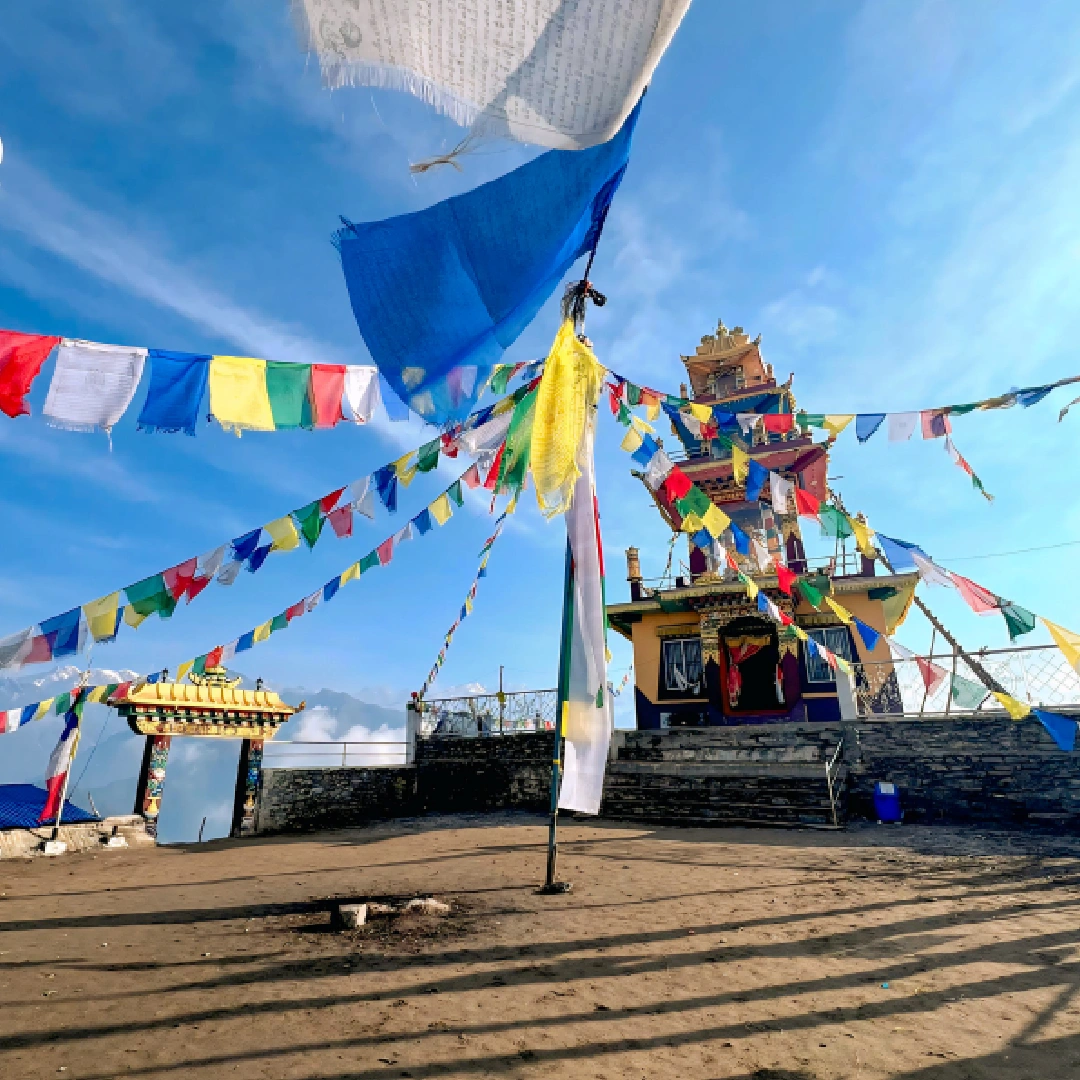
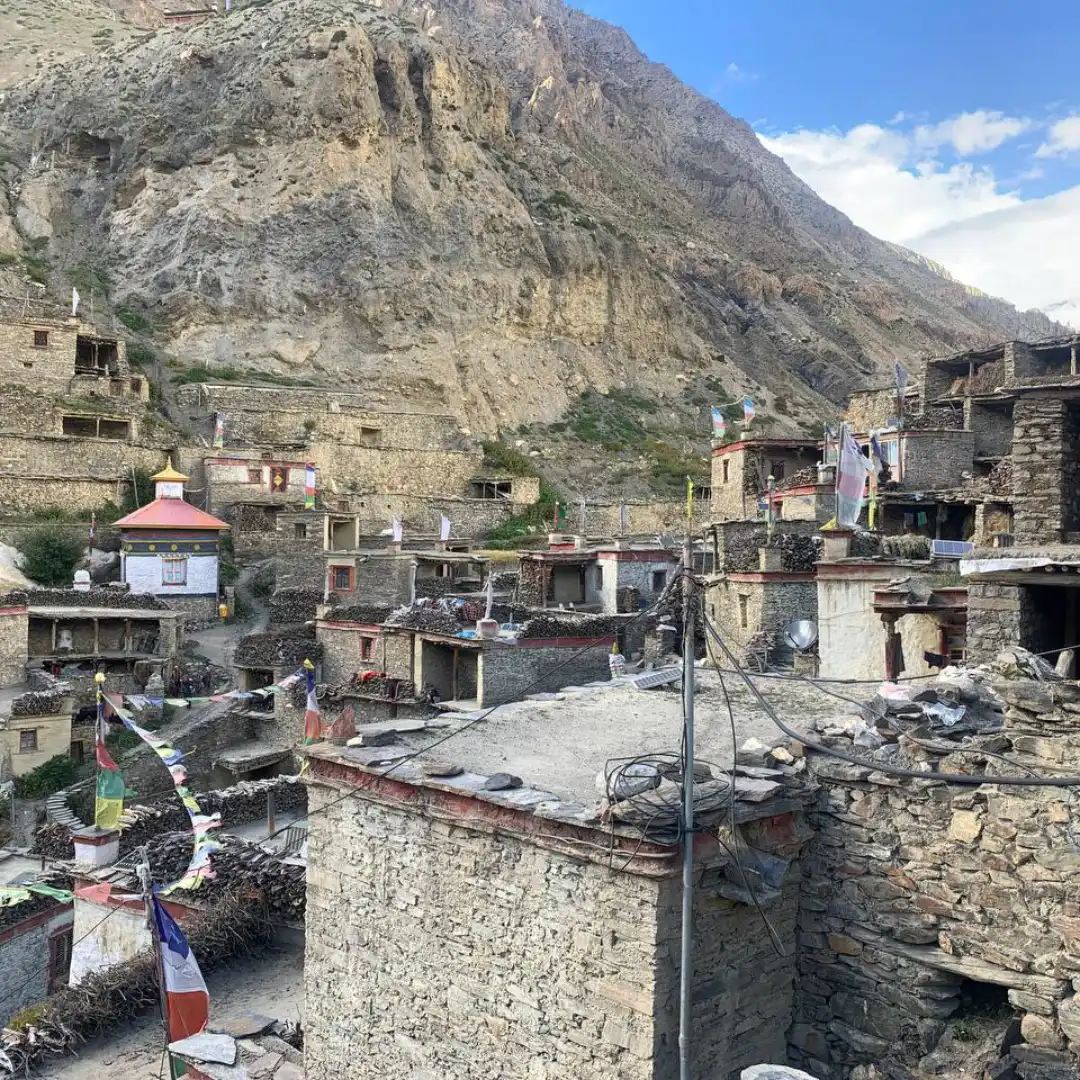
The Kanchenjunga region is home to a rich diversity of ethnic communities. In the lower valleys, you will pass through villages of the Limbu and Rai people, indigenous communities of eastern Nepal with their own distinct languages, traditions, and animist-influenced festivals. Higher up, the village of Ghunsa is predominantly Tibetan Buddhist, with its own monastery, prayer wheels, and traditional architecture. This cultural diversity is one of the trek's greatest rewards.
The Kanchenjunga Conservation Area is one of Nepal's most biodiverse protected regions. Trekkers may spot red pandas, snow leopards, Himalayan black bears, musk deer, Himalayan tahr, blue sheep (bharal), and common langur monkeys in the lower forests. The region is also exceptionally rich in birdlife, with over 300 bird species recorded including the blood pheasant, Himalayan monal (Nepal's national bird), and various eagles and vultures.
Trip Duration 17 Days starting from Kathmandu and ending at Kathmandu
Trip Grade Tough
Best Season March - May, September - November
Or
Far up and away in the remote west of Nepal, the Api Base Camp Trek un
The combination of the magical Nar Phu Valley and the classic high-alt
The Jiri to Everest Base Camp Trek follows the classic route taken by
Makalu Base Camp Trek is truly an unforgettable adventure, covering so
Manaslu Circuit Trek is one of the most beautiful trekking experiences
The Ama Yangri Trek is one of the popular short treks located in the H
The Langtang Valley Trek is an amazing journey into the heart of the L
Winding through the Langtang area near the Tibetan frontier, the Taman
The Everest Base Camp with Gokyo Lake trek is an extraordinary adventu
The Nar Phu Valley Trek is a hidden gem situated in the Annapurna regi
The Mardi Himal Trek is a perfect trek that offers a wonderful balance
While the classic Annapurna Circuit continues to be one of the world’s
Ghorepani Poon Hill Trekking is most popular who have limited time for
Gosaikunda is a holy pilgrimage site for Hindus and is believed to hav