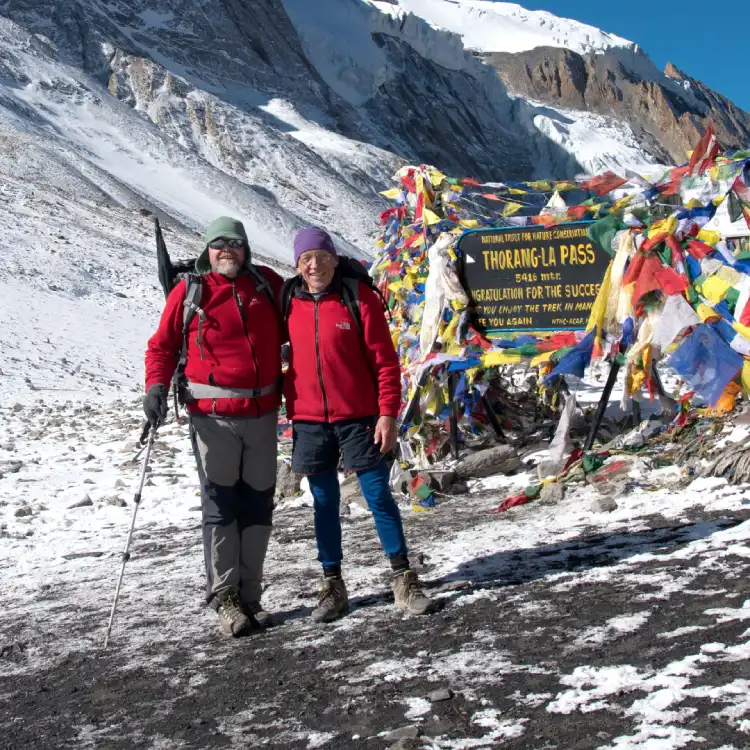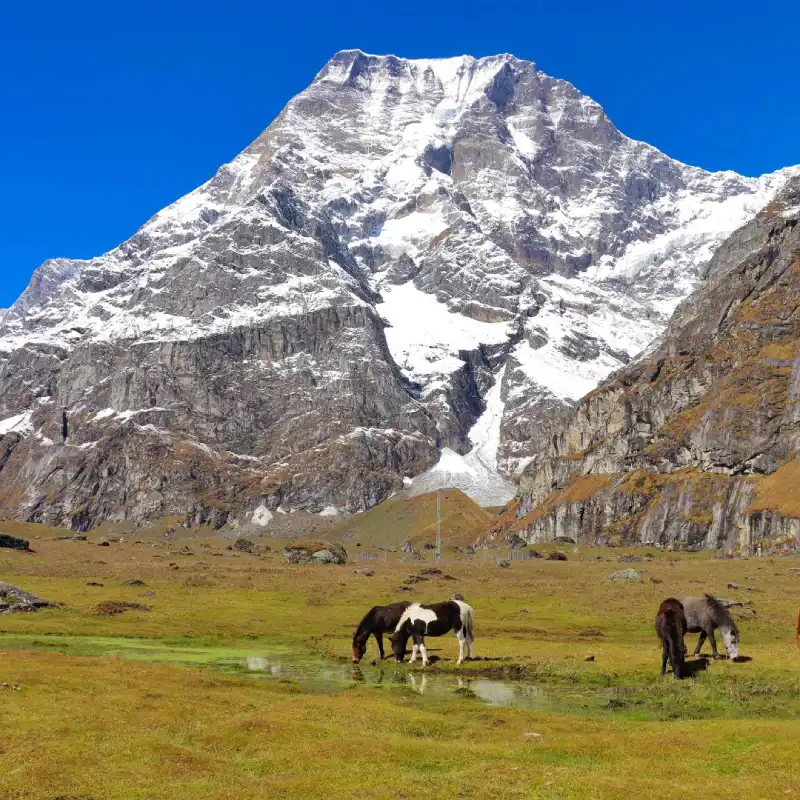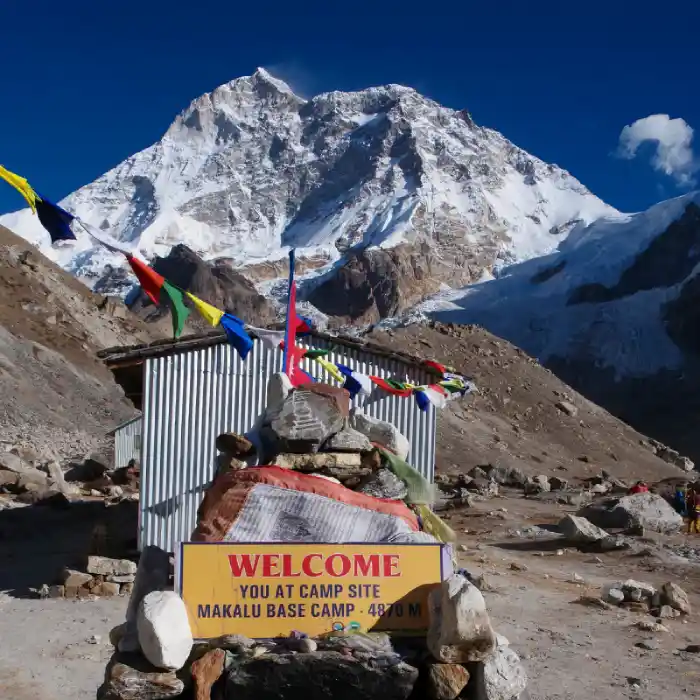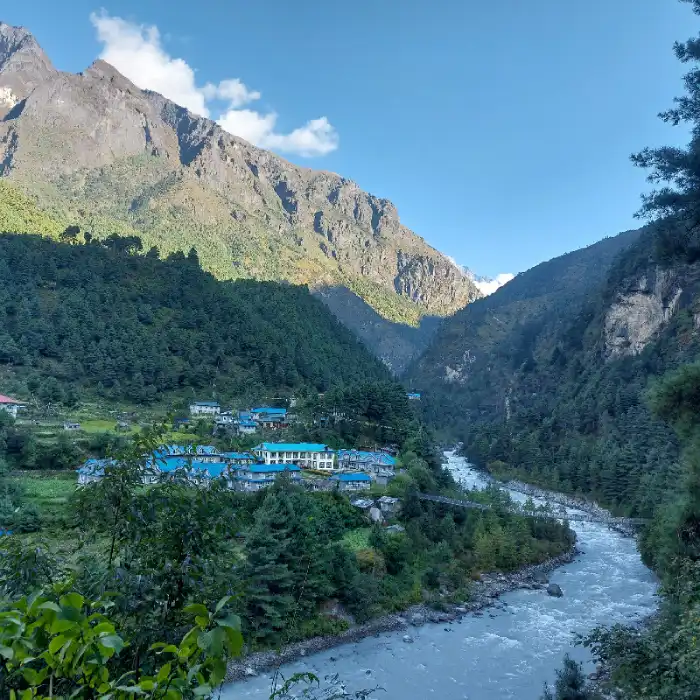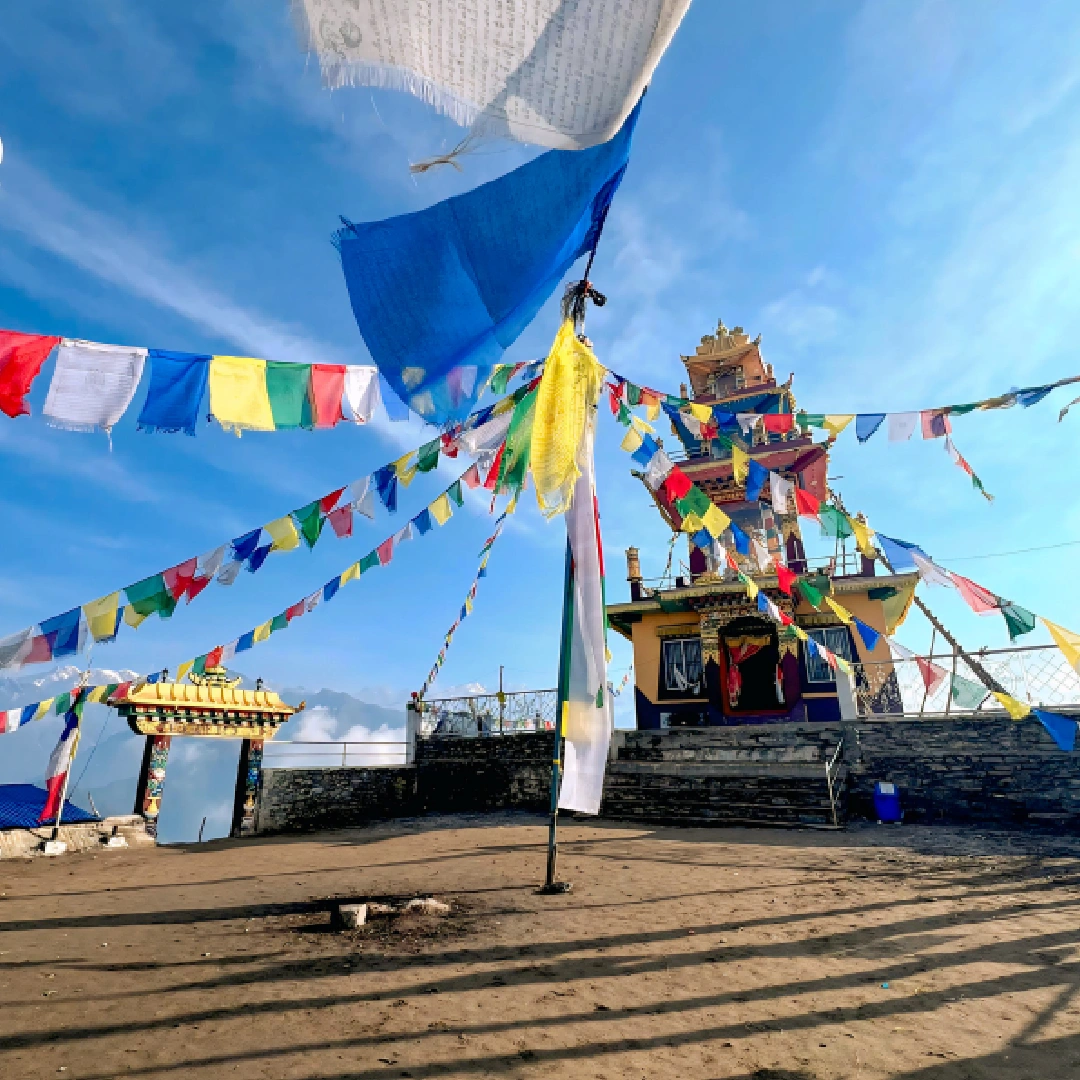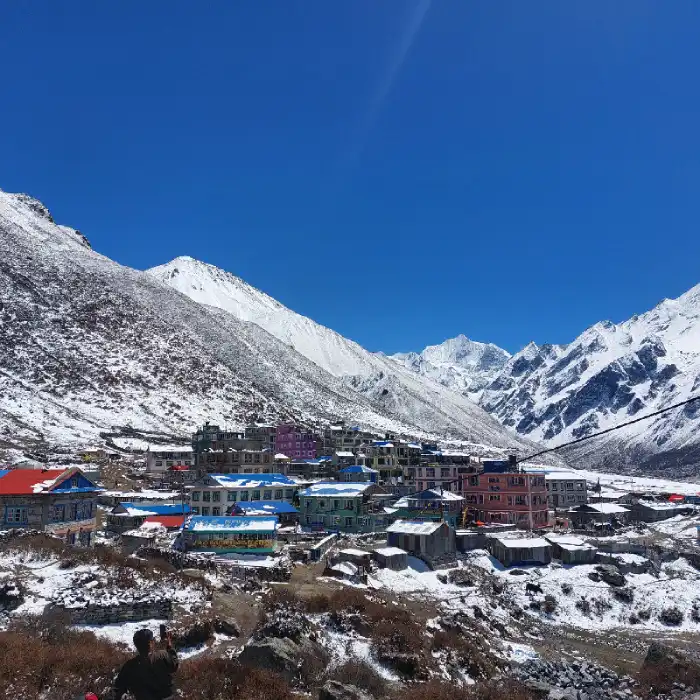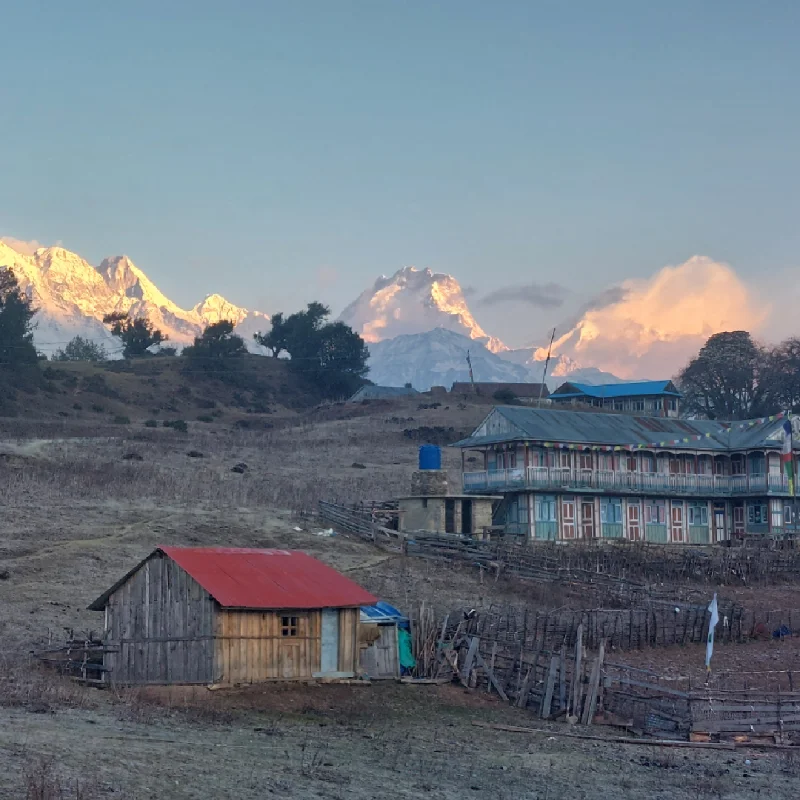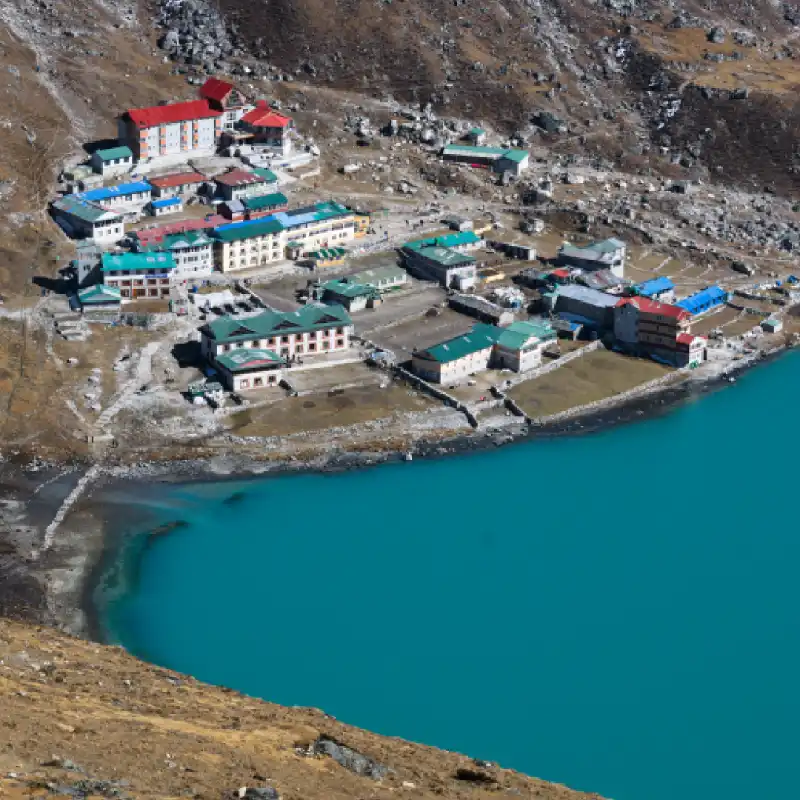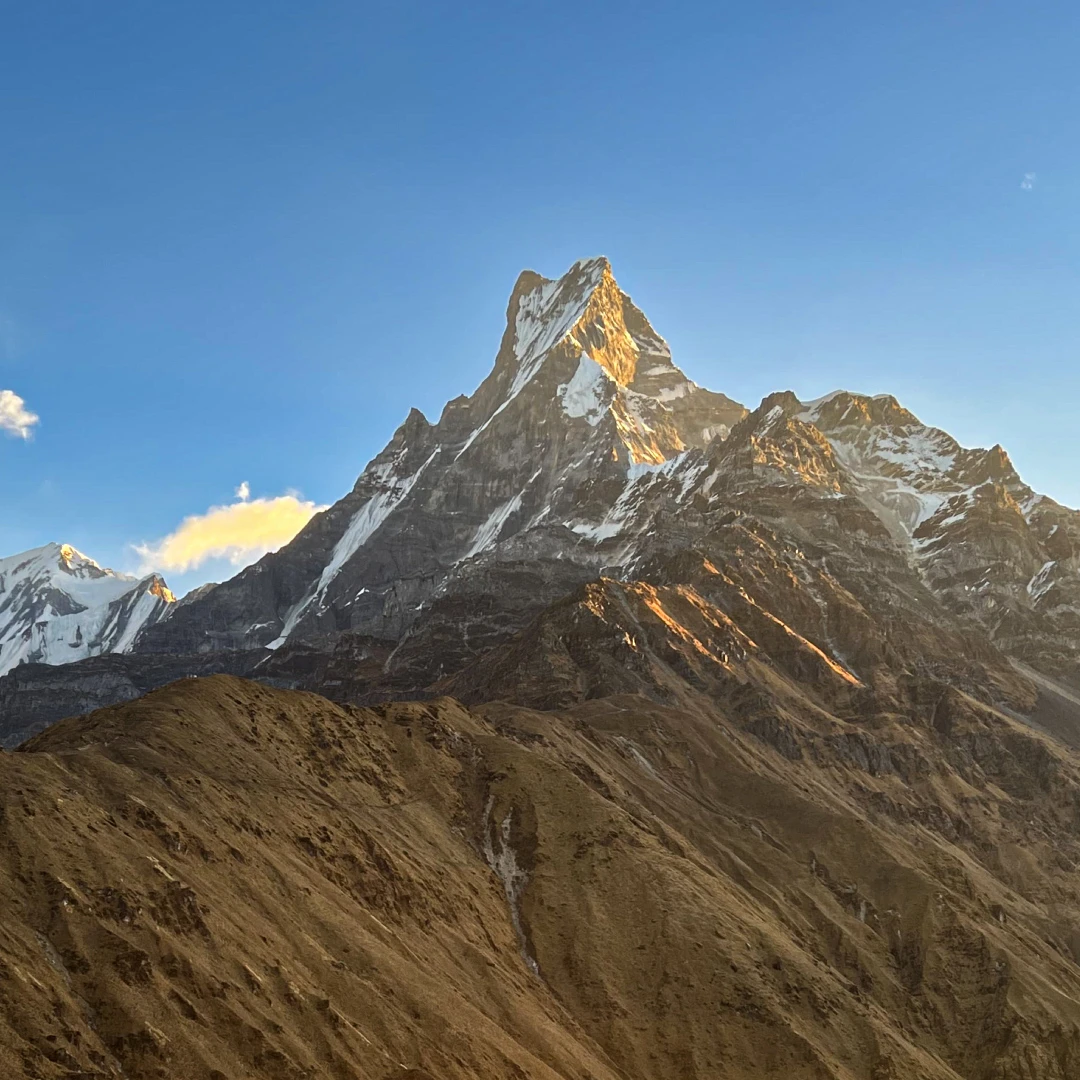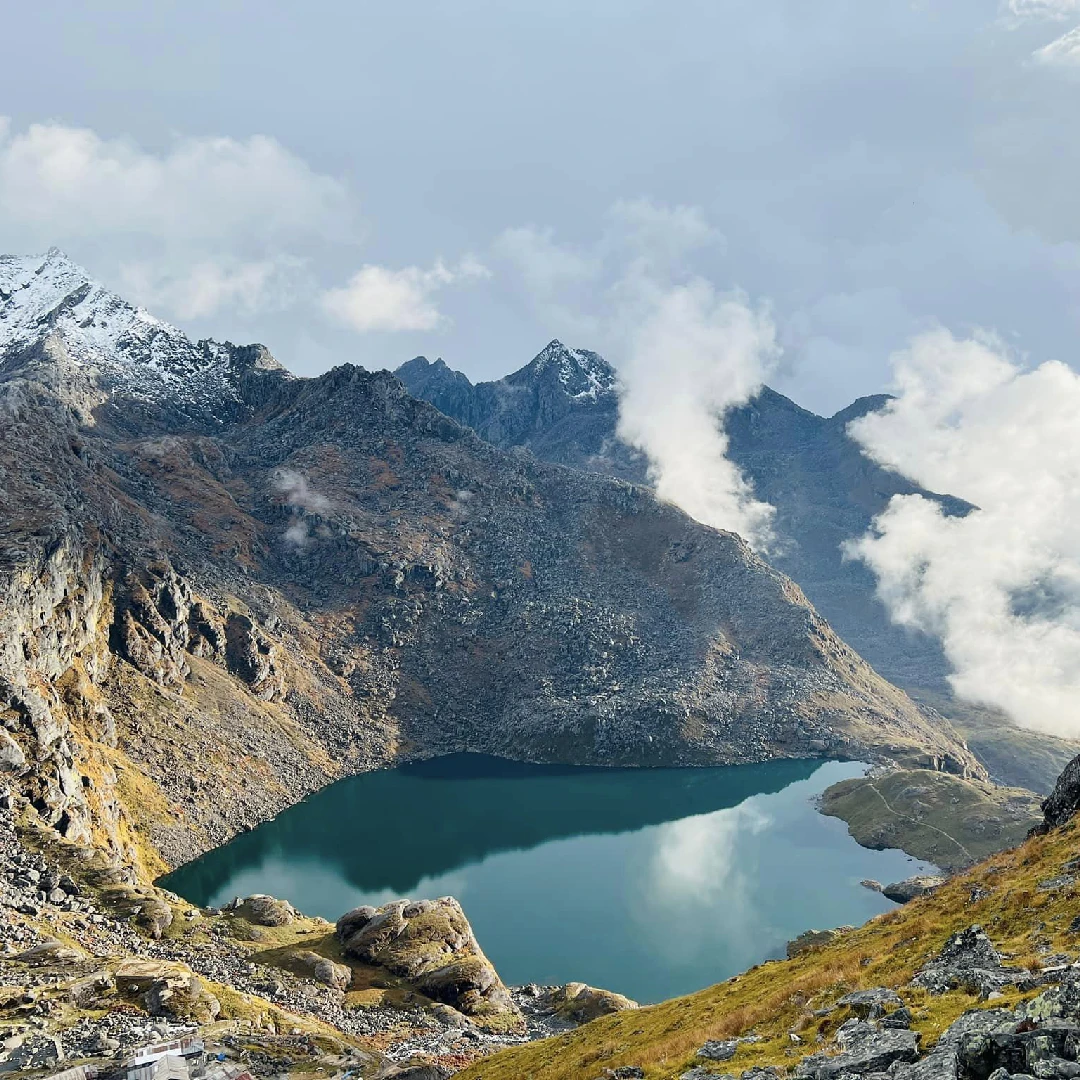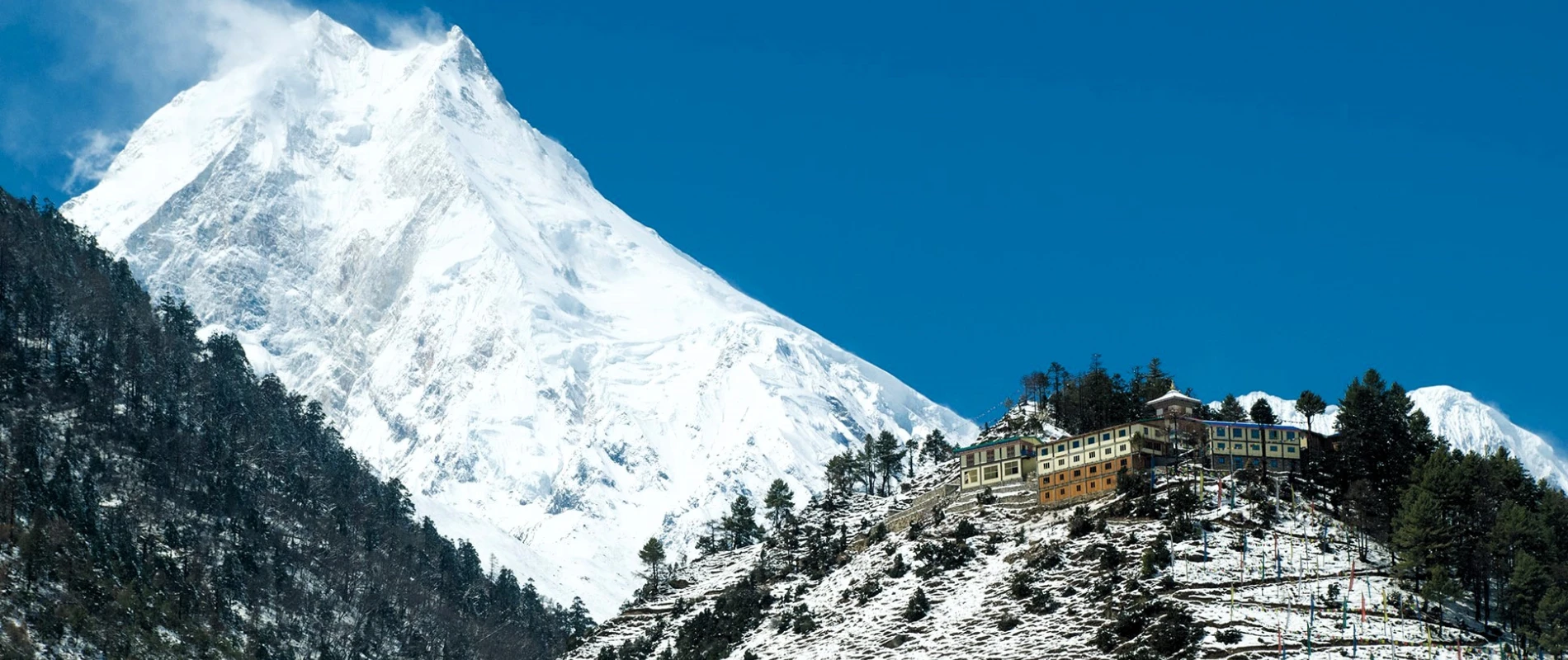
The Manaslu Circuit, where ancient villages and towering mountains tell stories of a timeless land.
Enquire NowTrip Duration 16 Days starting from Kathmandu and ending at Kathmandu
Trip Grade Challenging
Group Size 1-20 pax
Max Height 5106m.
Best Season March - May, September - November
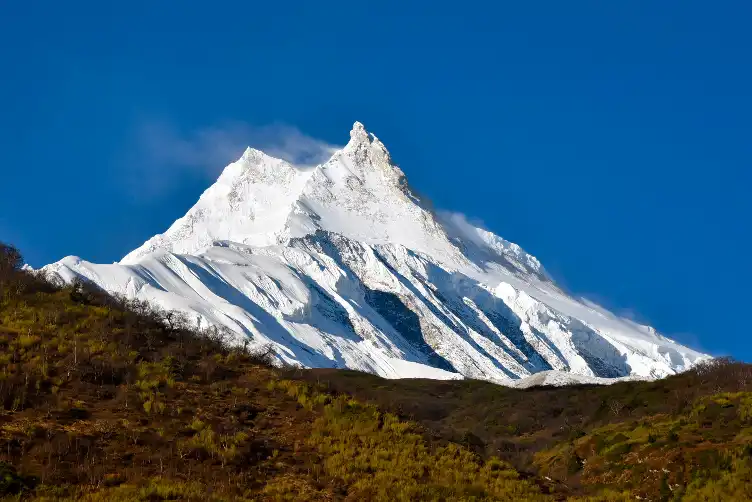
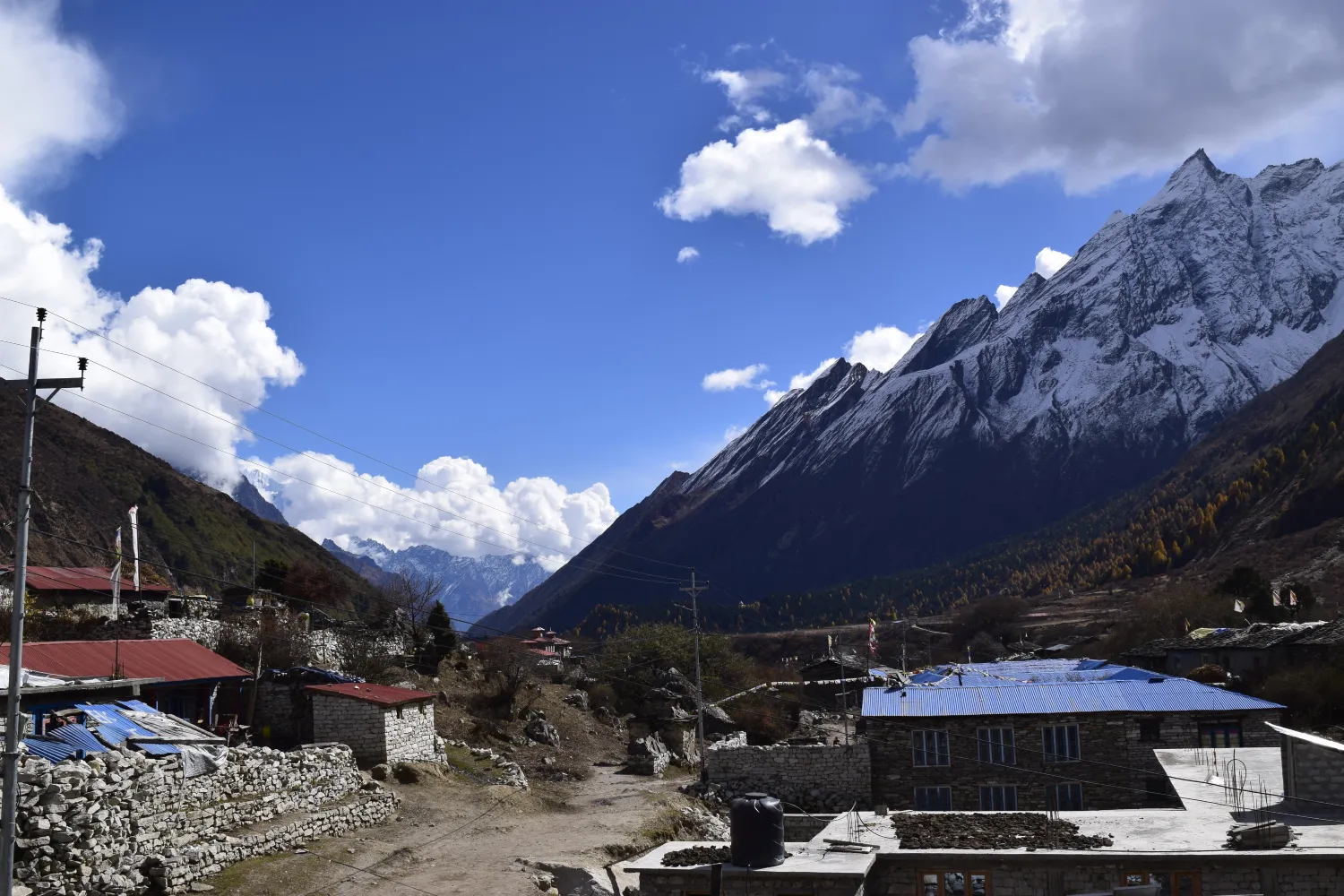
Manaslu Circuit Trek is one of the most beautiful trekking experiences, taking you through some of Nepal’s most picturesque and remote regions. The trek surrounds Mount Manaslu (8,163 m), the eighth-highest mountain in the world.
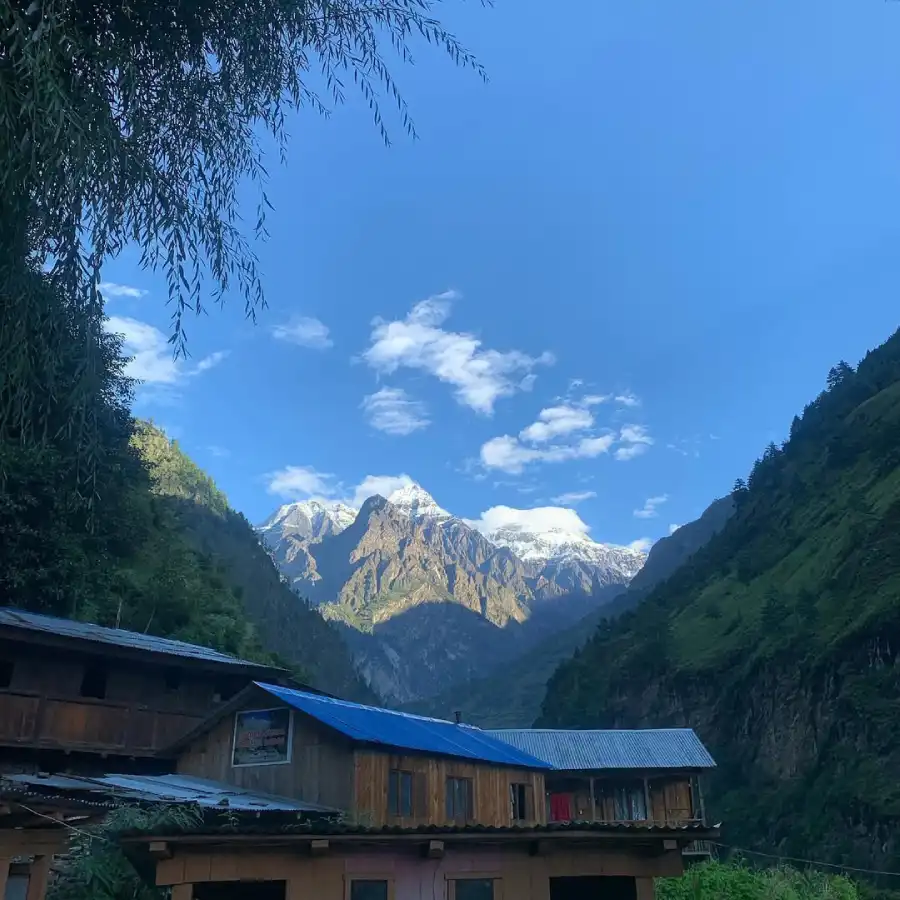
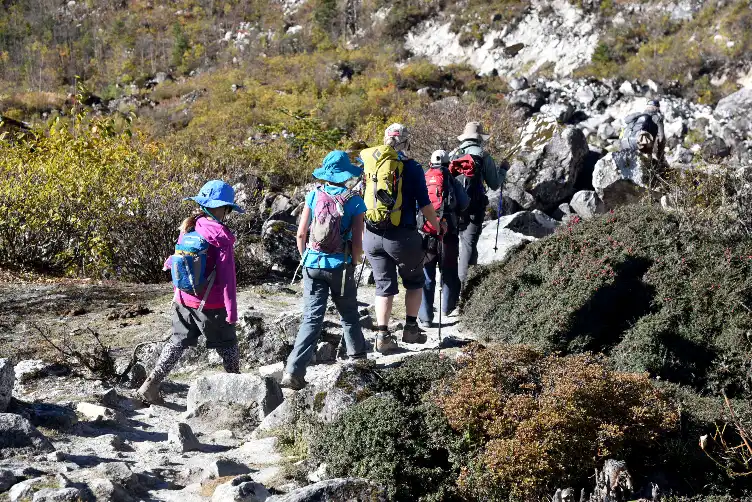
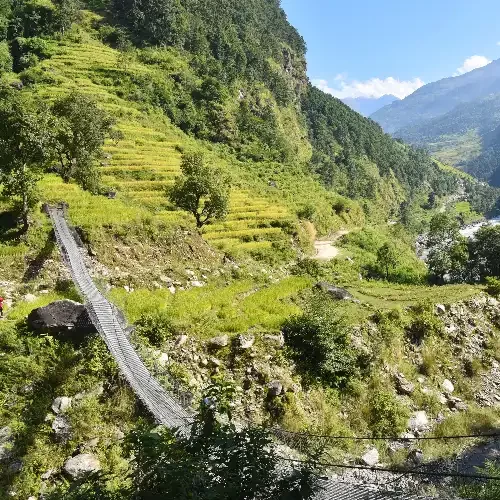
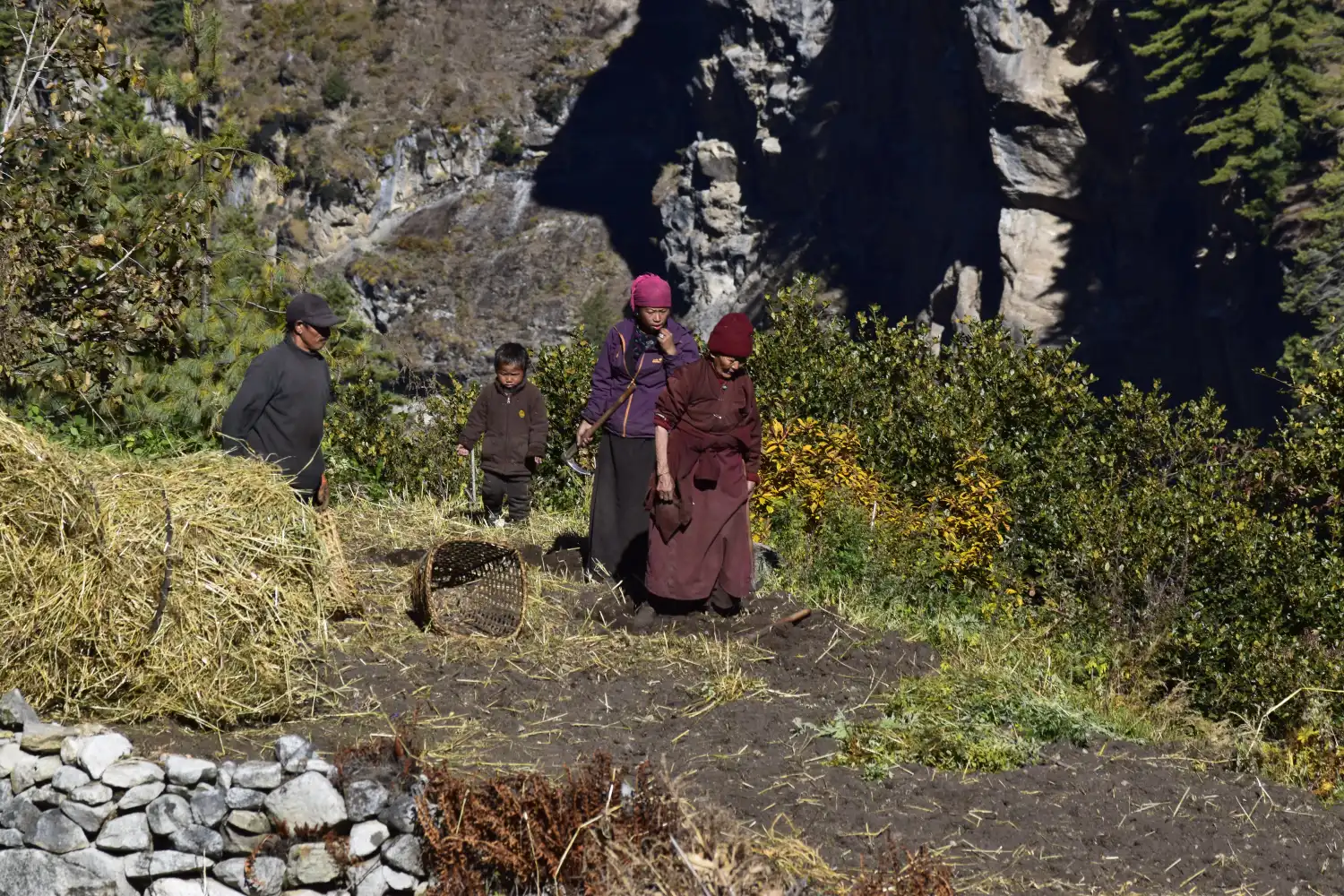
You’ll trek along the Budhi Gandaki River passing through villages like Machha Khola and Jagat, where you can interact with people and get introduced to their traditional way of life.
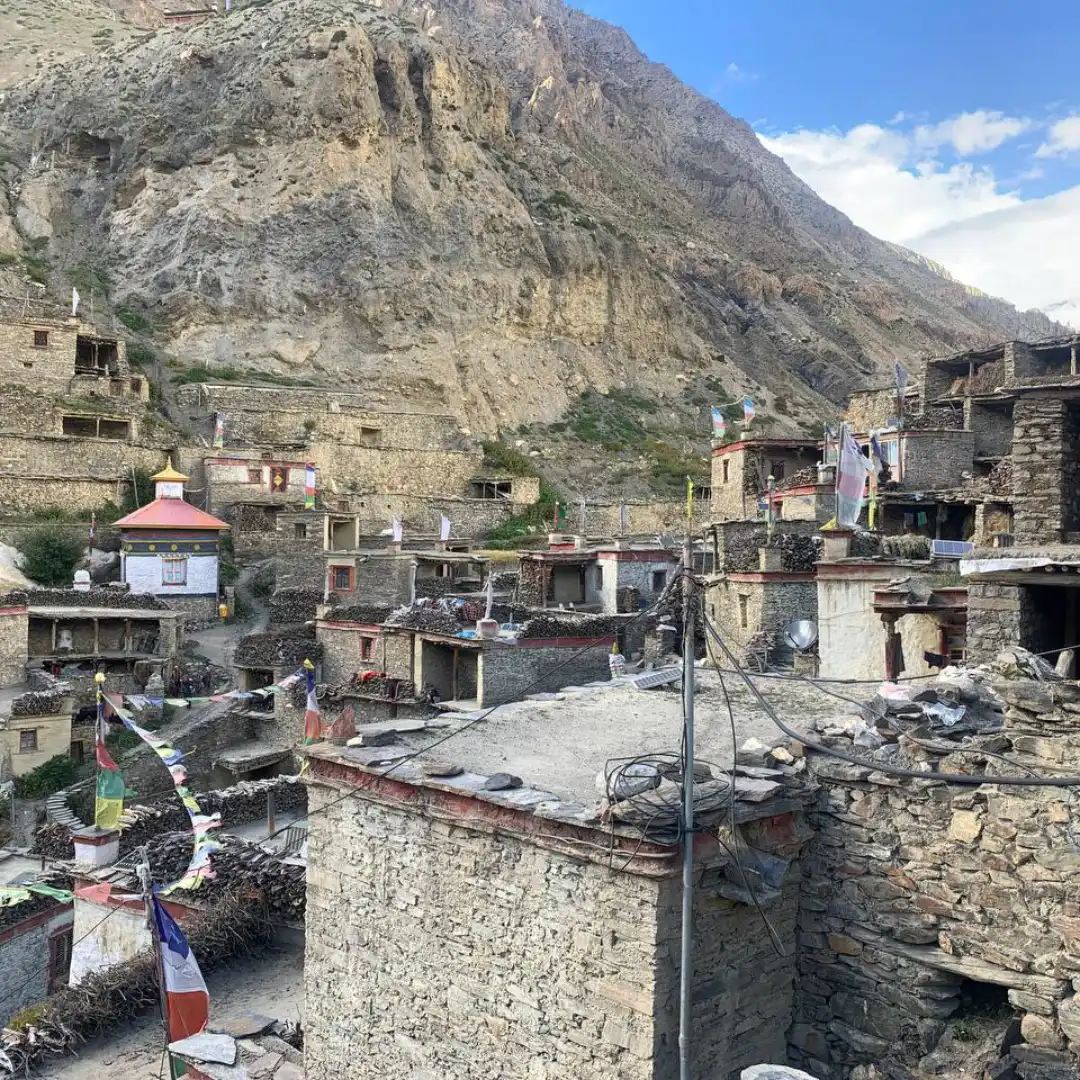
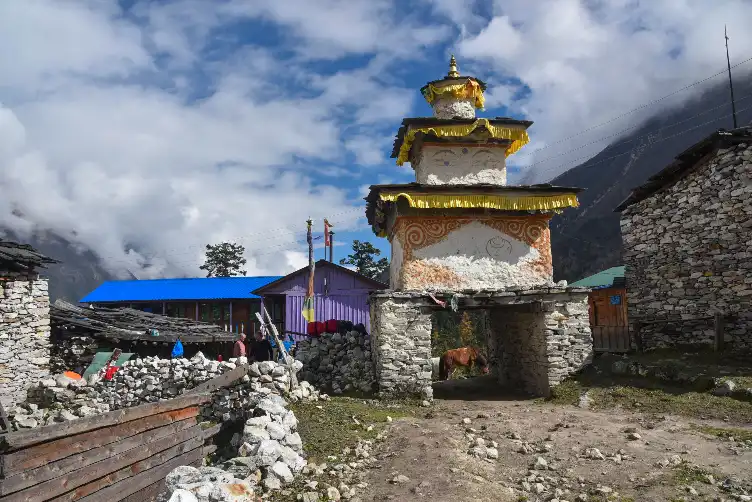
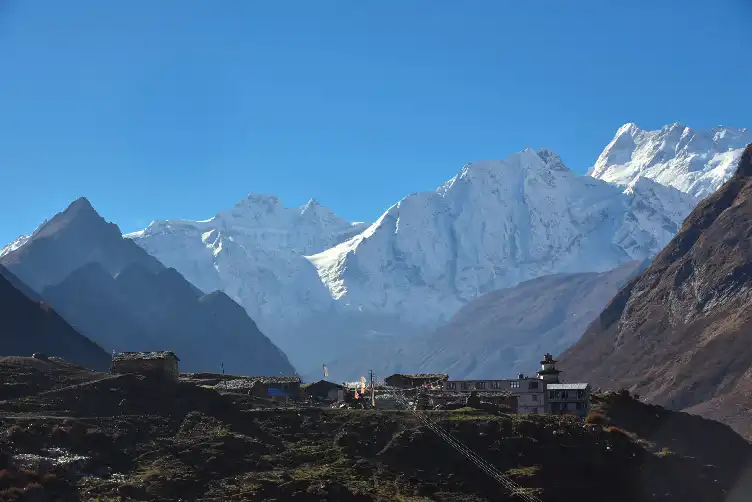
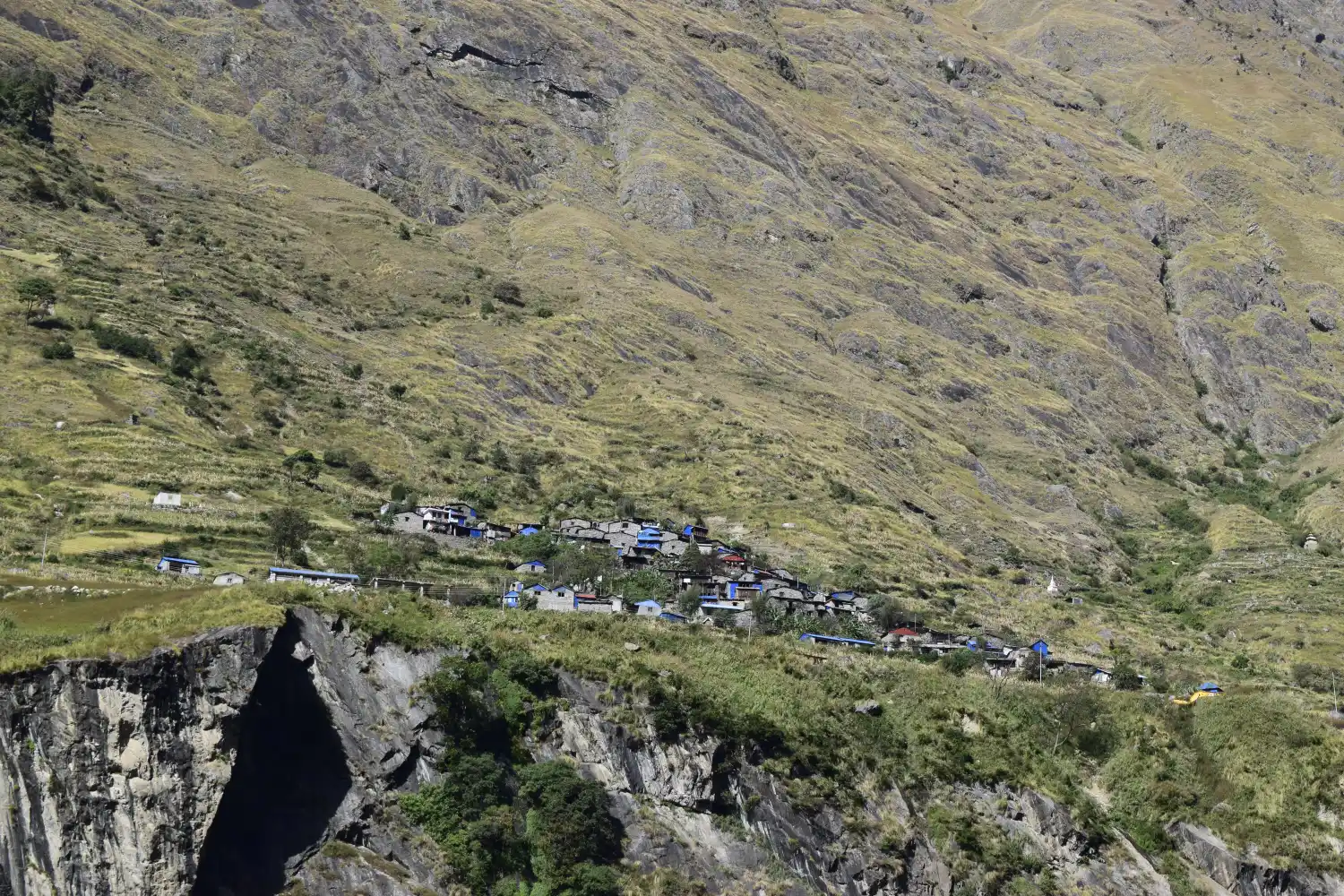
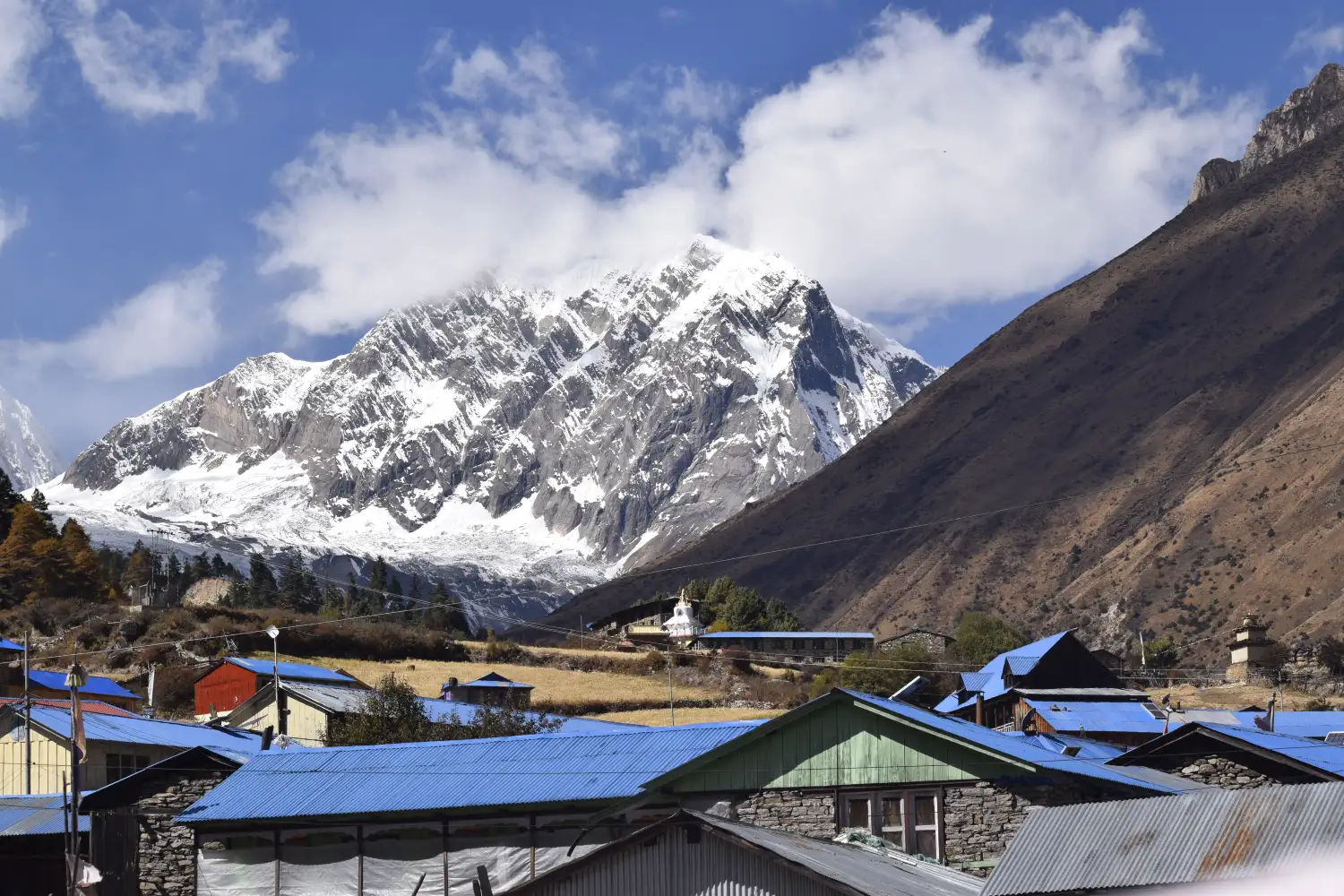
Ascending higher, we will pass through Namrung, a village famous for its stunning mani walls and traditional homes. The view of Mount Manaslu gets more breathtaking by the time you arrive at Lho, a beautiful village nestled among the high peaks of the himalayas.
From Lho, the trek heads to Sama Gaon, a hub for trekkers and a gateway to the higher elevations. The village is a perfect location for acclimatization. On this day, you can hike to Manaslu Base Camp and Birendra Taal, aka. Birendra Lake with panoramic views of the mountains.
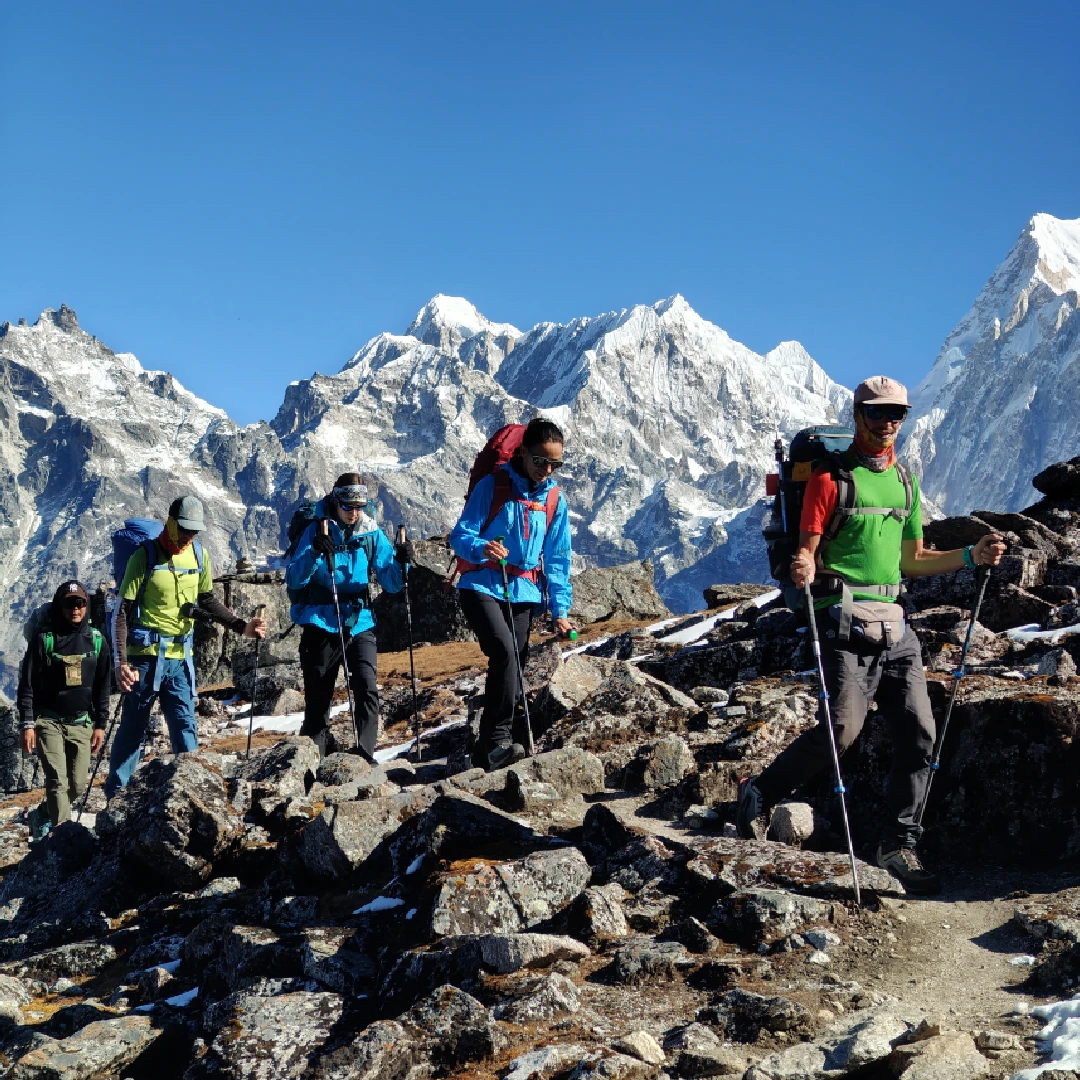
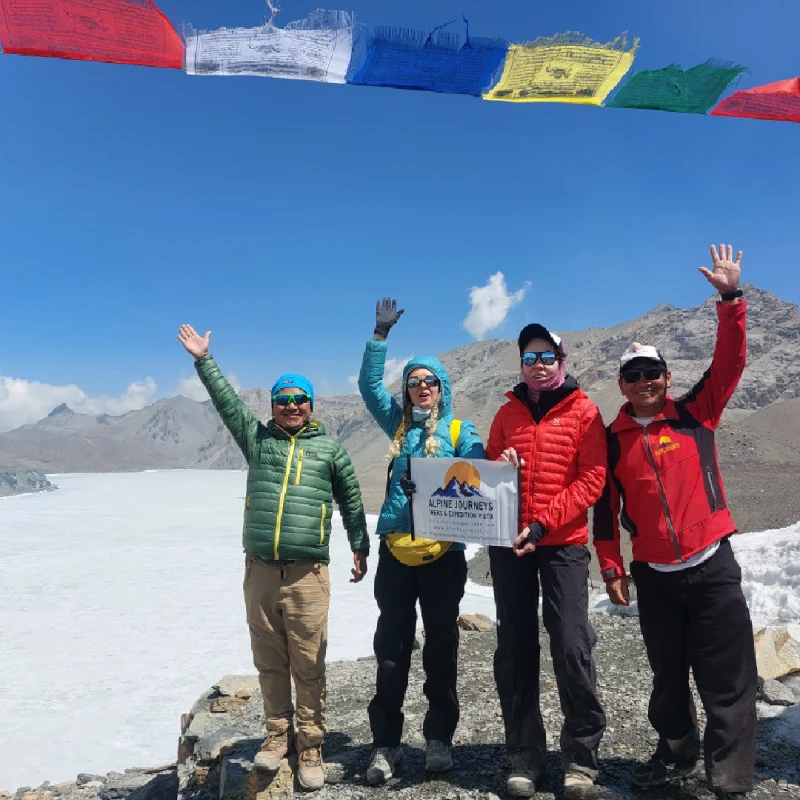
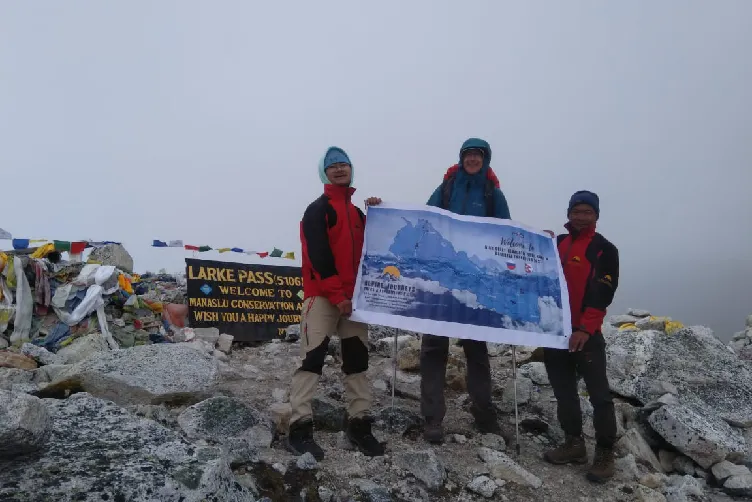
The ascent to Larke La Pass, which reaches a height of 5,106 meters, is the most challenging part of the trek. Though the climb is gradually steep and difficult, the breathtaking view from the top makes every step taken worth it.
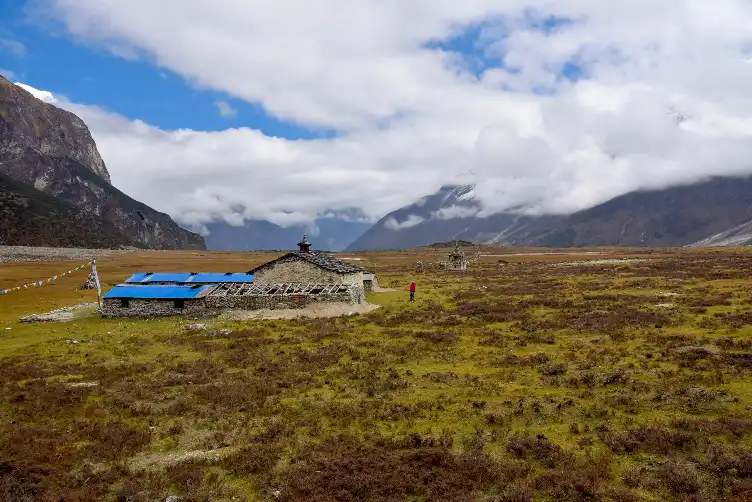
Upon crossing the Larke La Pass, the trail descends into the Marsyangdi Valley, crossing through the village of Bimthang, home of the Gurung community. This descent provides a shift in scenery, transitioning from a high-altitude, desert-like landscape to lush green valleys.
The trek concludes at Dharapani. Here, our private tourist vehicle will be ready to return you to Kathmandu, in a scenic 7-8 hour drive.
The best time to do the Manaslu Circuit Trek is as like every other trek in Nepal, which lies during the fall season (September to November) and spring season (March to May). The weather during these seasons is clear, with breathtaking views making it a memorable trekking experience.
Included Meals
Included MealsBreakfast
Included MealsBreakfast, Lunch and Dinner
Included MealsBreakfast, Lunch and Dinner
Included MealsBreakfast, Lunch and Dinner
Included MealsBreakfast, Lunch and Dinner
Included MealsBreakfast, Lunch and Dinner
Included MealsBreakfast, Lunch and Dinner
Included MealsBreakfast, Lunch and Dinner
Included MealsBreakfast, Lunch and Dinner
Included MealsBreakfast, Lunch and Dinner
Included MealsBreakfast, Lunch and Dinner
Included MealsBreakfast, Lunch and Dinner
Included MealsBreakfast, Lunch and Dinner
Included MealsBreakfast and Farewell Dinner
Included MealsBreakfast
Yes, the Manaslu Circuit Trek requires several permits, including the Manaslu Restricted Area Permit, Manaslu Conservation Area Permit (MCAP), and Annapurna Conservation Area Permit (ACAP). In addition, hiring a licensed guide is mandatory as the trek lies in a restricted area of Nepal. These regulations ensure safety, proper management of the region, and a more organized trekking experience.
Wi-Fi is available in some areas along the Manaslu Circuit Trek, but it is generally limited and unreliable, especially in remote sections of the trail. Most teahouses do offer charging facilities for electronic devices, usually for a small fee. However, it’s recommended to carry a power bank or spare batteries as a backup due to inconsistent electricity at higher altitudes.
Wildlife includes Himalayan tahr, snow leopards (rare), and various bird species.
The Manaslu Circuit Trek offers a rich cultural experience influenced by Tibetan Buddhism. Along the trail, you will encounter traditional mountain villages, ancient monasteries, mani walls, and prayer flags that reflect the local heritage. Several monasteries and Buddhist prayer sites are located throughout the route, providing insight into the spiritual lifestyle and traditions of the Himalayan communities.
Yes, travel insurance is highly recommended for the Manaslu Circuit Trek due to its remote location and high-altitude terrain. Your insurance should specifically cover high-altitude trekking, as well as emergency medical treatment and helicopter evacuation if needed. Since medical facilities are limited along the route, having proper insurance ensures you are financially protected in case of altitude sickness, injuries, or unforeseen emergencies during the trek.
Trip Duration 16 Days starting from Kathmandu and ending at Kathmandu
Trip Grade Challenging
Best Season March - May, September - November
Or
The combination of the magical Nar Phu Valley and the classic high-alt
Far up and away in the remote west of Nepal, the Api Base Camp Trek un
Makalu Base Camp Trek is truly an unforgettable adventure, covering so
The Jiri to Everest Base Camp Trek follows the classic route taken by
The Ama Yangri Trek is one of the popular short treks located in the H
The Langtang Valley Trek is an amazing journey into the heart of the L
Winding through the Langtang area near the Tibetan frontier, the Taman
The Everest Base Camp with Gokyo Lake trek is an extraordinary adventu
Kanchenjunga Base Camp trek is known as the hidden gem among the trekk
The Nar Phu Valley Trek is a hidden gem situated in the Annapurna regi
While the classic Annapurna Circuit continues to be one of the world’s
The Mardi Himal Trek is a perfect trek that offers a wonderful balance
Gosaikunda is a holy pilgrimage site for Hindus and is believed to hav
Ghorepani Poon Hill Trekking is most popular who have limited time for