Beyond Everest Base Camp: Summit the Majestic Lobuche Peak and enjoy the thrill of technical climbing in the heart of the Everest region.
Enquire NowTrip Duration 20 Days starting from Kathmandu and ending at Kathmandu
Trip Grade Tough
Group Size 1-20 pax
Max Height 6119m.
Best Season March - May, September - November
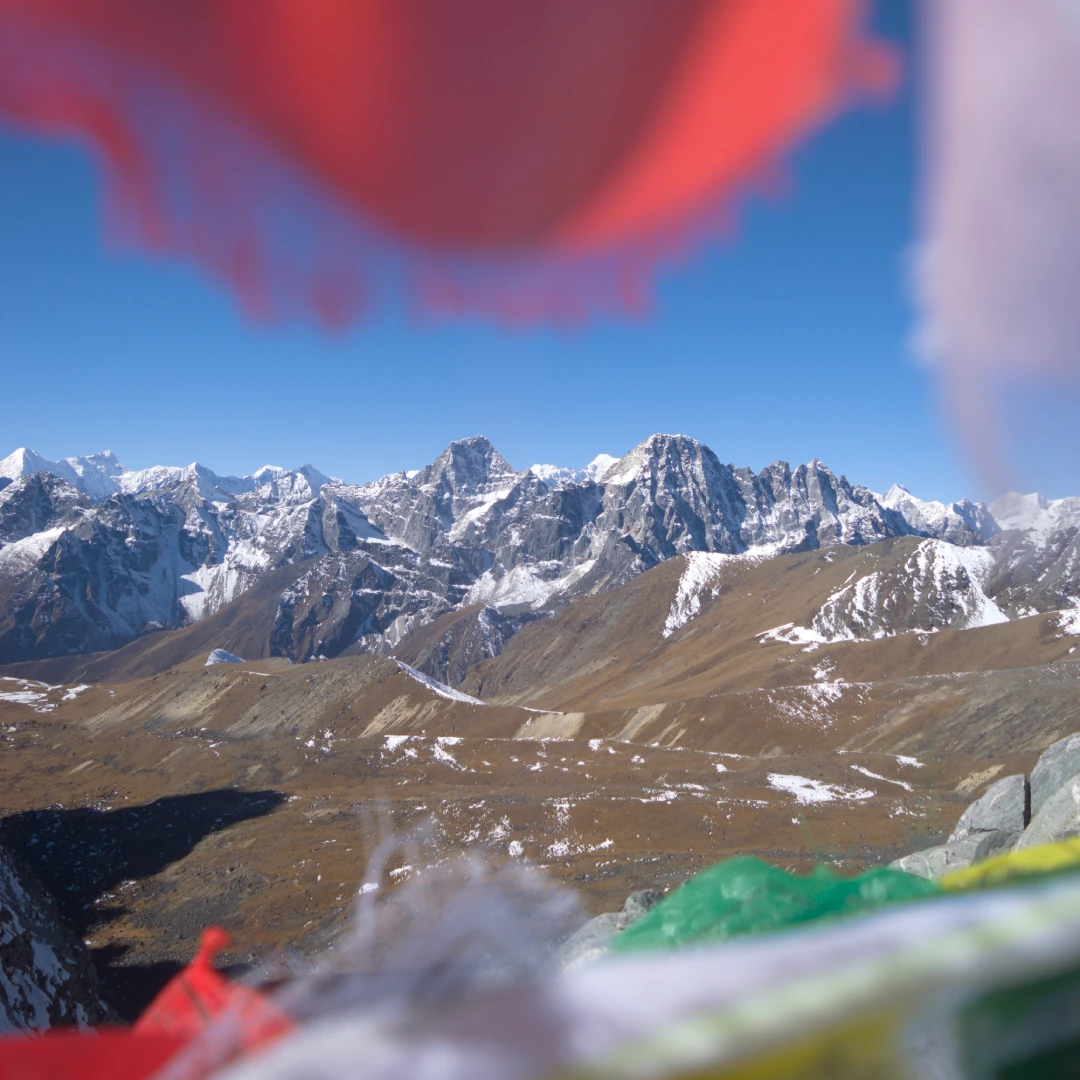
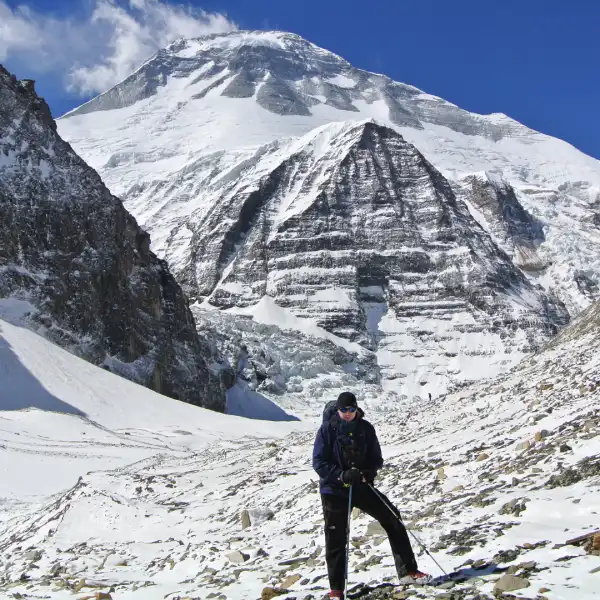
Lobuche East peak is one of the popular and challenging trekking peak located in Everest region of Nepal. Split between the two distinct summits, Lobuche East (6,119 m) and Lobuche West (6,145 m), it’s the East Peak that is more popular among the trekkers. Lobuche East Peak, at an elevation of 6,119 meters (20,075 feet), is popular for its technical climbing sections and breathtaking views of the Himalayas.
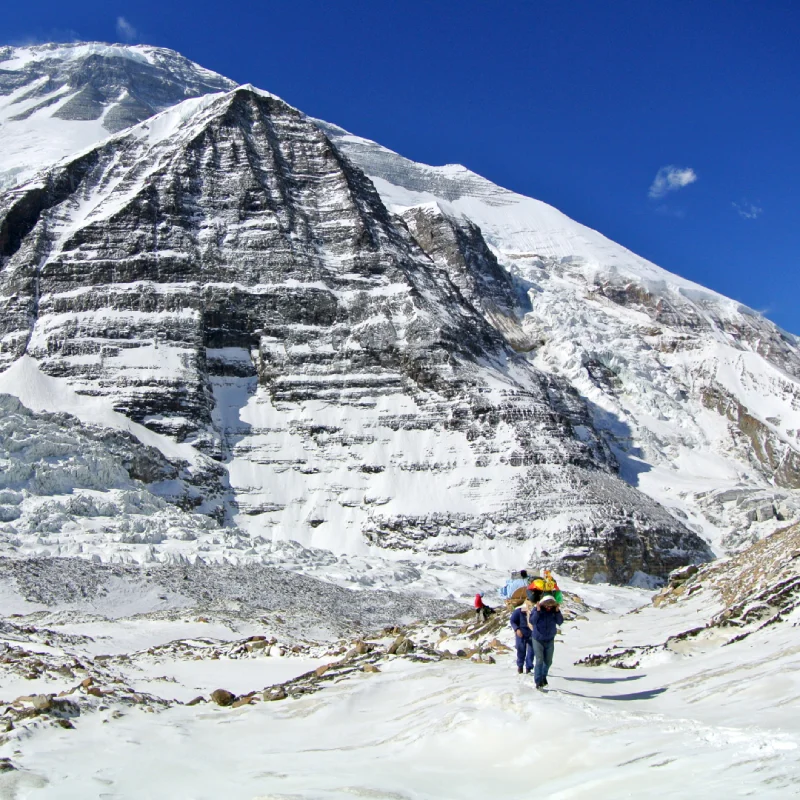
The trek starts from Lukla, passing through the Sagarmatha National Park, and continues through the colorful landscapes of Namche Bazaar, the capital of the Sherpas. We continue on the trail to Kala Patthar, a famous viewpoint with a breathtaking 360-degree panorama of mountains including Everest, Lhotse, Nuptse, Pumori, and many more. As the name suggests, Kala Patthar is a “black rock” among the eternal whiteness. From Everest Base Camp, we trek down to Lobuche and head toward the Lobuche Base Camp. After summiting Lobuche East, we retrace our steps to Lukla again for a return flight to Kathmandu.
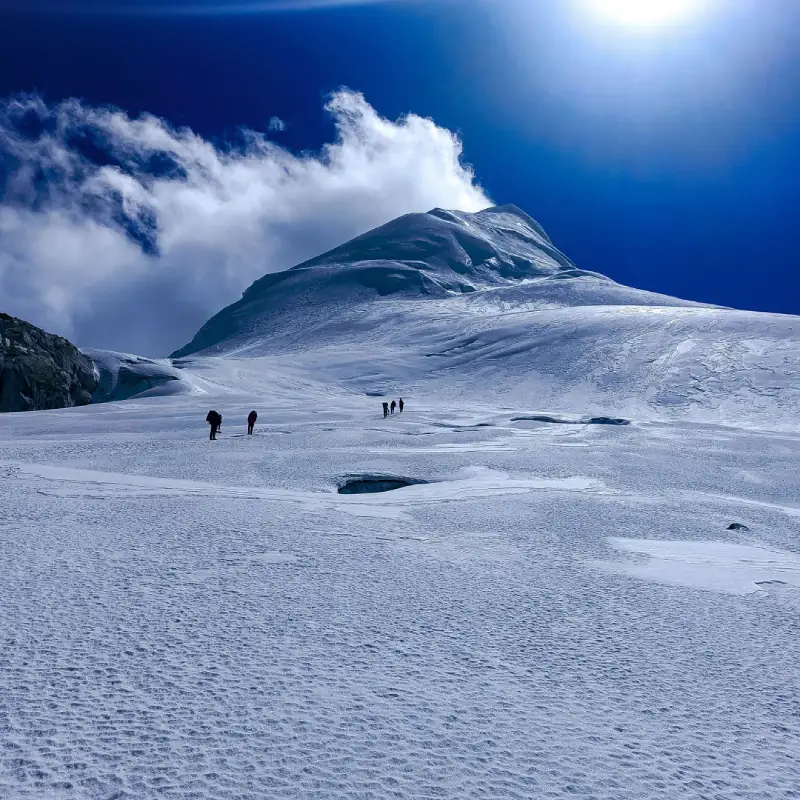
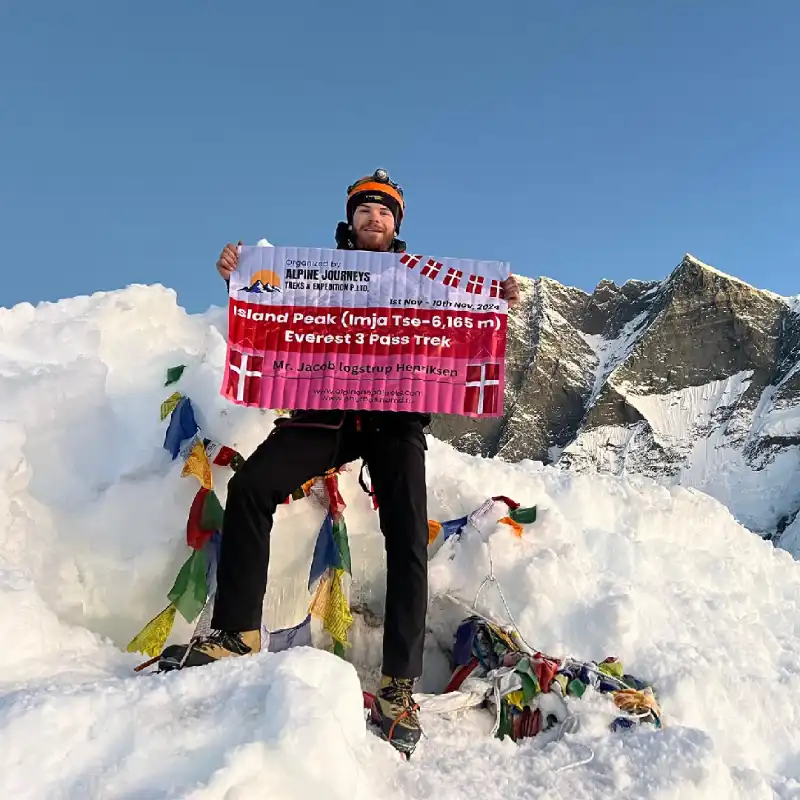
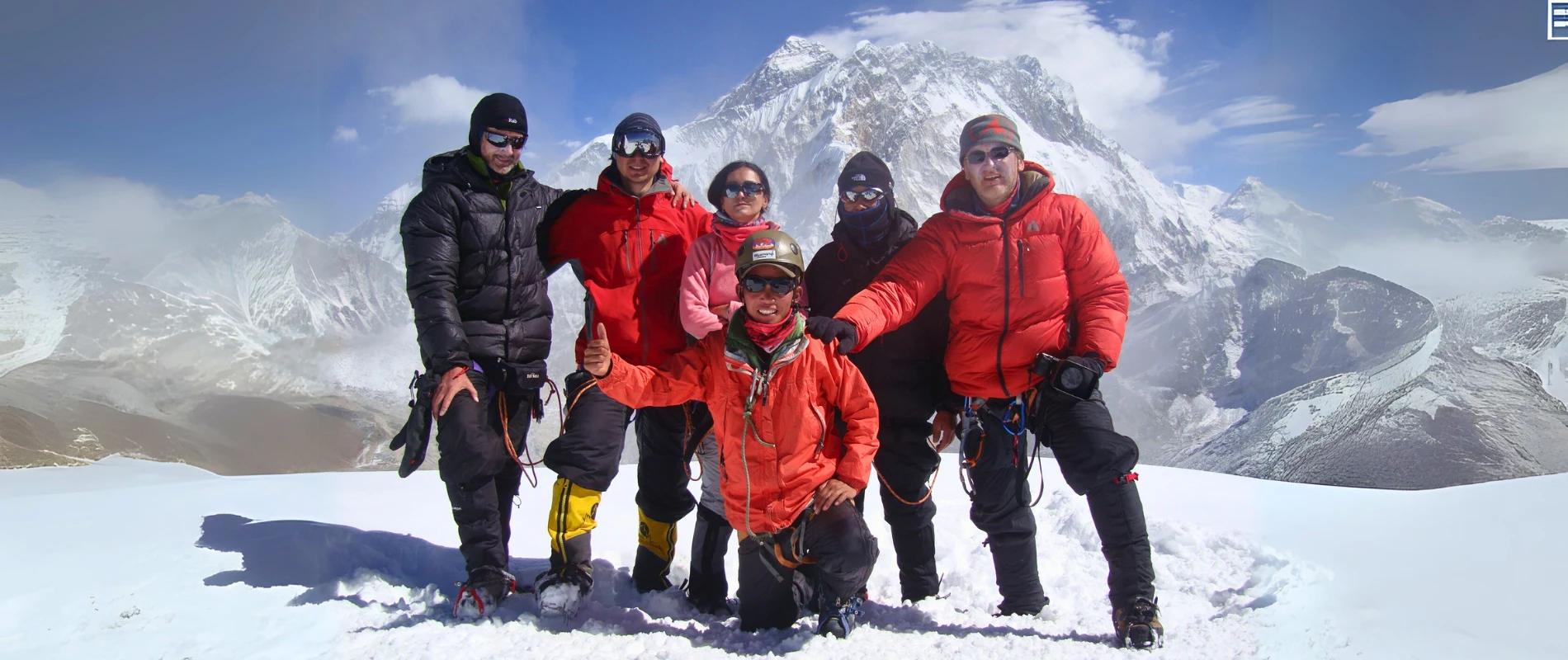
The ascent to the summit of Lobuche East Peak is technically challenging, with steep rock and ice sections. The climb includes massive sections of rock climbing, steep snow slopes needing fixed ropes, and exposed ridges that require both technical skills and a focused mindset. These factors make Lobuche far more difficult than Island Peak or Mera Peak. Climbers are rewarded at the top with panoramic views of the neighboring peaks, including Mount Everest and Ama Dablam.
For trekkers with previous mountaineering experience planning to challenge themselves on tougher terrain, Lobuche East Peak offers a real alpine climbing experience while being accessible as part of an Everest region trek.
Included MealsNot Included
Included MealsBreakfast
Included MealsBreakfast, Lunch and Dinner
Included MealsBreakfast, Lunch and Dinner
Included MealsBreakfast, Lunch and Dinner
Included MealsBreakfast, Lunch and Dinner
Included MealsBreakfast, Lunch and Dinner
Included MealsBreakfast, Lunch and Dinner
Included MealsBreakfast, Lunch and Dinner
Included MealsBreakfast, Lunch and Dinner
Included MealsBreakfast, Lunch and Dinner
Included MealsBreakfast, Lunch and Dinner
Included MealsBreakfast, Lunch and Dinner
Included MealsBreakfast, Lunch and Dinner
Included MealsBreakfast, Lunch and Dinner
Included MealsBreakfast, Lunch and Dinner
Included MealsBreakfast, Lunch and Dinner
Included MealsBreakfast and Lunch
Included MealsBreakfast and Farewell Dinner
Included MealsBreakfast
The Lukla flight may have an impact on your entire plan. Due to increased air traffic in Kathmandu during peak seasons, the service will operate from Manthali Airport, Ramechhap district. However, flights are operated from Kathmandu in the nonpeak seasons. Flights can be delayed because of bad weather, crowded traffic, unmanaged runway, and topographical challenges. Hence, it is recommended to arrange an additional 1-2 days to avoid the stress of flight delays when trekking in the Everest region. Also, we offer helicopter flight service directly from Kathmandu to Lukla for an additional fee of USD 500 per person (on a five-person sharing basis), thus avoiding the long drive to Manthali airport during peak seasons.
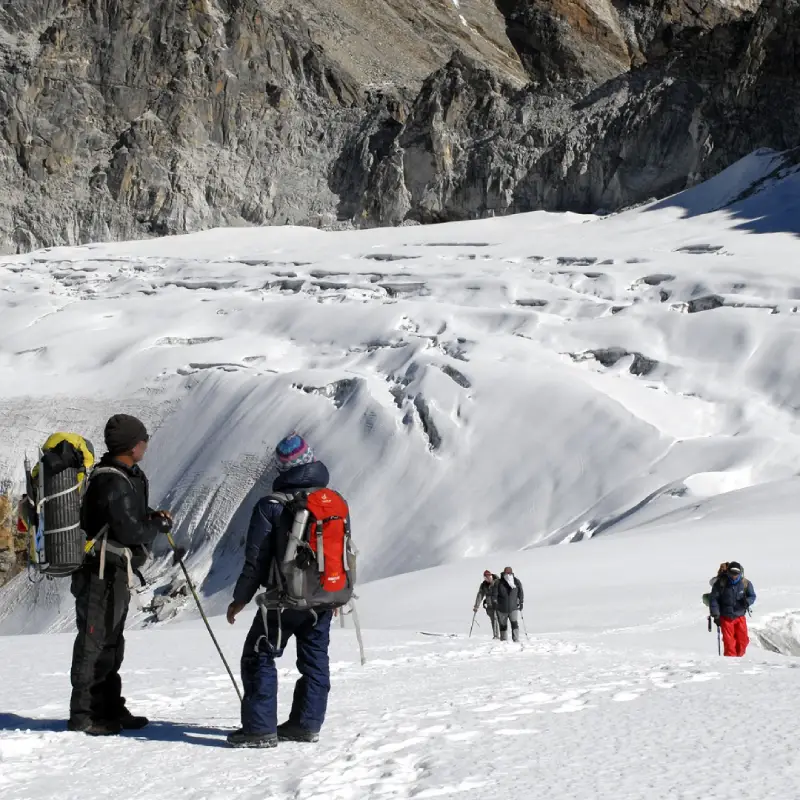
Lobuche East Peak Climbing is rated as a moderately technical Nepal peak climb with a PD+ grade, making it an excellent introduction to Himalaya mountaineering for climbers stepping up from trekking peaks. The route combines glacier travel, snow slopes reaching 40–50 degrees, and short sections of exposed ridge where crampons and ice axes are essential. While not as committing as Ama Dablam or Everest, the 6,119 m altitude and variable snow conditions demand respect. Most successful climbers describe the Lobuche East Expedition as challenging yet achievable with proper preparation and guidance.
Climbers attempting Lobuche East Peak Climbing should possess excellent cardiovascular fitness and the ability to carry a 12–15 kg pack for 6–8 hours at altitude. Leg strength, core stability, and mental endurance are equally important, as summit day often exceeds 10 hours. Prior high-altitude trekking Nepal experience is highly recommended. A structured 4–6 month training program focusing on weighted hikes, stair climbing, and interval training prepares the body for the sustained effort required on this Nepal peak climb.
Acclimatization is critical for any Lobuche East Expedition. The climb includes progressive rotations through high camps, allowing the body to adapt to the thin air above 5,000 m before the final summit push. Proper “climb high, sleep low” scheduling significantly reduces the risk of altitude illness. Experienced operators build 2–3 extra nights into the itinerary to ensure safe adaptation, making acclimatization one of the most important factors for success in high-altitude trekking Nepal
Lobuche East Peak Climbing requires confident crampon technique, ice-axe arrest, and basic glacier travel skills including crevasse rescue awareness. Climbers must be comfortable using harnesses, jumars, and fixed ropes on steeper sections. While the route is not heavily technical, the ability to move efficiently on snow and ice in a roped team is essential. Prior experience on peaks such as Island Peak provides the ideal foundation for this Himalaya mountaineering objective.
Essential equipment for the Lobuche East Expedition includes double mountaineering boots, crampons, ice axe, helmet, harness, ascenders, a down suit rated to –20 °C, and a sleeping bag rated to –15 °C or lower. A 40–50 L backpack, trekking poles, and layered clothing complete the list. Reputable operators provide group technical gear such as ropes and ice screws, allowing climbers to focus on personal high-altitude items for this Nepal peak climb.
Safety in Lobuche East Peak Climbing is maintained through low guide-to-client ratios, daily weather monitoring, and conservative turnaround times. Professional teams carry satellite phones, comprehensive medical kits, and emergency oxygen. Fixed ropes are installed on exposed sections, and all climbers are roped together on glaciers. These measures, combined with thorough risk assessments, ensure that every Lobuche East Expedition prioritizes participant safety above all else in high-altitude trekking Nepal.
Lobuche East Peak Climbing requires a climbing permit issued by the Nepal Mountaineering Association, a Sagarmatha National Park entry permit, and a Khumbu Pasang Lhamu Rural Municipality permit. These documents are arranged by the guiding company and must be obtained in advance. The permitting process underscores Nepal’s commitment to regulated Himalaya mountaineering and ensures that every Lobuche East Expedition operates within official conservation frameworks.
Professional guide services are strongly recommended for the Lobuche East Expedition because they provide expert route knowledge, real-time decision-making, and continuous safety support. Licensed Sherpa guides and international mountain leaders handle logistics, acclimatization monitoring, and technical rope work. Their presence dramatically increases success rates and peace of mind, making guided services the standard choice for safe and responsible Nepal peak climb experiences.
The best seasons for Lobuche East Peak Climbing are spring (April–May) and autumn (September–October). Spring offers stable weather and longer daylight hours, while autumn provides crisp air and excellent visibility. Both periods avoid the heavy snowfall of winter and the monsoon rains of summer, delivering the most reliable conditions for a successful Lobuche East Expedition and memorable high-altitude trekking Nepal.
Local Sherpa culture enriches every Lobuche East Expedition through warm hospitality, traditional puja blessing ceremonies at base camp, and stories shared around the fire. Interactions with Sherpa guides and porters offer genuine insight into Himalayan life and Buddhist traditions. This cultural dimension transforms the Lobuche East Peak Climbing journey from a purely physical challenge into a deeply rewarding cultural immersion within the heart of Himalaya mountaineering.
Responsible operators on the Lobuche East Expedition adhere to “Leave No Trace” principles, including waste removal, use of eco-friendly fuel, and strict trail etiquette. Climbers are encouraged to carry out all personal litter and to respect fragile alpine ecosystems. By supporting companies committed to sustainable practices, participants help preserve the pristine environment that makes high-altitude trekking Nepal such a special destination.
Trekking logistics for Lobuche East Peak Climbing involve a scenic 7–10 day approach through the Khumbu Valley, with teahouse accommodation and gradual altitude gain. Porters and yaks handle heavy gear, allowing climbers to focus on personal preparation. The return journey retraces the same trail, offering time to reflect on the summit achievement. These well-established logistics make the Lobuche East Expedition accessible yet authentically adventurous.
Summit strategies for Lobuche East Peak Climbing emphasize an early start from high camp, steady pacing, and careful energy management. Climbers follow fixed ropes on the steeper summit ridge and maintain hydration and nutrition throughout the long day. Guides monitor individual performance and enforce conservative turnaround times to ensure safe descent before afternoon weather changes. These proven strategies maximize both safety and success on this classic Nepal peak climb.
Altitude-related issues in Lobuche East Peak Climbing are managed through rigorous acclimatization schedules, daily health checks, and immediate response protocols. Guides are trained in altitude medicine and carry supplemental oxygen and Gamow bags for emergencies. Climbers learn to recognize early symptoms and are encouraged to communicate openly. This proactive approach significantly reduces the risk of acute mountain sickness and supports safe, enjoyable Himalaya mountaineering.
Trip Duration 20 Days starting from Kathmandu and ending at Kathmandu
Trip Grade Tough
Best Season March - May, September - November
Or
Pharchamo Peak, standing at 6,279 meters (20,600 feet), is a challengi
Dhampus Peak, with an elevation of 6,012 meters (19,724 feet), is a po
The Upper Dolpo Trek is one of the most beautiful and isolated adventu
The Makalu Base Camp trek is one of the underrated trekking routes tha
The Everest Three Passes Trek is a challenging high-altitude adventure
Dhaulagiri Round trek is one of the least-travelled and beautiful trek
Island Peak, also known as Imja Tse, stands at 6,165 meters (20,226 fe
Mera Peak is Nepal’s highest trekking peak. It is located in the Mah
The combination of the magical Nar Phu Valley and the classic high-alt
Makalu Base Camp Trek is truly an unforgettable adventure, covering so
Yala Peak is perhaps the most accessible genuine mountaineering experi
Singu Chuli, also known as Fluted Peak, is one of the most technically
The Ama Dablam Expedition occupies a unique and revered position in th
One of Nepal’s most notable high-altitude climbs, the Himlung Himal