Trip Duration Days starting from and ending at
Trip Grade
Group Size 1 - 18 Pax
Best Season
High above sea level, travel unfolds slowly from Lhasa toward Everest Base Camp, drawing attention to altitude and space. Moving beyond urban edges, footpaths worn by time guide explorers where monks still follow routines shaped generations ago. Through shifting terrain, each stage connects culture with land in ways few trips allow. Far from scattered attractions, this route builds meaning step by step, layer after layer. Open plains appear only after leaving behind temple bells and narrow lanes paved with history. Sky dominates once rooftops fade in the rear view. Out here, where the peak first reveals itself through jagged stone and open air, perspective shifts without warning – this marks the true beginning of the trek from Tibet’s north. Moving beyond city limits changes everything; travelers begin noticing subtle things: prayer wheels turning at dawn, footpaths worn between homes, stillness that settles deep by dusk – each detail part of a slow unfolding across high plains from Lhasa toward base.
One way to begin: touch down at Lhasa Gonggar Airport, where hours stretch longer than usual during the first two days spent adapting to thin air while visiting sites close by – a necessary phase for anyone planning to journey through Tibet starting in Lhasa. After this quiet opening chapter comes motion toward the west, unfolding along a highway built on cross-border exchange, following what travelers know as the Friendship Highway, central to the overland track linking Lhasa and Everest Base Camp. First Gyantse emerges from the terrain, followed by Shigatse – brief stays here build layers before momentum turns once more. Then, heading south past wide elevated stretches, the land tightens near Tingri, descending into a glacial hollow – Rongbuk cradles the foot of Everest, standing out clearly among moments defining the Tibet Everest Base Camp trek. Once finished at camp, paths diverge. One returns along known trails heading toward Lhasa again. The alternative pushes onward, moving across remote areas that conclude at Kyirong – ideal for travelers picking a land passage from Tibet to Nepal by the Kyirong crossing or a continuous path linking Lhasa directly to Kathmandu. The entire distance spans 360 kilometers, stretching between urban start and mountain gateway, covering both ground traveled and elevation slowly built. Views during this high-altitude trip stay intense, shaped by force, ranked within the planet’s most elevated regions when seen plainly on any journey through the Tibetan plateau leading to Everest.
Deep in the high mountain passes, a journey centered on Lhasa reveals Tibetan Buddhism not as a relic but as something breathing, evolving, deeply lived – adding layers to any cultural exploration of the region. Most of this path sits at elevation. At heights beyond four and a half kilometers, atmosphere changes the way light moves – colors grow deeper, outlines sharpen, distance feels unstable all at once, one core aspect of traveling through highland Tibet. Progressing from Lhasa in direction of Everest, paths rise above five-kilometer marks; each summit passed opens broader views across empty land. With nothing hiding what lies ahead, toward the closing stretch of Rongbuk Valley, the northern face of Everest appears complete in sight – eight thousand eight hundred forty-nine meters high, anchored in frost, clear of surrounding ridges, becoming the strongest moment on any Base Camp journey via Tibet. High above the planet, this landscape stands unmatched in raw beauty. Travelers who start from Lhasa move gradually toward it across Tibetan terrain, where each step brings close contact with local life. Such a journey earns its reputation not by distance but depth. Few trips to the region deliver quite like this passage near Mount Everest’s base.
Foreign visitors require several permits for Tibet, all arranged through a registered agency before travel. The Tibet Travel Permit is fundamental. For areas beyond Lhasa, like Everest Base Camp, an Alien's Travel Permit and a Frontier Pass are also needed. Expect your tour operator to handle these, requiring a few weeks, so plan ahead.
A valid Chinese visa is indeed required before you can get a Tibet Travel Permit. Most secure this from their nearest Chinese embassy. Your passport must also be valid for six months past your travel dates. Be aware the Tibet Travel Permit itself won't be stamped in your passport. Always check current visa rules well beforehand, as they can differ.
Consider April to June and September to early November. April and May offer warming weather and clear skies for Everest views, preceding monsoon clouds. October and November provide the year's clearest, most stable conditions with excellent visibility across the plateau. July and August are wet, potentially affecting roads. Winter months bring extreme cold, and March sometimes sees closures.
Altitude sickness is a primary consideration. Lhasa, at 3,650 meters, can cause mild symptoms like headaches initially. The path to Everest Base Camp exceeds 5,000 meters. Proper acclimatization in Lhasa, staying well-hydrated, and avoiding overexertion are key. Discussing Diamox with your doctor before the trip is also advisable.
A good pace for a Tibet tour through Lhasa, including Everest Base Camp, is usually 8 to 12 days. This covers time for Lhasa acclimatization, stops in Gyantse and Shigatse, and a day or two at EBC. Shorter 6-7 day itineraries exist, but they often sacrifice vital acclimatization and meaningful stops. Most who rush wish they had taken more time.
Lhasa is a uniquely sacred Tibetan city, focused on the Jokhang Temple and Barkhor pilgrimage. We recommend at least two to three full days: one for Potala Palace and Barkhor, another for Sera or Drepung monastery, and quiet time in the old town. Crucially, your first day should be lightly scheduled for acclimatization due to the altitude.
The drive from Lhasa to Everest Base Camp covers roughly 360 kilometers, typically over two to three days with stops in Gyantse and Shigatse. Expect stunning plateau views and high passes, like the 5,010-meter Karo La. The final unpaved section into Rongbuk Valley can be challenging, but the panoramic views are truly rewarding. An experienced local driver and a 4WD vehicle are standard.
At 5,150 meters, Everest Base Camp offers direct, unobstructed views of Everest's majestic north face. Just below, Rongbuk Monastery, the world's highest, lends a profound spiritual dimension. Witnessing sunrise or sunset at Rongbuk, as Everest glows with color, is often considered a tour highlight.
Trip Duration Days starting from and ending at
Trip Grade
Best Season
Or
Learn Buddhism Trek is a once-in-a-lifetime pilgrimage tour that every
Step by step, the shift from city streets to high plateau reveals itse
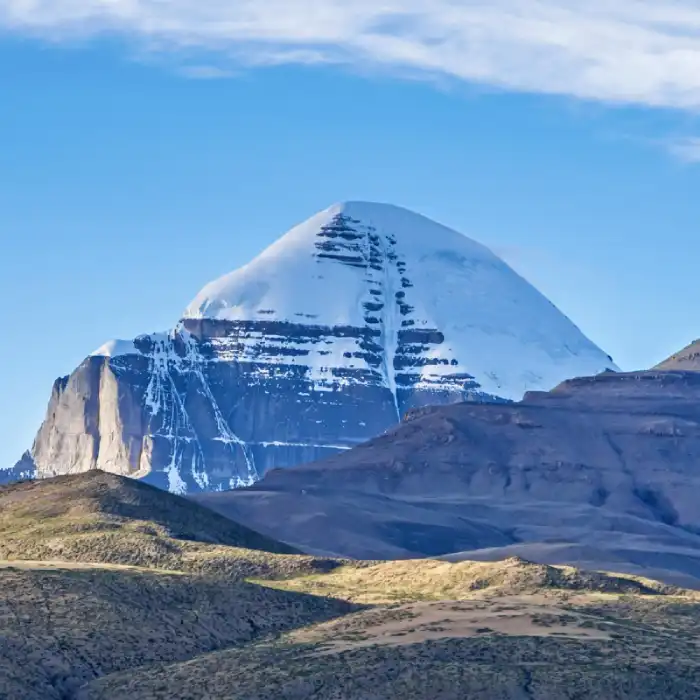
Mount Kailash stands at 6,638 metres. It has never been summited — n
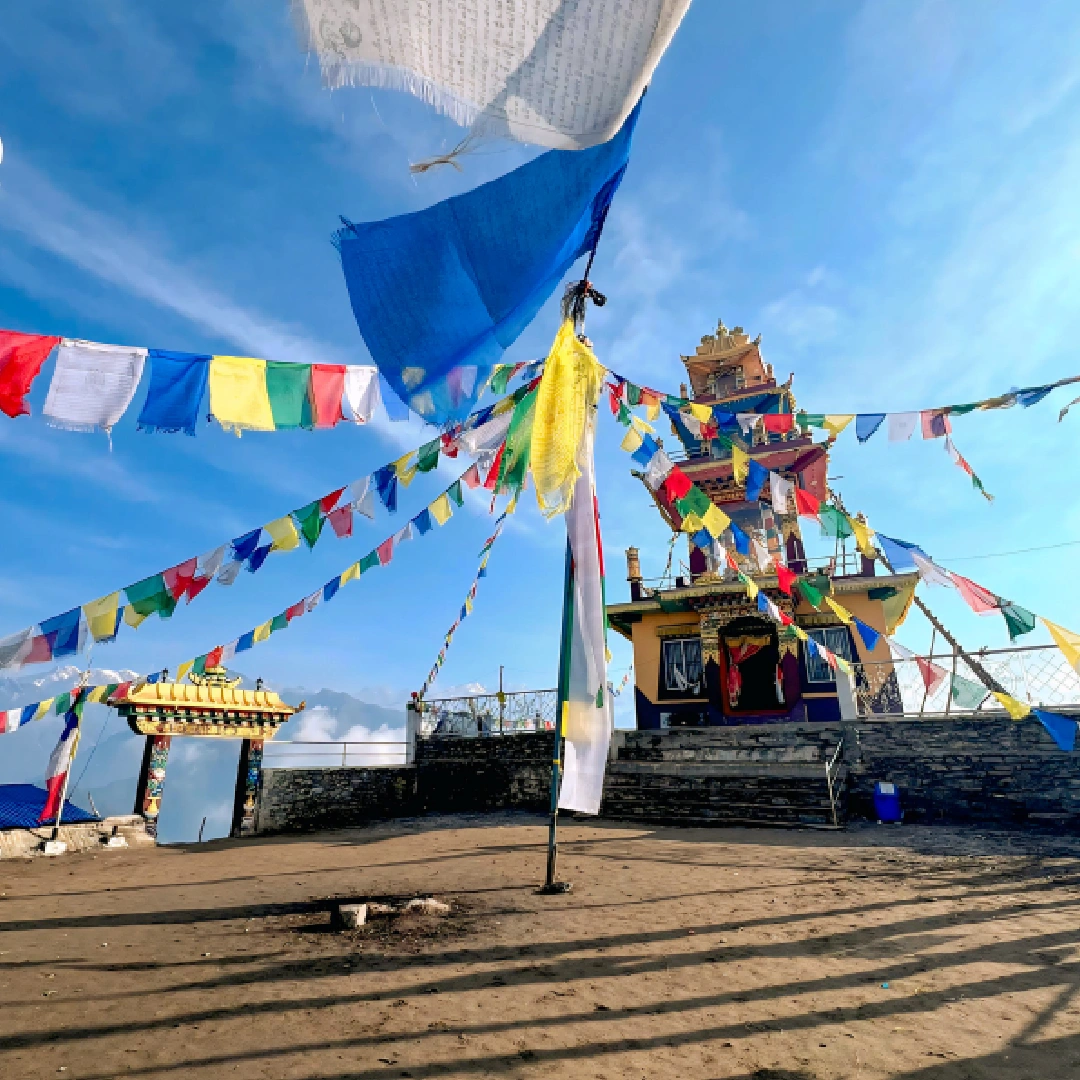
The Ama Yangri Trek is one of the popular short treks located in the H
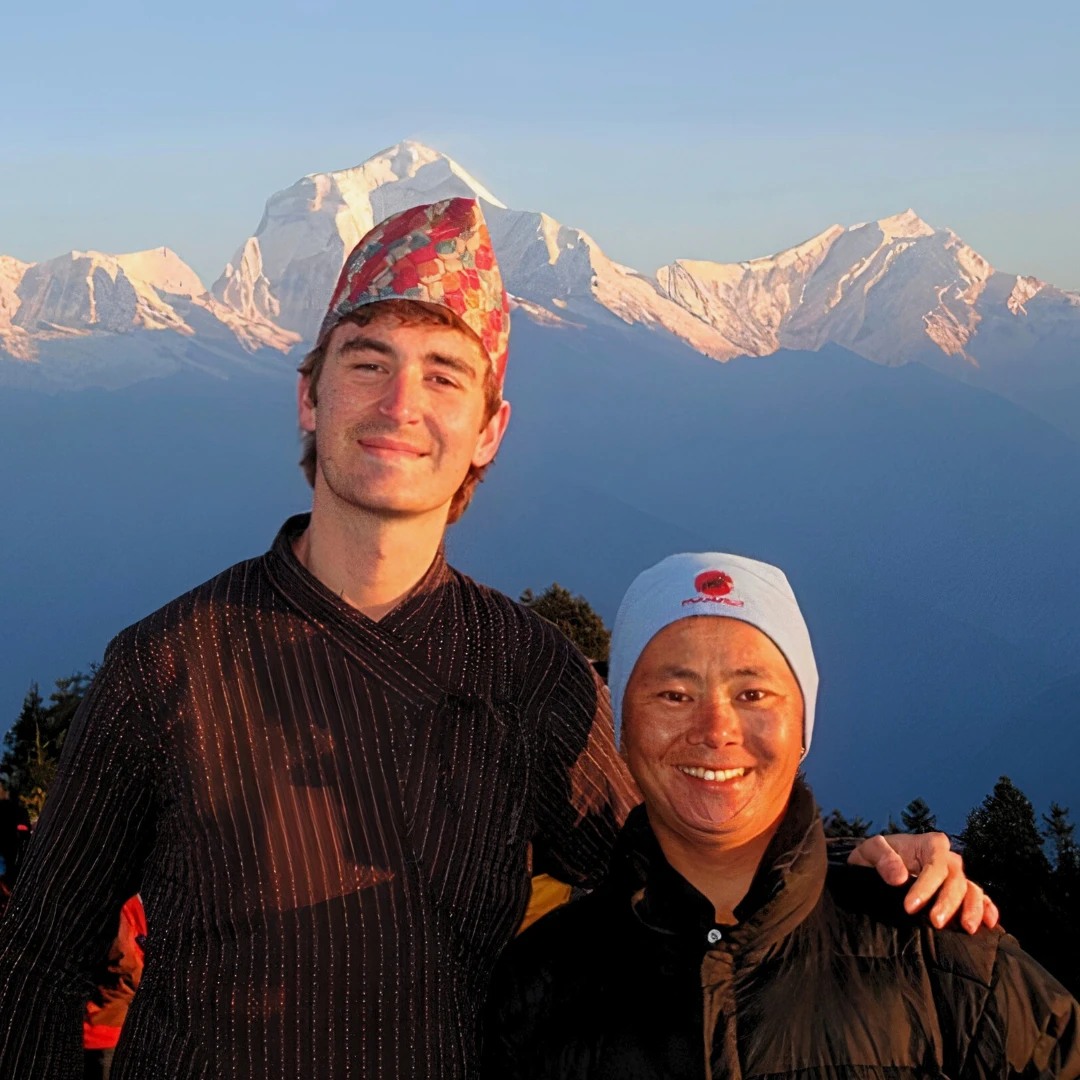
Ghorepani Poon Hill Trekking is most popular who have limited time for