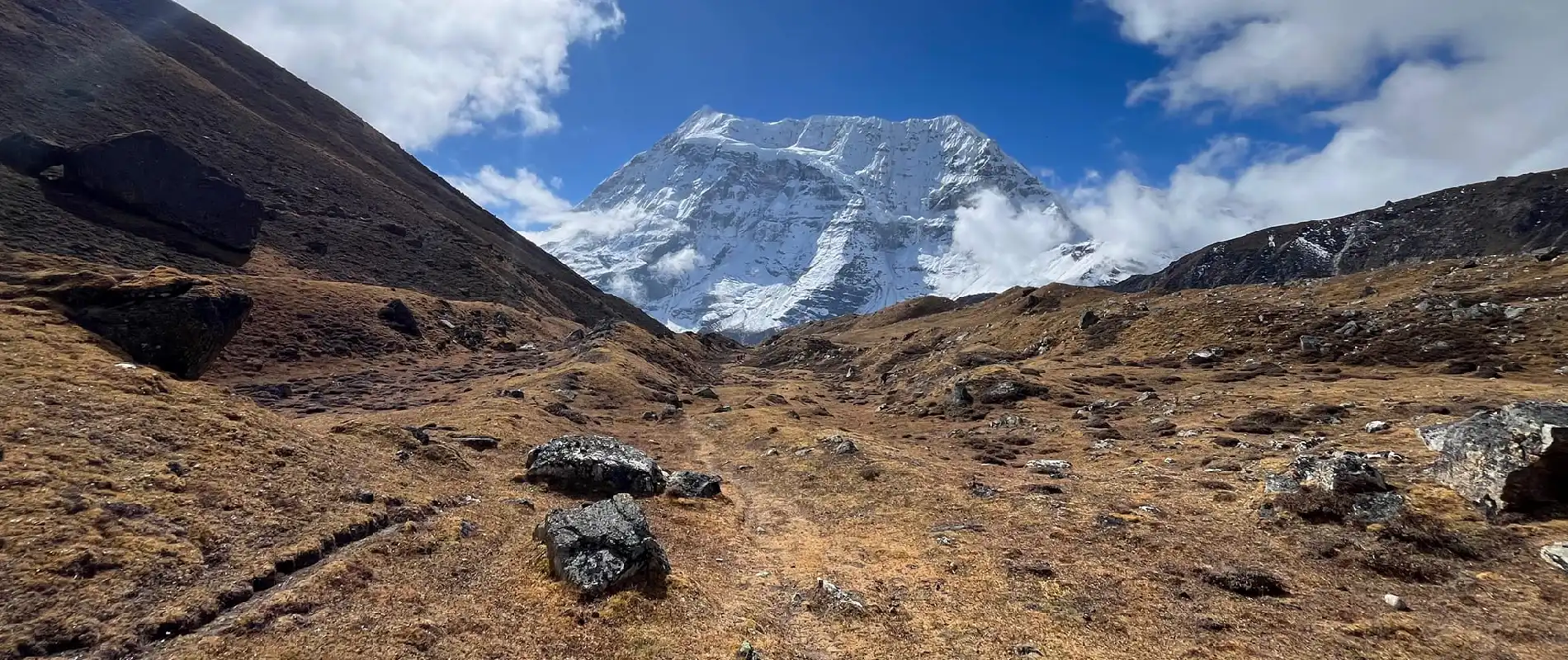
Trekking in Nepal offers breathtaking views of towering mountains, lush valleys, and vibrant culture. The experiences here are unparalleled, but so are the challenges. Trekkers might face sudden weather changes, difficult terrains, and threats like altitude sickness, which can affect anyone regardless of fitness level. In 2019, approximately 300,000 trekkers explored Nepal, highlighting its popularity as a trekking destination.
Preparing properly is essential to ensure safety and enjoyment. This guide will provide a complete gear list to help you gear up for an unforgettable trekking experience in Nepal.
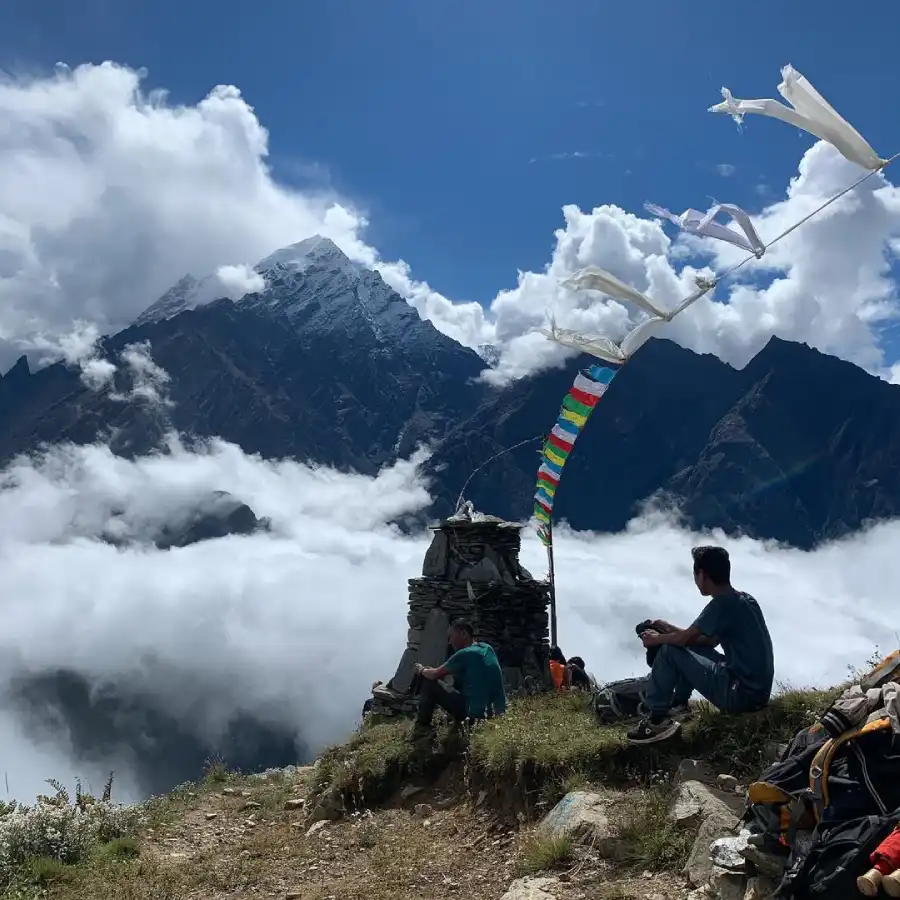
Moisture-wicking base layers are crucial for keeping you dry and comfortable. Look for materials like merino wool or synthetic options. Brands like Icebreaker offer high-quality base layers that regulate temperature and wick away sweat effectively.
Insulating mid layers, such as fleece or down jackets, provide warmth. Layering techniques help you stay comfortable as temperatures fluctuate. Choose lightweight options that can easily be packed and worn when needed.
A good waterproof and windproof jacket is a must. Look for durable, breathable materials, like Gore-Tex, to protect against the elements. Pair it with breathable pants designed to keep you dry during unexpected rain or snow.
Properly fitting hiking boots are non-negotiable. Ensure they are broken in before your trek. High-cut boots are ideal for challenging terrains, offering better ankle support. Try brands like Salomon for quality options.
Invest in moisture-wicking socks to prevent blisters and discomfort. Wool or synthetic blends are excellent choices. Avoid cotton socks as they retain moisture.
Trekking poles enhance stability and can reduce strain on your knees. Look for adjustable poles that you can adapt to different terrains.
Choose a backpack that suits the length of your trek. A 50-70 litre pack is recommended for multi-day hikes. Ensure it has enough compartments for your essentials and keeps weight distribution balanced.
Use packing cubes to stay organized. They compress clothing and gear, making it easy to find what you need quickly.
A smaller daypack is essential for daily hikes. It should carry your water, snacks, and first-aid kit without being bulky.
Basic navigation skills are vital for trekking. Consider investing in maps from publishers like Trekking Map Publishers, which offer detailed guides for Nepal.
GPS devices are great for tracking, but smartphones can also do the job. Be mindful of battery life, as signals can be weak in remote areas.
For safety, a satellite phone or personal locator beacon (PLB) is recommended, especially for solo trekkers. Experts stress the significance of being able to communicate in emergencies.
A basic first-aid kit should include:
Altitude sickness can affect anyone at higher elevations. Consulting a doctor about prevention and treatment is essential.
Bring enough prescription medications for your trip. Keep them in their original packaging and ensure you have copies of your prescriptions.
A headlamp or flashlight is critical for navigating low-light conditions. Opt for lightweight, battery-efficient options.
Protect yourself from the high-altitude sun. Use sunglasses with UV protection and a high SPF sunscreen to shield your skin.
Stay hydrated with reliable water bottles. Water purification methods, such as filters and purification tablets, ensure safe drinking water on the go.
Conclusion
Planning and proper gear selection are fundamental for a safe and enjoyable trekking experience in Nepal. Equip yourself with the right items, and you’ll navigate the trails with confidence. Begin your adventure by carefully selecting your gear and setting your plans in motion. Start planning your trek to this exhilarating destination today!
